No Trailers found.
No Cast found.
One of Han Ok-hee’s renowned pieces called The Hole uses the flicker, oblique angles, the cross-cutting of reality and fantasy to express inner entrapment and the desire for liberation. Han Ok-hee’s The Hole, The Rope and Untitled not only experimented with cinematic forms of expression, but also played an important role in the protest against forms of expression in experimental films and the artistic protest against the social suppression and censorship in 1970s Korea. (Art Cinema OFFoff)
The film contains the despair of an artist’s desire for creation on ruthless censorship, rebel, and anxiety in the mid-70s when it was politically and socially depressed.
Lights flicker & fade as focus shifts from artificial to natural light, ending on a second artificial light speeding through the blackened miasma of the night sky.
Errol Morris examines the incidents of abuse and torture of suspected terrorists at the hands of U.S. forces at the Abu Ghraib prison.
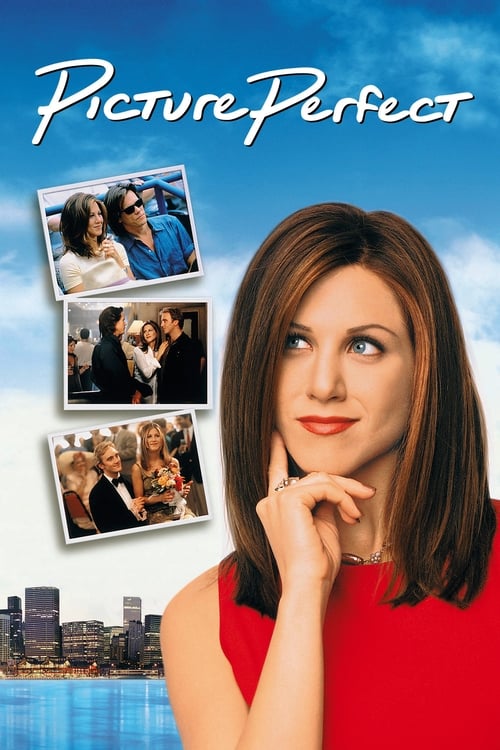
Sy Parrish has lovingly developed photographs for the Yorkin family since their son was a baby. But as the Yorkins' lives become fuller, Sy's only seems lonelier, until he eventually convinces himself he's part of their family. When Sy's picture-perfect fantasy collides with an ugly dose of reality, a bizarre and thrilling confrontation ensues.
An ahistorical re-enactment of the strange and curious events that led up to the untimely demise of our nation’s sixteenth president.
“A deadpan video art reworking of 1982's highest-grossing movie, EXTRA TERRESTRIAL peels away layers of sentimental narrative goo from its source, exposing a hard core of anxiety, loneliness and dread. Shifting the focus from character to interior, Ben Russell and Rhyne Piggott mine the landscape of a beige-carpeted ranch style house for new insights into the architecture of suburban alienation.” - Anne Reecer, Cinematexas
'It was in San Francisco at a punk festival. I was already high and the air was so thick in the rooms that you could cut it with a knife. I had a photograph camera with me; I stood in a corner of the entrance hall and took 36 pictures on slide film. At home I put the slides into a slide projector. I took out the lens and filmed the slides by filming directly from the projector - using single frames according to a certain plan.'
A young advertising executive's life becomes increasingly complicated when, in order to impress her boss, she pretends to be engaged to a man she has just met.
Shot in the abandoned buildings of Gary, Indiana and the cornfields of Western Illinois, The Twenty-One Lives of Billy the Kid presents a fractured historical narrative without any real protagonist, one in which the titular character goes mostly unseen - Billy the Kid as the always-off-screen assailant, as a ghost’s laugh, as a shadow on the road.
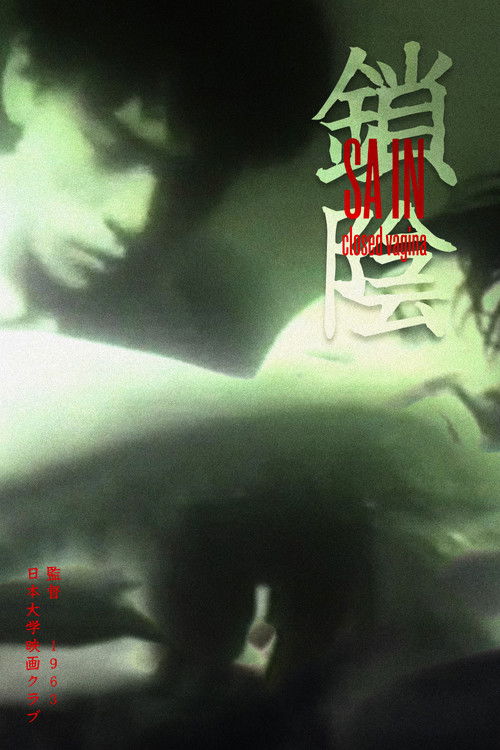
Adachi's follow-up to Bowl using the figure of a woman suffering from an unusual sexual aliment has often been taken as a controversial allegory for the political stalemate of the Leftist student movement after their impressive wave of massive fiery protests failed to defeat the neo-imperialist Japan-US Security Treaty. The ritualistic solemnity of the charged sexual scenes contribute to the oneiric qualities of Closed Vagina which Adachi would later insist was an open work, not meant to deliver any kind of deliberate political message. - Harvard Film Archive
Life drums the playfulness out of a boy as he grows up.
A tribute to the cameramen of the newsreel companies and the service film units, in the form of a compilation of film of the cameramen themselves, their training and some of their most dramatic film.
This is a 1991 documentary film about the legendary artist and filmmaker, Joseph Cornell, who made those magnificent and strange collage boxes. He was also one of our great experimental filmmakers and once apparently made Salvador Dali extremely jealous at a screening of his masterpiece, Rose Hobart. In this film we get to hear people like Susan Sontag, Stan Brakhage, and Tony Curtis talk about their friendships with the artist. It turns out that Curtis was quite a collector and he seemed to have a very deep understanding of what Cornell was doing in his work.
Martin, a young blind photographer, is divided between his friendship with restaurant worker Andy and the exclusive love that Celia—who is terribly jealous of this new friendship—has for him.
No overview available.
"A deeply beautiful and disturbing split-screen depiction of the contrasting daily routines of sociologist Gilberto Freyre in 1959 (author of The Masters and the Slaves, originator of Lusotropicalism, proponent of racial integration) and Cristóvão, an ordinary housekeeper in 2016." - Angeline Gragásin
The blinking sun on the surface of the river becomes the ranting mouth of god and utters nova scotia into existence.
A bride walks on the desert. She takes off her bridal ornaments and turns into a harlot. A multitude of people crawl on their bellies, become sick and soon die. A volcano erupts. White ashes of lahar cover the earth. The bride remembers her betrothal and repents--symbolically paving the way for the resurrection of her people. A final bridal march into a new heaven and earth takes place.
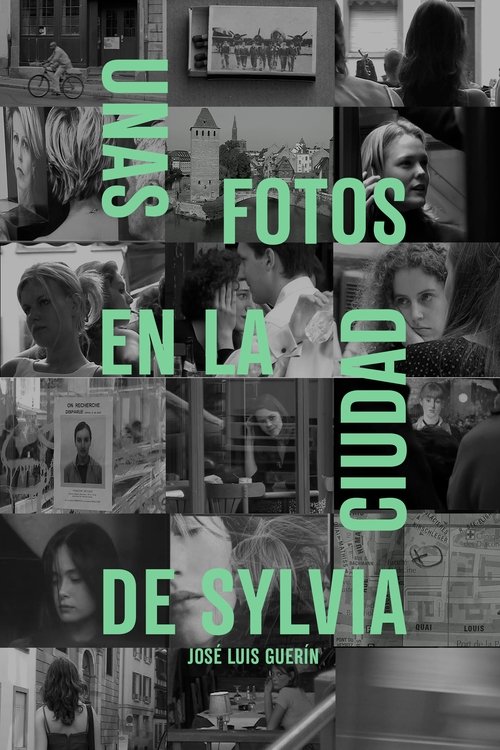
This remarkable companion piece to In the City of Sylvia offers a compendium of images recorded by Guerín in Strasbourg while searching for the traces of a (fictional?) brief encounter some years earlier with a young woman named Sylvia.