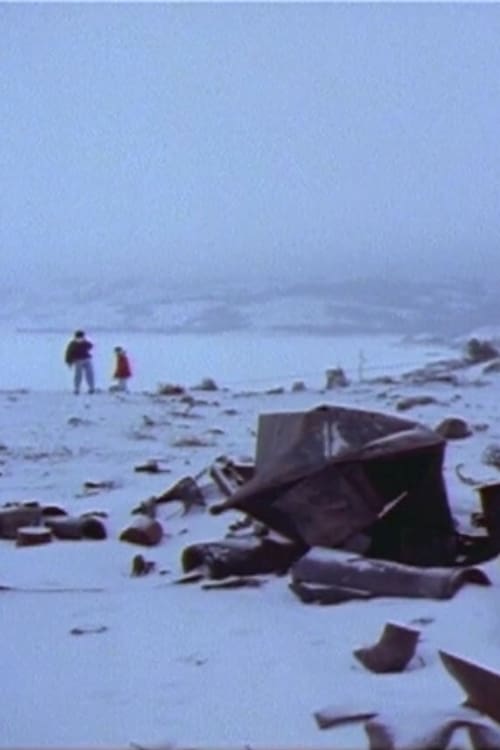
In the '60s, the Mushuau Innu had to abandon their 6,000-year nomadic culture and settle in Davis Inlet. Their relocation resulted in cultural collapse and widespread despair.
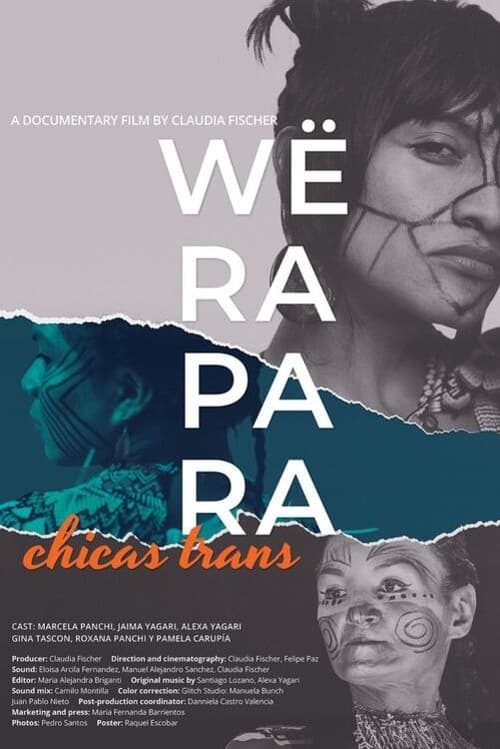
Amidst the Colombian Andes, a group of trans women from the Embera Chami community make their way into the international fashion scene, empowered through artistic collaboration and creation while preserving their spiritual heritage and ancestral connection to their territory.
A documentary film about Comanche activist LaDonna Harris, who led an extensive life of Native political and social activism, and is now passing on her traditional cultural and leadership values to a new generation of emerging Indigenous leaders.
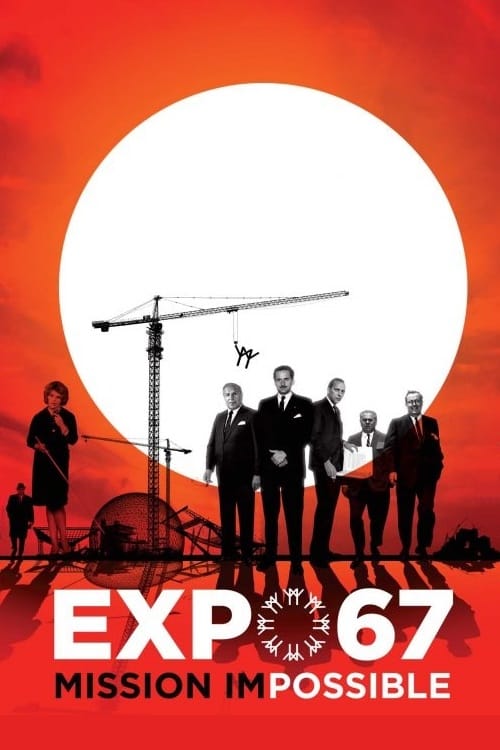
This documentary let us to relive the challenge of the men behind the 1967 Universal Exposition in Montréal, Canada. By searching trough 80,000 archival documents at the national Archives, they managed to bring light on one of the biggest logistical and political challenges that were faced by organizers during the "Révolution Tranquille" in the Québec sixties. Includes the accounts of the Chief of Advertising Yves Jasmin, and businessman Philippe de Gaspé Beaubien.
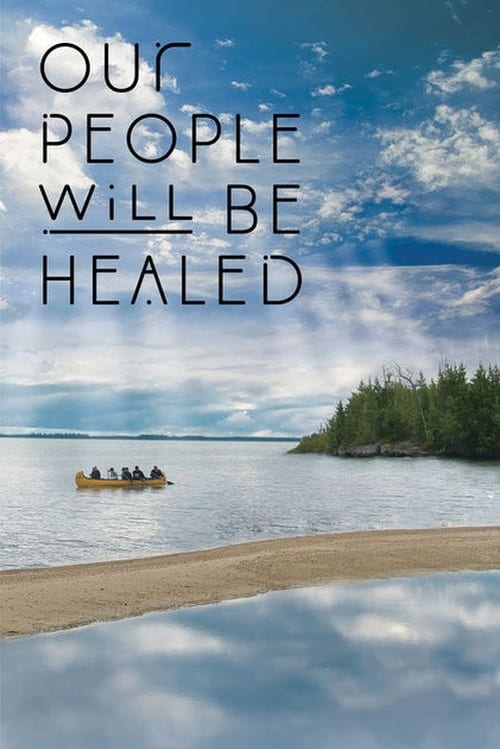
Legendary documentary filmmaker Alanis Obomsawin provides a glimpse of what action-driven decolonization looks like in Norway House, one of Manitoba's largest First Nation communities.
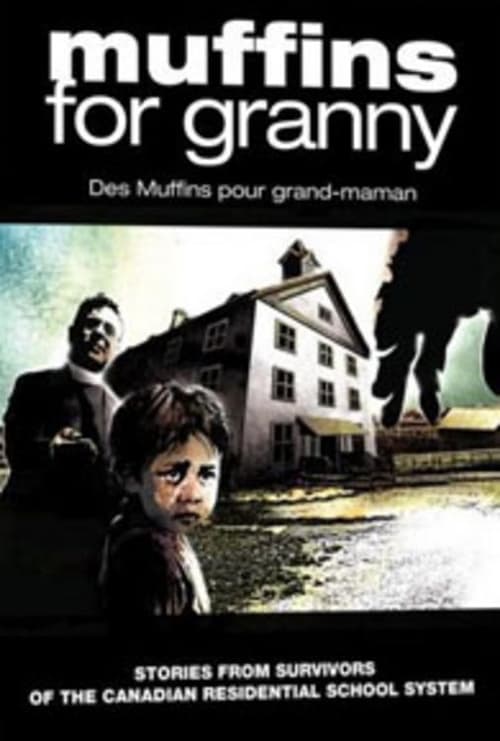
Muffins for Granny is a remarkably layered, emotionally complex story of personal and cultural survival. McLaren tells the story of her own grandmother by combining precious home movie fragments with the stories of seven elders dramatically affected by their experiences in residential school. McLaren uses animation with a painterly visual approach to move the audience between the darkness of memory and the reality that these charismatic survivors live in today.
From grueling rehearsals to the world premiere, Romeos & Juliets offers an unprecedented behind-the-curtain look at the National Ballet of Canada as ten dancers vie to perform the lead roles on the coveted opening night of "Romeo and Juliet," as envisioned by acclaimed choreographer Alexei Ratmansky in celebration of the company's 60th anniversary.
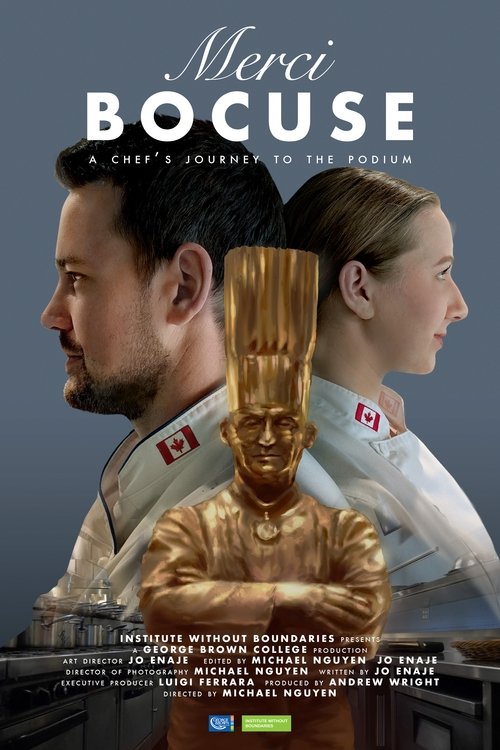
A young and ambitious team of chefs face the life-changing challenges of competing in the world's most prestigious culinary competition.
An intimate look into Demers family's experience raising children while dealing with the societal stigmas around disabilities and the consequences of Alberta's forgotten experiment in eugenics.
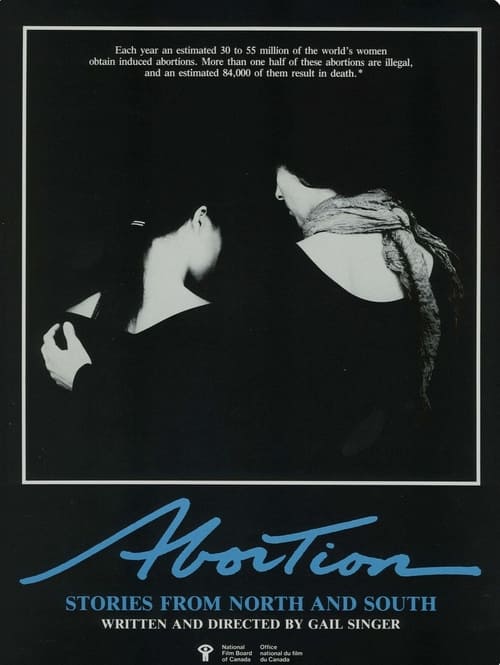
Women have always sought ways to terminate unwanted pregnancies, despite powerful patriarchal structures and systems working against them. This film provides a historical overview of how church, state and the medical establishment have determined policies concerning abortion. From this cross-cultural survey--filmed in Ireland, Japan, Thailand, Peru, Colombia, and Canada--emerges one reality: only a small percentage of the world's women has access to safe, legal operations.
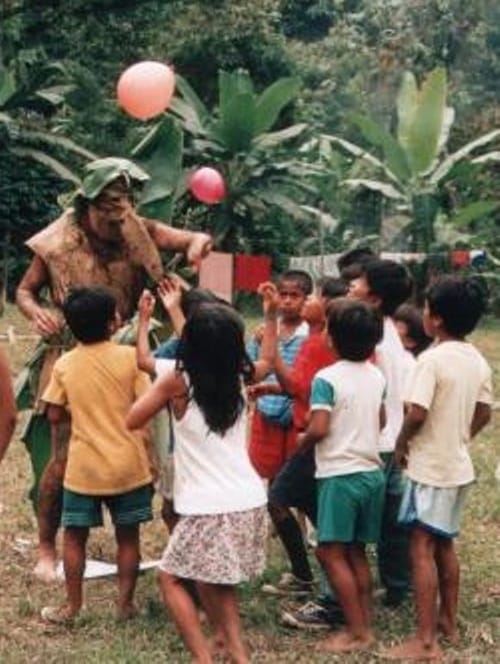
A 13-year-old Indian boy is found unconscious after being attacked in the jungle by the evil spirit Fayu Ujmu. A shaman attempts to ritually tame the spirit and advises the boy’s father to capture it. This story is based on a Chachi Indian legend; it was shot with indigenous inhabitants of the jungle community of Loma Linda, on the Rio Cayapas.
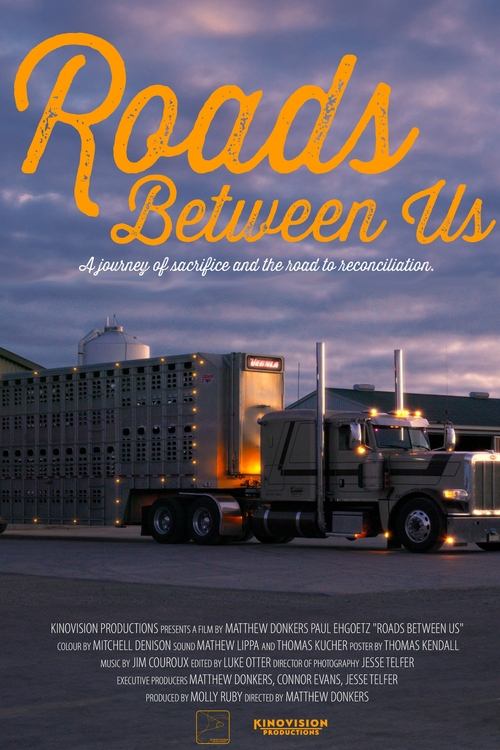
A retired truck driver reflects on a life spent on the road while his children explore the emotional toll of his absence, honouring the unsung heroes who keep the world moving.
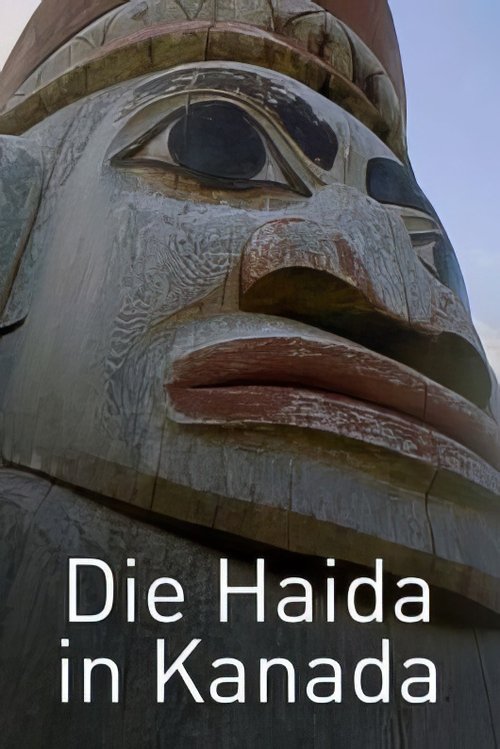
Haida Gwaii, an archipelago off the west coast of Canada, is home to Skil Jaadee and her family. They live in harmony with nature and have made it their mission to save their language and preserve their history.
Follows Haida artist Bill Reid, from British Columbia. A jeweller and wood carver, he works on a traditional Haida totem pole. We watch the gradual transformation of a bare cedar trunk into a richly carved pole to stand on the shores of the town of Skidegate, in the Queen Charlotte Islands of B.C.
“Shellmound” is the story of how one location was transformed from a sacred center of pre-historic cultures to a commercial mecca for modern people. What began as a Native American burial ground three thousand years ago, was transformed first into an amusement park, and later an industrial age paint factory. Now, the tainted ancient soil sits beneath the glittering lights of Banana Republic, Victoria’s Secret, and the AMC movie theaters. “Shellmound” examines the decisions made during the recent toxic cleanup, excavation, and construction of the Bay Street mall through the eyes of the city of Emeryville, the developer, the archaeologists, and the native Californians who worked on the site.
A behind-the-scenes look at the team and event that made history. The DVD chronicles the Rider's incredible run to the 101st Grey Cup Championship game and their historic victory on home soil. This 70 minute feature takes you behind the scenes of the Roughrider's 2013 season, the Grey Cup Championship Game, the Grey Cup Festival and the aftermath of one of the greatest moments in Roughrider history. Insightful interviews get you up close and personal with General Manager Brendan Taman, Head Coach Corey Chamblin, broadcasters, event crews and the players that made it all happen.
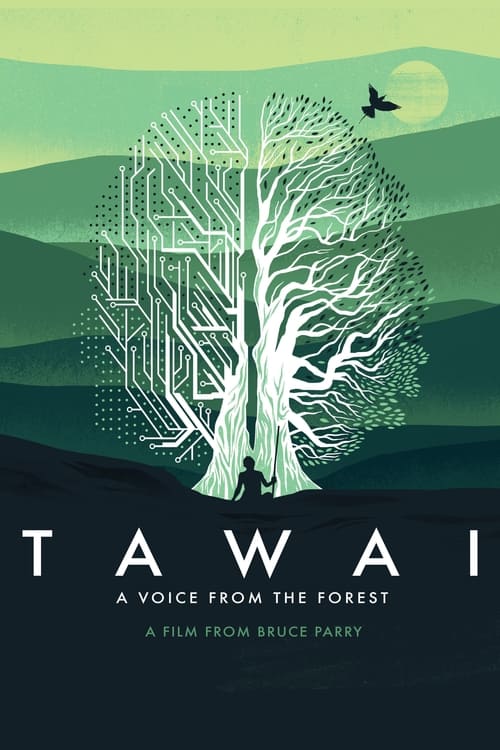
Explorer Bruce Parry visits nomadic tribes in Borneo and the Amazon in hope to better understand humanity's changing relationship with the world around us.
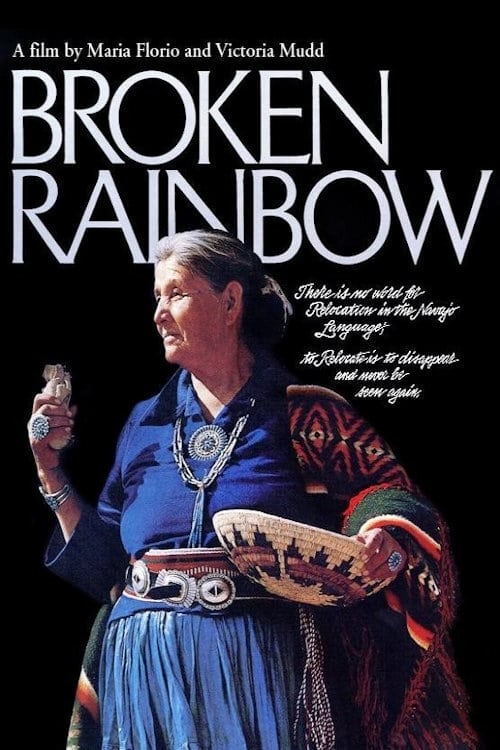
Documentary chronicling the government relocation of 10,000 Navajo Indians in Arizona.
A Brazilian performance artist Vanesa Cardoso living in Newfoundland, Canada explores the figures of her Pochinko clown, discovering a desire to expose the comedy of our deepest vulnerabilities - the very ones that make us human. A creative journey through Richard Pochinko's seven masks and six directions, Vanessa reveals her clown while musing on the personal drive and struggles that inspire her art.
In early 1960s Toronto, a white, Anglo-centric city, an underground music scene emerged from the Jamaican diaspora, led by newcomers like Jackie Mittoo, Wayne McGhie, and a young Jay Douglas. Battling racism and indifference, they left a lasting but underrecognized mark on Canadian music and culture. Nearly 60 years later, Jay Douglas still champions Jamaican music and is finally receiving long-overdue recognition. Play It Loud is a feature documentary that tells the little-known story of how Jamaican music became a vital, unlikely part of Canadian culture. It traces a cultural migration that made Canada a global hub for Jamaican music - celebrated abroad but overlooked at home. Told through the life and music of beloved singer Jay Douglas, born Clive Pinnock in rural Jamaica, the film follows his journey from teen performer to enduring icon.
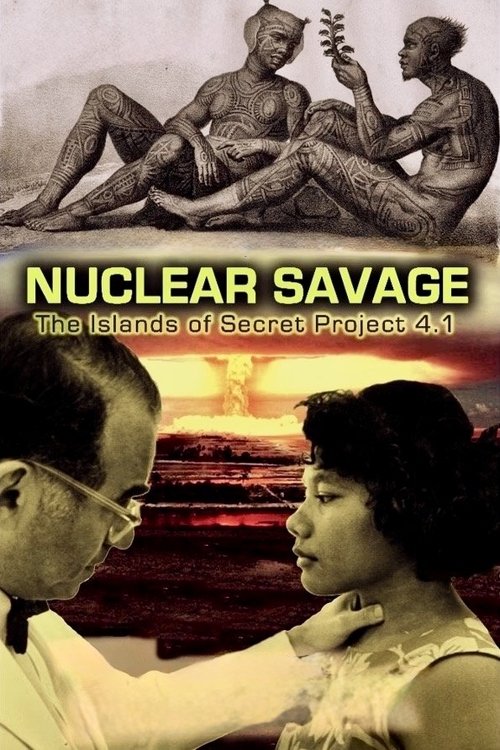
A shocking political exposé, and an intimate ethnographic portrait of Pacific Islanders struggling for survival, dignity, and justice after decades of top-secret human radiation experiments conducted on them by the U.S. government.
Narrator
No Trailers found.