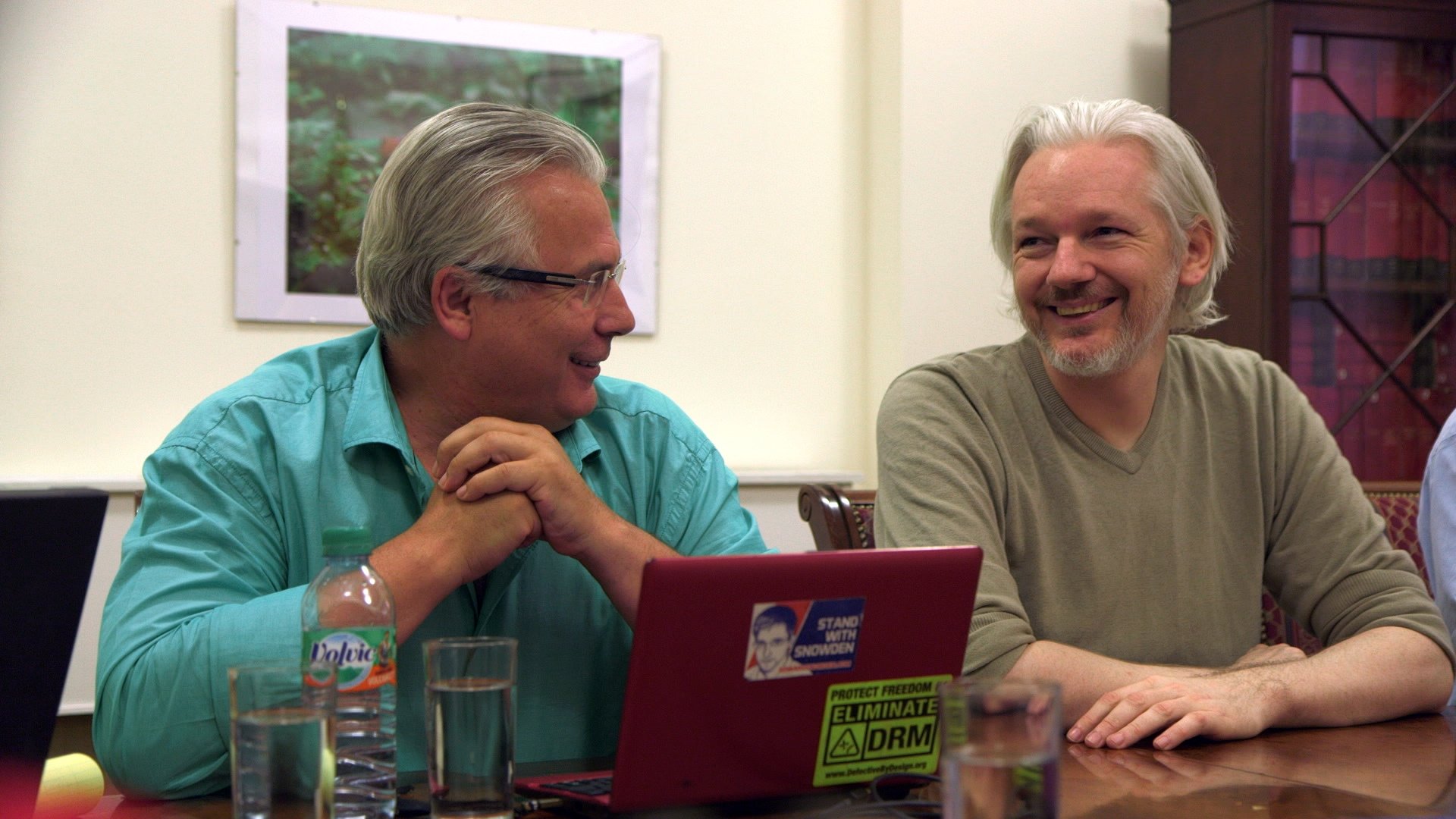
Since he took on the case in 2012, defending Julian Assange has put judge Baltasar Garzón's talent and ability to the test. They've won a few battles, but nobody knows how the war will end.
Self
Trailer
Examining the meaning and significance of the insights that WikiLeaks shared with the world, the resulting behaviour of the governments involved, the extraordinary personal risk taken by Assange, and the wider fundamental issues around press freedom that affect all of us and our right to know.
No overview available.
The campaign to free Julian Assange takes on intimate dimensions in this documentary portrait of an elderly man’s fight to save his son. Arguably the world’s most famous political prisoner, WikiLeaks founder Julian Assange is a figure pretty much everybody has an opinion about; perhaps more importantly, he serves as the emblem of an international arm wrestle over freedom of journalism, government corruption and unpunished war crimes. For his family members who face the prospect of losing him forever to the abyss of the US justice system, however, this David-and-Goliath struggle is personal – and, with his health declining in a British maximum-security prison and American government prosecutors pulling out all the stops to extradite him, the clock is ticking.
In the spring of 2010, Julian Assange published classified documents that shed a harsh light on the war crimes committed by the United States in Afghanistan and Iraq.
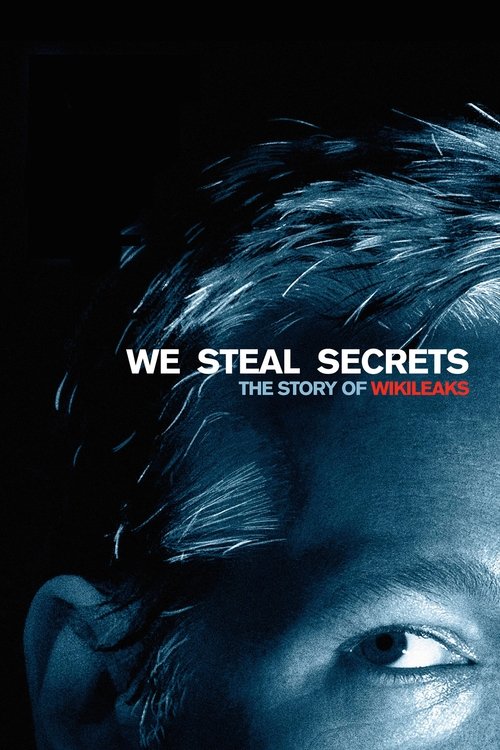
Julian Assange. Bradley Manning. Collateral murder. Cablegate. WikiLeaks. These people and terms have exploded into public consciousness by fundamentally changing the way democratic societies deal with privacy, secrecy, and the right to information, perhaps for generations to come. We Steal Secrets: The Story of WikiLeaks is an extensive examination of all things related to WikiLeaks and the larger global debate over access to information.
Capturing the story of WikiLeaks founder Julian Assange with unprecedented access, director Laura Poitras finds herself caught between the motives and contradictions of Assange and his inner circle in a documentary portrait of power, betrayal, truth and sacrifice.
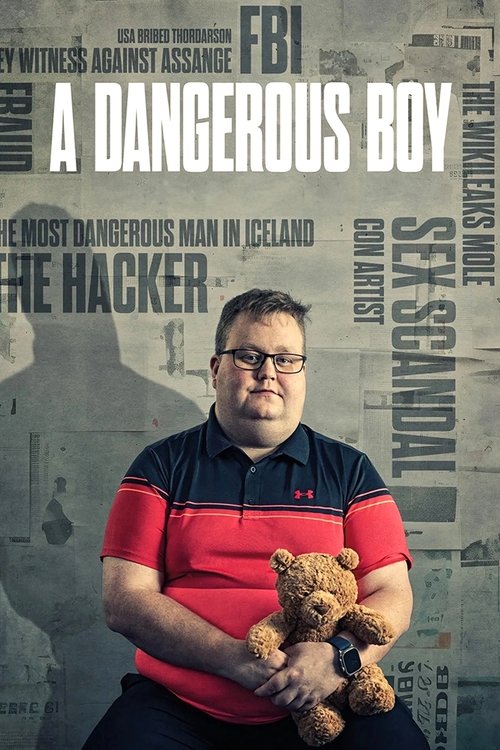
Sigurdur Thordarson, known as Siggi, becomes a hacker at 12, exposing Icelandic bank corruption at 14. Branded the "teenage whistleblower," he joins WikiLeaks in 2010, mentored by Julian Assange. Siggi leaks globally, but clashes with Assange, prompting him to spy for the FBI at 18. This tale weaves paranoia, hacking, and friendship, portraying Siggi's turbulent journey from trust to betrayal, revealing a heart-wrenching coming-of-age narrative.
What threads of history bind Manhattan's Ground Zero to those of Nagasaki and Hiroshima? Or connect sight to truth, games to war, or the silkworm to the drone? What does the United States hold to be the role of science in warfare? How has war historically been waged in Buddhist traditions? These are some of the topics addressed in Eyewar: 80 minutes of found footage which traces the development of the digital image from the maps of the second century to the screens of the twenty-first, and the uses of the field of cybernetics from Japan in the 1940s to Chile in the 1970s and Iraq in the 1990s.
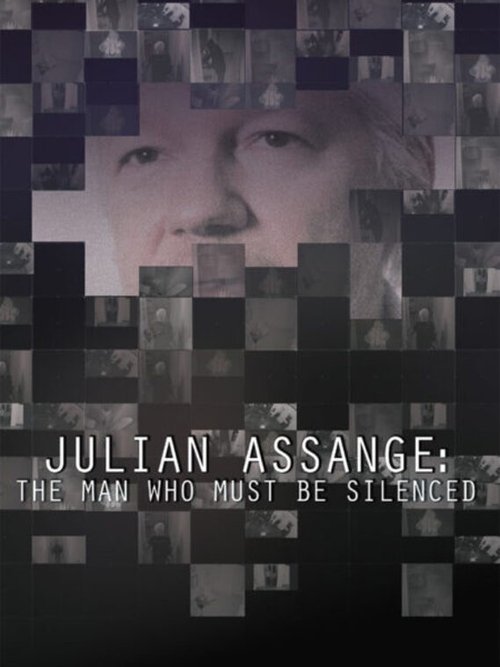
The film tells the story of the rise and fall of Julian Assange. Once a celebrated publicist and over the years decried as an eccentric, spy and rapist. The documentary shows a differentiated picture of Julian Assange and Wikileaks. For the first time in German television Assange’s fiancée gives an interview. Further interviews, amongst others, with former CIA-director Leon Panetta, Edward Snowden and John Shipton.
In school, 9-year old Julian gets into trouble for squealing a bully and therefore disturbing class.
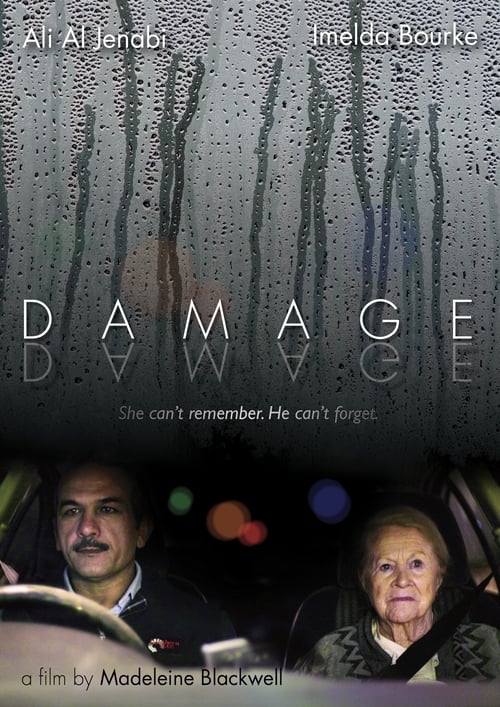
Ali is not a citizen. He drives a taxi using another man’s license and relies on the GPS to negotiate his way around a city he doesn’t know. His passenger, Esther is an old woman who can’t remember where she is going. She is angry because she has been stripped of everything that is familiar to her and she doesn't recognise the world anymore. They travel through the night in search of a vague destination while surveillance cameras mark their journey, coldly omitting the human element, defining who belongs and who does not, who is safe and who is not. What they have in common is their damage – she can’t remember and he can’t forget.
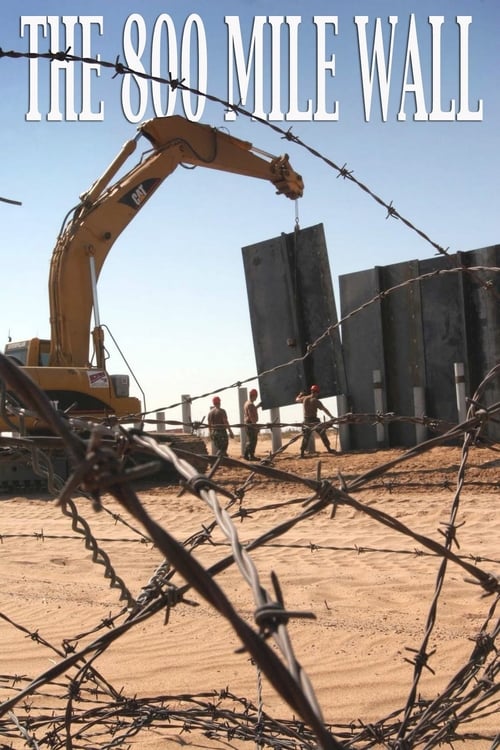
"The 800 Mile Wall" highlights the construction of new border walls along the U.S.-Mexico border as well as the effect on migrants trying to cross in the U.S. This powerful 90 minute film is an unflinching look at a failed U.S. border strategy that many believe violates fundamental human rights.
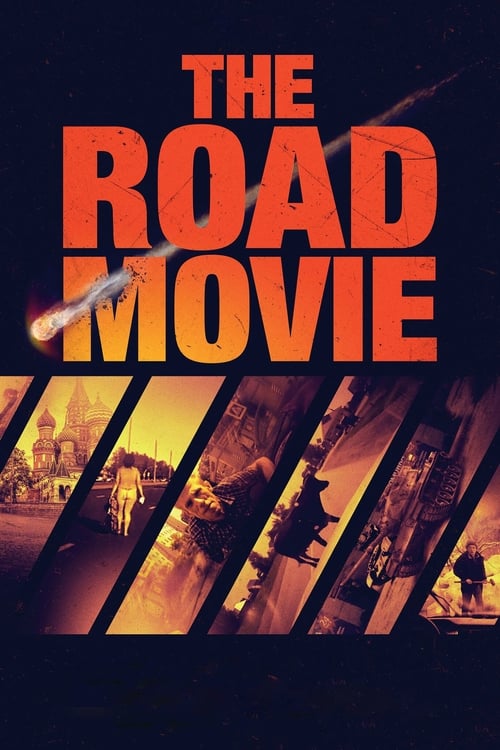
Anything can happen on Russian roads and is precisely shot by the dashboard camera. Super-objective video registration grows into the strong image of Russian national character – with its permanent awaiting for the miracle and habitual approach to real dramas. A forest on fire as a symbol of Russian hell, a military tank at a car wash and car chase in the vicinity of Kremlin shot with a dashboard cam at the same time when Boris Nemtsov, the leader of political opposition, was shot dead near Kremlin. Dashboard cam depicts life in it’s purity as an unbiased observer.
Leave the beach towel at home and take a trip to the end of the earth - literally. From the Starship UK to one very haunted hotel, you won't find the destinations of Doctor Who in any guidebook.
A documentary crew returns to the shooting locations of Sam Peckinpah's legendary western to reflect on the film and the way it impacted their lives.
How safe is the future of the world’s food? This documentary explores a growing crisis in world agriculture. Plant breeding has created today’s crops, which are high yielding but vulnerable to disease and insects. To keep crops healthy, breeders tap all the genetic diversity of the world’s food plants. But that rich resource is quickly being wiped out. (NFB)
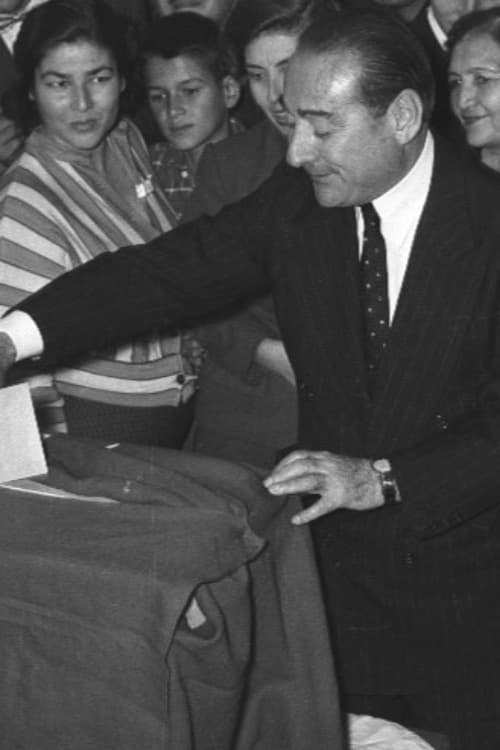
The spring of 1950 was also the spring of the multi-party regime in Turkey. A new 10 years, a new regime, a new government. The first test of democracy was beginning. The National Chief of the single-party period had returned to his Pink Mansion. The address of the opposition was clear now. When it comes to power... Power was shared by a tripartite trivet from the first day: DP Group in the Parliament. Celal Bayar in the Mansion and Adnan Menderes in the Prime Ministry..
Behind-the-scenes documentary about the making of Klaus Kinski's "Paganini".
Documentary satire about a project by Christoph Schlingensief: Ten years after his TV project "Talk 2000", Schlingensief started to work on a new talk show – at least that was what he claimed. But in reality, it was obvious that the pilot episodes he produced would never be broadcasted. Nevertheless, all celebrities from the political and cultural sphere, Schlingensief had requested, accepted his invitation, including the filmmaker Oskar Roehler, the televangelist Jürgen Fliege, the politician Claudia Roth, or the rapper Sido. It is beyond question, that the talk show panel took an unconventional course directly from the start – and was soon threatening to turn into an uproar.