Non-violent civil desobedience !
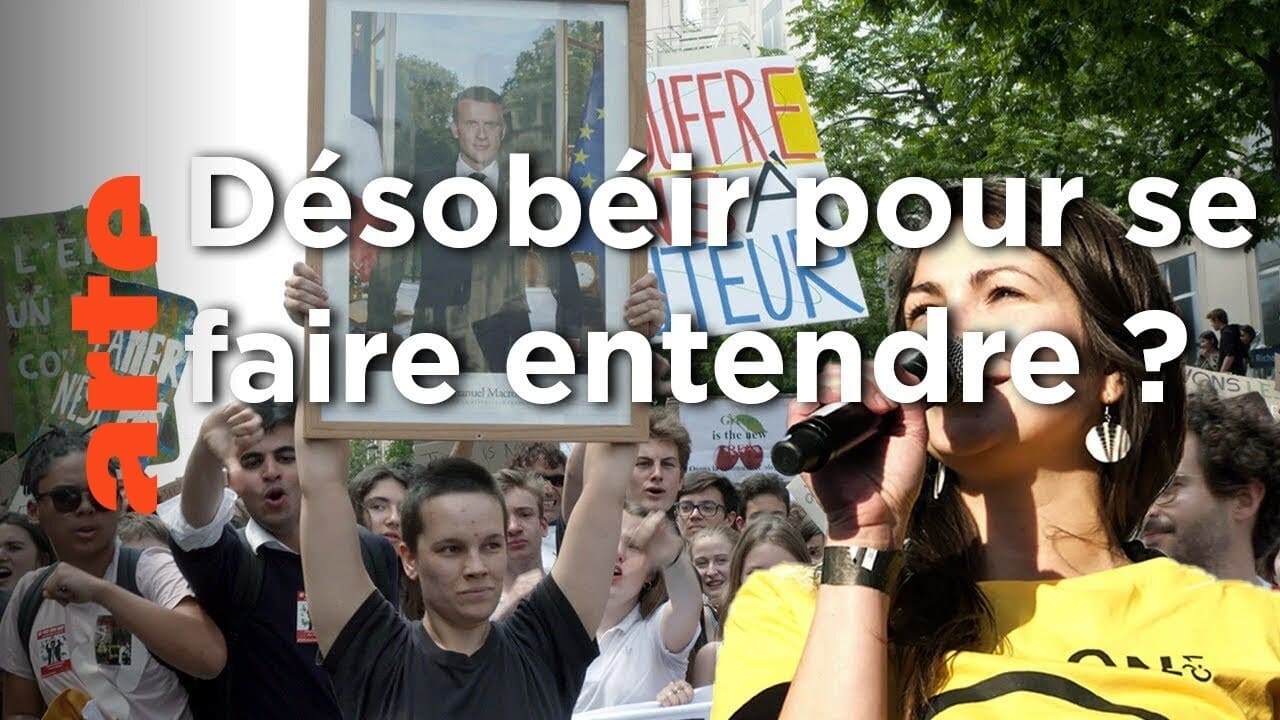
Facing the climate change urgency, a large part of the youth chose civil desobedience and action. The fascinating account, in immersion, of an unprecedented rallying.
No Trailers found.
(voice)
Taking place between two major climate conferences – COP26 Glasgow and COP27 Sharm el-Sheikh, Temperature Rising uncovers the barriers to climate action and calls loudly for movement building from below, at a time where the very survival of large numbers of people depends on what activists can get political leaders to do.
"The Hypocrite" delves into a critical discourse that is resonating with individuals across various spheres. In the context of climate advocacy, the film examines the inherent contradiction between personal actions and systemic efforts. The story is masterfully woven through the perspective of a professional skier, confronting the complex interplay between advocating for change and relying on fossil fuels for athletic pursuits. The film aspires to foster unity and collaboration within the outdoor community, transcending perceived hypocrisy and feelings of not fitting in. It aims to dismantle the culture of individual blame and guilt, focusing instead on the systemic shifts required to pave the way for a sustainable future. By erasing the boundaries that label individuals as hypocrites, the narrative invites viewers to recognize the urgent need for collective action and change.
An eye-opening documentary that asks the question: Are we going to let climate change destroy civilization, or will we act on technologies that can reverse it? Featuring never-before-seen solutions on the many ways we can reduce carbon in the atmosphere thus paving the way for temperatures to go down, saving civilization.
A look at the state of the global environment including visionary and practical solutions for restoring the planet's ecosystems. Featuring ongoing dialogues of experts from all over the world, including former Soviet Prime Minister Mikhail Gorbachev, renowned scientist Stephen Hawking, former head of the CIA R. James Woolse
An apocalyptic sound of roaring machines incessantly intrudes into the habitats of man and nature. Barren landscapes and deserted villages linger in hypnotic restlessness. A self-destructive system meets resistance.
It is a daring idea: to grow food from old mattresses in a desolate camp at the edge of a war zone. When a refugee scientist meets two quirky professors, they must confront their own catastrophes - and make a garden grow. Short film now streaming on Waterbear.com.
A decade after An Inconvenient Truth brought climate change into the heart of popular culture comes the riveting and rousing follow-up that shows just how close we are to a real energy revolution. Vice President Al Gore continues his tireless fight, traveling around the world training an army of climate champions and influencing international climate policy. Cameras follow him behind the scenes—in moments private and public, funny and poignant—as he pursues the empowering notion that while the stakes have never been higher, the perils of climate change can be overcome with human ingenuity and passion.
Upon realising her generation won’t have a future unless the world’s politicians act now on climate change, 15-year-old Greta Thunberg skipped school in August 2018 to protest outside the Swedish parliament. What started as a one person strike soon gained global momentum. We follow Greta and the organisers of the school strikes for climate as they are cementing a worldwide movement ahead of their first global protest that took place on March 15th, 2019. It was the biggest climate strike in history with up to 1.6 million students in more than 125 countries.
On September 30th, 2019; people rallied together to fight the system for climate change. This is the story of that rally, and the inevitable impact global warming will have on our planet.
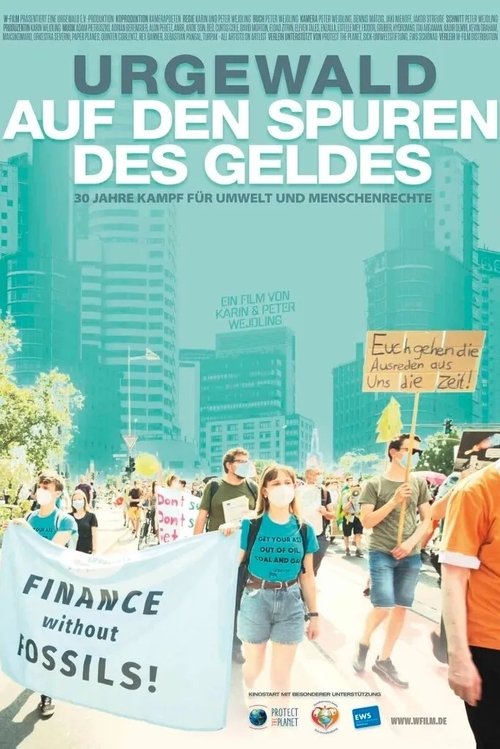
When nature is destroyed, climate targets are disregarded and human rights are violated, there is always a lot of money behind it. This is where urgewald comes in. Since 1992, the environmental and human rights organization has been revealing the sources of money behind destructive projects. Over 30 years ago, a handful of activists gathered around a table in a shared flat to form the basis of the organization. Since then, the small club in the Münsterland province has become a recognized, powerful organization.
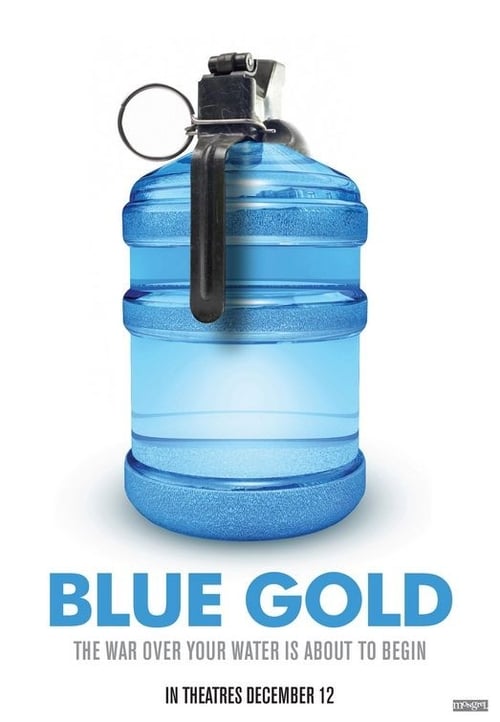
Wars of the future will be fought over water as they are over oil today, as the source of human survival enters the global marketplace and political arena. Corporate giants, private investors, and corrupt governments vie for control of our dwindling supply, prompting protests, lawsuits, and revolutions from citizens fighting for the right to survive.
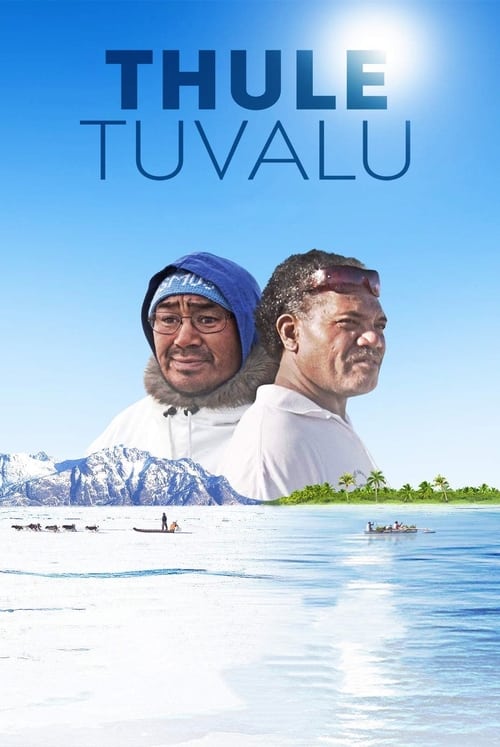
Thule, Greenland, also called Qaanaaqis, one of the northernmost towns in the world. As the climate warms and the ice caps begin to melt, the gentle balance of life for the people of this community is in jeopardy. On the other side of the globe, the melting ice caps are raising sea levels around the Polynesian island nation of Tuvalu, threatening to wipe the island right off the map. Though a world apart, these two communities are intricately connected as environmental balance begins to tip and traditional ways of life are threatened. 'ThuleTuvalu' is a stunning documentary addressing the high price of a hundred years of development and how two very different communities are now bound together in facing an uncertain future.
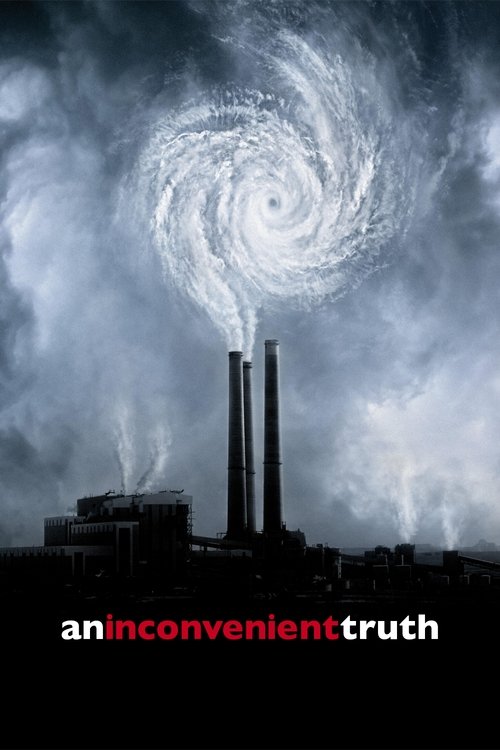
A documentary on Al Gore's campaign to make the issue of global warming a recognized problem worldwide.
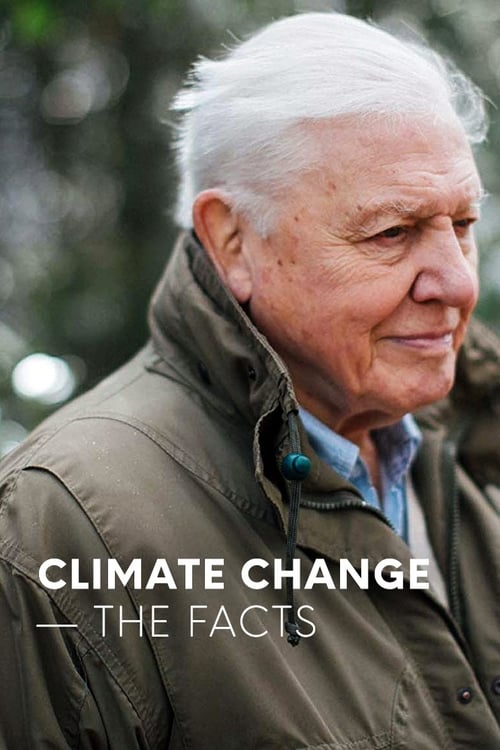
After one of the hottest years on record, Sir David Attenborough looks at the science of climate change and potential solutions to this global threat. Interviews with some of the world’s leading climate scientists explore recent extreme weather conditions such as unprecedented storms and catastrophic wildfires. They also reveal what dangerous levels of climate change could mean for both human populations and the natural world in the future.
In the summer of 2018, an unlikely group of citizens each took a stand against the systems that refused to acknowledge the global warming crisis. REBELLION reveals the moments that sparked a global movement. From 15-year-old Greta Thunberg's “School Strike for Climate” outside of the Swedish parliament, to Academy Award winning actress and activist Jane Fonda's multiple arrests following her participation in some of the biggest climate change protests in US history, the people’s resistance has been fierce. Through the streets of Delhi, and up the steps of Congress, REBELLION is the story of a generation marching in revolt.
The loss of biodiversity is highly alarming: our planet is currently experiencing the greatest extinction since the age of the dinosaurs. This film documents the extinction of species currently happening around the world. But it also highlights hopeful initiatives as committed men and women on every continent fight to save endangered species and work towards improving biodiversity.
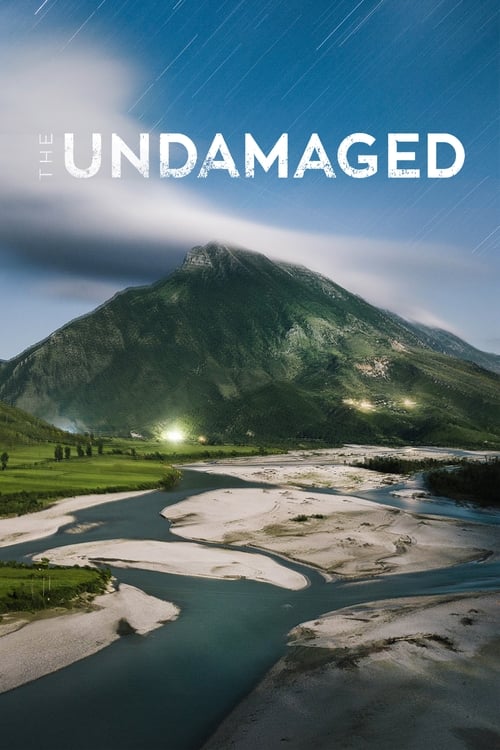
The Balkans cradles Europe's last wild rivers and supports abundant wildlife and healthy, intact ecosystems. These rivers are "The Undamaged" – clean, pristine, and undammed. With over 2,700 small and large hydro power plants planned or under construction in the Balkans, corruption and greed are destroying the last free-flowing rivers of Europe. Follow the Balkan Rivers Tour, a rowdy crew of whitewater kayakers, filmers, photographers and friends who decided to stand up for the rivers, travelling from Slovenia to Albania for 36 days, kayaking 23 rivers in 6 countries to protest the dams and show the world the secret wild rivers of the Balkans. The film honours everyday people and local activists who are fighting to defend rivers and aims to spread the word of the plight of these rivers, showing a new style of nature conservation that is fun, energetic and effective.
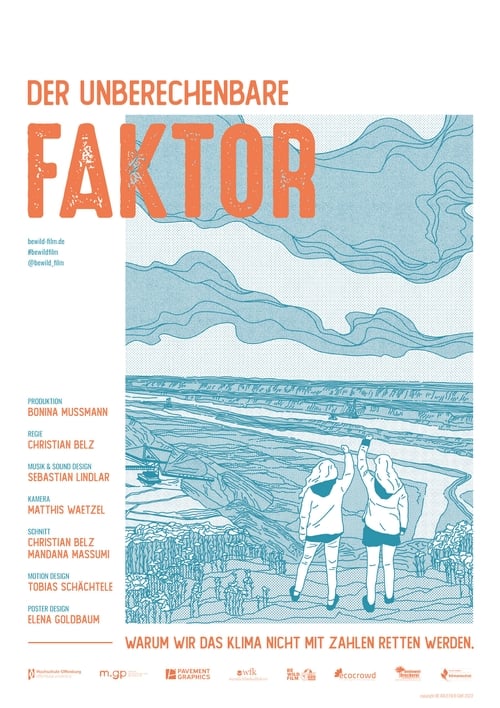
In today's climate debate, there is only one factor that cannot be calculated in climate models - humans. How can we nevertheless understand our role in the climate system and manage the crisis? Climate change is a complex global problem. Increasingly extreme weather events, rising sea levels, and more difficult living conditions - including for us humans - are already the order of the day. Global society has never faced such a complex challenge. For young people in particular, the frightening climate scenarios will be a reality in the future. For the global south, it is already today. To overcome this crisis, different perspectives are needed. "THE UNPREDICTABLE FACTOR" goes back to the origins of the German environmental movement, accompanies today's activists in the Rhineland in their fight against the coal industry and gives a voice to scientists from climate research, ethnology and psychology.
No overview available.
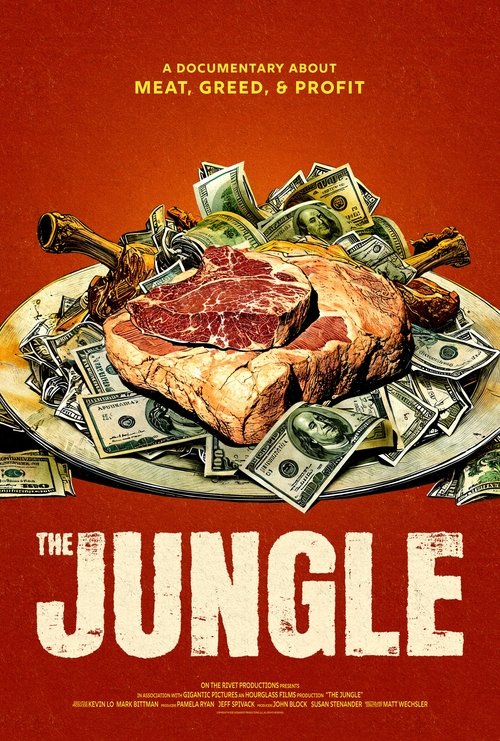
A modern-day take on Upton Sinclair's shocking 1906 novel, The Jungle unravels centuries of greed and exploitation in America’s meat industry and reveals how indigenous knowledge may hold the key to creating an equitable food system for both people and the planet. Featuring former New York Times food columnist Mark Bittman, the film chronicles generations of profit-driven conglomerates manipulating our food system, destroying ecosystems, and exacerbating climate change. Industry insiders detail the roadmap for today’s corporate dominance. Simultaneously, slaughterhouse laborers fight for justice against relentless worker abuse. Others, like Paige and Derrick Jackson, have lost trust in the system, radically changing their lives to raise their own food. Committed to rebuilding our perpetually broken meat industry, Minnesota farmer Reginaldo Haslett-Marroquin begins to graze his chickens using an indigenous technique. The effects are a revelation.