No Trailers found.
Himself
Herself
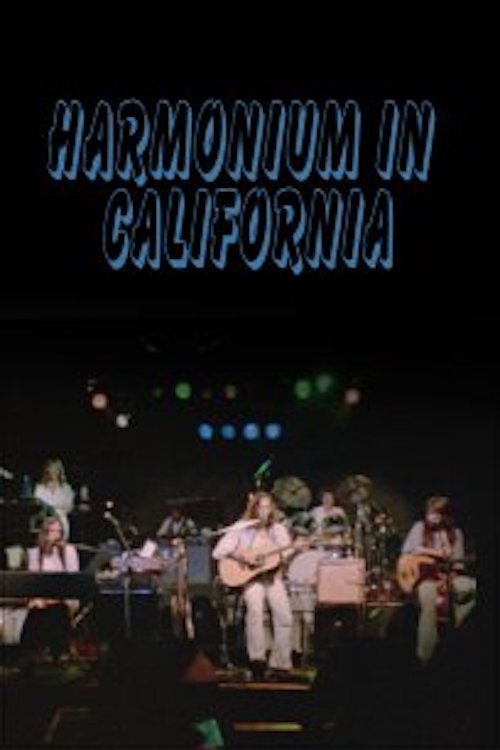
Through concerts and interviews, folk-progressive group Harmonium takes Quebec culture to California. This documentary full of colour and sound, filmed in California in 1978, recounts the ups and downs of the journey of the Quebec musical group Harmonium, who came to feel the pulse of Americans and see if culture, their culture, can succeed in crossing borders.
In an effort to understand where she came from, Fabiola asked a question that became the central phrase of the film: what would my life have been like if I'd stayed in Haiti? Taking as her starting point her biological mother's precarious economic situation, she had no choice but to entrust her daughter to her care. Fabiola could have ended up restavek, or in a loving foster family, or on the streets abandoned to her fate, or adopted abroad.
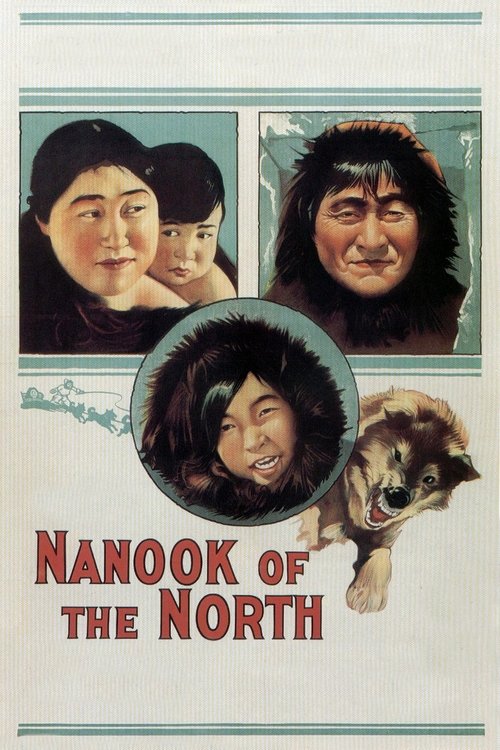
This pioneering documentary film depicts the lives of the indigenous Inuit people of Canada's northern Quebec region. Although the production contains some fictional elements, it vividly shows how its resourceful subjects survive in such a harsh climate, revealing how they construct their igloo homes and find food by hunting and fishing. The film also captures the beautiful, if unforgiving, frozen landscape of the Great White North, far removed from conventional civilization.
No overview available.
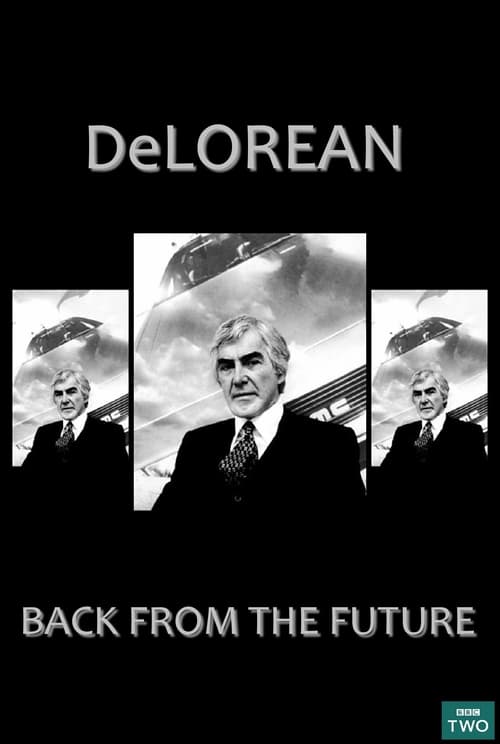
John Z DeLorean’s extraordinary and doomed attempt to build the sports car of the future in 1980s Northern Ireland is the stuff of legend. A buccaneering American entrepreneur, DeLorean had film star looks, a famous fashion model as a wife, and an enormous ego that drove him to rival the giants of the US car industry.
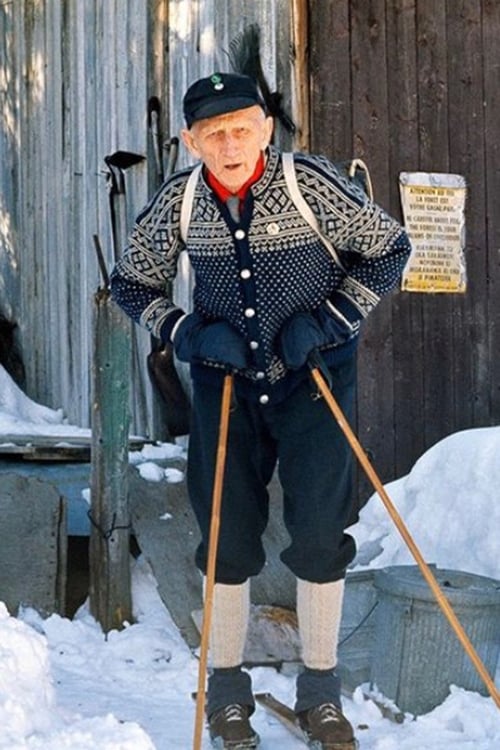
This short film retraces the life of Herman Smith Johannsen – the man who introduced the sport of cross-country skiing to Canadians. From past to present, his life story is portrayed through pictures from sports newsreels, Norwegian archives and his family album. The film catches up with him at both the Canadian Ski Marathon, where he is the honoured guest, and on a return trip to his native Norway.
Following multiple scandals surrounding Canada’s hockey infrastructure and its dishonest leaders, a generation of young athletes find themselves facing a moral dilemma. Frédérique describes her exit from the game.
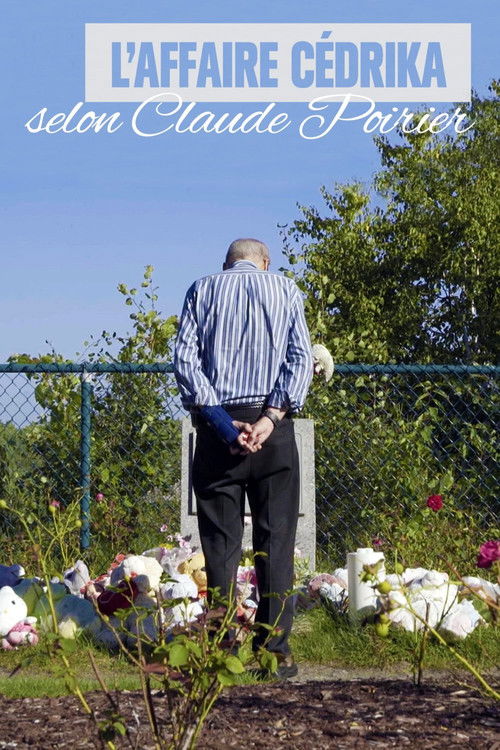
Nine years after the disappearance of Cédrika Provencher, Claude Poirier returns to the scene of the crime. With the help of lawyer Guy Bertrand, former minister Jacques Dupuis and witnesses of the events surrounding Cédrika's disappearance and the discovery of her skull, Poirier reveals all he knows about this sadly popular story.
On September 11, 2004, filmmaker Robert Morin shot Que Dieu bénisse l'Amérique, set on September 11, 2001. For artistic reasons, he decided to shoot the feature in a single day. Philippe Falardeau witnessed this tumultuous day, which ended tragically. At the same time, filmmaker Louis Bélanger criticizes Robert Morin's working methods.
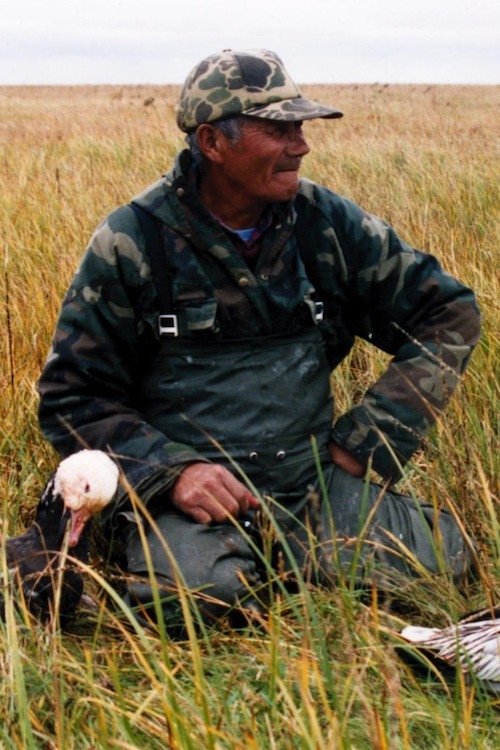
This documentary focuses on the goose hunt, a ritual of central importance to the Cree people of the James Bay coastal areas. Not only a source of food, the hunt is also used to transfer Cree culture, skills, and ethics to future generations. Filmmaker Paul M. Rickard invites us along with his own family on a fall goose hunt, so that we can share in the experience.
The TNO (Unorganized Territory) Lac-Boisbouscache is a 150 square kilometer public forest located in the Lower St. Lawrence region of Quebec, Canada. Through the eyes of the forest's residents and users, the film paints a portrait of a territory that has long been coveted by private groups with diverse interests. Boisbouscache is a story of dispossession based on current commercial uses combined with the absence of any political will.
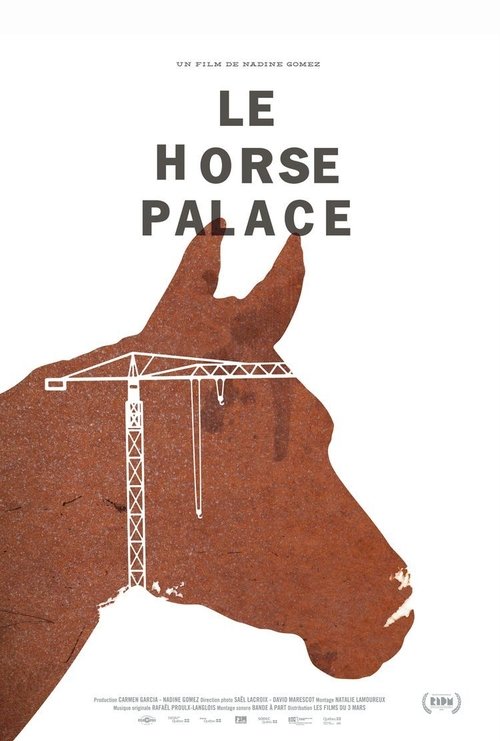
Once one of the most densely populated neighborhoods in the country, Griffintown (in the heart of Montreal) is now dotted with vacant lots and uninhabited areas. But just around the bend, at the end of a dirt alley, the sun still rises over the Horse Palace. Leo Leonard, its owner, stands alone, fragile, like the place that embodies his whole life. At 83, Leo, the last representative of the Irish community that founded the neighborhood, must resign himself to leaving the premises.
From the lower St. Lawrence, a picture of whale hunting that looks more like a round-up, with a corral, whale-boys and all. In 1534, when he stopped at the island he named l'Île-aux-Coudres, Jacques Cartier saw how the Indians captured the little white beluga whales by setting a fence of saplings into off-shore mud. In the film, the islanders show that the old method still works, thanks to the trusting 'sea-pigs,' the same old tide, and a little magic.