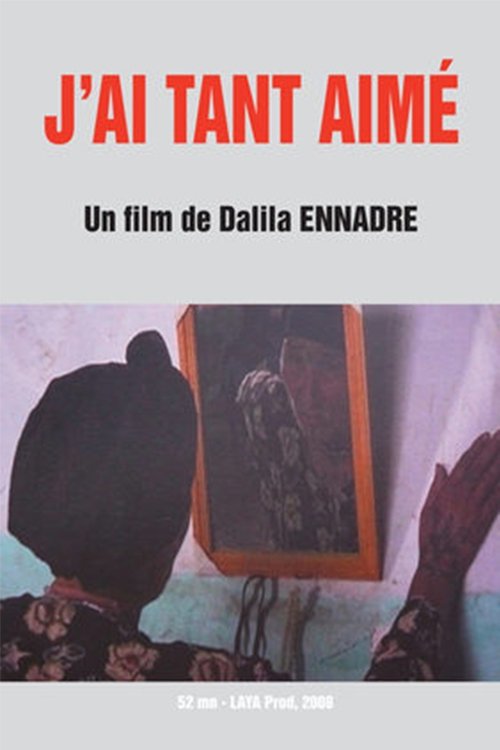
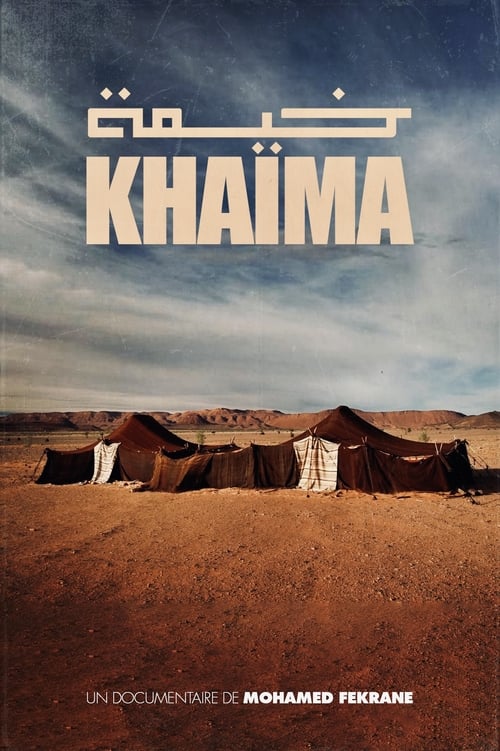
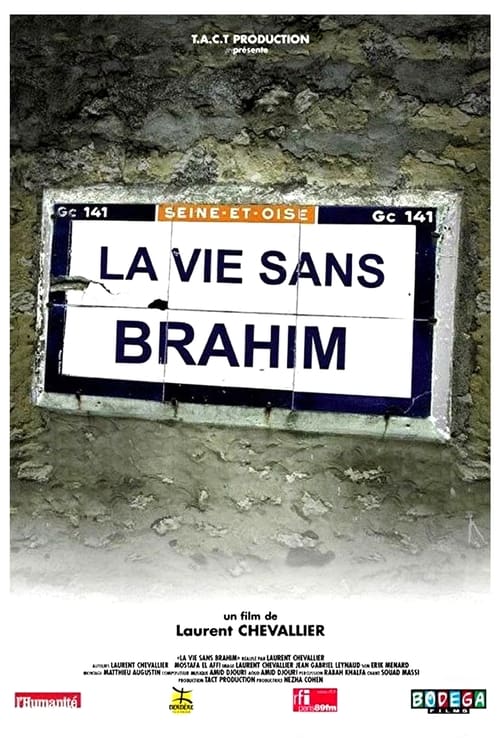
Fadma, 75, tells her life story including being recruited as a sex worker for the French army aged 20, and her views on love, parenthood, and destiny.
No Cast found.
No Trailers found.
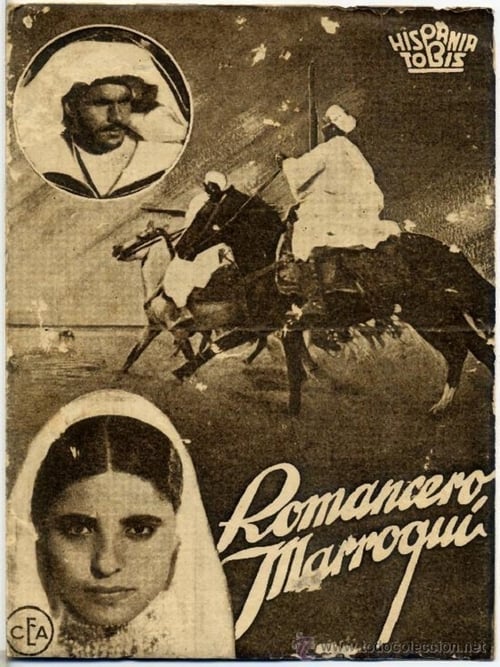
The young farmer Aalami leaves his family to find work elsewhere. He gets to know the country and its people, customs and traditions at Küste in North Africa: Market life in Tetuan, the art of craftsmanship, the life of the Moors, dances and festivities in honour of the caliph, white mosques, the call of the muezzin of the minaret and the music of the shepherd flutes. Aalami also follows Franco's call and flies from Morocco to Spain to fight at Bürgerkrieg. In the end Aalami comes back to his wife and children.
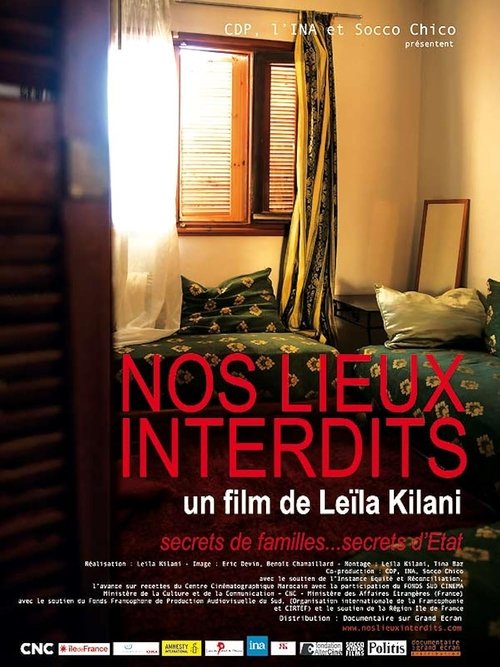
During the oppressive reign of Moroccan King Hassan II in the 70s and 80s (Years of Lead), many dissidents went missing. After the throning of a new king, a truth commission was formed in the 2000's. Families of the missing speak.
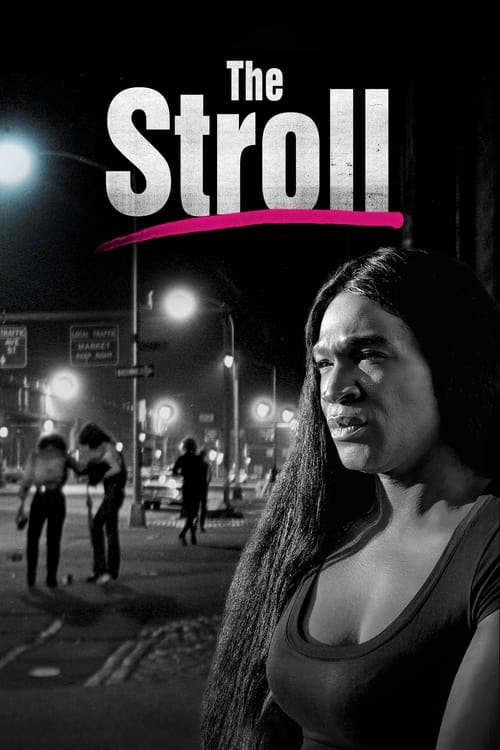
The history of New York’s Meatpacking District, told from the perspective of transgender sex workers who lived and worked there. Filmmaker Kristen Lovell, who walked “The Stroll” for a decade, reunites her community to recount the violence, policing, homelessness, and gentrification they overcame to build a movement for transgender rights.
No overview available.
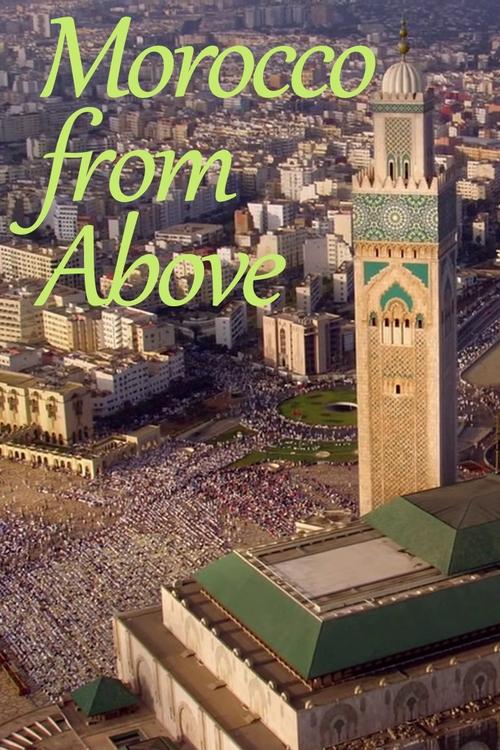
Yann Arthus-Bertrand flew over Morocco with his cameras and asked the journalist Ali Baddou to write and record the comment.
A feature documentary about the commercial sex industry on Guam.
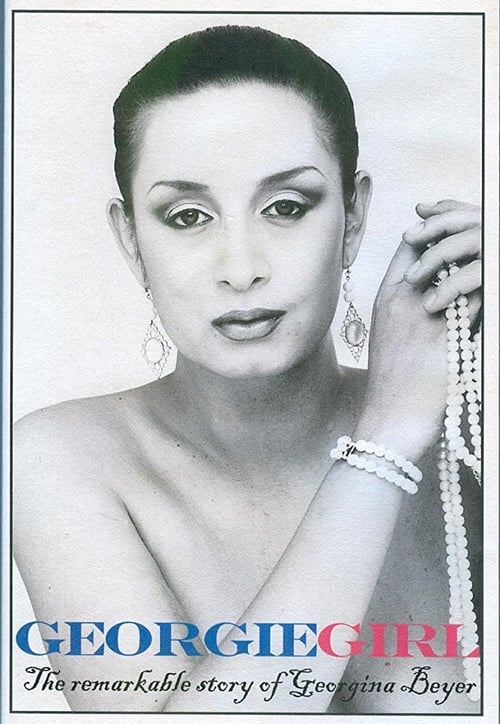
In 1999, the largely conservative Wairarapa district in New Zealand elected a former cabaret performer/actress named Georgina Beyer to the country's House of Parliament -- a seemingly unremarkable event in that country's history except for the fact that Beyer is a transsexual and may very well be the first transsexual in the world to be elected to a national office. In their 2002 biographical documentary Georgie Girl, co-directors Peter Wells and Annie Goldson highlight the popular Member of Parliament's rapid rise through local government to prominence in the New Zealand national government.
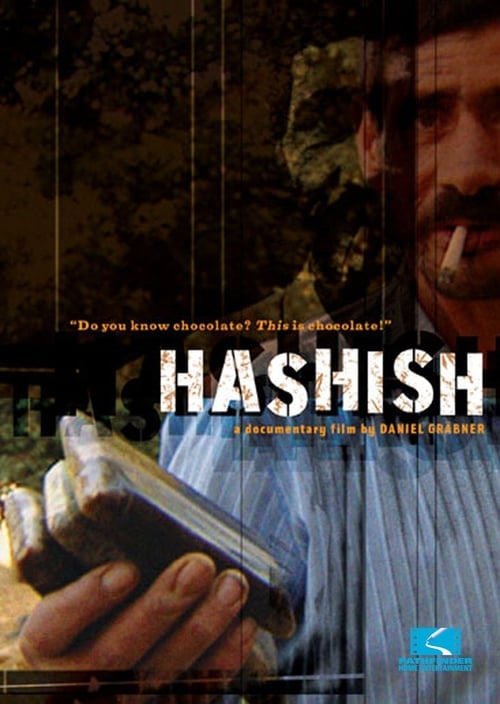
A small village high up in the mountains of Ketama, Northern Morocco. The life of the people here has been shaped by the drug hashish for centuries. Hashish as daily work, hash as exchange currency, hashish as business, hashish as basis and philosophy of a social system, hashish as medium for dreams and hashish as reason for stagnation.
British filmmaker Beeban Kidron ventures onto the mean streets of the South Bronx and other New York locales to examine the lives of those involved in the city's thriving sex industry.
On the border, the line as principle of property and belonging reaches an extreme dimension where it physically defines the sphere of its relations. Those who transgress it reconstruct these imaginary lines on a daily basis, redefining the traditional geography and occupying the non-spaces where others live in a temporary form of existence. These others, the non-citizens, are phantasmtic, exchangeable parts of a flexible market. Made invisible, they are permanently controlled persons. Under the pretext of a greater civilian security, they are kept clear from the public spaces reserved for the citizens with rights and pushed into non-public spaces, which are run by state and military surveillance, multinational operations servicing a European market and non-governmental organisations.
Celebrities are showing it all online and raking in fortunes. Join TMZ in examining Hollywood’s fascination with getting naked on the internet.
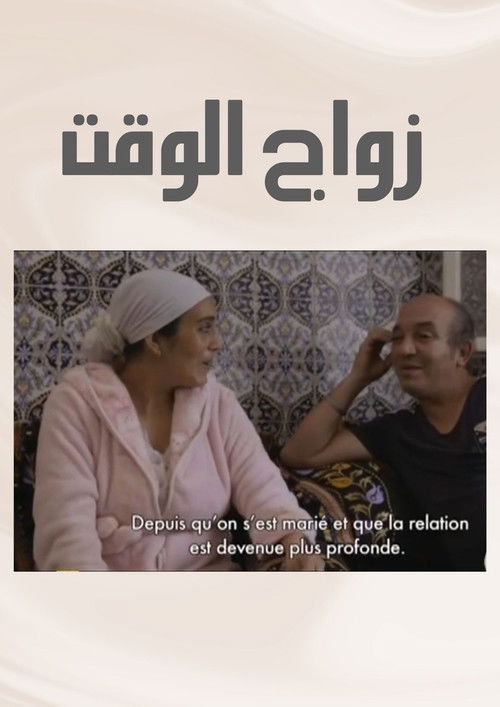
Zwaj El Waqt explores the themes of love and marriage in Morocco. Told through the testimonies of diverse couples, it tackles the issues of relationships, social media, control and sexuality in a conservative society that still struggles to discuss freely about those topics.
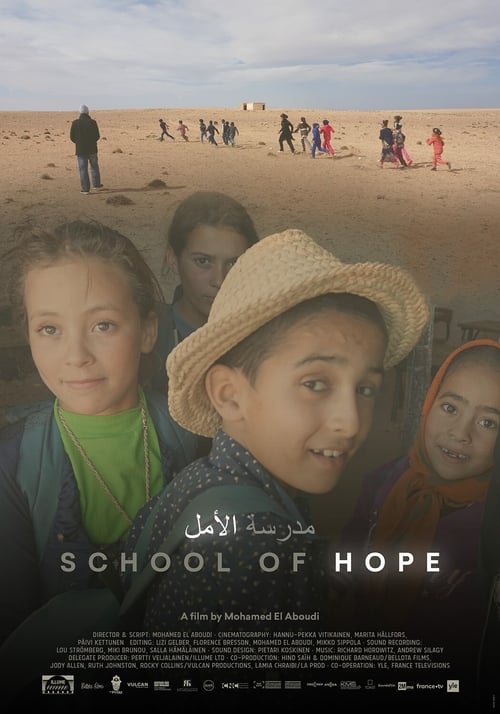
In the vast expanse of desert East of Atlas Mountains in Morocco, seasonal rain and snow once supported livestock, but now the drought seems to never end. Hardly a blade of grass can be seen, and families travel miles on foot to get water from a muddy hole in the ground. Yet the children willingly ride donkeys and bicycles or walk for miles across rocks to a "school of hope" built of clay. Following both the students and the teachers in the Oulad Boukais Tribe's community school for over three years, SCHOOL OF HOPE shows students Mohamed, Miloud, Fatima, and their classmates, responding with childish glee to the school's altruistic young teacher, Mohamed. Each child faces individual obstacles - supporting their aging parents; avoiding restrictions from relatives based on traditional gender roles - while their young teacher makes do in a house with no electricity or water.
A look behind the scenes of the Czech gay porn boom.
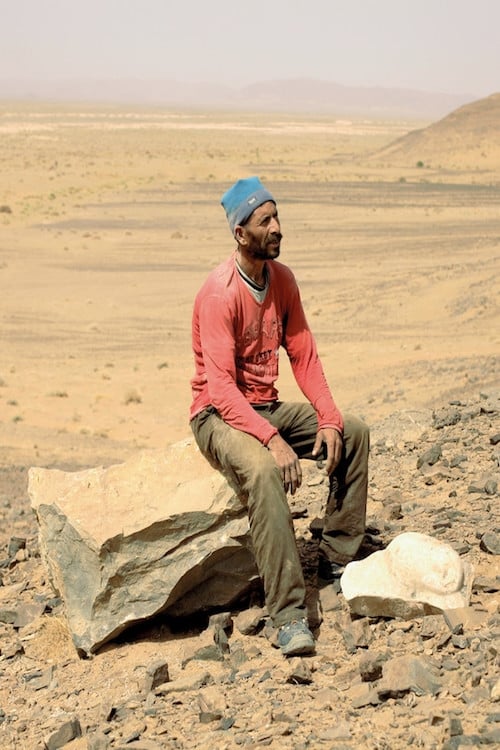
In the desert, a man extracts stones from a mountain and breaks them. In his perpetual labour, he meditates upon life and death.
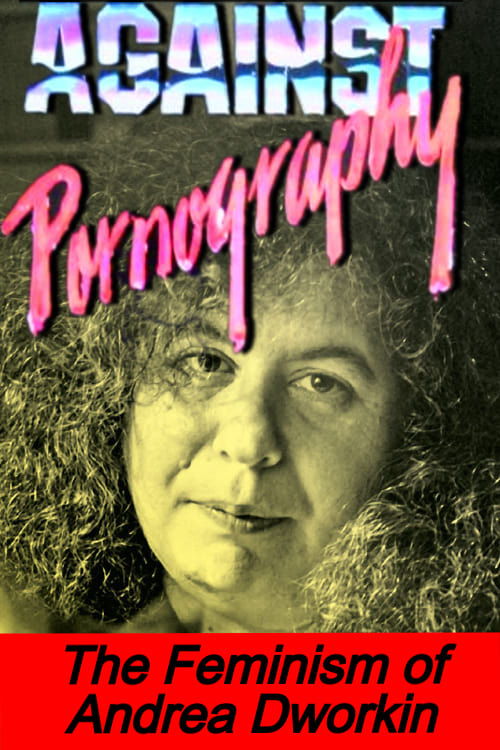
Radical feminist Andrea Dworkin's expose on the pornography industry.
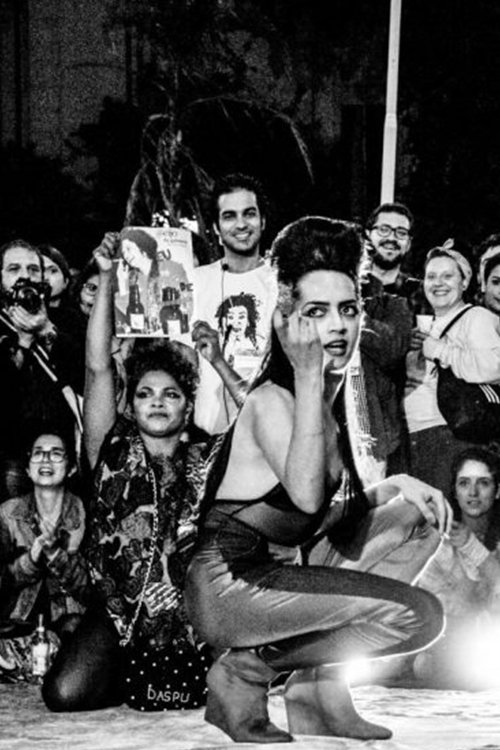
A group of prostitutes in Rio de Janeiro who fight to obtain rights and reduce stigma, create a clothing label that quickly invades Brazilian fashion shows. Poster photo by Daniela Pinheiro.
"Ni Coupables, ni victimes" ("Not Guilty, Not Victims") is a polyphonic conversation gathering the words of some of the protagonists at the European Conference on Sex Work, Human Rights, Labour and Migration, Brussels (2005). They speak of the complexity and nuances of the sex industry and their lives: the challenges and the struggles of being a sex worker in Europe today, the repressive policies affecting their lives, and the strategies of resistance enabling them to do their work, build their desires and plan their futures.