No Cast found.
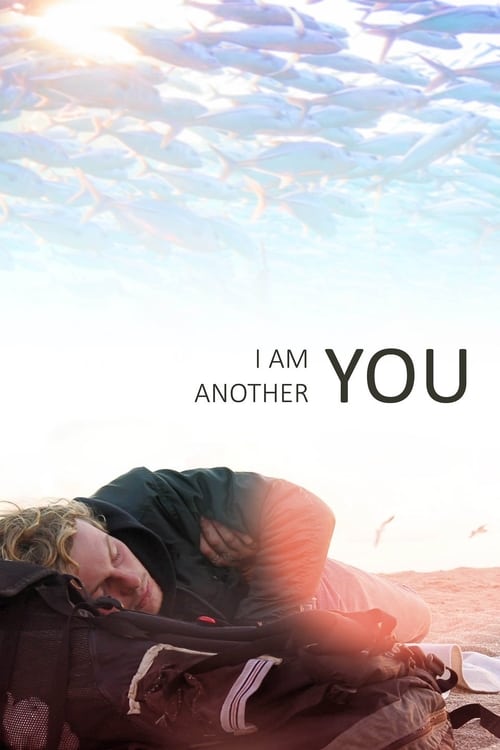
Through the eyes of a young drifter who rejects society's rules and intentionally chooses to live on the streets, Chinese filmmaker Nanfu Wang explores the meaning of personal freedom – and its limits.
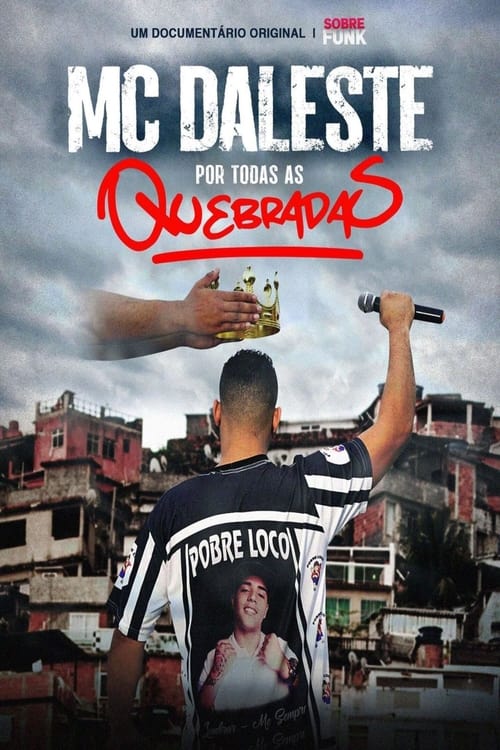
In the year that marks 10 years since MC Daleste's murder, Sobre Funk produced an exclusive documentary about the artist's history and impact on the Brazilian music scene.
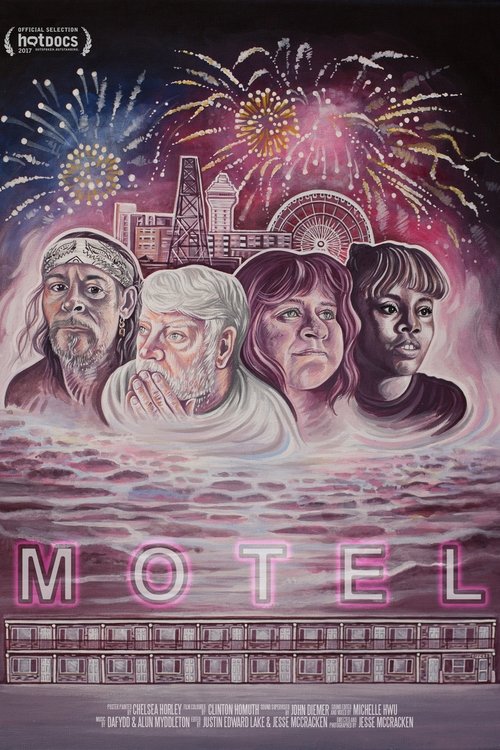
As Niagara Falls transformed from honeymoon capital of the world to Las Vegas North, corporate hotel chains and casinos cast a long shadow over the independent motels that once populated the town. The Continental survived the transition by converting its rooms into affordable housing units, becoming a home for those with few places to go. The night manager, Brian, once a freelance photographer who survived the horrors of war in Vietnam, shares his duties with his colleague Linda. Together they manage both the Continental and the individual struggles of its tenants, providing more than a roof over the heads of those who live under their supervision. Bringing a fresh focus to one of the most photographed places on Earth, director and cinematographer Jesse McCracken develops an intimate and caring portrait of the residents of this modest micro-community set against the backdrop of neon-lit tourist attractions.
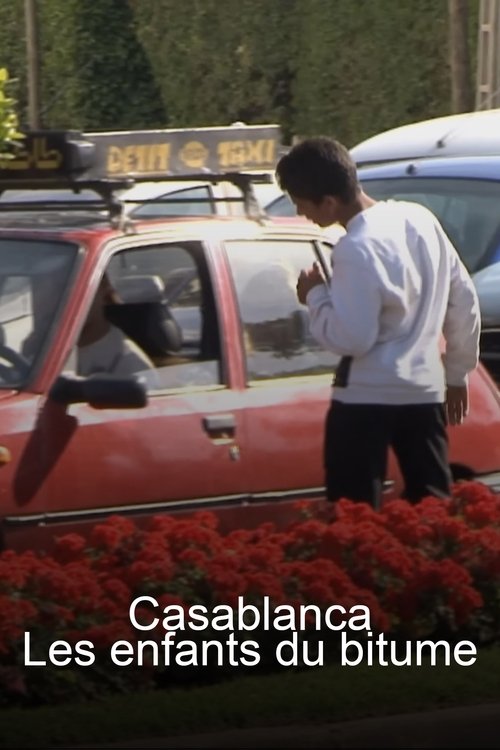
There are at least seven thousand children and adolescents wandering the streets of Morocco's economic capital. Sold by their parents, abused, beaten, or abandoned, they struggle to survive. Since 1995, the Bayti association has been fighting to reintegrate these sacrificed children and give them a second chance.
To do this documentary, the director Pedro Henrique Fávero featured 42 characters - among MCs, DJs and producers - to make a detailed map of its kind in the country. Without mincing words, they speak openly here about 8 topics proposed by the film and try to understand Hip Hop in Brazil. The result is a collection of stories from a lot of fighting, where there are many eternal start-end-start, overcoming the difficulties of being understood and feeling of belonging to a group and many clichés.
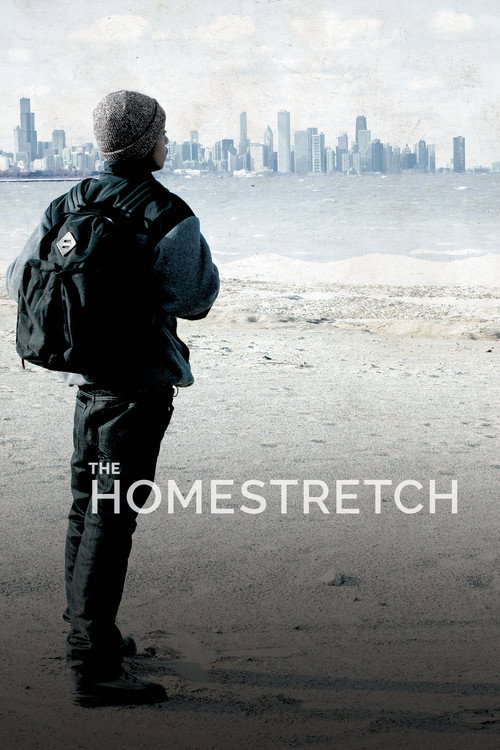
Three homeless teenagers brave Chicago winters, the pressures of high school, and life alone on the streets to build a brighter future.
It's a sensitive, moving doc chronicling the life of Tétrault's brother Philip , a Montreal poet, musician and diagnosed paranoid schizophrenic. A promising athlete as a child, Philip began experiencing mood swings in his early 20s. His extended family, including his daughter, share their conflicted feelings love, guilt, shame, anger with the camera. They want to make sure he's safe, but how much can they take?
No overview available.
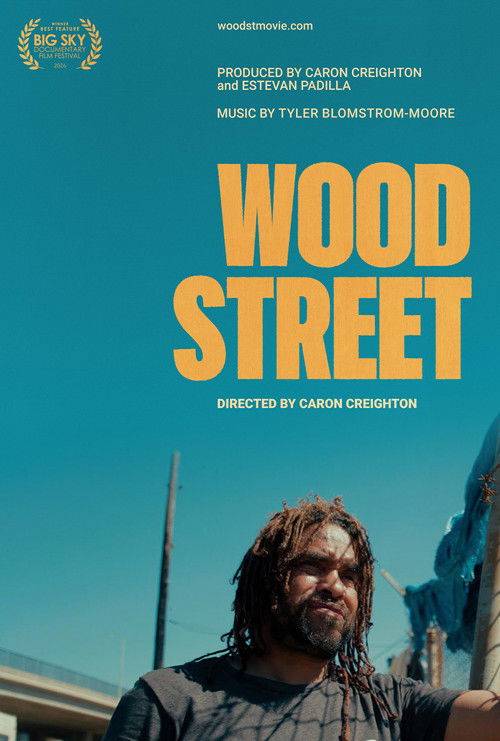
Two unhoused men turned community leaders— John and LaMonté —organize their neighbors in the face of displacement, addiction, and a failing social system.
For five years, Stephen McCoy documented street life in Boston. This is what he captured.
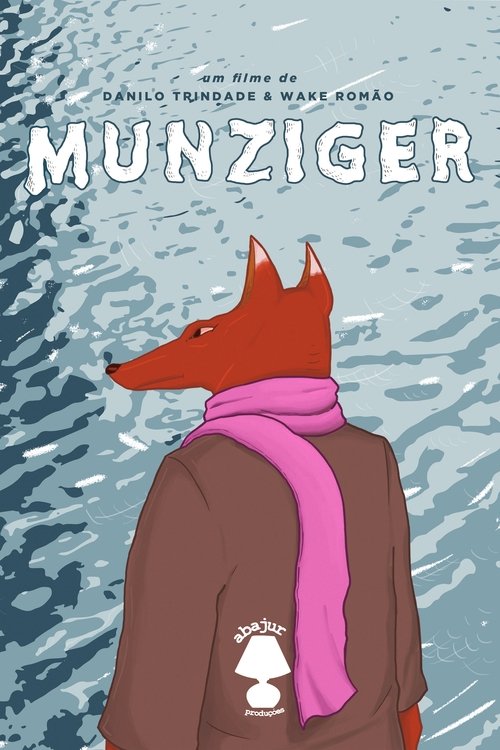
Cycling down the streets of São Paulo's West Zone, Munziger blindly follows his instincts.
A cinematic portrait of the homeless population who live permanently in the underground tunnels of New York City.
No Place to Grow Old is the first documentary to capture a growing crisis unfolding quietly across America: older adults aging into homelessness. Set in Portland, Oregon, this film follows the lives of three older adults navigating the harsh realities of life without a home. Through their stories of hardship and resilience, the film offers an intimate portrayal of their challenges while illuminating the systemic issues contributing to their plight. Featuring insights from local and national experts, No Place to Grow Old is a powerful call to action that emphasizes dignity and hope, envisioning a future where everyone, regardless of age, has a safe and secure place to call home.
A double story of music and companion; this documentary portraits two different and itinerant social bands.
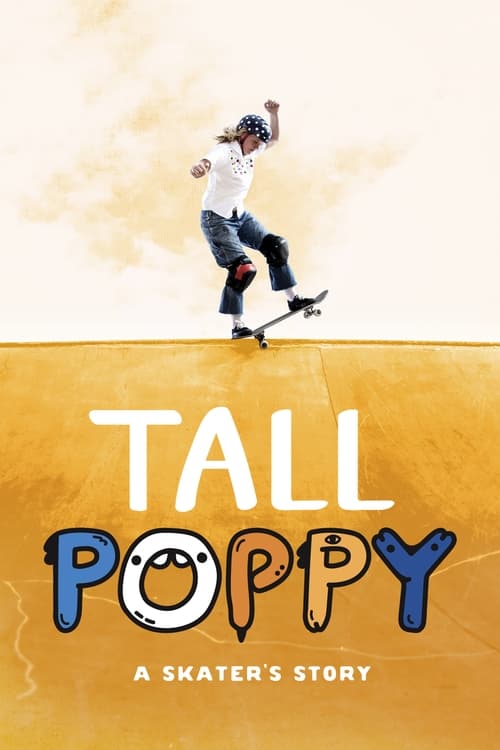
A child who just loved to skate from the age of eight, Poppy Starr Olsen became the number one female bowl skater in Australia at 14 and went on to take out bronze at the XGames at 17 - the ultimate competition in the world of skateboarding. The same year, skateboarding was announced as an official additional sport category at the Tokyo 2020 Olympics. Now faced with the opportunity to represent Australia on the world stage Poppy grapples with the transition from skater to athlete and the pressure of competition mounts in a way it has never done before.
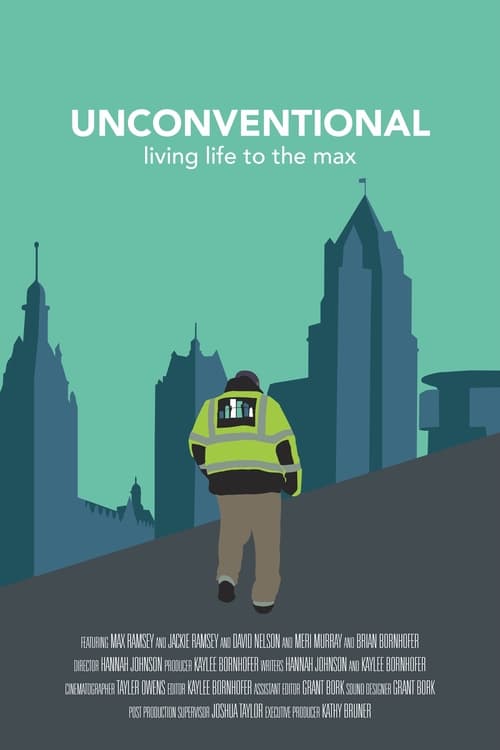
Max Ramsey, an advocate for those experiencing poverty, uses what he has gone through to serve the impoverished community of Milwaukee despite internal struggles and disapproval from the city.
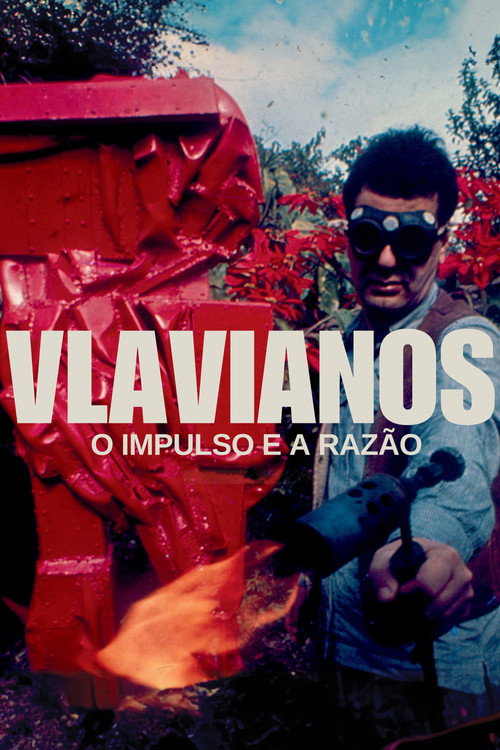
The documentary follows Nicolas Vlavianos (1929-2022), a renowned sculptor, in the final years of his life. It captures the moment — when he is around 90 years old — that he returns to an old drawer, tries to pick up his tools, and realizes he no longer has the strength to hold them. That simple gesture becomes the symbolic trigger: the end of his long creative cycle and the beginning of a farewell to his art. From there, the film documents the dismantling of Vlavianos’s studio and workspace, and the gradual process of his withdrawal from physical creation. It’s not just a retrospective of works: it’s a portrait of decline, memory, mortality, and legacy.
Homelessness in the United States takes many forms. For Elizabeth Herrera, David Lima and their four children, housing instability has meant moving between unsafe apartments, motels, relatives’ couches, shelters, the streets and their car. After 15 years of this uncertainty, the family moved into their first stable housing — an apartment in the San Francisco Bay Area — in the midst of the coronavirus pandemic.
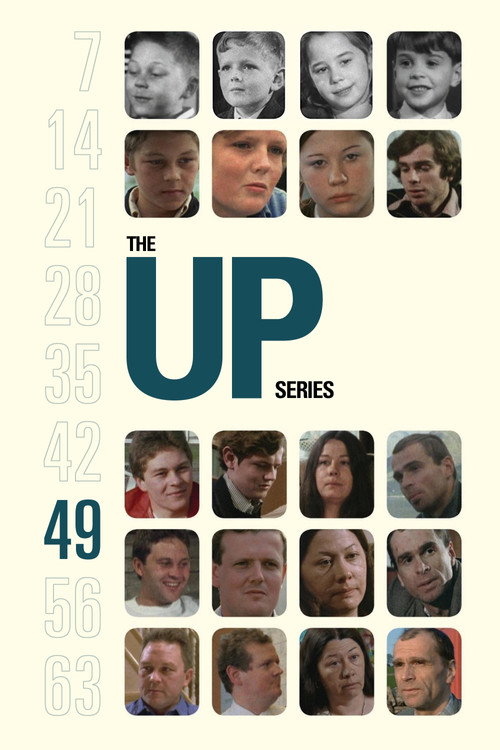
49 Up is the seventh film in a series of landmark documentaries that began 42 years ago when UK-based Granada's World in Action team, inspired by the Jesuit maxim "Give me the child until he is seven and I will give you the man," interviewed a diverse group of seven-year-old children from all over England, asking them about their lives and their dreams for the future. Michael Apted, a researcher for the original film, has returned to interview the "children" every seven years since, at ages 14, 21, 28, 35, 42 and now again at age 49.In this latest chapter, more life-changing decisions are revealed, more shocking announcements made and more of the original group take part than ever before, speaking out on a variety of subjects including love, marriage, career, class and prejudice.
No Trailers found.