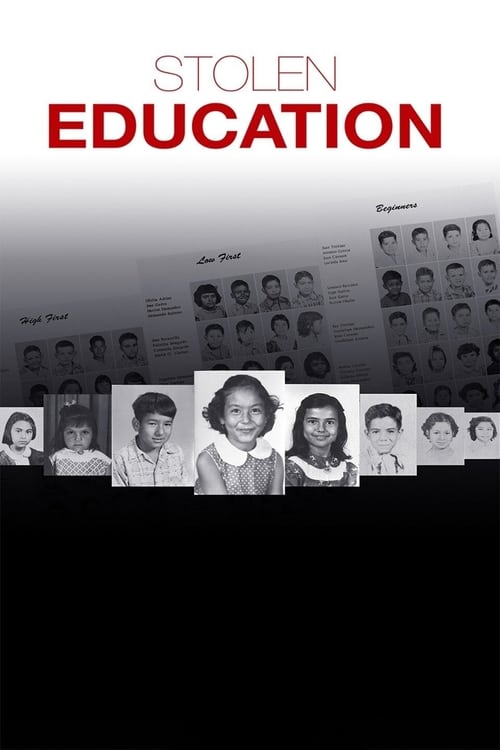
"Stolen Education" documents the untold story of Mexican-American school children who challenged discrimination in Texas schools in the 1950s and changed the face of education in the Southwest.
No Cast found.
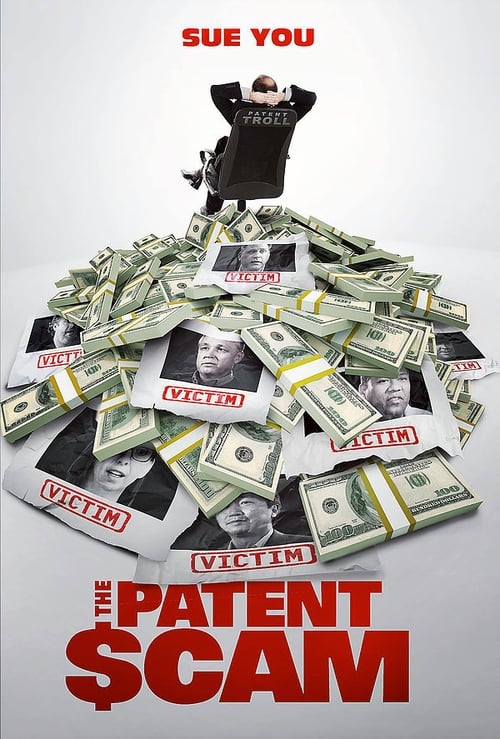
The corruption runs deeper than you'd ever imagine. A multi-billion dollar industry you've never heard of. This is the world Patent Trolls thrive in: A world created for them by our own U. S. Patent system. You can be sued for clicking on a hyperlink, using your own scanner, or sharing your Wi-Fi! It sounds insane, but the reality is even crazier. Patent Trolls look for obvious ideas, patent them, and then sue anyone they claim is infringing on their idea. People's lives and businesses are being destroyed.. and they have no way out. “The Patent Scam” exposes the underbelly of this system, and the people that commit this practice.
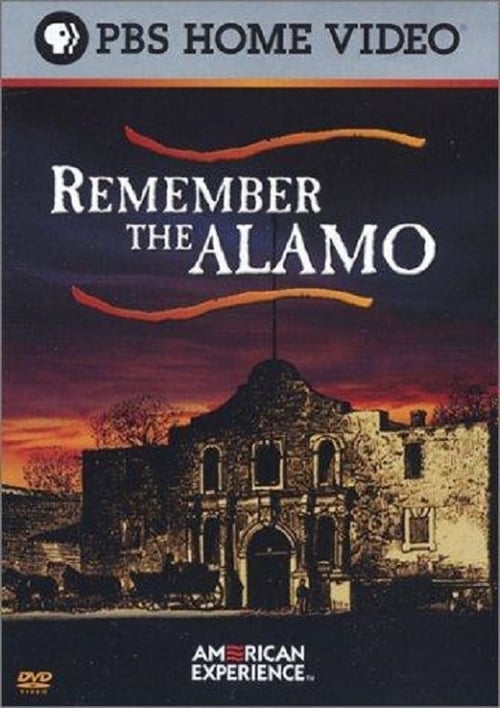
In the early 1830s Texas was about to explode. Although ruled by Mexico, the region was home to more than 20,000 U.S. settlers agitated by what they saw as restrictive Mexican policies. Mexican officials, concerned with illegal trading and immigration, were prepared to fight hard to keep the province under their control. Caught in the middle were the area's 4,000 Mexican Texans or Tejanos. With war on the horizon, the Tejanos had to pick a side. Many chose to fight with their Anglo neighbors against an army sent by Mexico City. The conflict pitted brother against brother and devastated the community. The Tejano gamble for a more prosperous future in an independent Texas proved tragic. Following the revolution, the Tejanos were overwhelmed by a surge of Anglo immigration -- leaving them foreigners in a land they had fought to defend.
The film looks at men and women of color in the U.S. Merchant Marine from 1938-1975. Through chronicling the lives of these men and women who, with a median age of 82, are beset with a host of life-threatening illnesses, the movie tells how they navigated issues of racism, disparities in the workplace, gender and familial relations.
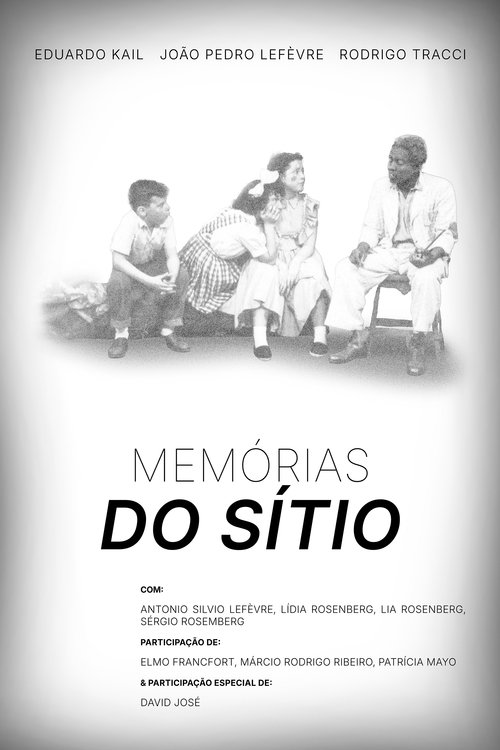
In 1952, TV Tupi, Brazil's first television channel, invited psychiatrist Júlio Gouveia and his wife, Russian writer Tatiana Belinky, to develop the network’s children's programming. The couple then asked the sons and daughters of their friends to join the cast of the newly created shows, the most prominent of which was Sítio do Picapau Amarelo. And so, Antonio Silvio, Lia, Lídia, Sérgio, and David José embarked on an unexpected journey that would come to shape the future of Brazilian television. Memories of the Sítio is a trip through the personal recollections of these actors and the story of the first television adaptation of Monteiro Lobato’s work.
Best friends Silvia and Beba record their lives as they dance, make music, and face an uncertain immigration process in Texas near the Mexican border.
Germán Cipriano Gómez Valdés Castillo, a young radio announcer from Cuidad Juárez, succeeds in drawing attention to the pachuco movement through his character Tin Tan, laying the groundwork for a new form of binational and mass linguistic expression: Spanglish. He soon became a leading figure in theater and film on the American Continent. Singled out by critics as a destroyer of the language, he quickly won the approval of the public. His ability to improvise revolutionized the film industry. His talent as an actor, singer, dancer and comedian contributed to the Golden Age of Mexican Cinema. From El Hijo Desobediente to Capitán Mantarraya, from Cuidad Juárez to Havana, from mambo to rock, the legacy of Tin Tan makes him one of the great icons of Mexico today. This film tells his story as it has never been told before.
A year in the life of an underdog competitive high school mariachi band in the Texas borderlands.
7-year-old Sasha has always known that she is a girl. Sasha’s family has recently accepted her gender identity, embracing their daughter for who she truly is while working to confront outdated norms and find affirmation in a small community of rural France.
A sociopolitical historical documentary-thriller about the international decline of communism and the 1956 Hungarian Revolution.
No overview available.
A box found in an abandoned storage unit unearths a time capsule of correspondences from a forgotten era: the underground drag scene in 1950s New York City. Firsthand accounts and newly discovered footage help cast a long overdue spotlight on the unsung pioneers of drag.
For the last half century, the little town of Luling, Texas has held an annual Watermelon Thump Festival – and its own world championship watermelon seed spitting competition. This short documentary is about both the contest and the chief seed spitting judge, Phil, an underemployed, over-stimulated, former expatriate, who’s come home after years abroad in Europe.
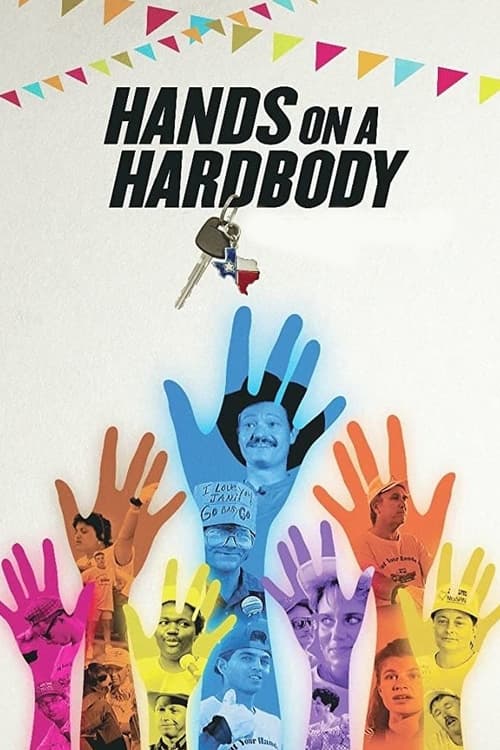
Filmmaker S.R. Bindler profiles Texas contestants trying to win a truck by keeping one hand on it longer than everyone else.
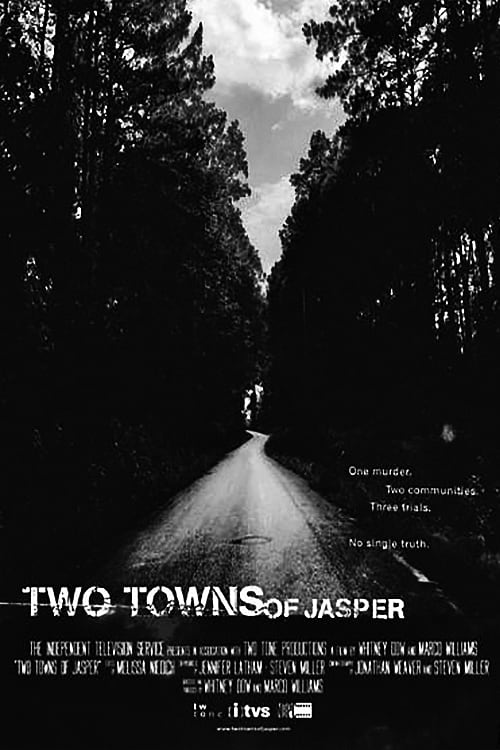
Using two separate filmmaking teams (an all-white crew filming white residents and an all-black camera crew filming black residents), TWO TOWNS OF JASPER captures very different racial views by townsfolk in Jasper, Texas, the location for a racially motivated murder of an African American man in 1998.
The animated short film tells the moving story of the resistance and bravery of Alfreda Noncia Markowska, a young Roma woman from Poland who saved the lives of around fifty children and young adults during the Second World War.
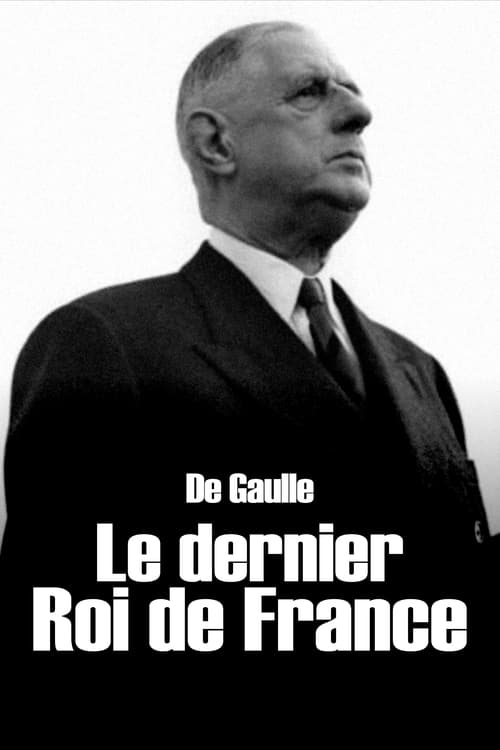
Charles de Gaulle, the first president (1958-1969) of the Vth Republic, France’s current system of government, left his mark on the country . He was statesman of action and has been compared to a monarch. This film depicts the general’s personality through the great events of his presidential term, at a time when the world was undergoing considerable changes.
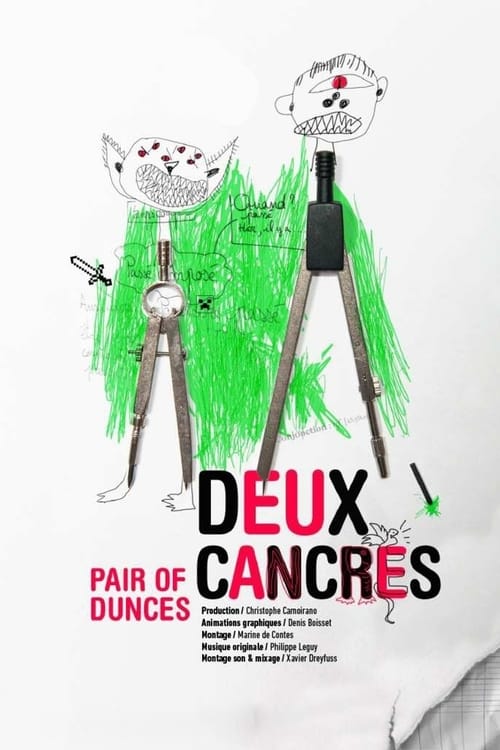
A father films the daily efforts and struggle of his son to do his homework. Completing the school tasks is an agony that oppresses the creative passion of a restless, imaginative boy. His father gets deeply involved so he can understand what the problem is, and spends an hour every day to help him with his homework. Days, weeks, years go by, and we observe how the eagerness to learn clashes with the ghost of school dropout. The endearing relationship between father and son, a real rollercoaster of emotions, reveals with a sense of humour the contradictions in the French education system.
Filmmaker Jonathan Caouette's documentary on growing up with his schizophrenic mother -- a mixture of snapshots, Super-8, answering machine messages, video diaries, early short films, and more -- culled from 19 years of his life.
A roller-coaster ride through the history of American exploitation films, ranging from Roger Corman's sci-fi and horror monster movies, 1960s beach movies, H.G. Lewis' gore-fests, William Castle's schlocky theatrical gimmicks, to 1970s blaxploitation, pre-"Deep Throat" sex tease films, Russ Meyer's bosom-heavy masterpieces, etc, etc. Over 25 interviews of the greatest purveyors of weird films of all kind from 1940 to 1975. Illustrated with dozens of films clips, trailers, extra footage, etc. This documentary as a shorter companion piece focusing on exploitation king David F. Friedman.
No Trailers found.