Narradora (voz)
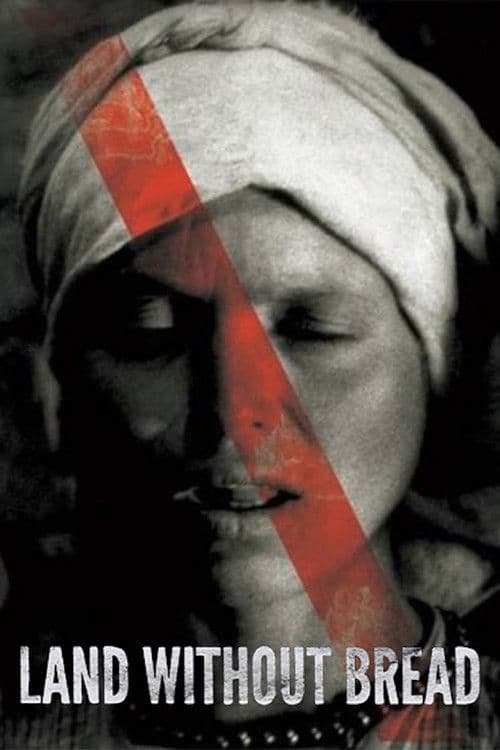
An exploration —manipulated and staged— of life in Las Hurdes, in the province of Cáceres, in Extremadura, Spain, as it was in 1932. Insalubrity, misery and lack of opportunities provoke the emigration of young people and the solitude of those who remain in the desolation of one of the poorest and least developed Spanish regions at that time.
Images complement what is always lacking in words. The poems complement what is always present in the city. Freely inspired by the poetry Cidade City Cité, by Augusto de Campos.
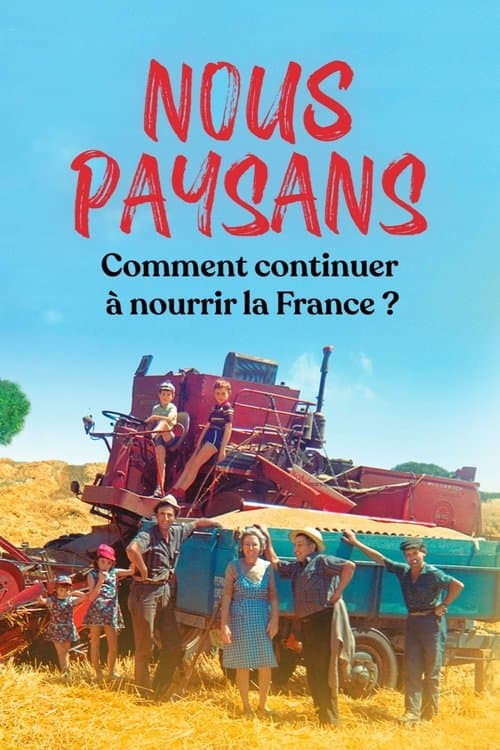
In barely a century, French peasants have seen their world profoundly turned upside down. While they once made up the vast majority of the country, today they are only a tiny minority and are faced with an immense challenge: to continue to feed France. From the figure of the simple tenant farmer described by Emile Guillaumin at the beginning of the 20th century to the heavy toll paid by peasants during the Great War, from the beginnings of mechanization in the inter-war period to the ambivalent figure of the peasant under the Occupation, From the unbridled race to industrialization in post-war France to the realization that it is now necessary to rethink the agricultural model and invent the agriculture of tomorrow, the film looks back at the long march of French peasants.
A crew of filmmakers shoot undercover on the streets of Hong Kong with hidden microphones and no permits. The city becomes a giant set as mounting tension and ego clashes push tempers to breaking point.
In French Polynesia, transgender people evolve with apparent fluidity in all components of society. Their presence, observed as early as the 18th century by Western travelers and missionaries, has never ceased to intrigue and fascinate, producing over time numerous myths that the transgender women and men of Polynesia are today attempting to deconstruct. Through a series of luminous and intimate portraits, this documentary gives them a voice and proposes a rereading of gender issues in the light of Oceanian thought: an obvious enrichment.
BROTHERS AT WAR is an intimate portrait of an American family during a turbulent time. Jake Rademacher sets out to understand the experience, sacrifice, and motivation of his two brothers serving in Iraq. The film follows Jake’s exploits as he risks everything—including his life—to tell his brothers’ story.
An indictment of closeted politicians who lobby for anti-gay legislation in the US.
As a decades-old state-run aeronautics munitions factory in downtown Chengdu, China is being torn down for the construction of the titular luxury apartment complex, director Jia Zhangke interviews various people affiliated with it about their experiences.
In 1959, Berry Gordy Jr. gathered the best musicians from Detroit's thriving jazz and blues scene to begin cutting songs for his new record company. Over a fourteen year period they were the heartbeat on every hit from Motown's Detroit era. By the end of their phenomenal run, this unheralded group of musicians had played on more number ones hits than the Beach Boys, the Rolling Stones, Elvis and the Beatles combined - which makes them the greatest hit machine in the history of popular music. They called themselves the Funk Brothers. Forty-one years after they played their first note on a Motown record and three decades since they were all together, the Funk Brothers reunited back in Detroit to play their music and tell their unforgettable story, with the help of archival footage, still photos, narration, interviews, re-creation scenes, 20 Motown master tracks, and twelve new live performances of Motown classics with the Brothers backing up contemporary performers.
No overview available.
A documentary on the life of the youth in post-Independence India.
« Steel running through our veins » immerses us in the world of Liège's steelworkers, revealing an exceptional industrial and human saga. This captivating documentary explores the destinies forged by iron and fire through personal testimonies and previously unseen archives spanning 50 years. It highlights the social struggles and resilience of a community in the face of economic challenges. More than just a reflection on the past, this essential film questions our present and future, emphasizing the importance of solidarity and collective memory.
Every year, five to ten percent of all deceased Berliners are buried by the authorities because no relatives are found. Most of them are put into the ground by mortician Bernd Simon going alone. But sometimes companions do turn up and say goodbye in their very own way. An observational documentary about an undertaker who actually wanted to become an entertainer, a bizarre city portrait and a mirror of how we deal with death, mourning and commemoration.
'Do you feel cheaper?' We are filming young Lithuanian men working in Sweden. They do not want to be caught on camera, they do not want to participate in creating yet another media image of guilt and pity. They film us. We empty a bottle of moonshine, we dance on their porch. They might let us film them tomorrow. Second Class is a time document about class, respect, the value of work and human being.
Filmmaker Alain Resnais documents the atrocities behind the walls of Hitler's concentration camps.
Guy Debord's analysis of a consumer society.
Scientist Mark Plotkin races against time to save the ancient healing knowledge of Indian tribes from extinction.
Roman Kemp: Our Silent Emergency is a deeply personal and candid film following Roman as he explores the mental health and suicide crisis affecting young men in the UK.
Atmosphere concert and tour footage following the release of the album God Loves Ugly.
No Trailers found.