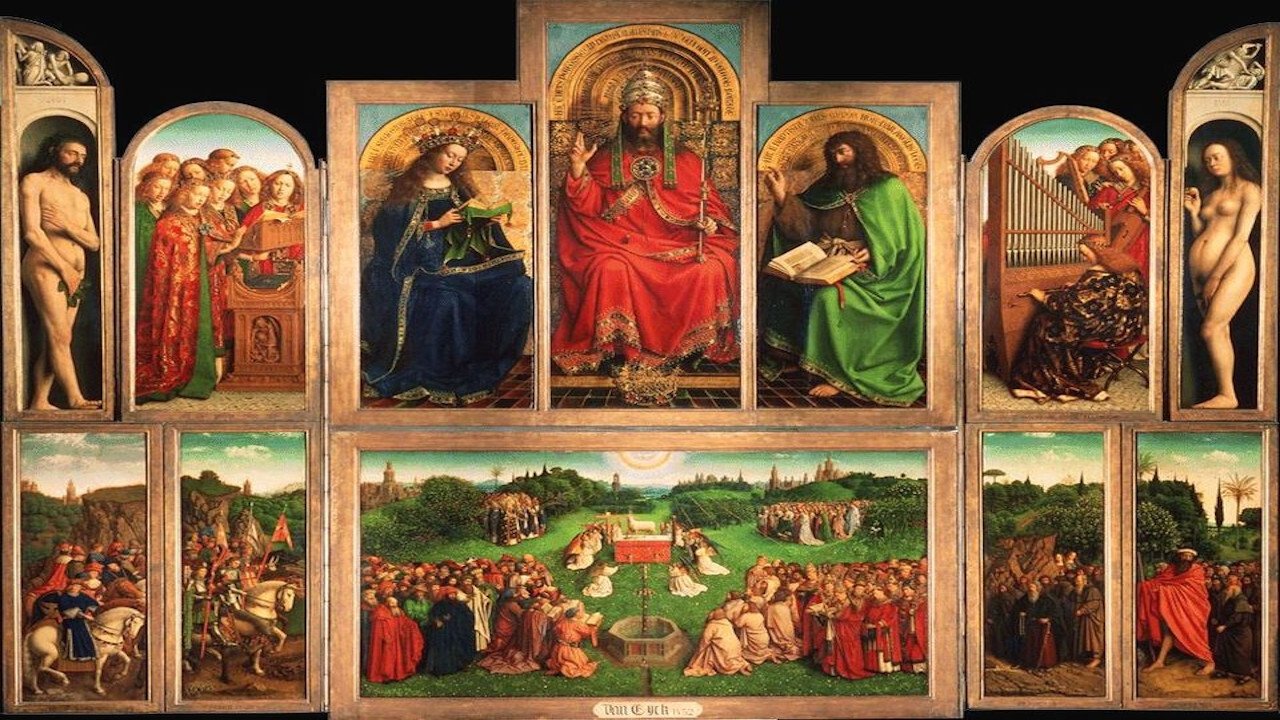
A documentary about the "The Mystic Lamb" painted at the beginning of the 15th century by the Van Eyck brothers.
No Trailers found.
No Cast found.
How the art in the Detroit Institute of Art connects to life's experiences and the neighborhood.
A documentary made for Konrad Mägi exhibition "The Light of the North" in Torino, Musei Reali (2019-2020), about Mägi's life and his legacy.
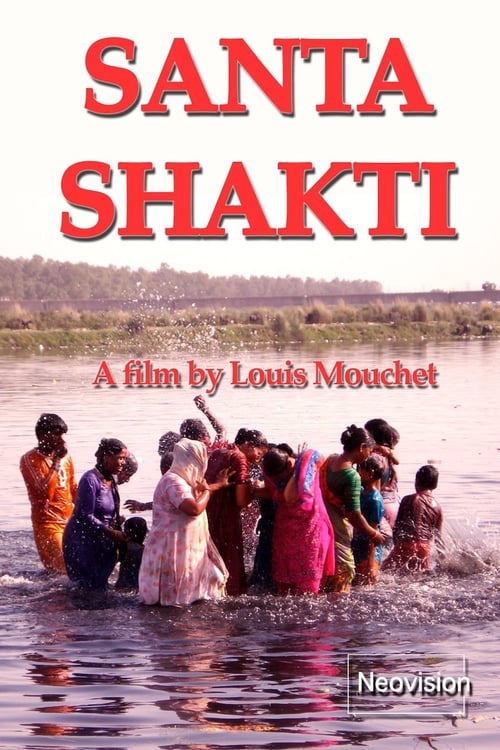
By drawing a parallel between the Indian Durga Puja festival and other forms of celebrating the divine feminine, Santa Shakti reveals the Sacred Power beyond languages and religions.
A documentary by Olivier Gonard, shot partly in Paris’s Musée d’Orsay, that examines Olivier Assayas' film Summer Hours, and its approach to art.
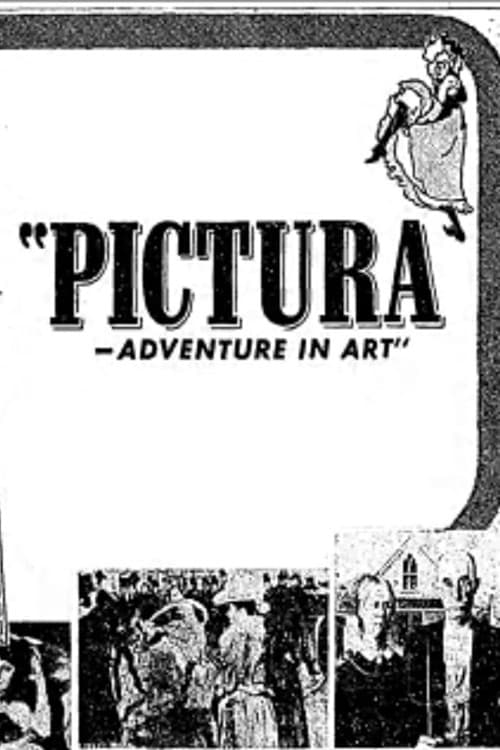
A documentary film directed by seven famous directors, and narrated by several famous Hollywood actors. The film attempts to give the general filmgoing public a taste of art history and art appreciation.
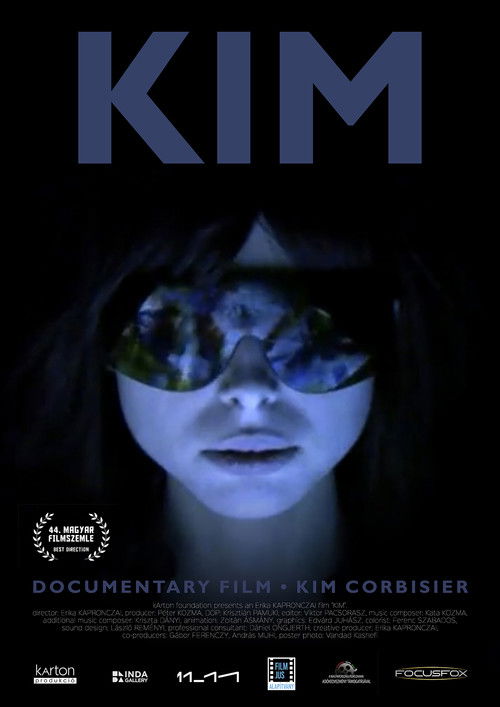
The story of an exceptional painter talent, the Belgian-Hungarian Kim Corbisier who left a brilliantly powerful oeuvre behind after her tragically short and intense life. And a camera at her filmmaker friend. The mesmerising and often shocking footage of the camera bear witness to Kim's struggles with methadone addiction and, above all, her identity crisis caused by a series of unfortunate and criminal accidents in her family. After the unfinished attempts, with this film, the filmmaker is realising a project they had planned together 10 years ago.
Jim Carrey exhibits his talent as a painter and reflects on the value and power of art.
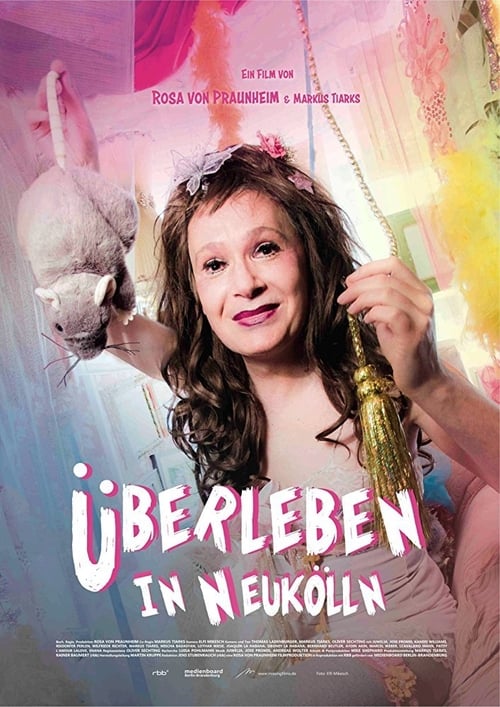
About Stefan Stricker, who calls himself Juwelia and has been running a gallery on Sanderstraße in Berlin Neukölln for many years. Every weekend he invites guests to shamelessly recount from his life and to sing poetic songs written with his friend from Hollywood Jose Promis. Juwelia has been poor and sexy all her life, has always struggled for recognition, but only partially.
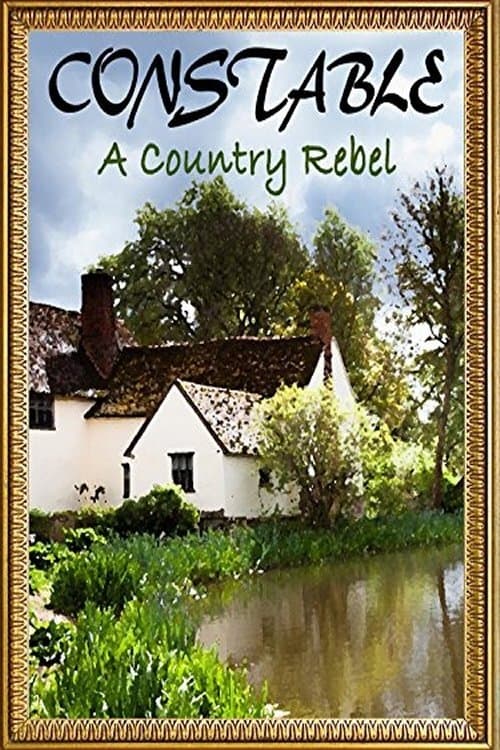
The Haywain by John Constable is such a comfortingly familiar image of rural Britain that it is difficult to believe it was ever regarded as a revolutionary painting, but in this film, made in conjunction with a landmark exhibition at the V&A, Alastair Sooke discovers that Constable was painting in a way that was completely new and groundbreaking at the time. Through experimentation and innovation, he managed to make a sublime art from humble things and, though he struggled in his own country during his lifetime, his genius was surprisingly widely admired in France.
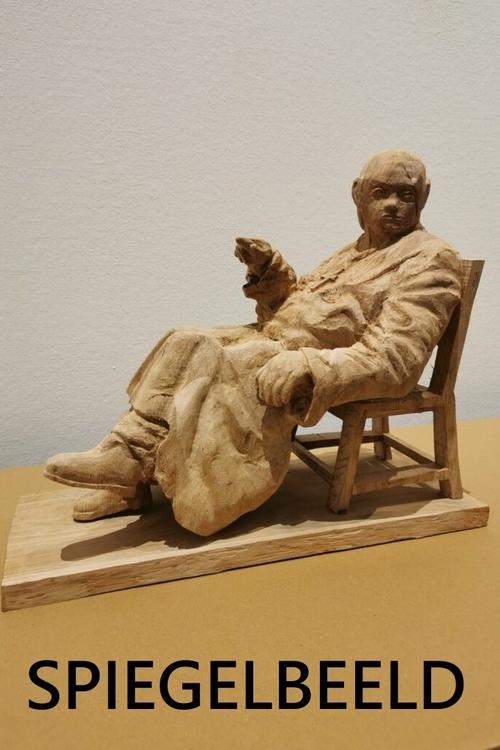
Tilburg artist Tommy van der Loo searches for the influence of superiority thinking, racism and colour in his life. Van der Loo is an emerging artist and his work has been purchased by Boijmans van Beuningen in Rotterdam. He also had an exhibition at the Kunsthal. He also made the memorial for the abolition of slavery in Eindhoven. He has had multiple experiences with discrimination and incorporates that into his sculptures. Identity and image formation are important to him: How do you look at others, how do others look at you. The search is the inspiration for his new sculpture.
Fragments from a portrait of Jean-Louis Costes - sincere artist, versatile designer, poet of excess -, a man forever atoning his anguish through singing, performance, drawing and writing...
No overview available.
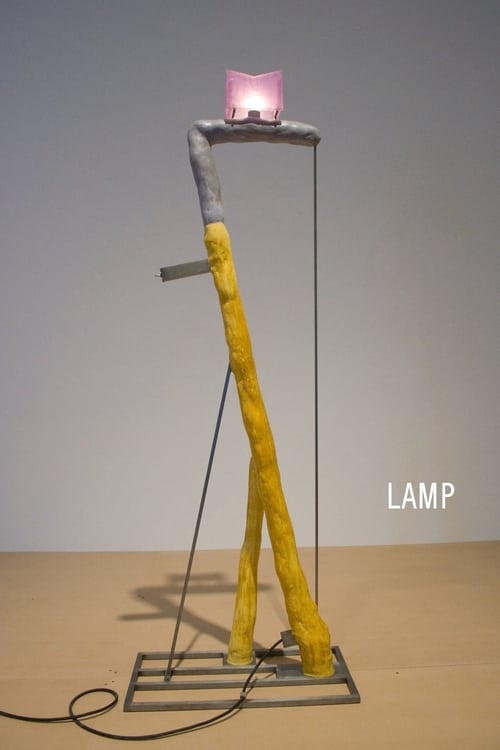
Short documentary of David Lynch building a lamp.
How did the Impressionists view the world? What relationship did they have with technique, with color, with light and with the universe of shapes that made up reality before their eyes? How were their works received? How did they go from being rejected by critics and the public to becoming among the most loved in the world in a few years? Secret Impressionists is an immersive journey into the intimacy of the Impressionists and their paintings which aims to offer a "privileged" visit that stimulates the spectators' curiosity and gives them a perspective on the works complementary to the live experience, allowing spectators in the hall to immerse themselves in the work of painters and grasp unpublished details.
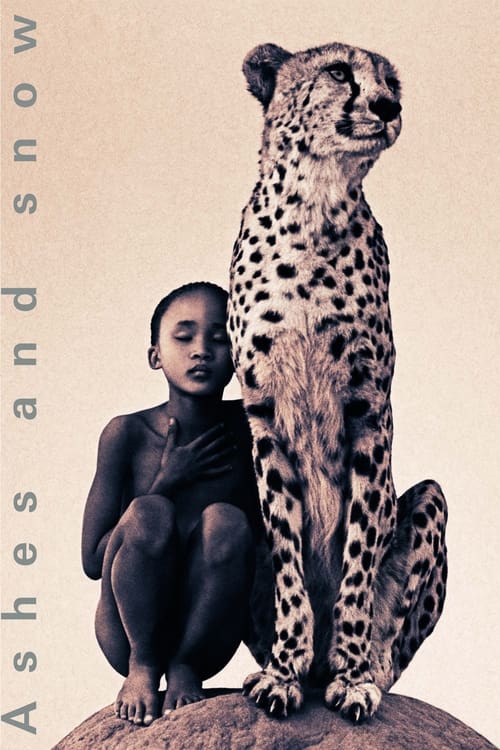
Ashes and Snow, a film by Gregory Colbert, uses both still and movie cameras to explore extraordinary interactions between humans and animals. The 60-minute feature is a poetic narrative rather than a documentary. It aims to lift the natural and artificial barriers between humans and other species, dissolving the distance that exists between them.
After World War II a group of young writers, outsiders and friends who were disillusioned by the pursuit of the American dream met in New York City. Associated through mutual friendships, these cultural dissidents looked for new ways and means to express themselves. Soon their writings found an audience and the American media took notice, dubbing them the Beat Generation. Members of this group included writers Jack Kerouac, William Burroughs, Allen Ginsberg. a trinity that would ultimately influence the works of others during that era, including the "hippie" movement of the '60s. In this 55-minute video narrated by Allen Ginsberg, members of the Beat Generation (including the aforementioned Burroughs, Anne Waldman, Peter Orlovsky, Amiri Baraka, Diane Di Prima, and Timothy Leary) are reunited at Naropa University in Boulder, CO during the late 1970's to share their works and influence a new generation of young American bohemians.
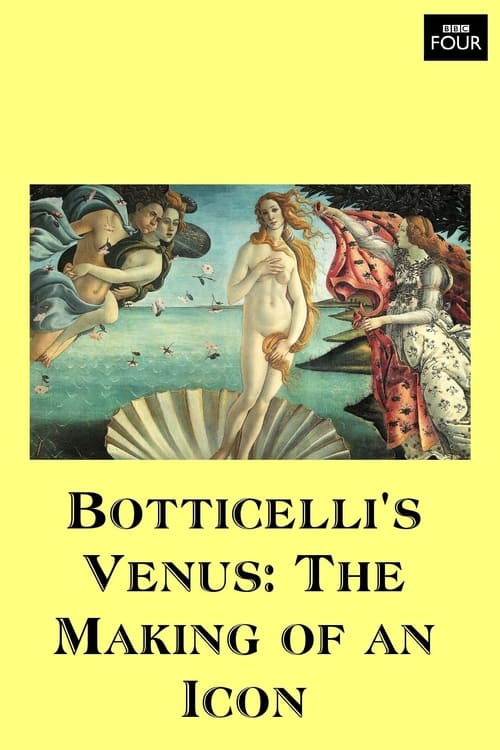
Sam Roddick explores the enduring appeal of Botticelli's masterpiece The Birth of Venus, one of the most celebrated paintings in western art. A joyous celebration of female sexuality, its journey to worldwide fame was far from straightforward and it lay in obscurity for centuries. Artist and entrepreneur Sam explains why Botticelli's nude was so revolutionary, and explores its impact on contemporary culture with artists such as Terry Gilliam, who memorably reinvented Venus for his Monty Python's Flying Circus animations.
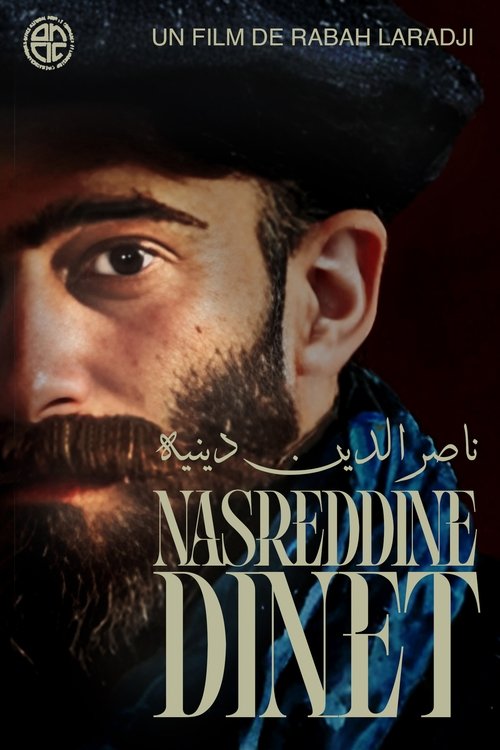
Étienne Dinet (إتيان دينيه), born March 28, 1861 in Paris, where he died on December 24, 1929, was a French painter and lithographer. He was one of the leading representatives of Orientalist painting at the turn of the 19th and 20th centuries. Obtaining a scholarship in 1884, Dinet undertook his first trip to southern Algeria in the region of Bou-Saâda, the Naili culture having a profound impact on him, as he would return there many times until he settled in his first Algerian studio in Biskra in 1900. In 1905, he bought a house in Bou-Saâda to spend three-quarters of the year there. In 1907, on his advice, the Villa Abd-el-Tif was created in Algiers, modeled on the Villa Medici in Rome. Having lived much of his life in Algeria, he called himself Nasreddine Dinet (نصر الدين ديني) after converting to Islam. On January 12, 1930, he was buried in the Bou-Saâda cemetery, where a museum that houses many of his works bears his name.