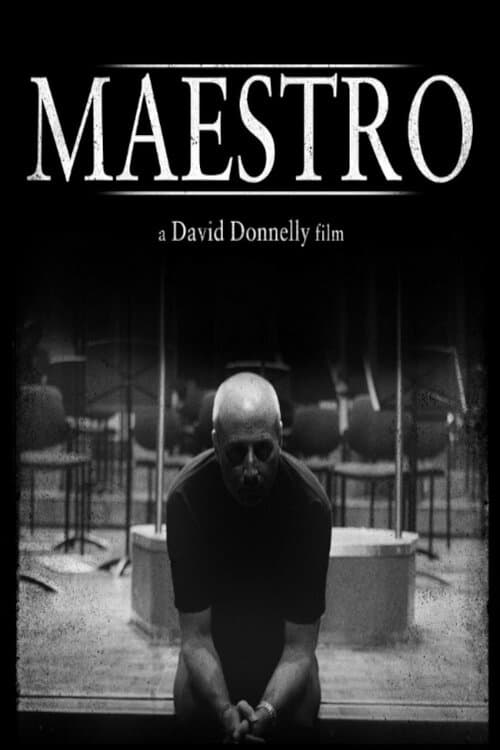
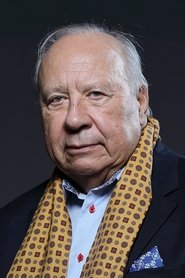
Maestro follows Grammy award-winning conductor Paavo Järvi and an array of brilliant musicians as they perform to sold-out music halls across the world.
Self
No Trailers found.
Set amongst the unlikely backdrop of cowboy boots, rodeos, and global geopolitics, thirty of the world's most promising musicians travel to Fort Worth, Texas to compete in the renowned Van Cliburn International Piano Competition. Vying for gold and their shot at classical piano stardom, the contestants must endure six grueling performances, multiple elimination rounds, and a discerning panel of jurists. Behind the scenes, we uncover the stories of adversity, sacrifice, and heartbreak driving the pianists to perform at the highest level. As fan favorites and early contenders are eliminated, one unassuming genius rises to the top.
It was Antonio Vivaldi who developed the classic symphony orchestra, added coloration to the strings and wind instruments to the ensemble, originated the concerto for solo instruments, and was considered to be one of the greatest violinists of the 18th century. This biographical program chronicles the life and musical styles of Vivaldi, with on-location footage and lush studio re-creations of original settings showcasing the astonishing variety of Vivaldi’s works. Included are extracts from operas, oratorios, masses and sonatas, and concertos for flute, oboe, and trumpets, as well as such violin concertos as The Four Seasons. Fifteen-year-old prodigy Corey Cerovsek portrays the young Vivaldi, and world-renowned violinist Steven Staryk plays Vivaldi as a grown man.
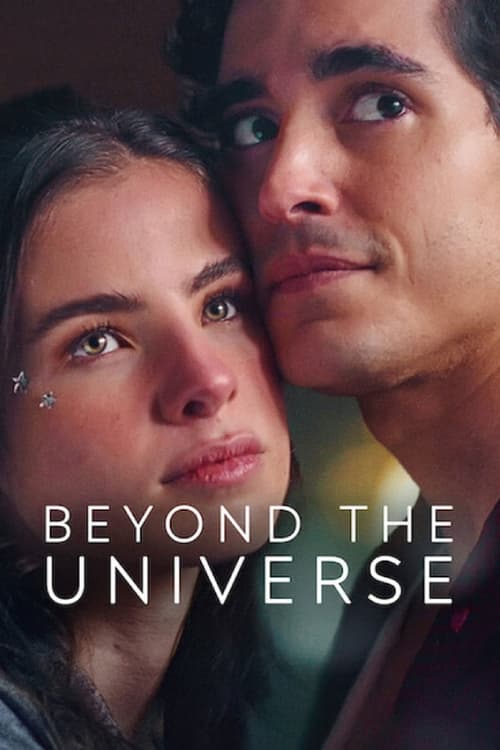
While waiting for a kidney transplant, a young pianist finds an unexpected connection with her doctor — and the courage to fulfill her musical dreams.
No overview available.
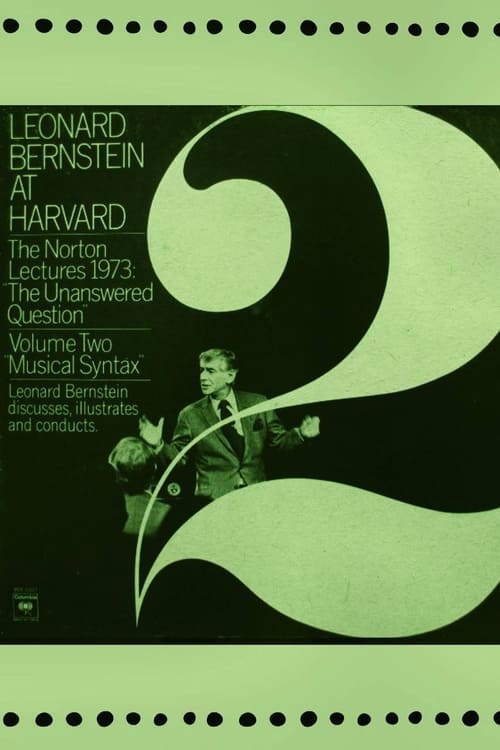
This series comprised six lectures on music, which cumulatively took the title of a work by Charles Ives, The Unanswered Question. Bernstein drew analogies to other disciplines, such as poetry, aesthetics, and especially linguistics, hoping to make these lectures accessible to an audience with limited or no musical experience, while maintaining an intelligent level of discourse: Syntax refers to the study of the structural organization of a sentence, or as Bernstein summarizes, "the actual structures that arise from that phonological stuff."
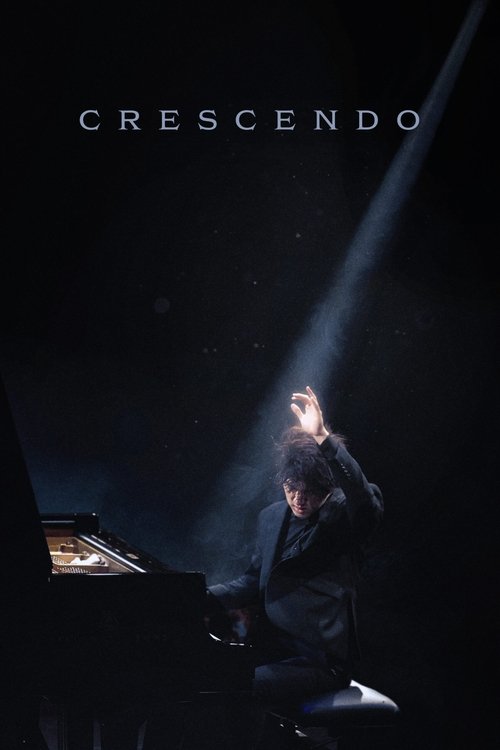
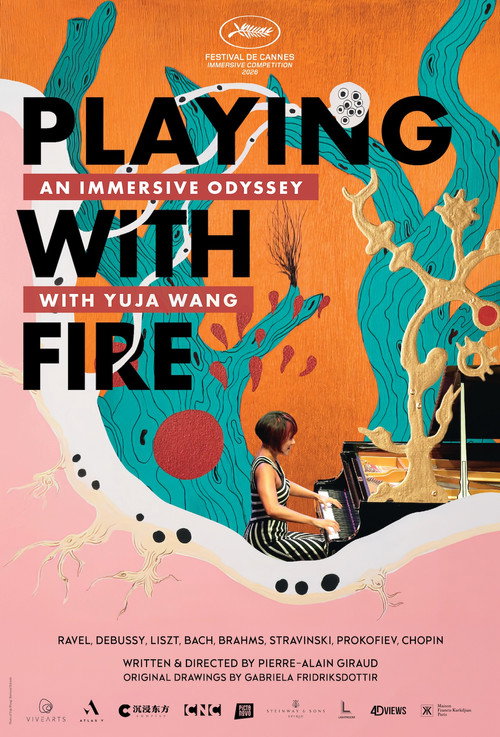
Through the fire of Yuja Wang's piano performance, step inside a surreal human odyssey — a multisensory mixed reality concert where music takes shape before your eyes.
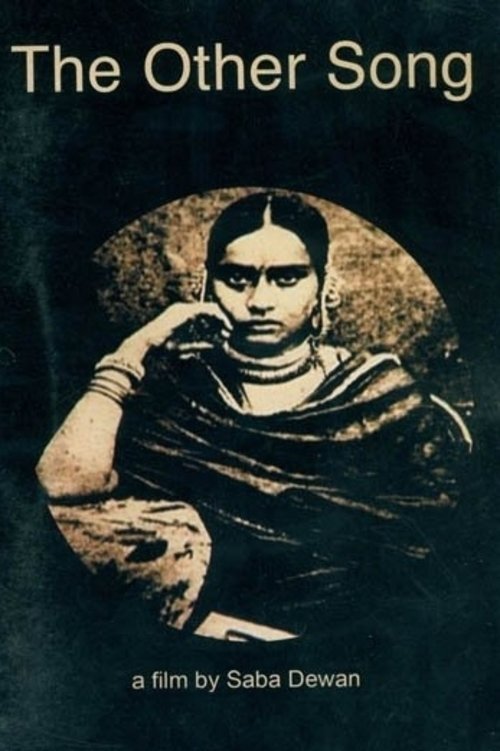
Journeying across Varanasi, Lucknow, and Muzzafarpur in India, this documentary film traces the lost traditions and the culture of tawaifs (courtesans of North India), particularly through a song sung by Rasoolan Bai, "Lagat karejwa ma chot, phool gendwa na maar" and its lesser known, earlier version "Lagat jobanwa ma chot, phool gendwa na maar" (recorded in a 1935 Gramophone recording). Weaving the past with the present, the film spans between personal stories as it interacts with historical events, ultimately leading to the decline of a great art form.
Showcasing a musical masterpiece in a rare full-length television recording by the Vienna Chamber Orchestra with the Westminster Symphonic Choir, under the direction of conductor Mark Laycook. An introduction to the performance, narrated by actor John Lithgow, gives a unique perspective on music history.
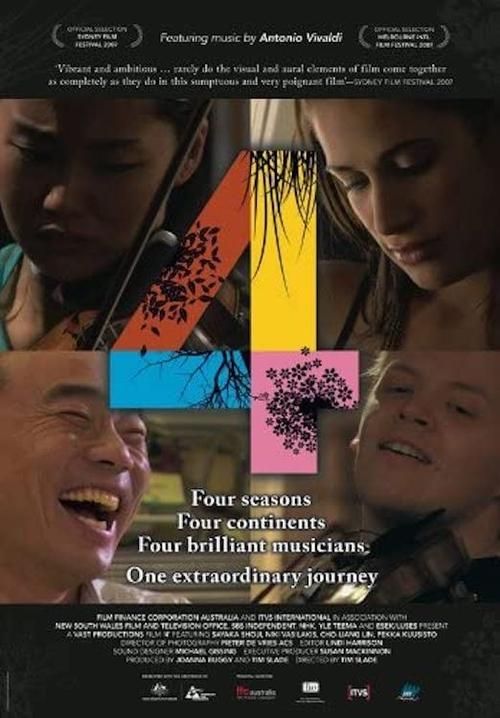
In four corners of the globe, in each of the four seasons, four outstanding violinists guide us on an extraordinary journey through their four distinct homelands. From the springtime blossoms of Japan, into the blistering heat and thunderstorms of an Australian summer; from a joyful autumn in New York, to the unforgiving cold and human warmth of a Finnish winter. The resonant and much-loved music of Antonio Vivaldi's The Four Seasons and the timeless stories they tell, form the backbone to this bold and engaging celebration of friendship, homeland and the cycles of life.
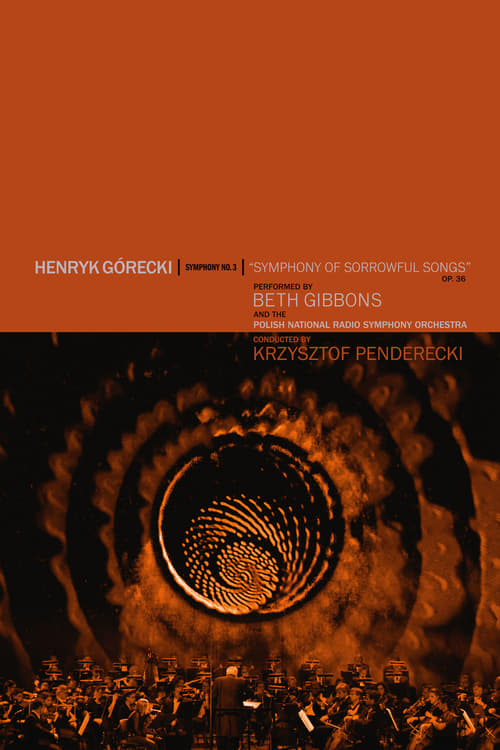
Beth Gibbons (vocalist for acclaimed UK band Portishead) was formally invited to Poland in 2014 to sing soprano at Warsaw’s Grand Theatre. This performance forms the basis of the film and album titled Henryk Górecki: Symphony No. 3 (Symphony of Sorrowful Songs) performed by Beth Gibbons and the Polish National Radio Symphony Orchestra, conducted by Krzysztof Penderecki.
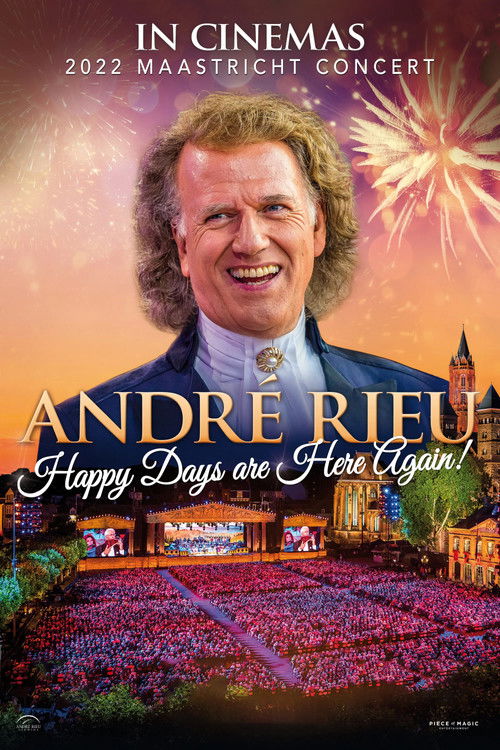
The wait is over! After two long years, Maestro André Rieu is performing again in his hometown of Maastricht! We are proud to present André's brand new summer concert - Happy Days are Here Again!
Animated interpretation of the Bizet opera, first in a trilogy
Animated interpretation of the Bizet opera, second in a trilogy.
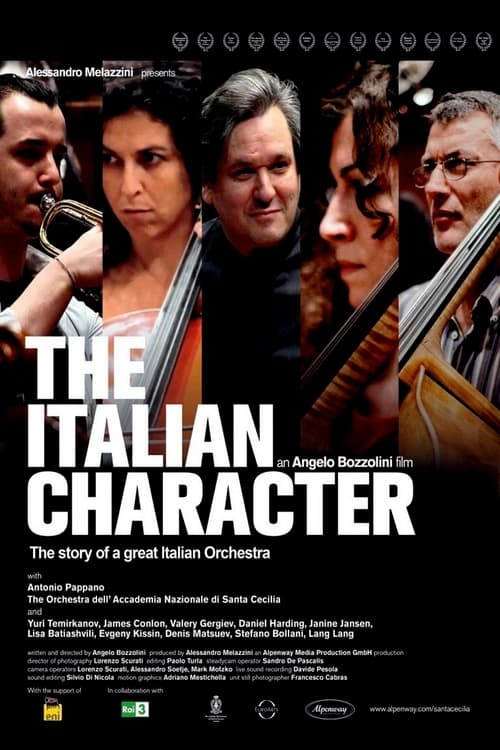
The Italian Character: a film within music and about music. The Italian character is the story of one of the most renowned orchestras in the world, enriched by archive material of the last thirty years about the great conductors who have been performing on the most famous rostrum in Rome.
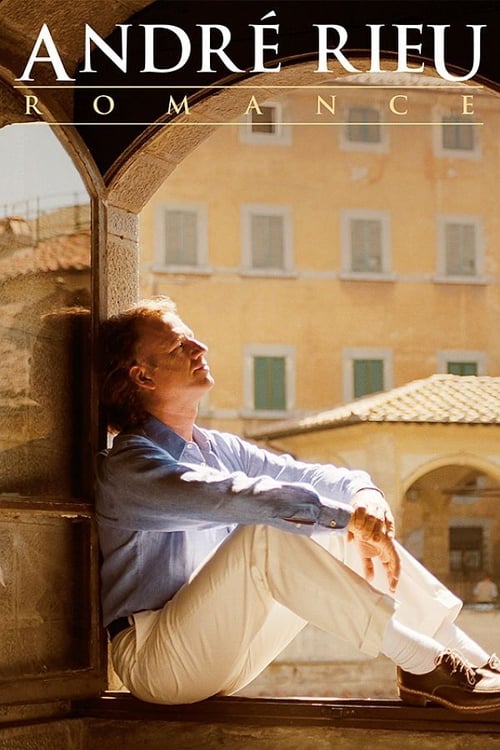
01. The Godfather Waltz (N. Rota) 02. Romance Anonyme (Anonyme) 03. Lagune Waltz (J. Strauss) 04. O Mio Babbino Caro (G. Puccini) 05. The Rose (A. McBroom) 06. Italiana (O. Respighi) 07. You Are The Emperor Of My Heart (R. Stolz) 08. Sous Le Ciel De Paris (H. Giraud) 09. Roses From The South (J. Strauss) 10. My Heart Will Go On (J. Horner) 11. Intermezzo Sinfonico (M. Mascagni) 12. Moonlight (Kojo No Tsuki) (R. Taki) 13. The Last Rose (F. von Flotow) 14. Limburg Anthem (H. Thijssen / G. Krekelberg) 15. Concierto De Aranjuez (J. Rodrigo) 16. Swinging Bells Of Limburg (J. Hoes) 17. Nightingale Serenade (E. Toselli) 18. Auld Lang Syne (Traditional) 19. Ode To Maastricht (Y. Duteil) 20. Lullaby (J. Brahms)
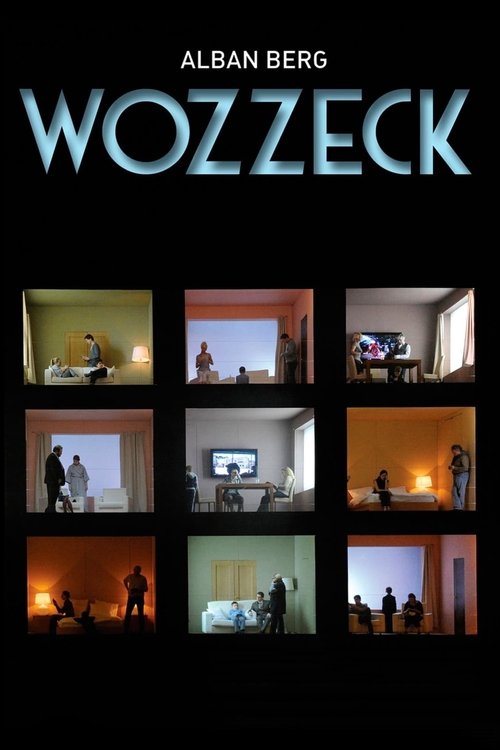
In 2010, for the first time in its history, the Bolshoi Opera presented Alban Berg’s masterpiece Wozzeck conducted by Teodor Currentzis. Dmitri Cherniakov’s aim with this bold, sensitive transposition was “to highlight the hidden sorrows of a late twentieth-century man dwelling in a megalopolis.”
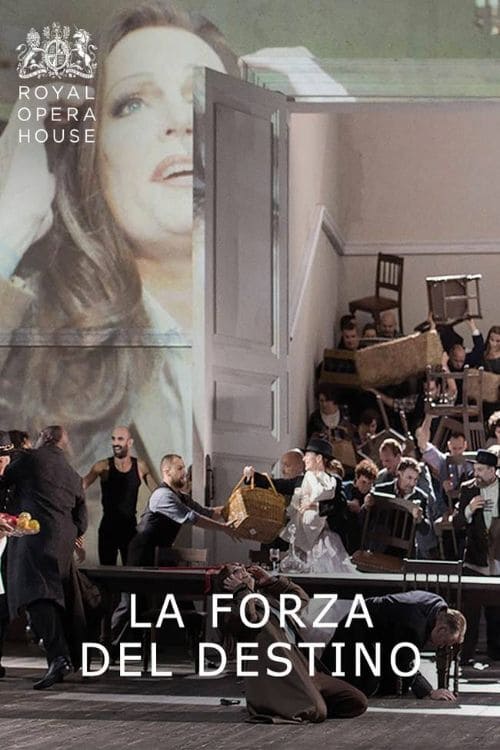
Verdi's sweepingly ambitious opera on war, religion, love and fate is given a cinematic staging by Christof Loy. The Marquis of Calatrava forbids his daughter Leonora to marry the South American nobleman Don Alvaro. The lovers attempt to elope, but the Marquis catches them. In the ensuing altercation, Alvaro accidentally kills the Marquis, who curses his daughter as he dies. Leonora and Alvaro become separated during their escape. Leonora's brother Don Carlo di Vargas decides to find them and avenge his father.
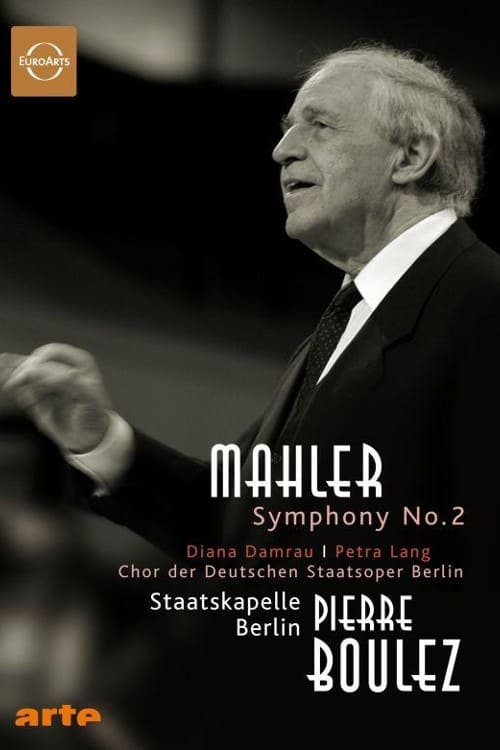
In 2005, the Staatsoper Berlin and its orchestra, the Staatskapelle Berlin under musical director Daniel Barenboim, celebrated a series of events to celebrate the 80th birthday of French conductor and composer Pierre Boulez. Artistically associated for decades with Barenboim and Berlin, Pierre Boulez is one of today's most distinguished composers and conductors. As part of the celebration, Boulez conducted a performance of Mahler's "Resurrection" Symphony at the Berlin Philharmonie. With his uncompromising approach to the score, Pierre Boulez's Mahler readings have long fascinated critics and audiences alike. Boulez eschews the romanticized readings common in performance tradition and, instead, reveals the real joy and terror in Mahler's large-scale symphonies.
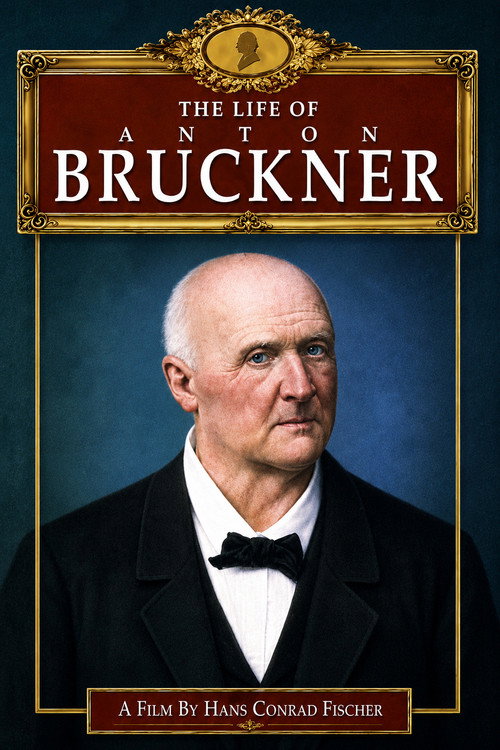
This documentary is about the life and works of the Austrian composer Anton Bruckner, a world-famous organist, a beloved teacher, and a controversial composer who in some ways serves as a biographical puzzle piece linking Wagner and Mahler (among many many others). It contains many musical excerpts (two of them from performances not published in any other form), numerous portrait photographs, drawings, silhouettes, written materials, quotes from Bruckner's and others' diaries and other media.
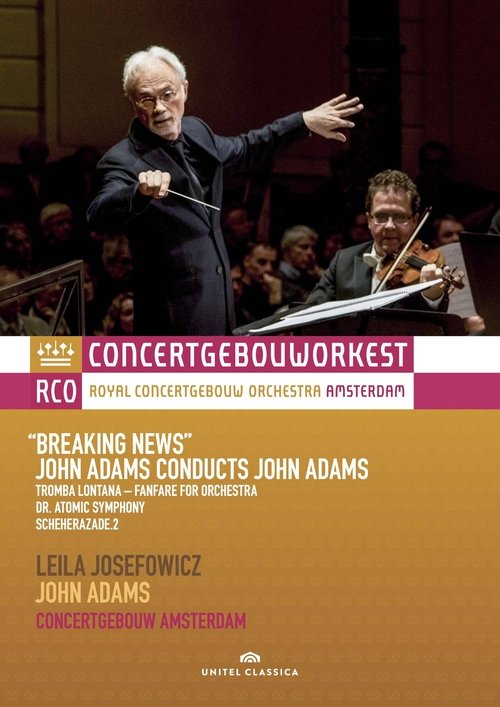
Like many of John Adams’ operas, Doctor Atomic is based on recent world historical events—here, the effusive Robert Oppenheimer, “father of the atomic bomb,” anxiously awaits the bomb’s first test in Los Alamos, New Mexico. Adams adapted the work into a symphony, comprising its three main acts. In the second half of the program, Adams conducts his 2015 violin concerto, Scheherazade.2, which restages the tale of the One Thousand and One Nights heroine as a strong woman navigating a patriarchial society, incarnated by the solo violin part. The work was composed specifically for Canadian-American virtuoso Leila Josefowicz and co-commissioned by the Royal Concertgebouw Orchestra, who perform it to perfection. The evening then closes out with Tromba Lontana, an orchestral fanfare written to mark the 150th anniversary of Texas’s independence from Mexico in 1836.