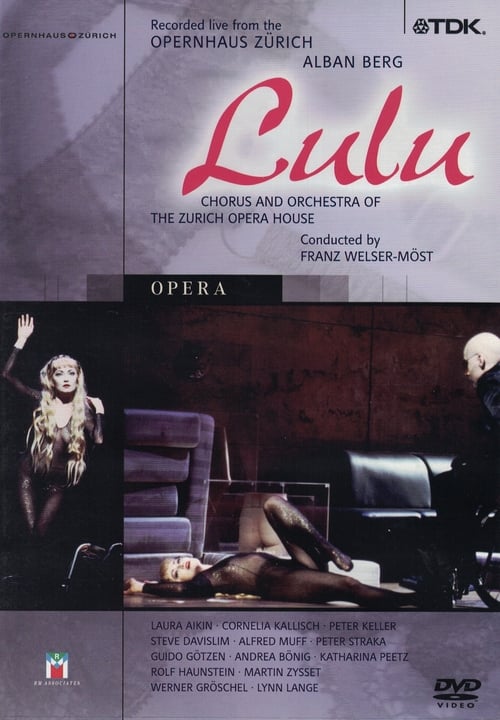
Since its premiere on 2 June 1937 in Zurich, Alban Berg's second opera "Lulu" has the reputation of being surrounded by scandals. On the one hand, this is due to the dubious character of the subject, the man-eating femme fatale, which Berg had taken from Frank Wedekind's two Lulu tragedies – "The Earth Spirit" and "Pandora's Box" – and combined into one opera libretto. On the other hand, Berg's widow had (for personal reasons) repeatedly refused to have the opera completed, which was unfinished when Berg died. This video is of the unfinished two-act torso of "Lulu."
Giuseppe Verdi based his famous opera on the novel “The Lady of the Camellias” by Alexandre Dumas. Robert Wilson’s production of Violetta Valéry’s tragic fate is his first work at the State Theater of Linz, Austria, one of the most modern operatic stages in Europe by architect Terry Pawson. After the run in Linz, the production was transferred to the Opera House in Perm, Russia, where the production was conducted by Teodor Currentzis. In 2017, the work received a “Golden Mask”, the most prestigious Russian theater award, in three categories (Teodor Currentzis, Best Conductor; Nadezhda Pavlova, Best Female Singer; Robert Wilson, Best Lighting Design).
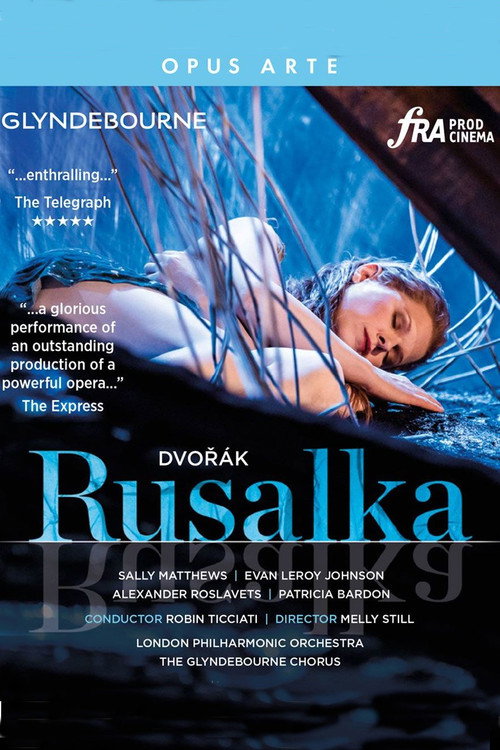
Praised by critics as “magnificent”, “breathtakingly theatrical” and full of “zestful imagination”, Melly Still’s “spine-tingling” Rusalka is a Glyndebourne classic – a magical contemporary reimagining of a much-loved fairy tale. Light and darkness, beauty and danger come together in this passionate tale of love against the odds. At once evocative and unsettling, this production collides two contrasting worlds in Rae Smith’s elegant designs made of “brilliant stage-pictures”. Rusalka’s forest home is a dappled space of sunshine and shadows, full of strange woodland creatures, while the Prince’s court is a world of sleek modernity and sophistication – a world of man.
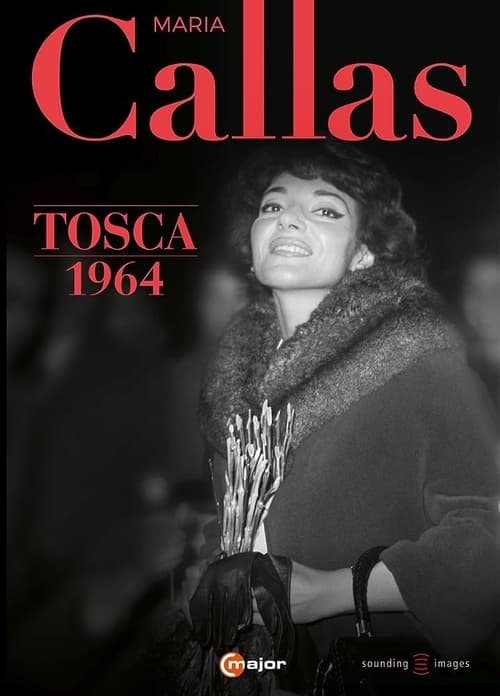
At the beginning of 1964, the music world experiences something completely unexpected. Maria Callas returns to the opera stage as the prima donna. Her “Tosca” at the Royal Opera House becomes a sensation. Maria Callas wants to show everyone once again that she deserves the title of “prima donna assoluta.” On the condition that star director Franco Zeffirelli take over the direction, the exceptional singer agrees to sing the role of Tosca. The BBC recorded the 2nd act of the opera for television. It is one of the most dramatic acts in opera history: in order to free the painter Cavaradossi from the hands of torturers, Tosca ends up murdering the police chief Scarpia. The film footage is one of the rare opportunities to see Maria Callas in an opera performance and to experience her highly emotional performance art and vocal abilities...
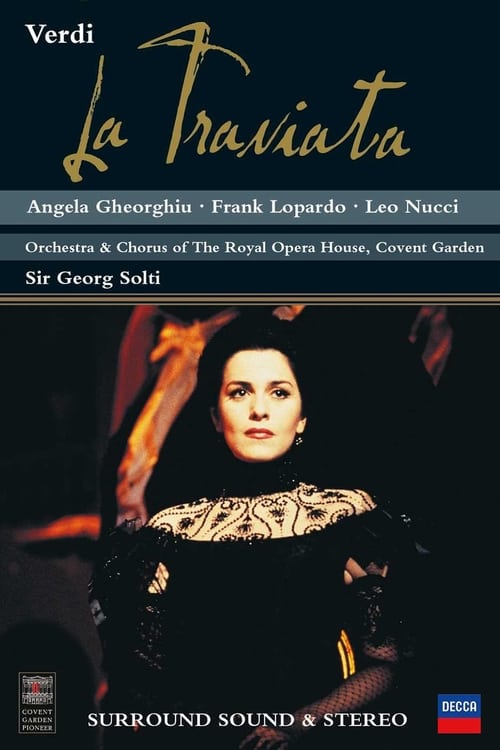
La traviata (Italian: [la traˈviaːta], "The Fallen Woman"[1][2]) is an opera in three acts by Giuseppe Verdi set to an Italian libretto by Francesco Maria Piave. It is based on La dame aux Camélias (1852), a play adapted from the novel by Alexandre Dumas, fils. The opera was originally entitled Violetta, after the main character. It was first performed on 6 March 1853 at the La Fenice opera house in Venice. Piave and Verdi wanted to follow Dumas in giving the opera a contemporary setting, but the authorities at La Fenice insisted that it be set in the past, "c. 1700". It was not until the 1880s that the composer and librettist's original wishes were carried out and "realistic" productions were staged.[3]
No overview available.
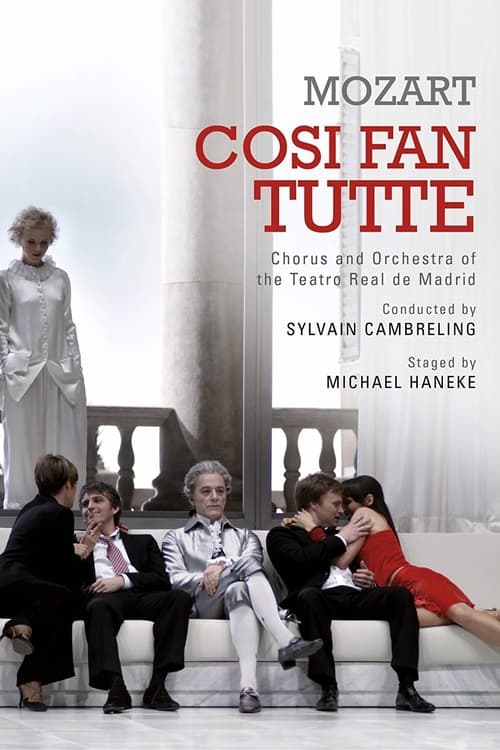
Who loves whom in Così fan tutte, Mozart’s and Da Ponte’s cruelly comic reflection on desire, fidelity and betrayal? Or have the confusions to which the main characters subject one another ensured that in spite of the heartfelt love duets and superficially fleetfooted comedy nothing will work any longer and that a sense of emotional erosion has replaced true feelings? Così fan tutte is a timeless work full of questions that affect us all. The Academy Award-winning director Michael Haneke once said that he was merely being precise and did not want to distort reality. In only his second opera production after Don Giovanni in 2006, he presents what ARTE described as a “disillusioned vision of love in an ice-cold, realistic interpretation”.
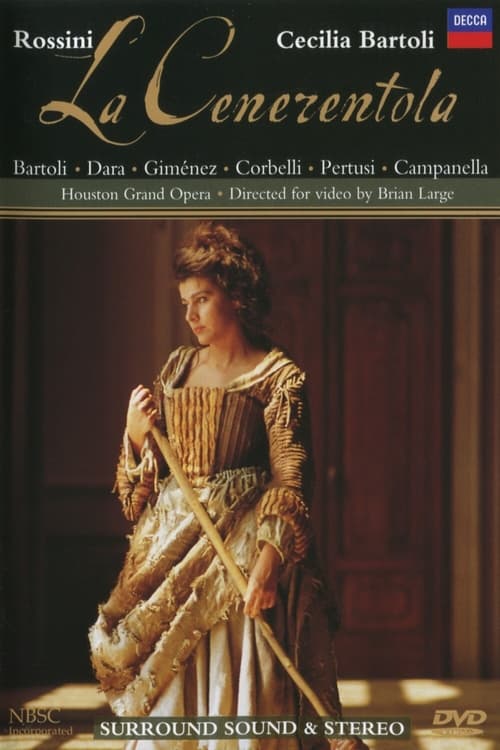
La Cenerentola, ossia La bontà in trionfo (Cinderella, or Goodness Triumphant) is an operatic dramma giocoso in two acts by Gioachino Rossini. The libretto was written by Jacopo Ferretti, based on the fairy tale Cendrillon by Charles Perrault. The opera was first performed in Rome's Teatro Valle on 25 January 1817.---- IMDB id refers to Great Performances: Season 24, Episode 12 La Cenerentola (3 Apr. 1996) from Houston Grand Opera so release date is misleading.
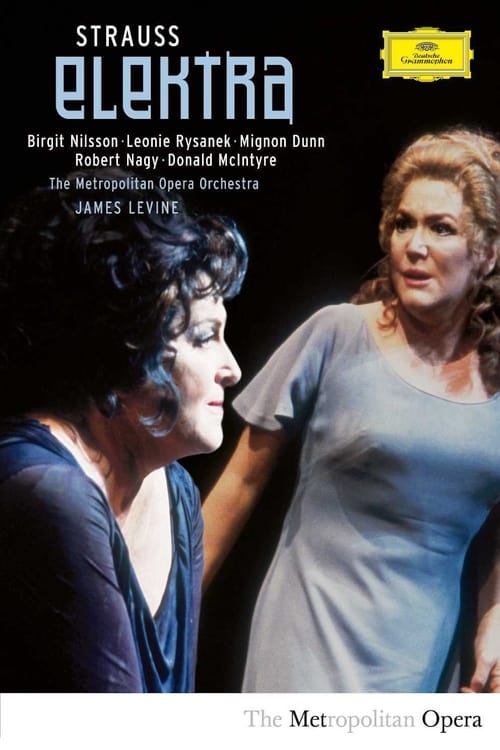
It's hard to imagine confirmed Straussians not wanting this starry Metropolitan Opera performance of Elektra. Strauss and his librettist, Hugo von Hofmannstahl, transformed Sophocles' take on Homer's tale into a harrowing opera noir. Elektra lives for one reason, to kill her mother, Klytämnestra, and her stepfather, Aegisth, the murderers of her father, Agamemnon. In contrast to Elektra's vengeful obsession, her sister Chrysothemis desires to get on with life. When their long-missing brother, Orestes, returns to do the deed, Elektra celebrates with a dance of death and, her sole purpose in life fulfilled, dies. Strauss joined the hermetic plot to music of the utmost opulence, violent and yearning by turns, evoking the cardinal principles of Greek tragedy - pity and terror.
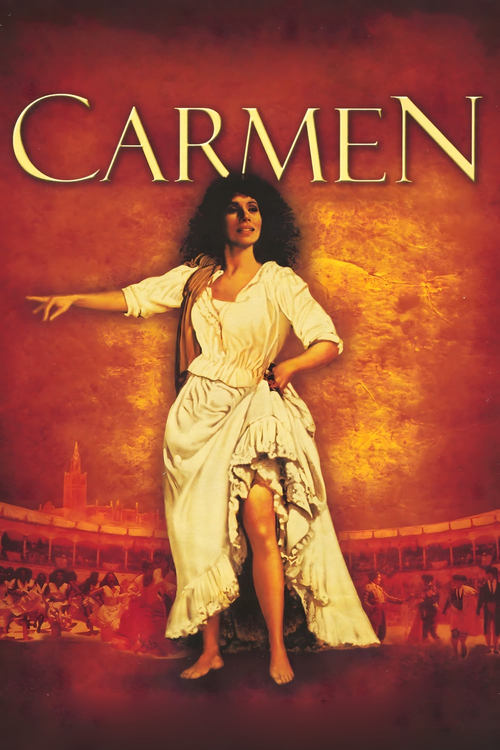
A film version of the famous Bizet opera, where a soldier (Don Jose) falls in love with a beautiful factory worker (Carmen), but she does not reciprocate his feelings.
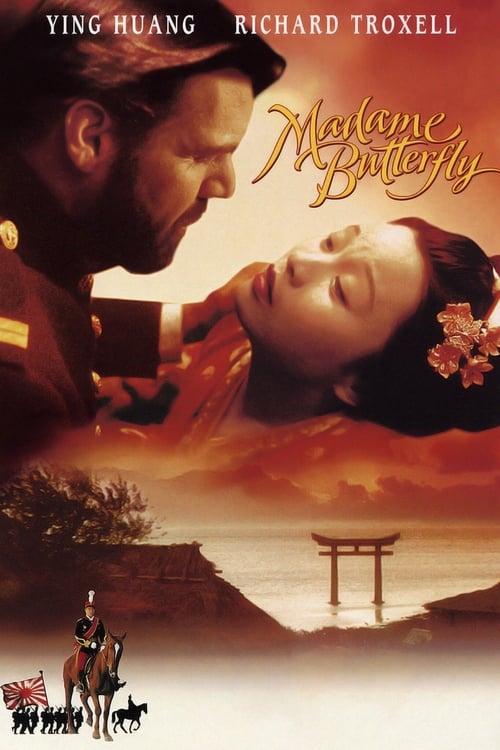
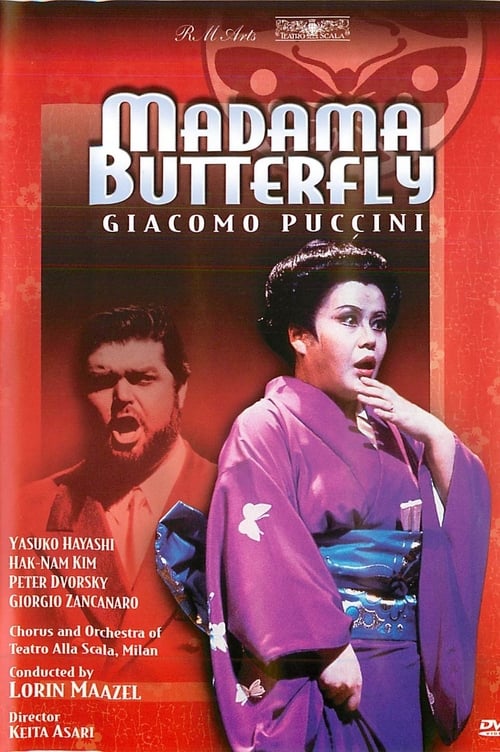
Cio-Cio-San, a young Japanese geisha, seeks to fulfill her dreams through marriage to an American naval officer. Her faith in their future is shattered by his empty vows and the loss she endures touches something deep within us all.
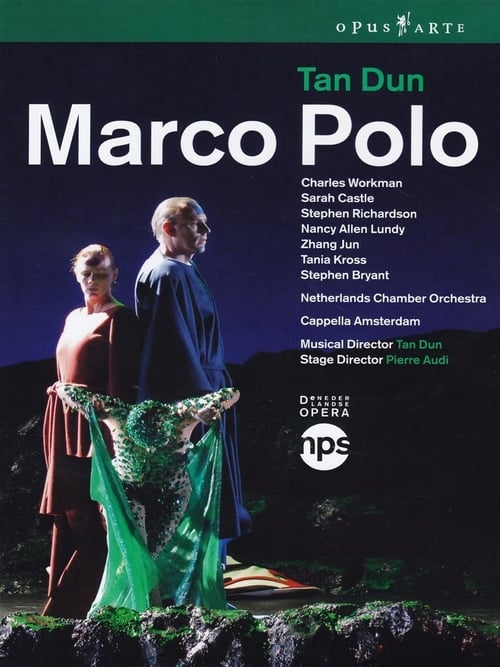
Tan Dun portrays the Venetian explorer's travels to the Far East as a journey of both inner and physical discovery, a voyage depicting spiritual experiences as well as a geographical expedition. Pierre Audi's mythical staging and Jean Kalman's fabulous set design complement the composer's own musical direction, forging the dazzlingly versatile soloists, the Netherlands Chamber Orchestra and Cappella Amsterdam to a stunning symbiosis of elements across time and space, a true testimony to cultures intertwined in globalization.
Opera at La Scala Milan
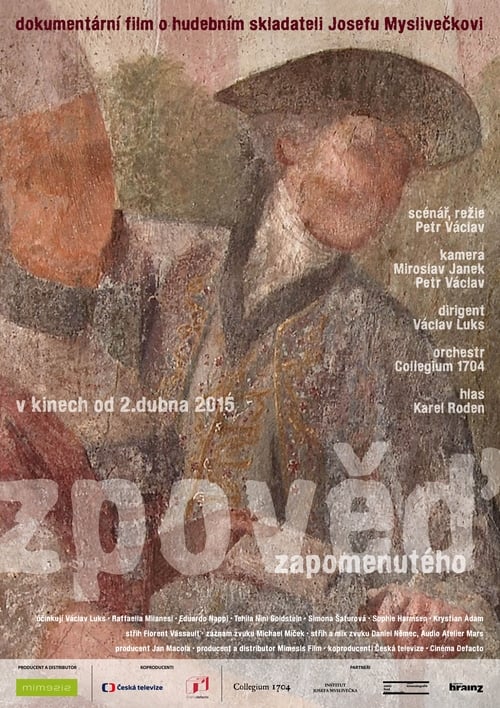
The film follows the staging of the opera Olimpiade while at the same time exploring the dramatic life of its composer Josef Mysliveček, a friend and teacher of W. A. Mozart.
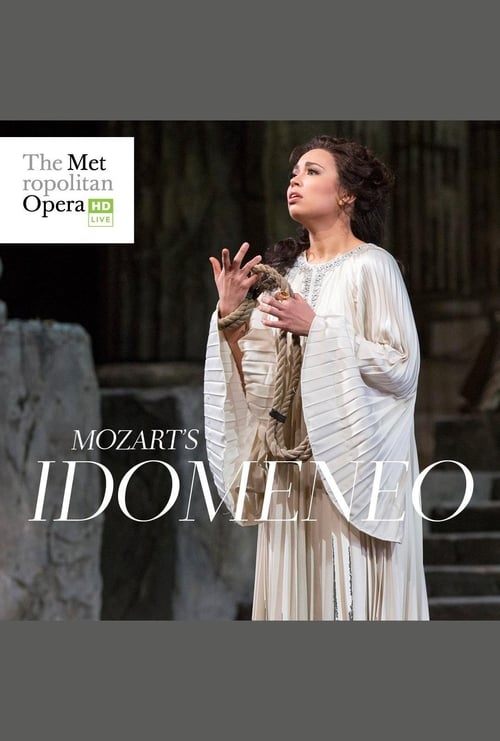
Mozart’s early masterpiece returned to the Met for the first time in more than a decade with Music Director Emeritus James Levine, who led the work’s company premiere in 1982, again on the podium. Tenor Matthew Polenzani brings both steely resolve and compassionate warmth to the title king of Crete, who is faced with an impossible decision. With her rich mezzo-soprano, Alice Coote sings the trouser role of Idomeneo’s son Idamante, who loves the Trojan princess Ilia, sung with delicate lyricism by Nadine Sierra. Elza van den Heever gives a thrillingly unhinged portrayal of the jealous Elettra. Jean Pierre-Ponnelle’s timeless production blends the grandeur of ancient myth with the elegance of Enlightenment ideals.
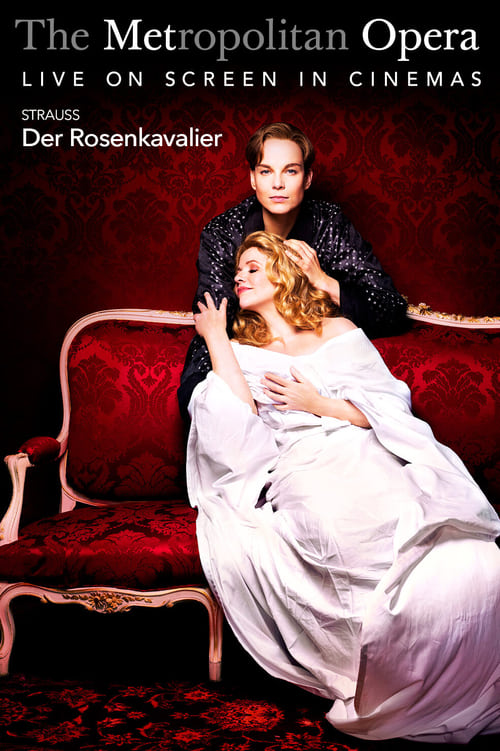
In his new production, Robert Carsen places the action at the end of the Habsburg Empire, underscoring the opera’s subtext of class and conflict against a rich backdrop of gilt and red damask
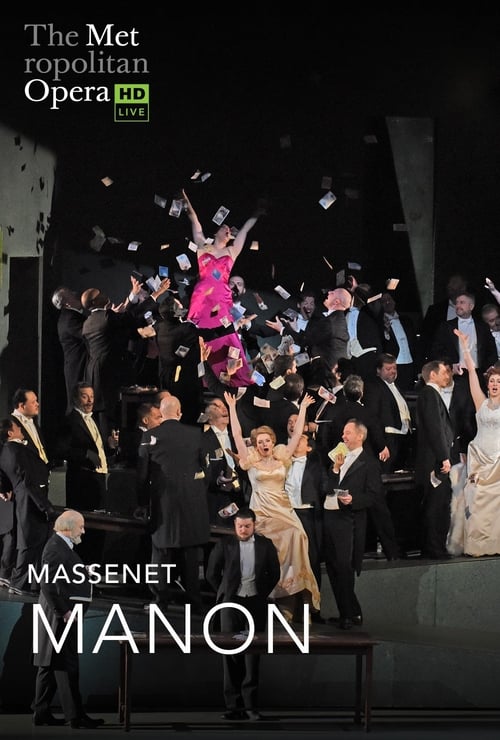
Massenet’s tale of passion, excess, and their consequences stars rising soprano Lisette Oropesa in the effervescent title role. Tenor Michael Fabiano is her ardent admirer, Chevalier des Grieux, with Maurizio Benini conducting Laurent Pelly’s enchanting production.
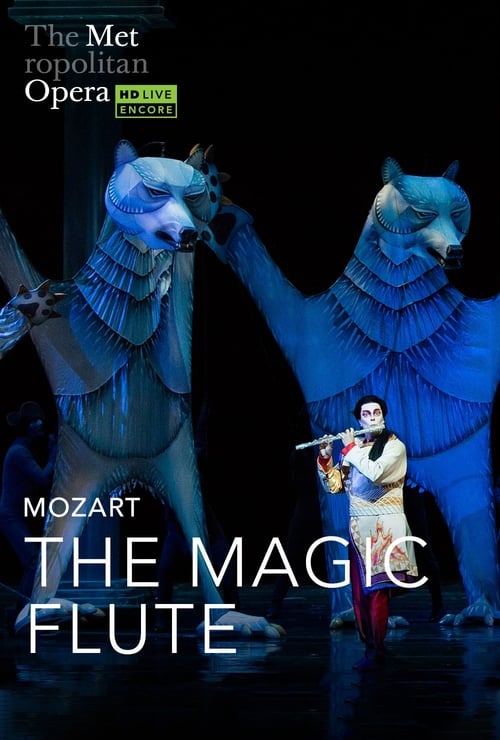
Julie Taymor’s kaleidoscopic production returns to select cinemas this holiday season in an encore presentation of the company’s first-ever Live in HD transmission that includes tenor Matthew Polenzani, baritone Nathan Gunn, and bass René Pape in this abridged, English-language version of Mozart’s classic fable.
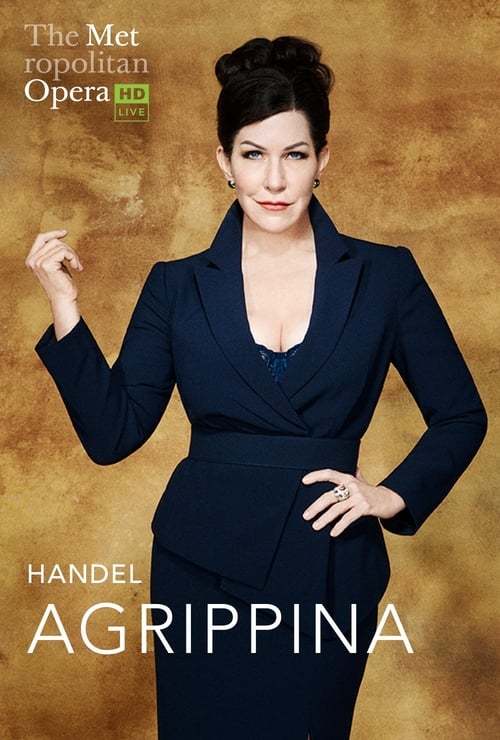
As the imperious title empress, mezzo-soprano Joyce DiDonato leads the Met premiere of Handel’s tale of deception and deceit. Harry Bicket conducts Sir David McVicar’s wry new production, which gives this Baroque black comedy a politically charged, modern updating.
No Trailers found.