The Anna's own mental health history
Alex Anna’s body is a canvas: her scars come to life to tell a new story of self-harming.
Trailer
Self
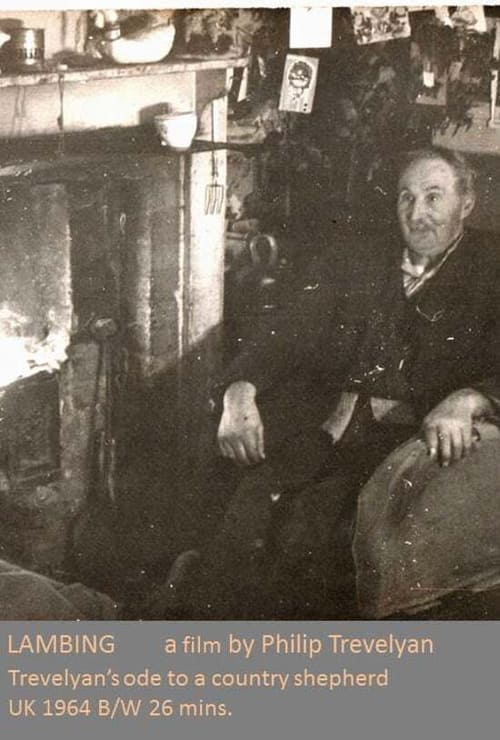
A day in the life of an old shepherd during the lambing season on the Sussex Downs. He talks of the problems in Winter, when lambing is complicated by snow. -BFI
Weenie is a mini-movie that will be featured in DVD and Blu-Ray release of The Secret Life of Pets. It features the life of The Sausages. The Sausages live happily in Weenie Ville. Once, a sausage called Timmy is so sacred of diving, which results that he is teased as a "weenie". Leaving the diving pool, Timmy sits on a bench beside, sighing. Frank, the mayor of Weenie Ville, happens to see the desperate Timmy, so he takes Timmy, singing and traveling around Weenie Ville to see the fantastic life of sausages to comfort him. In the end, Timmy dares to dive from a higher place and he is quite proud about himself.
No overview available.
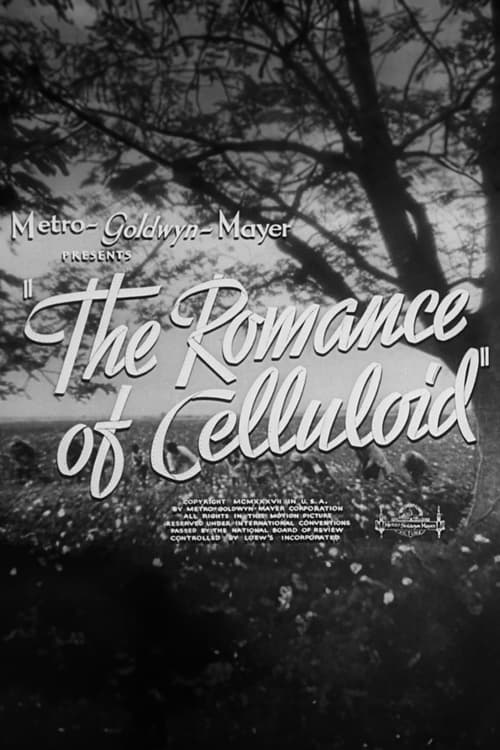
Several behind the scenes aspects of the movie-making business, which results in the enjoyment the movie going public has in going to the theater, are presented. They include: the production of celluloid aka film stock, the materials used in the production of which include cotton and silver; construction crews who build sets including those to look like cities, towns and villages around the world; a visit with Jack Dawn who demonstrates the process of creating a makeup design; the screen testing process, where many an acting hopeful gets his/her start; the work of the candid camera man, the prying eyes behind the movie camera; a visit with Adrian, who designs the clothes worn by many of the stars on screen; and a visit with Herbert Stothart as he conducts his musical score for Conquest (1937). These behind the scenes looks provide the opportunity to get acquainted with the cavalcade of MGM stars and their productions that will grace the silver screen in the 1937/38 movie season.
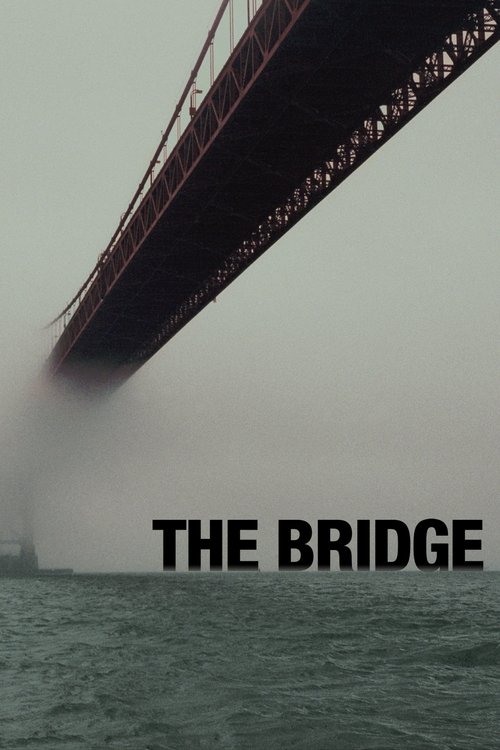
The Bridge is a controversial documentary that shows people jumping to their death from the Golden Gate Bridge in San Francisco - the world's most popular suicide destination. Interviews with the victims' loved ones describe their lives and mental health.
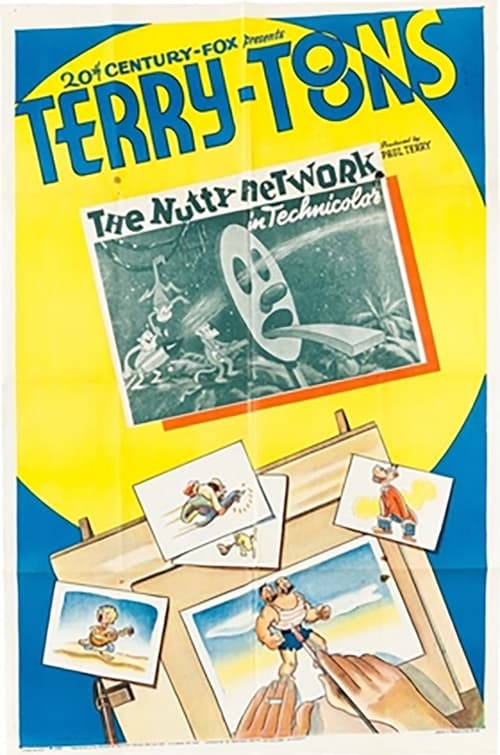
A jungle radio station run by monkeys pulls a prank by reporting a fake space invasion.
Documentary on the river Ganges.
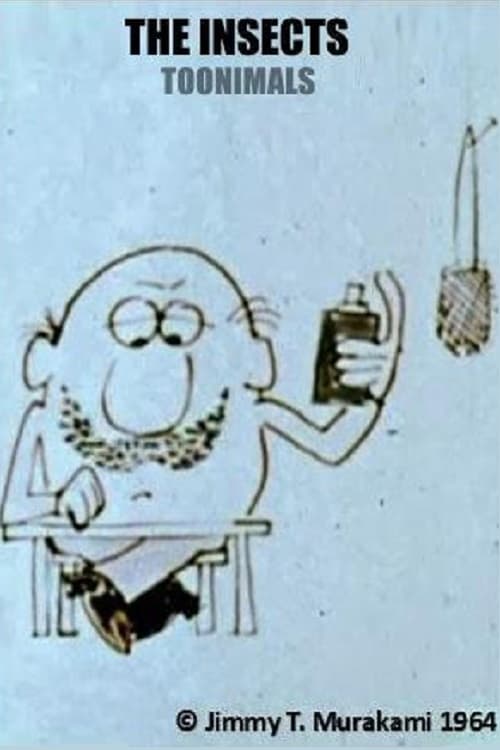
Answers questions such as "How many kinds of insects are there?" "Do insects have blood?" "How can a fly walk on the ceiling?"
Death as a global service provider? Unthinkable! So far Death has thought that too. But then his nephew Cedric had the crazy idea of founding the company AFTER LIFE while his uncle was away. This company takes over the craft of death with the latest technology and markets it worldwide.
A young girl dreams of bringing clean drinking water to her African village. As a child in Burkina Faso, Georgie, and the other girls in her village had to walk for miles each day to collect water. This vibrant, engaging story sheds light on this struggle that continues all over the world today, instilling hope for a future when all children will have access to clean drinking water.
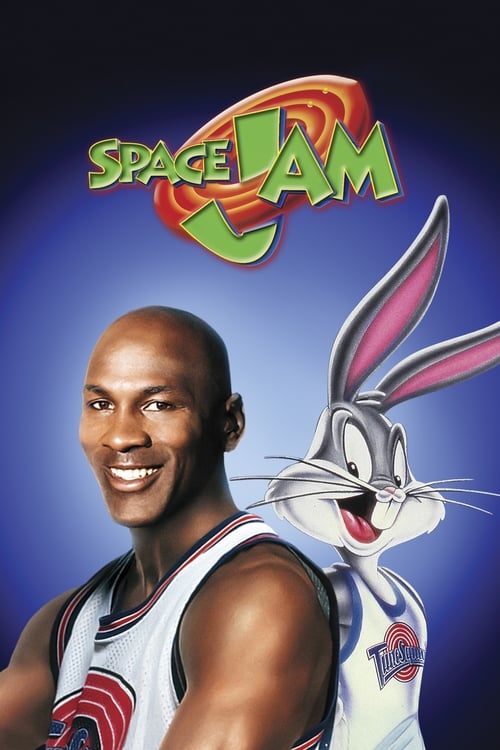
With their freedom on the line, the Looney Tunes seek the help of NBA superstar Michael Jordan to win a basketball game against a team of moronic aliens.
El Mono relojero is a 1938 Argentine animated short film directed by Quirino Cristiani. It is the only film from this director that exists up to this day, since all his other productions (including the first two animated feature films, El Apóstol (1917) and Sin dejar rastros (1918), as well as the first animated film with sound, Peludópolis (1931)) were lost in a series of fires at the facilities where the negatives and copies were stored.
This is a story about the origin of hostility between a cat and a dog. Based on the ballad of Hovhannes Tumanyan.
Koro wants to get to the other side of the road.
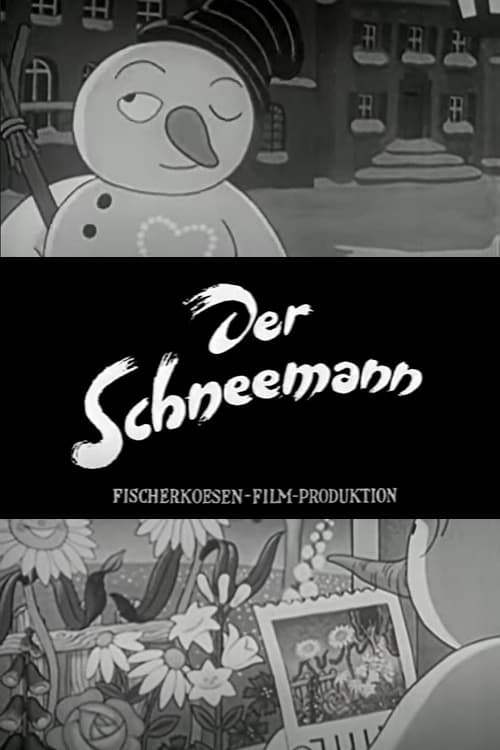
It is winter and a snowman comes alive. On his adventure he will find a calendar that will make him wish to know the spring.
This one features Jasper talking to the Talking Scarecrow. The Scarecrow then tells Jasper in flashback about his show business days. You see many scenes of dancing watermelon men and other minstrel caricatures.
Retrospective featurette included with the 2014 Blu-ray by Arrow Video.
Retrospective interview with Joe Pantoliano included with the 2014 Blu-ray by Arrow Video.