A documentary about the problems of post-war reconstruction and the beginnings of socialism in Bulgaria, Czechoslovakia and Poland.
No Cast found.
No Trailers found.
The documentary of the Nuremberg War Trials of 21 Nazi dignitaries held after World War II.
A feature length, lively - montage style - documentary, capturing the essence of what life was like in socialist Hungary - dubbed the "The most cheerful barrack" back then - using contemporary music, interviews, adverts and news footages.
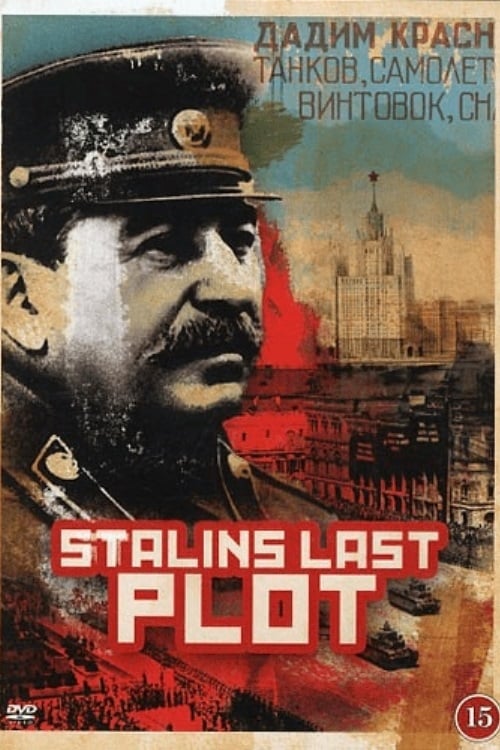
January 1953: On the eve of his death Stalin finds himself yet another imaginary enemy: Jewish doctors. He organizes the most violent anti-Semitic campaign ever launched in the USSR, by fabricating the "Doctors' Plot," whereby doctors are charged with conspiring to murder the highest dignitaries of the Soviet Regime. Still unknown and untold, this conspiracy underlines the climax of a political scheme successfully masterminded by Stalin to turn the Jews into the new enemies of the people. It reveals his extreme paranoia and his compulsion to manipulate those around him. The children and friends of the main victims recount for the first time their experience and their distress related to these nightmarish events.
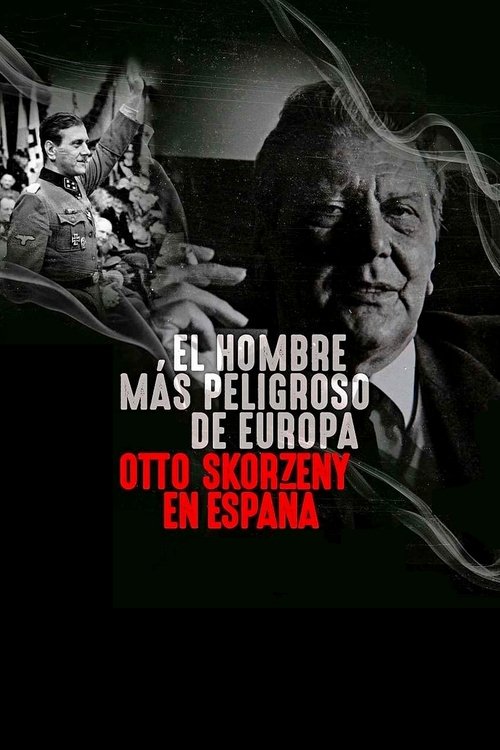
Waffen-SS officer Otto Skorzeny (1908-75) became famous for his participation in daring military actions during World War II. In 1947 he was judged and imprisoned, but he escaped less than a year later and found a safe haven in Spain, ruled with an iron hand by General Francisco Franco. What did he do during the many years he spent there?
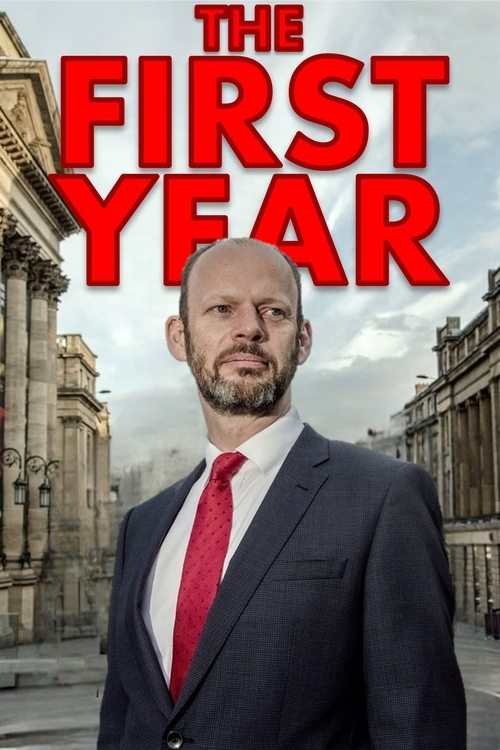
The First Year tells the inside story of Jamie Driscoll’s first 12 months as the new North of Tyne Mayor.
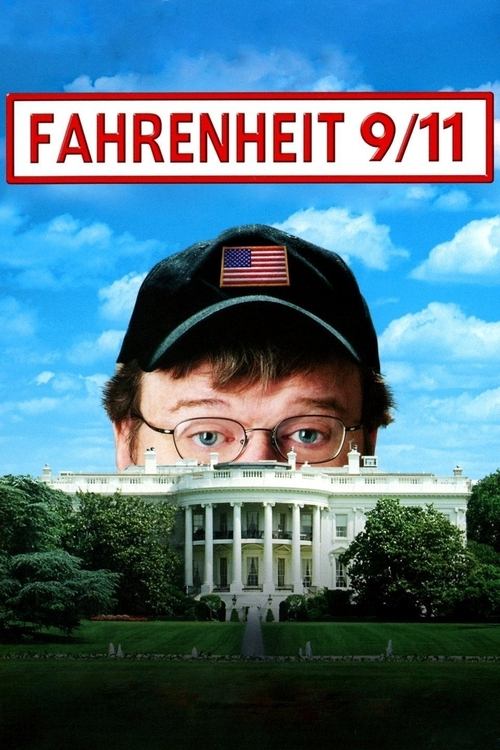
Michael Moore's view on how the Bush administration allegedly used the tragic events on 9/11 to push forward its agenda for unjust wars in Afghanistan and Iraq.
Sean McAllister's bleak, extraordinarily intimate film offers an insight into the lives of 35 year old Kevin, who hasn't worked in 18 years, and his 19 year old girlfriend Robbie, who earns 70 pounds a week as a seamstress.
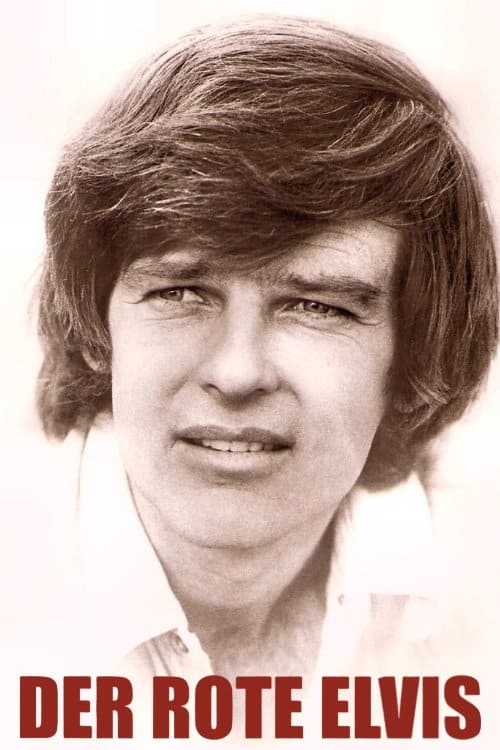
A documentary on the late American entertainer Dean Reed, who became a huge star in East Germany after settling there in 1973.
Trump Card is an expose of the socialism, corruption and gangsterization that now define the Democratic Party. Whether it is the creeping socialism of Joe Biden or the overt socialism of Bernie Sanders, the film reveals what is unique about modern socialism, who is behind it, why it’s evil, and how we can work together with President Trump to stop it.
Reveals an alternate history of the post-war world. This is a version of history where, in contrast to what we are all told, fascist ideology prevailed. The story of Klaus Barbie, Nazi torturer, American spy, tool of repressive right-wing regimes, is symbolic of the real relationship that the "Western" governments had with fascism and makes us see the world as it is today - and the politicians that inhabit it - in a different way.
Jean-Luc Godard brings his firebrand political cinema to the UK, exploring the revolutionary signals in late '60s British society. Constructed as a montage of various disconnected political acts (in line with Godard's then appropriation of Soviet director Dziga Vertov's agitprop techniques), it combines a diverse range of footage, from students discussing The Beatles to the production line at the MG factory in Oxfordshire, burnished with onscreen political sloganeering.
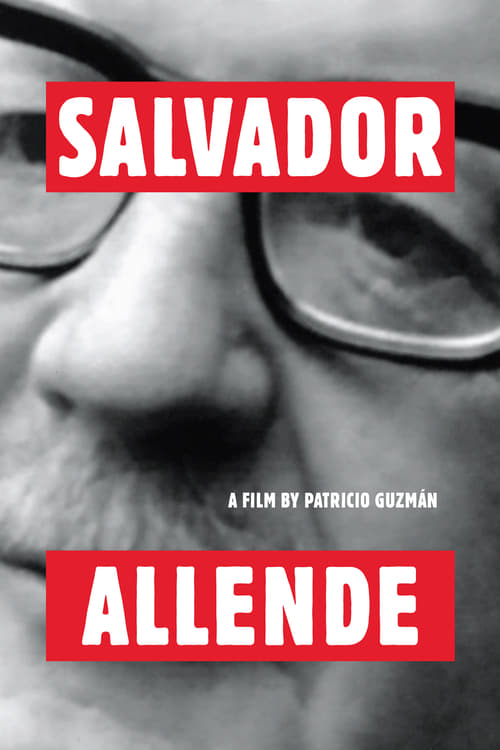
A leftist revolutionary or a reformist democrat? A committed Marxist or a constitutionalist politician? An ethical and moral man or, as Richard Nixon called him, a "son of a bitch"? In SALVADOR ALLENDE, acclaimed Chilean filmmaker Patricio Guzmán (The Battle of Chile and Chile, Obstinate Memory) returns to his native country thirty years after the 1973 military coup that overthrew Chile's Popular Unity government to examine the life of its leader, Salvador Allende, both as a politician and a man.
No overview available.
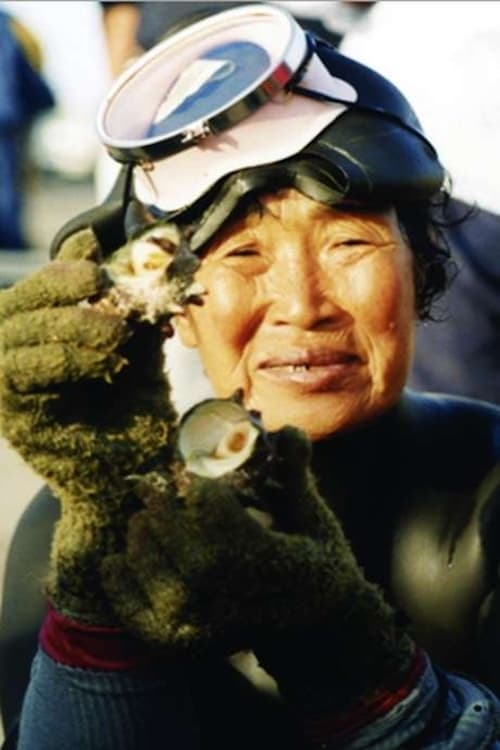
Jeju-do is the largest of Korean islands and lies between Korea and Japan. There, for hundreds of years, women dive without breathing apparatus, to the ocean floor and collect shellfish, octopus, and urchins that they sell. The divers are in their sixties and seventies and their daughters do not want to inherit their work, lifestyle, and health problems that go with diving. As a filmmaker I was privileged to meet many of these women and dive with them. Their stories of hardship and pride confirmed my desire to record this unique and ancient tradition.
Docudrama telling the story of a building with a breath taking career that began in the empire, flourished in the Weimar Republic, perished in the Nazi dictatorship, and was rebuilt after its partial destruction.
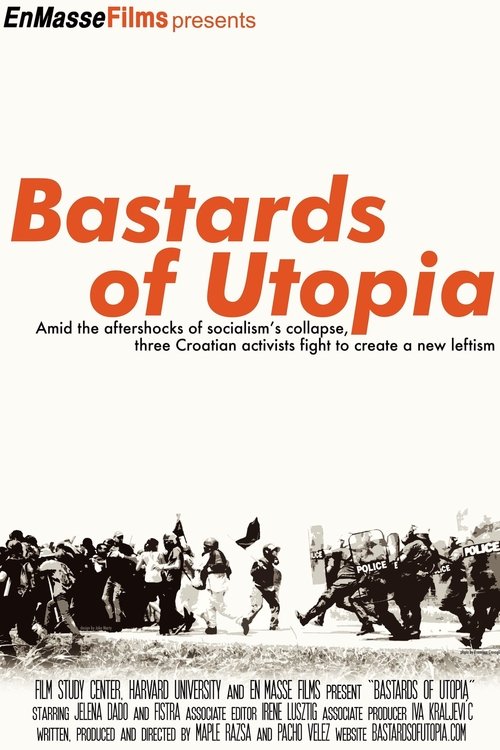
Three Croatian activists struggle to change the world. As children, they lived through the violent collapse of Yugoslavia. But now, amid the aftershocks of socialism's failure, they fight in their own way for a new leftism. In the middle of the struggle, a skeptical American is won over by their cause and even goes to jail with them. The activists, whether clashing with police or squatting in an old factory, risk everything to live their politics. But as the setbacks mount, will they give up the fight? The film, shot during years of fieldwork with a Croatian anarchist collective, applies EnMasseFilm's unique blend of observation, direct participation and critical reflection to this misunderstood political movement. Its portrayal of activism is both empathetic and unflinching -- an engaged, elegant meditation on the struggle to re-imagine leftist politics and the power of a country's youth.
A Experimental Docu-Drama about the Red Army Faction's formation, and events leading up to their imprisonment and death, from 1970 to 1977.
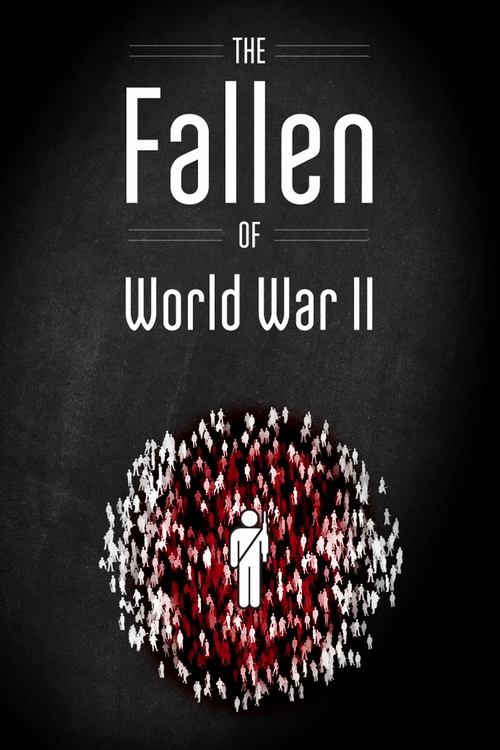
This interactive infographic short documentary examines the human losses of the Second World War between 1939 and 1945 and the decline in battle deaths in the years since that most terrible war of human history. The 19-minute data visualization uses cinematic storytelling techniques to provide viewers with a fresh and dramatic perspective of a pivotal moment in history. The film follows a linear narration, but it allows viewers to pause during key moments to interact with the charts and dig deeper into the numbers.
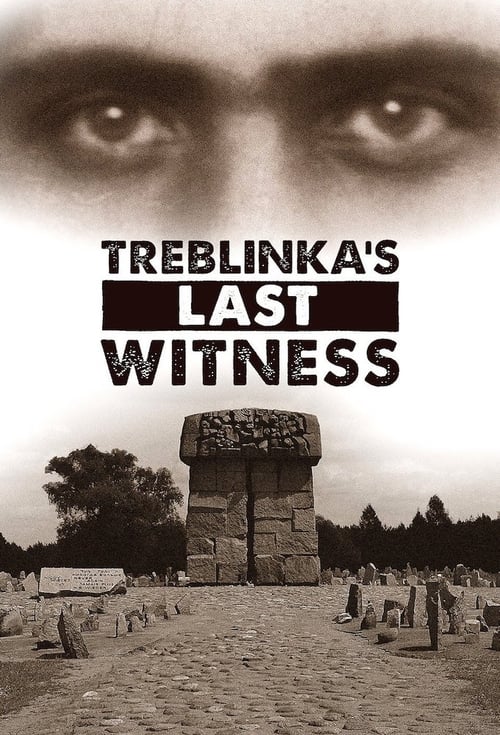
Samuel Willenberg and Kalman Taigman, the last two survivors of the Nazi extermination camp Treblinka, recount the horrors they experienced during the war and talk about their lives after their escape in a prisoner uprising in 1943. Willenberg would go on to become a hero of the 1944 Warsaw uprising while Taigman would be called as a witness during the infamous trial of Adolf Eichmann.
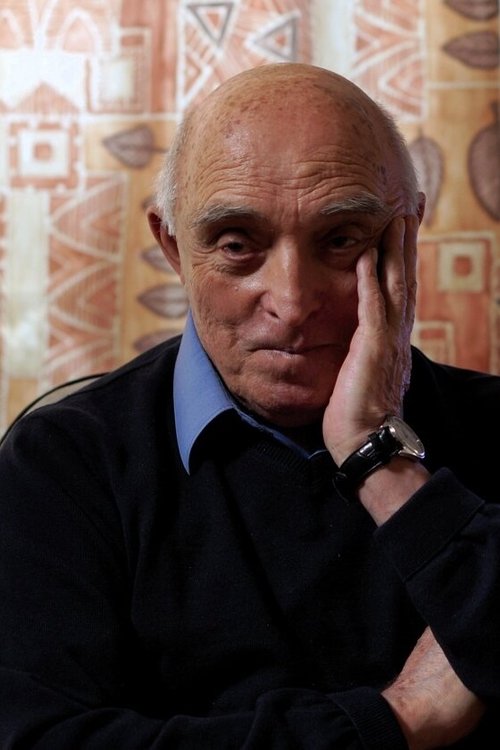
A documentary on the "Slovak Solzhenitsyn" Rudolf Dobiáš (*1934), political prisoner during the Communist era.