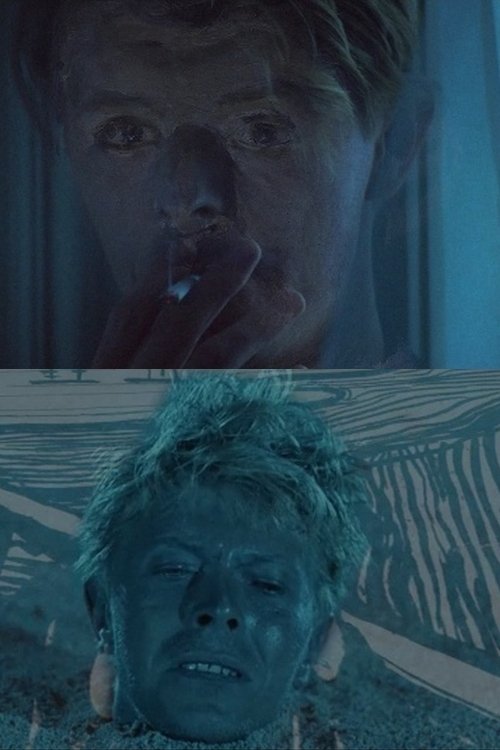
Munchsferatu is a painter who has become a vampire by living only for his art. An experimental narrative mashup film with David Bowie, Gérard Depardieu, Christina Hendricks and Josiane Balasko.
No Trailers found.
No Cast found.
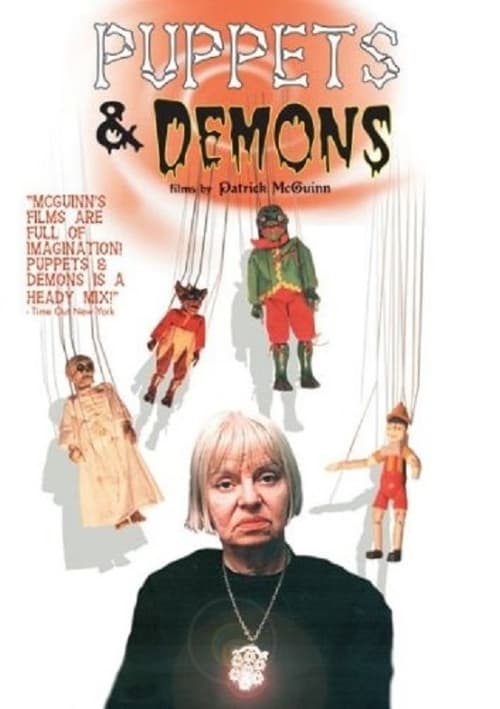
An anthology of surreal films by Patrick McGuinn featuring Vincent, a puppet who is obsessed with Twinkies and pasta.
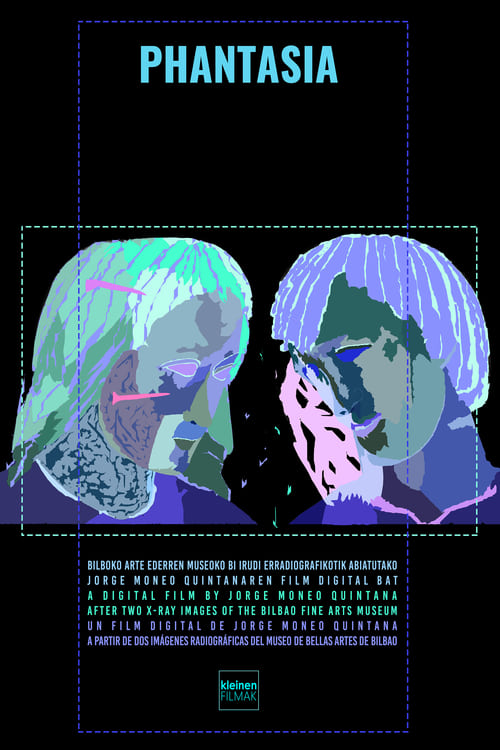
X-ray images were invented in 1895, the same year in which the Lumière brothers presented their respective invention in what today is considered to be the first cinema screening. Thus, both cinema and radiography fall within the scopic regime inaugurated by modernity. The use of X-rays on two sculptures from the Bilbao Fine Arts Museum generates images that reveal certain elements of them that would otherwise be invisible to our eyes. These images, despite being generally created for technical or scientific purposes, seem to produce a certain form of 'photogénie': they lend the radiographed objects a new appearance that lies somewhere between the material and the ethereal, endowing them with a vaporous and spectral quality. It is not by chance that physics and phantasmagoria share the term 'spectrum' in their vocabulary.
An animated cartoon about the Creation myth reviewed and corrected by two women. God the magician has decided to create a paradise: Switzerland. He covers it with trees and cows, until Adam is born. After exploring his paradise, Adam creates Eve from one of his ribs. Man is shown as an erect penis, woman by a limbless trunk.
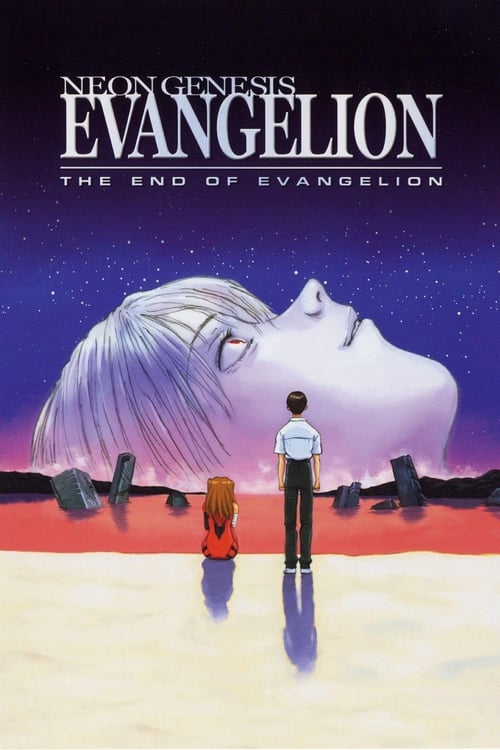
SEELE orders an all-out attack on NERV, aiming to destroy the Evas before Gendo can advance his own plans for the Human Instrumentality Project. Shinji is pushed to the limits of his sanity as he is forced to decide the fate of humanity.
Creeping from the halls of the maze brain, corruption and terror is woven by devils born from the denied errors of mankind.
An anthology of one-minute films created by 51 international filmmakers on the theme of the death of cinema. Intended as an ode to 35mm, the film was screened one time only on a purpose-built 20x12 meter public cinema screen in the Port of Tallinn, Estonia, on 22 December 2011. A special projector was constructed for the event which allowed the actual filmstrip to be burnt at the same time as the film was shown.
For the first time I am animating hand-painted engraved cut-outs on a full-color background. The film is mood-filled: A duel scene in a snowy forest, obviously the morning after a masquerade ball. Harlequin lies dying, while Red Indian walks away with the wings of victory. The woman between them appears, cat-masked. The mask dissolves away. Her spirit passes into the face of the sun upon the sun upon the sun flower. But Harlequin cannot escape death. The blue world engulfs him.
In the unearthly world of E, hand-made meets hi-tech as characters appear to consume one another with their own, trafficked likenesses. Constructing her work entirely from laser-printed film stills (approximately 770 in total) lifted from Niklaus Schilling’s 1972 horror film, Nachtschatten, Zemlianski rips, layers, and paints these images with pastels and charcoal, then scans them back together into a bracing animation set to the eponymous song (“E”) by the Berlin-based band, Comb.
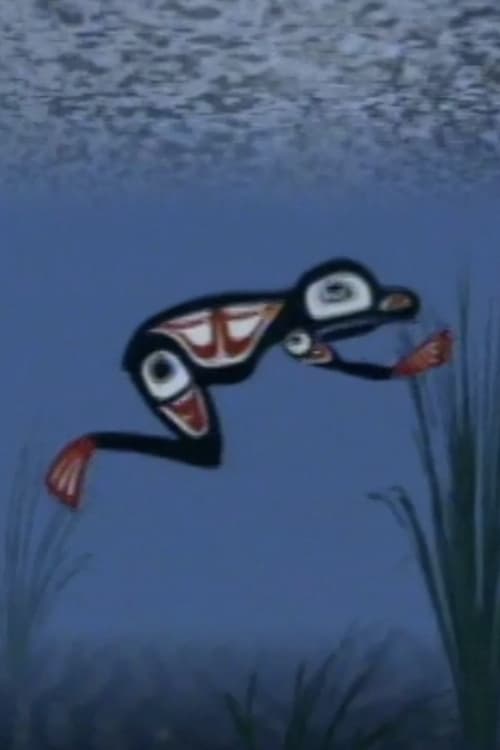
Traditional Northwestern Indigenous spiritual images combined with cutting-edge computer animation in this surreal short film about the power of tradition. Three urban Indigenous teens are whisked away to an imaginary land by a magical raven, and there they encounter a totem pole. The totem pole's characters—a raven, a frog and a bear—come to life, becoming their teachers, guides and friends. Features a special interview with J. Bradley Hunt, the celebrated Heiltsuk artist on whose work the characters in Totem Talk are based.
An old woman is carrying shopping bags. A child with a gun is riding a scooter. Birds are flying. A city is falling. A party is lit.
In a nightmarish world, dominated by the decline and degradation of Man , Christ resurrected wandering, across three different eras of human history.
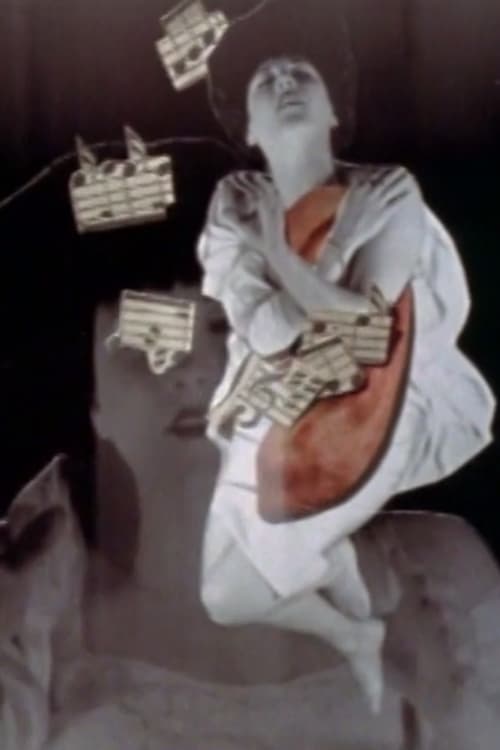
Initially commissioned to accompany a Danish production of Alban Berg’s LULU, Lewis Klahr’s cut-out animation refigures the opera's themes in a torrent of images. With an ever-inventive approach to color and symbol, Klahr distills the title character's moral predicament, along with a great many of German Expressionism’s characteristic motifs, in the span of a pop song.
Slow disintegration and aging of artists head, revealing underlying bone structure. Created using old picture-phone technology. New music added in 2013.
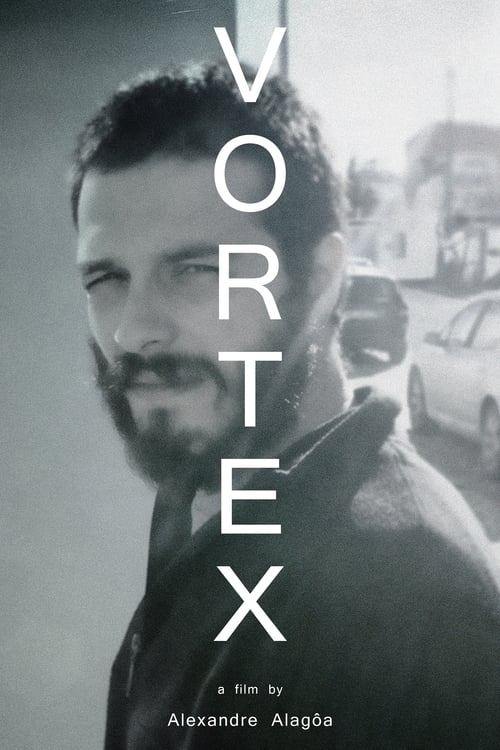
A corridor of an apartment is transformed into a claustrophobic and vertiginous vortex that swallows and imprisons you in an infinite fall through a mise en abyme: it’s a pure enclosure inside the image world, it’s the Descent into the Maelstrom.
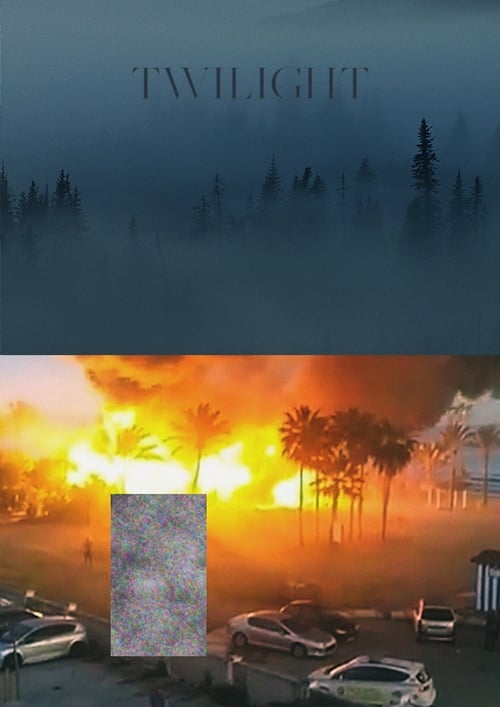
Feeling lost, a holidayer takes a vacation, only to discover a world that is as banal as it is hyper-real. A found-footage essay film. A home-movie. A music video. An experimental documentary about the fantasy of air travel. Taking a tour of the global centres of accumulation - New York, Dubai, Burning Man - Twilight documents the unreal, the mundane and the spectre of ecological collapse.
We watch white shapes dancing on black background, which changes when the white shape fills up the screen completely, and black lines and figures bounce around on the now white background.
Organized in 12 discrete chapters, Sixty Six is a milestone achievement, the culmination of Klahr’s decades-long work in collage filmmaking. With its complex superimpositions of imagery and music, and its range of tones and textures at once alluringly erotic and forebodingly sinister, the film is a hypnotic dream of 1960 and 1970s Pop. Elliptical tales of sunshine noir and classic Greek mythology are inhabited by comic book super heroes and characters from Portuguese foto romans who wander through midcentury modernist Los Angeles architectural photographs and landscapes from period magazines.
A narrative self-discovery theme done in real time in Art Nouveau style.
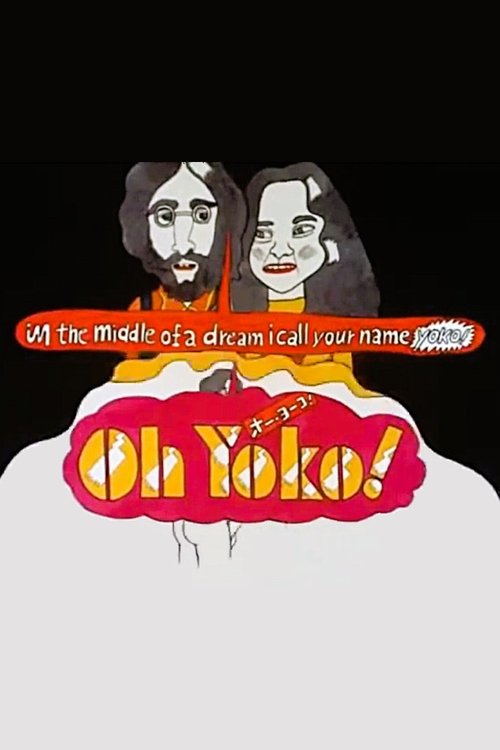
Animation by japanese artist Keiichi Tanaami for John Lennon's song "Oh Yoko!" -- the song was released in 1971, and the animation made in 1973. Keiichi Tanaami (田名網 敬一, Tanaami Keiichi, born in 1936 in Tokyo) was one of the leading pop artists of postwar Japan, and was active as multi-genre artist since the 1960s as a graphic designer, illustrator, video artist and fine artist until his death in 2024.
The first part depicts the heroine's toothache consequent to the loss of a very valuable watermelon, her dentistry and transportation to heaven. Next follows an elaborate exposition of the heavenly land, in terms of Israel and Montreal. The second part depicts the return to Earth from being eaten by Max Müller on the day Edward VII dedicated the Great Sewer of London.