No Trailers found.
Self (archive footage)
Présentatrice
Self
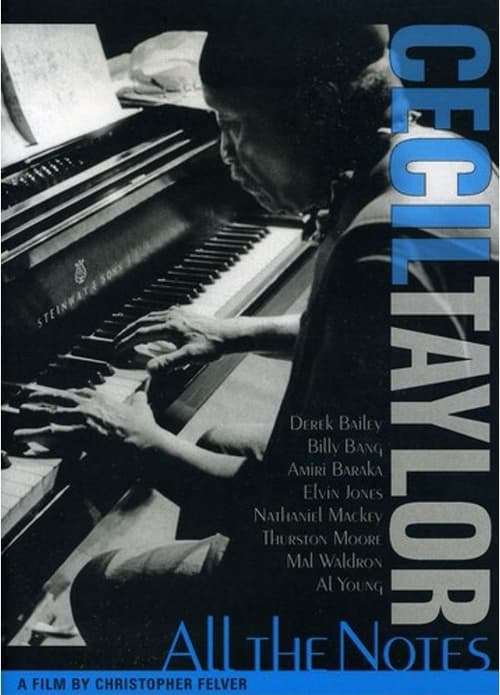
Cecil Taylor was the grand master of free jazz piano. "All the Notes" captures in breezy fashion the unconventional stance of this media-shy modern musical genius, regarded as one of the true giants of post-war music. Seated at his beloved and battered piano in his Brooklyn brownstone the maestro holds court with frequent stentorian pronouncements on life, art and music.
This MGM Passing Parade series short takes a look at changing definitions of art in the United States.
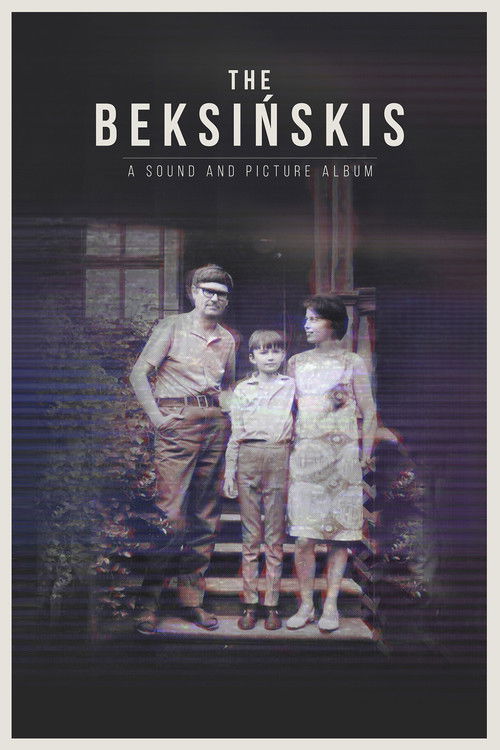
Painter Zdzisław Beksiński, his wife Zofia and their son Tomasz, a well-known radio journalist and translator, were a typical and unconventional family, both at the same time. One of the father’s obsessions was filming himself and his family members. Using archival footage only, shot primarily by Zdzisław, as well many other materials, which have not been presented anywhere so far, the film tells a tragic story of the Beksińskis that has never ceased to fascinate Polish filmmakers.
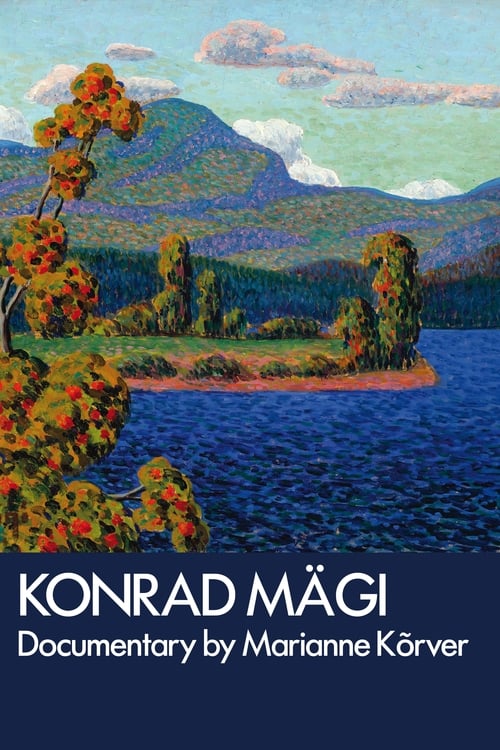
A documentary made for Konrad Mägi exhibition "The Light of the North" in Torino, Musei Reali (2019-2020), about Mägi's life and his legacy.
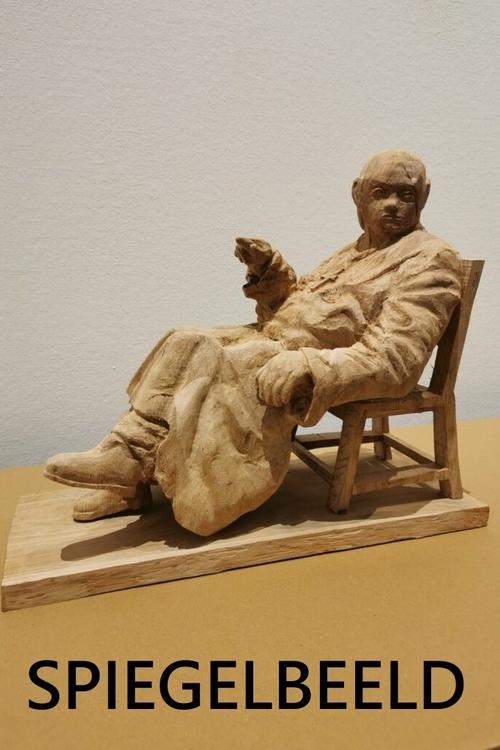
Tilburg artist Tommy van der Loo searches for the influence of superiority thinking, racism and colour in his life. Van der Loo is an emerging artist and his work has been purchased by Boijmans van Beuningen in Rotterdam. He also had an exhibition at the Kunsthal. He also made the memorial for the abolition of slavery in Eindhoven. He has had multiple experiences with discrimination and incorporates that into his sculptures. Identity and image formation are important to him: How do you look at others, how do others look at you. The search is the inspiration for his new sculpture.
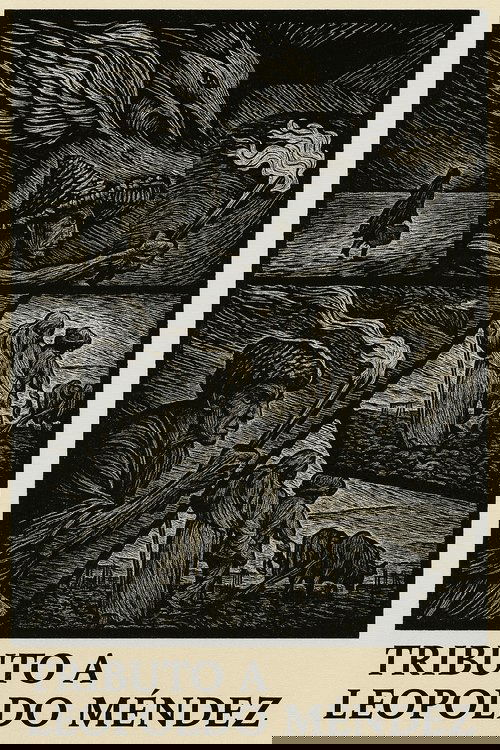
Tribute to Leopoldo Méndez, a prominent Mexican artist, considered the most important printmaker in Contemporary Mexico
Song is a story of the last Finnish rune singer and his pupil, and the comforting power of singing.
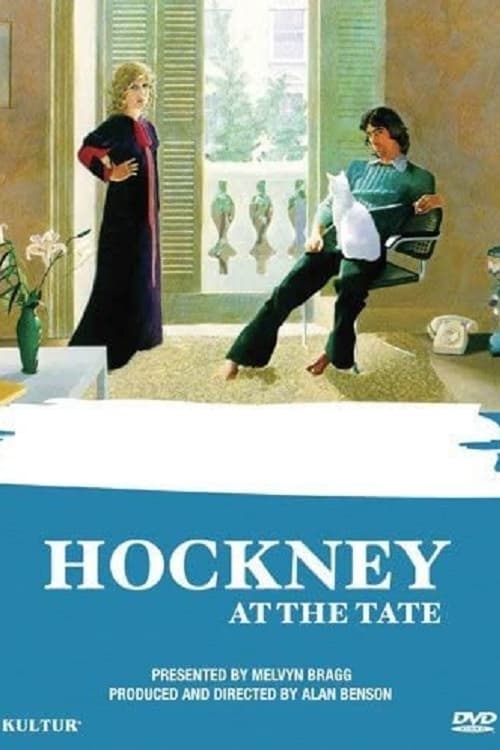
To mark his fiftieth birthday in 1988, London's Tate Gallery staged a major retrospective of his work. Melvyn Bragg joined David Hockney for an exclusive private view of the exhibition and they were filmed discussing pictures from all stages of Hockney's remarkable career.
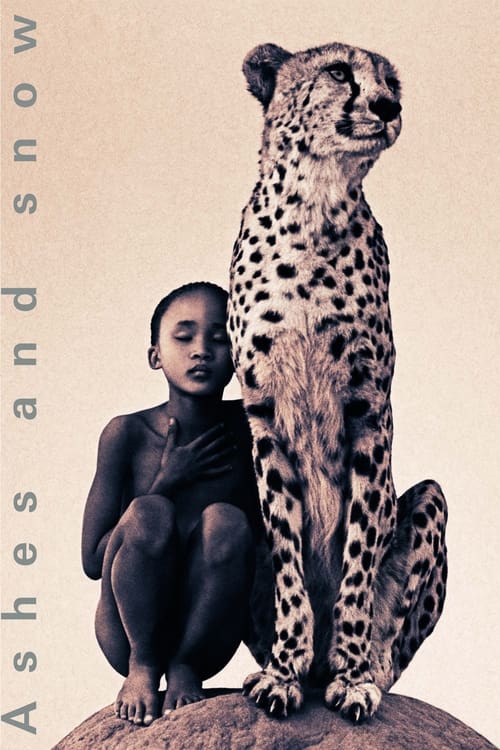
Ashes and Snow, a film by Gregory Colbert, uses both still and movie cameras to explore extraordinary interactions between humans and animals. The 60-minute feature is a poetic narrative rather than a documentary. It aims to lift the natural and artificial barriers between humans and other species, dissolving the distance that exists between them.
A look at the feud between graffiti artists King Robbo and Banksy.
TWO OR THREE THINGS I KNOW ABOUT EDWARD HOPPER is an immersive experience in 3D, that takes its viewers on a journey into the world of Hopper, sharpening their senses for some aspects of his unique work.
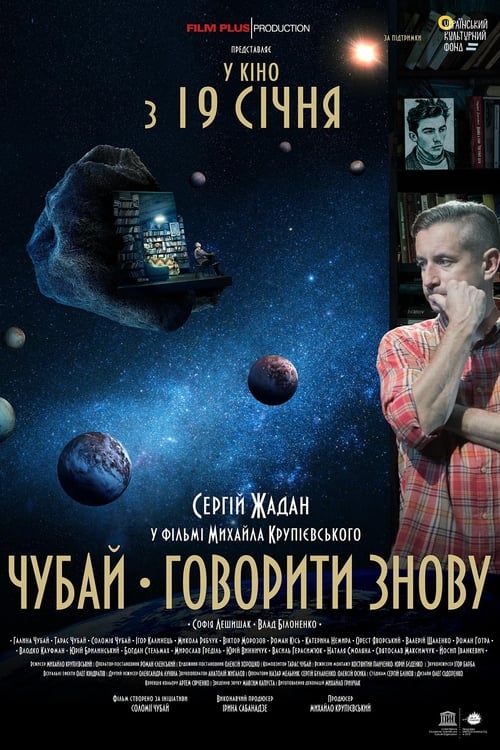
A theatrical documentary about Hrytsko Chubai, a genius of Ukrainian poetry, a connoisseur of literature, art and music and the brightest representative of Lviv underground culture of late 60s early 70s.
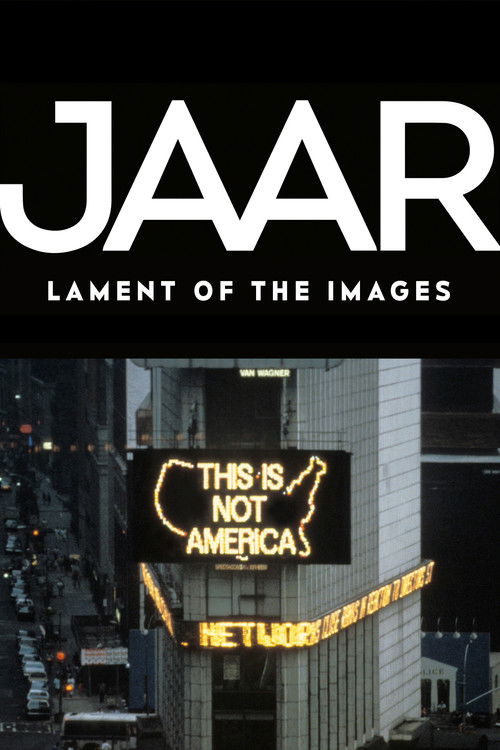
Follows Chilean artist Alfredo Jaar as he finds his artistic voice and develops the socially critical perspective of his work.
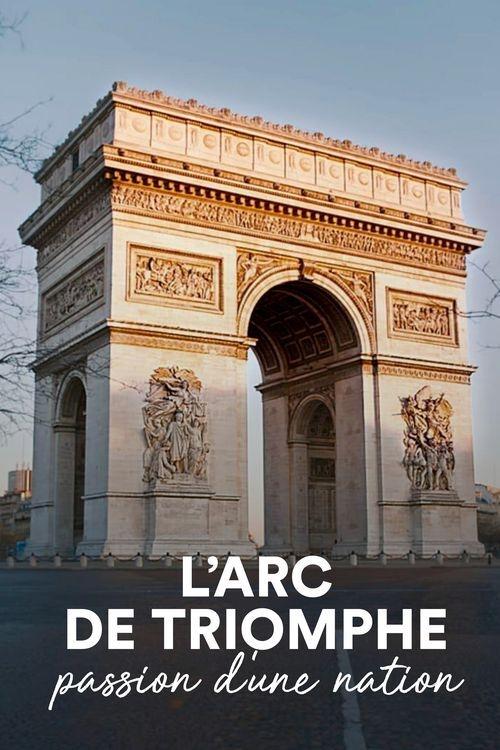
The pride of Napoleon's victories, the Arc de Triomphe, whose first stone was laid in 1806 at the top of the Champs-Élysées, is, along with the Eiffel Tower, one of the most visited monuments in the French capital. Wanted by an emperor, inaugurated under the reign of a king (Louis-Philippe) and sanctuarized by the Republic, this patriotic temple polarizes the passions of a whole nation. A historical portrait before "packaging", which teems with anecdotes and unsuspected details.
Slow Southern Steel is a film about heavy music in the modern American South, as told by the very people who have created this music during the last two decades. Shot in back alleys, parking lots, and the seedy green rooms of the dirtiest clubs that the Bible Belt failed to snuff out, these diehard musicians discuss their love of music and the south, as well as the difficulties, contradictions, and insanity that haunt every southern artist. There are no illusions here, no apologies, no distractions - only the straight truth as told by those who would know the difference. Narrated by the notorious Dixie Dave Collins (Weedeater, Buzzov-en, Bongzilla), Slow Southern Steel is an authentic and honest and thorough look at one of the most remarkable music communities ever spawned on the continent.
Documentary celebrating the LGBTQ contribution to the arts in Britain in the 50 years since decriminalisation. It features interviews with leading figures from right across the arts in Britain, including Stephen Fry, David Hockney, Sir Antony Sher, Alan Cumming, Sandi Toksvig, Jeanette Winterson, Will Young and Alan Hollinghurst, and it explores the distinctive perspectives and voices that LGBT artists have brought to British cultural life.
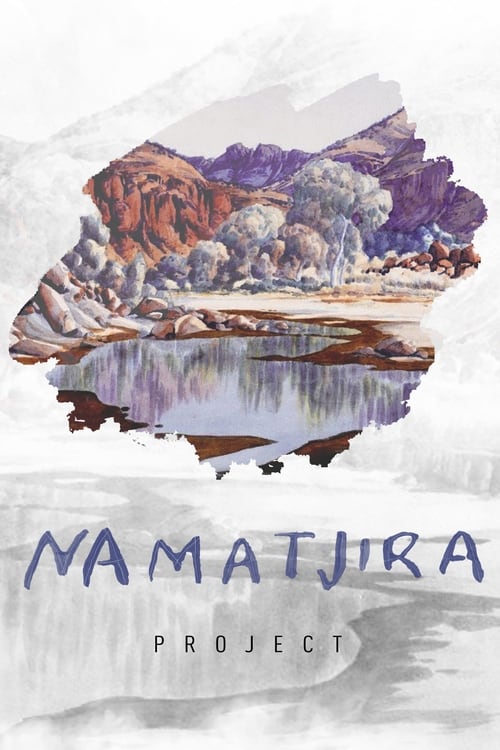
From the remote Australian desert to the opulence of Buckingham Palace - Namatjira Project is the iconic story of the Namatjira family, tracing their quest for justice.
No overview available.
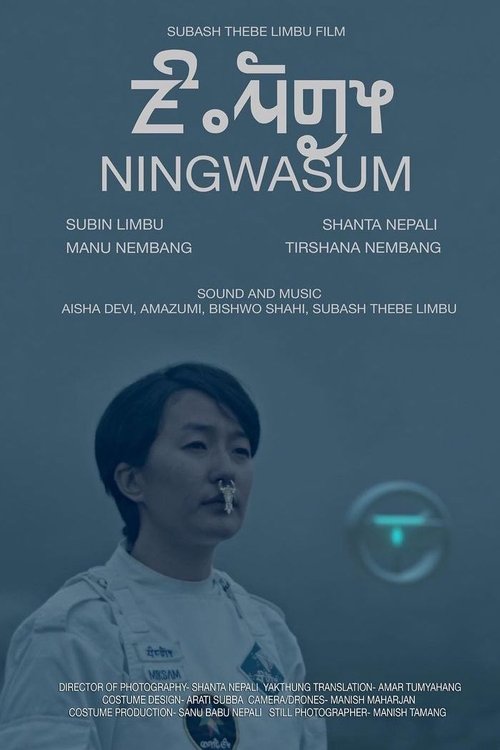
Ningwasum follows two time travellers Miksam and Mingsoma, played by Subin Limbu and Shanta Nepali respectively, in the Himalayas weaving indigenous folk stories, culture, climate change and science fiction.
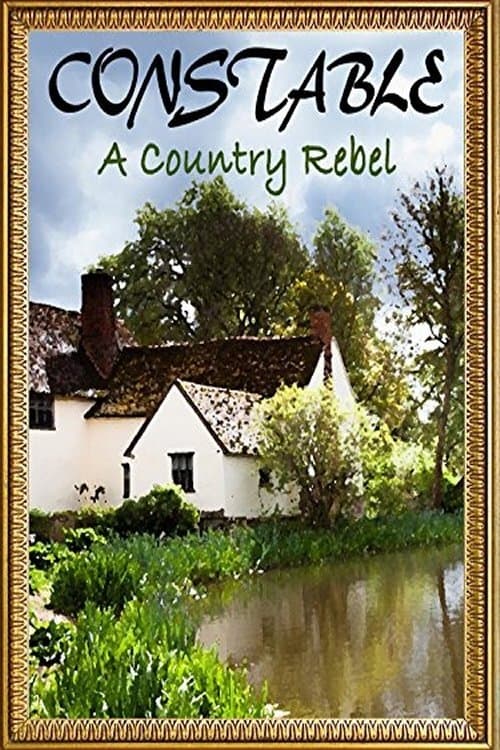
The Haywain by John Constable is such a comfortingly familiar image of rural Britain that it is difficult to believe it was ever regarded as a revolutionary painting, but in this film, made in conjunction with a landmark exhibition at the V&A, Alastair Sooke discovers that Constable was painting in a way that was completely new and groundbreaking at the time. Through experimentation and innovation, he managed to make a sublime art from humble things and, though he struggled in his own country during his lifetime, his genius was surprisingly widely admired in France.