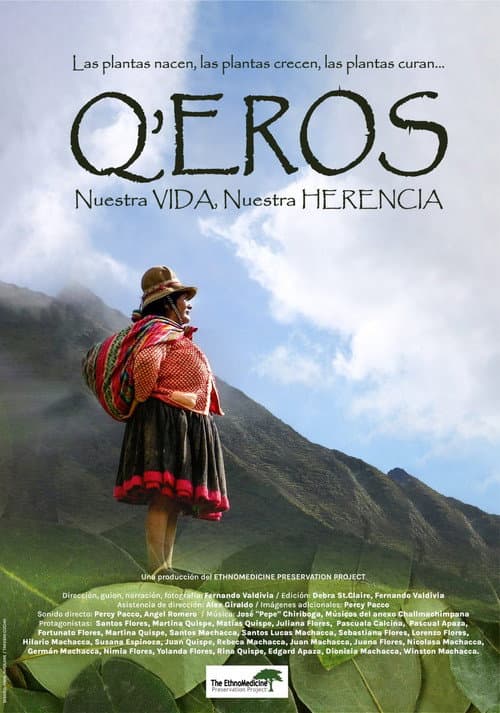
A day in the life of Esperanza, a Quechua girl who lives in the remote mountains of southwestern Bolivia.
No Cast found.
No Trailers found.
In the rich hill of Potosí in Bolivia there is a silver mine that was the largest in the world. It has been exploited since 1546 with the arrival of the Spanish who enslaved the indigenous people to steal the precious metal. To this day, hundreds of meters underground, the indigenous miners continue to exploit the mine in extremely precarious conditions, Martín Cádiz is one of them; hi works in the depths of the hill and desires that his children do not enter these tunnels of hell.
Aggregate States of Matters highlights the ambiguous relationship between humans and nature. For her new 35mm film shot in Peru, Rosa Barba worked with communities that are affected by the melting of a glacier and geological time becoming exposed. Barba shows the slow disappearance of the glacier and the perception of this fact within the Quechuan population in the Andes. While exploring different local myths, she outlines the possibility of translating ancient knowledge into the present time.
Images of Argentinian companies and factories in the first light of day, seen from the inside of a car, while the director reads out documents in voiceover that reveals the collusion of the same concerns in the military dictatorship’s terror.
No overview available.
Danger, toil, and superstition pervade life in a mining town high up in the Bolivian mountains. Tin is the heartbeat of the community providing jobs and livelihoods - but at considerable cost. With deaths commonplace, people make offerings to El Tio, the devil under the earth, for protection and good fortune. But when the mountain's flow of tin ebbs, further measures must be taken...
His buildings are garish, colorful and completely overloaded. Columns and glittering chandeliers everywhere, and way too much of everything. The Bolivian civil engineer and architect Freddy Mamani Silvestre (*1971) builds houses in El Alto for a nouveau riche upper class of the Aymara, the largest indigenous ethnic group in Bolivia.
A documentary centered on the union formed by Bolivian farmers in response to their government's (which was urged by the U.S.) effort to eradicate coca crops, and the man who would come to represent them, Evo Morales.
Are tourists destroying the planet-or saving it? How do travelers change the remote places they visit, and how are they changed? From the Bolivian jungle to the party beaches of Thailand, and from the deserts of Timbuktu, Mali to the breathtaking beauty of Bhutan, GRINGO TRAILS traces stories over 30 years to show the dramatic long-term impact of tourism on cultures, economies, and the environment.
In a remote Peruvian city, lives Honorata Vilca, an illiterate woman of Quechua descent who sells candies more than 20 years ago, with the rain will cry to the sky itself.
A documentary on American political campaign marketing tactics and their consequences.
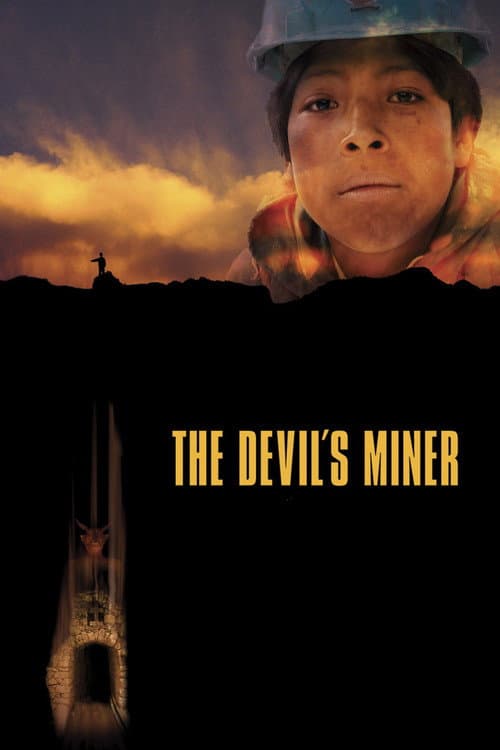
'The Devil's Miner' tells the story of 14-year-old Basilio who worships the devil for protection while working in a Bolivian silver mine to support his family.
In 1946, a group of Latvian Brazilian Baptist missionaries arrived to Rincon del Tigre (“Jaguar’s Corner”), in the backwoods of Bolivia, to preach God’s word to the Ayoreo Indians. After sixty years of selfless work in a largely hostile environment, something seems to have gone terribly wrong. Habituated to living under the protective wings of the mission, the Ayoreos seem neither to be willing to support themselves and start living on their own, nor able to return to their traditional way of life in the jungle. Dressed in second-hand clothes, they are stranded in the backwoods of Western-style civilization, with no particular way to go.
General Alfredo Ovando Candia was a decisive figure in 20 th century Bolivian history. Through old home movies and institutional footage, Mauricio Ovando goes in search of the figure (and the shadow) of his grandfather, interweaving his history and History while going after an uncomfortable truth.
2006: Evo Morales, first indigenous President is elected in Bolivia after the 2003 dramatic events following the fall of the President Sanchez de Lozada (exiled in the U.S. since then). The socialist revolution enters in its crucial stage. But dealing with power carries a burden of temptations and pathologies. In four years of shooting between Bolivia and the US this film focus on the difficult path of this unique historical opportunity. The film ends with the recent TIPNIS dramatic indigenous protest which creates an historical circle.
Single father and Cusco radio host Fernando shares a modest yet endearing hobby with his son: dubbing classic animated clips into Quechua, an Indigenous language spoken by a relatively small population. When one of their dubs unexpectedly goes viral, a private passion transforms into something far more ambitious and meaningful.
The story of a poor girl who leaves her starving family and sheep for a more prosperous village. Her grandfather finds her and tries to convince her to return to her home.