No Trailers found.
No Cast found.
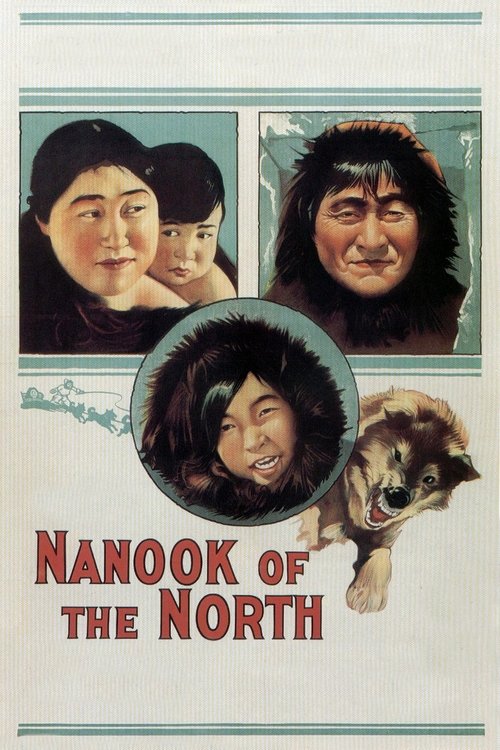
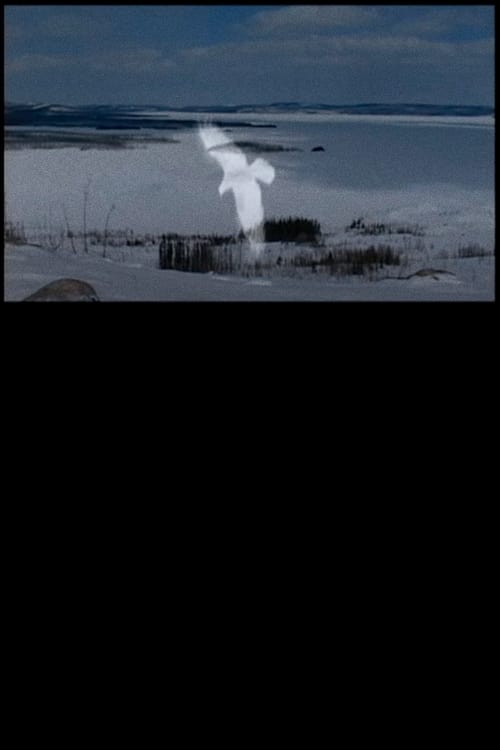
This pioneering documentary film depicts the lives of the indigenous Inuit people of Canada's northern Quebec region. Although the production contains some fictional elements, it vividly shows how its resourceful subjects survive in such a harsh climate, revealing how they construct their igloo homes and find food by hunting and fishing. The film also captures the beautiful, if unforgiving, frozen landscape of the Great White North, far removed from conventional civilization.
A mysterious rumble splits the sky and reverberates in the middle of the forest. A man delves into its depths to discover its origin and answer the questions presented by the universe.
A cinematic and introspective look at the residents of a Quebec town—once the site of the world's largest asbestos mine—as they grapple with their community's industrial past. Striving to honour their heritage while reconciling with their history and forging a new path forward, the miners delve into the intricacies of progress and healing.
Part documentary, part drama, this film presents the life and work of Jack Kerouac, an American writer with Québec roots who became one of the most important spokesmen for his generation. Intercut with archival footage, photographs and interviews, this film takes apart the heroic myth and even returns to the childhood of the author whose life and work contributed greatly to the cultural, sexual and social revolution of the 1960s.
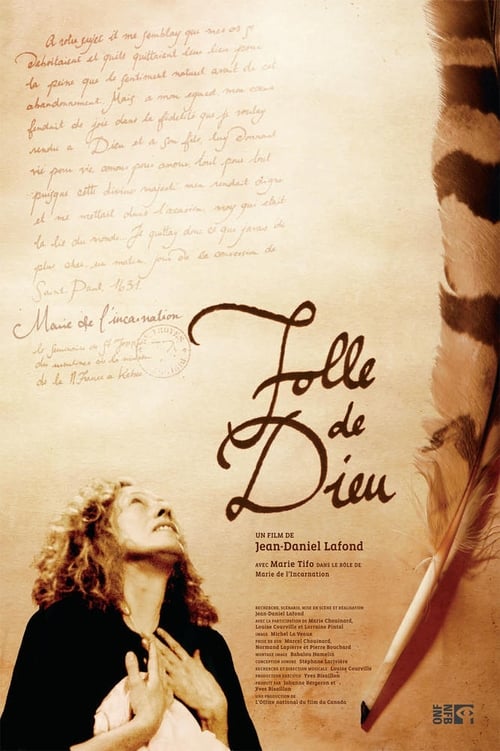
This feature-length film tells the story of the passion between Marie de l’Incarnation, a mid-seventeenth-century nun and God, her "divine spouse." Fusing documentary and acting by Marie Tifo, whom we follow as she rehearses for this demanding role, the film paints an astonishing portrait of this mystic who abandoned her son and left France to build a convent in Canada, where she became the first female writer in New France.
No overview available.
Global warming in context. What the climate of the past tells us about the climate of the future.
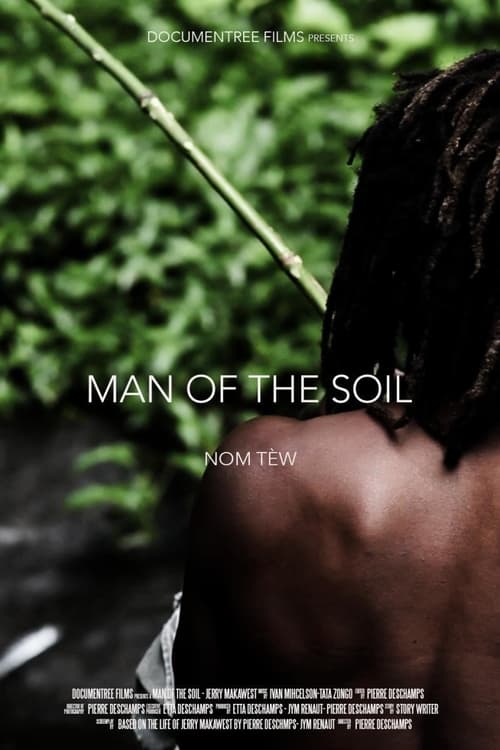
Juxtaposed to the hustle and bustle of city life on the diminutive Caribbean island of Dominica, Jerry Maka West works his garden in the island's lush interior, his Zion, growing and preparing his food just as his grandparents once taught him. Jerry is Nom Tèw, Man of the Soil.
Autism spectrum disorder (DSA) - It is not what they have, but what they are, who they are. They are Felix, Anthony, Marc and Brigitte. They are different.
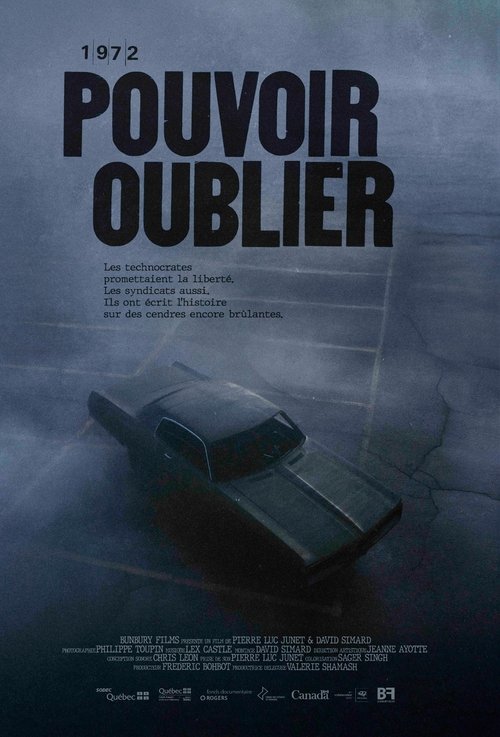
Pouvoir Oublier is a political documentary first constructed from the words of the speakers whose lives changed on the tragic day of May 10, 1972 in Sept-Îles. Their word will be juxtaposed with archival material from the events, some of which are unpublished, which will reflect the collective euphoria in which Sept-Îles and all of Quebec were then bathed.
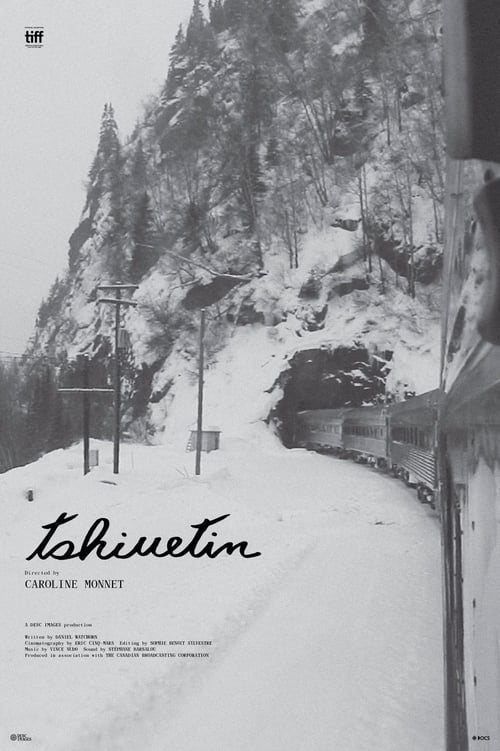
Take a breathtaking train a ride through Nothern Quebec and Labrador on Canada’s first First Nations-owned railway. Come for the celebration of the power of independence, the crucial importance of aboriginal owned businesses and stay for the beauty of the northern landscape.
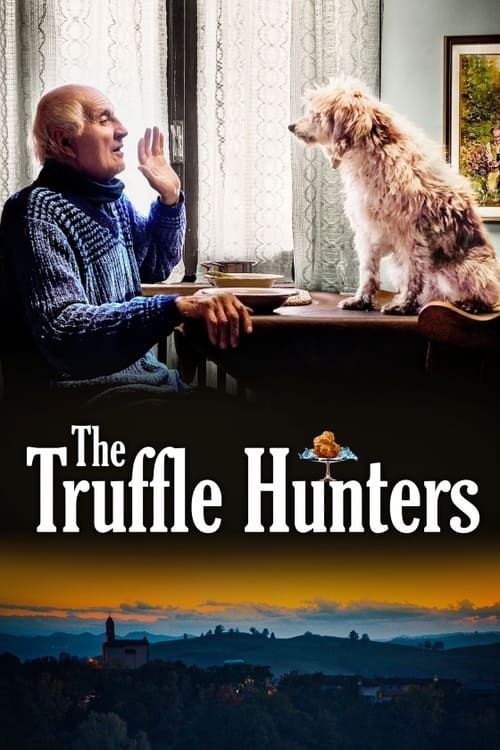
In the secret forests of Northern Italy, a dwindling group of joyful old men and their faithful dogs search for the world’s most expensive ingredient, the white Alba truffle. Their stories form a real-life fairy tale that celebrates human passion in a fragile land that seems forgotten in time.
In search of the lucrative matsutake mushroom, two former soldiers discover the means to gradually heal their wounds of war. Roger, a self-described 'fall-down drunk' and sniper in Vietnam, and Kouy, a Cambodian refugee who fought the Khmer Rouge, bonded in the bustling tent-city known as Mushroom Camp, which pops up each autumn in the Oregon woods. Their friendship became an adoptive family; according to a Cambodian custom, if you lose your family like Kouy, you must rebuilt it anew. Now, however, this new family could be lost. Roger's health is declining and trauma flashbacks rack his mind; Kouy gently aids his family before the snow falls and the hunting season ends, signaling his time to leave.
This short documentary film is a fascinating portrait of urban and rural Quebec in the late 1960s, as the province entered modernity. The collective work produced for the Quebec Ministry of Industry and Commerce calls on several major Quebec figures.
Gilles Groulx's first film shot in 1955 with a camera borrowed from his brother and edited during his spare time when he worked as an editor at the Radio-Canada news service a few years before he joined the NFB. Silent film, presented as its author left it, where the soil and the dialectic of Groulx's work are already there: documentary realism, the social space to be explored, daily life, the relationship between individual and society, social disparities, the consumer society, seduction and happiness.
A black-and-white visual meditation of wilderness and the elements. Wildlife filmmaker Richard Sidey returns to the triptych format for a cinematic experience like no other.
In a quest to rediscover the spiritual values of his own people, an African filmmaker from the Gourmantche tribe of Burkina Faso visits an Aboriginal band, the Atikamekw of northern Quebec. The resulting documentary is a dialogue between those who divine the future in the sand with those who use snow-encased sweat lodges to reconnect with the spiritual world.
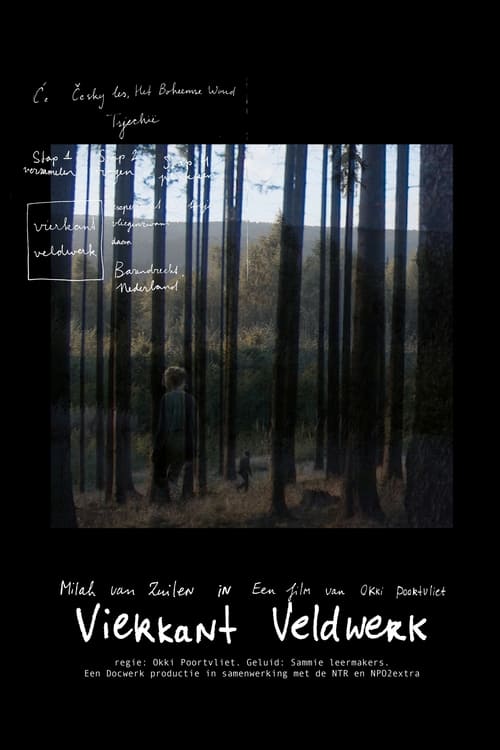
Milah van Zuilen, visual artist and forest ecologist in training, uses the square to deal with the habit of people to construct nature. Square Fieldwork is filmed in the Bohemian forest in the Czech Republic and the concrete structure of Barendrecht, The Netherlands.
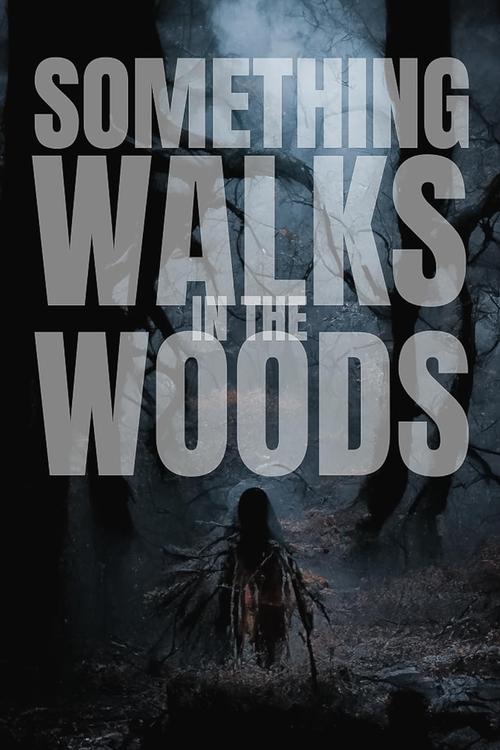
A viral video shows a mysterious figure walking along the edge of the woods each day, and filmmaker Bill Howard sets out to spend a night there to find out exactly what it is.