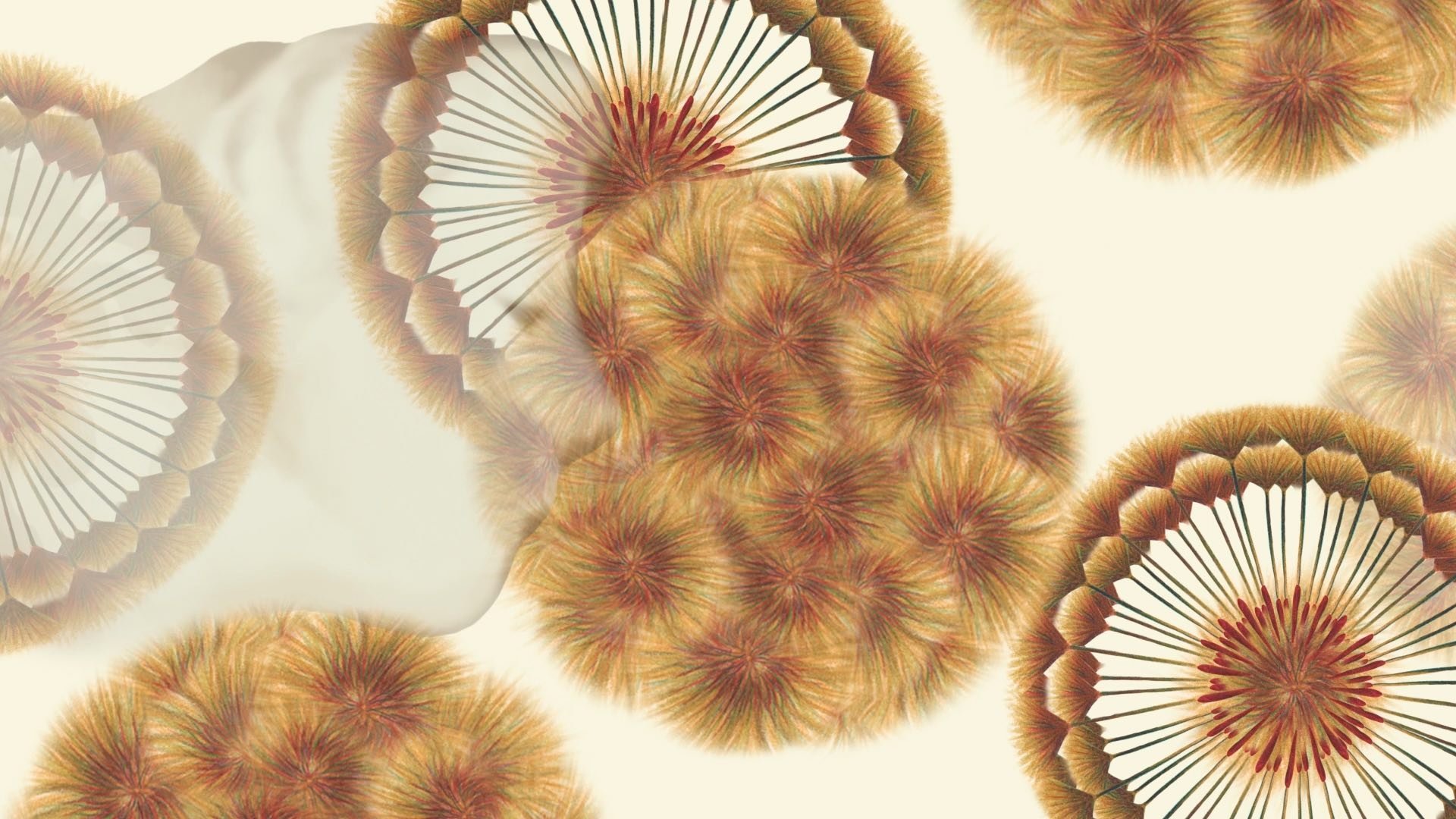
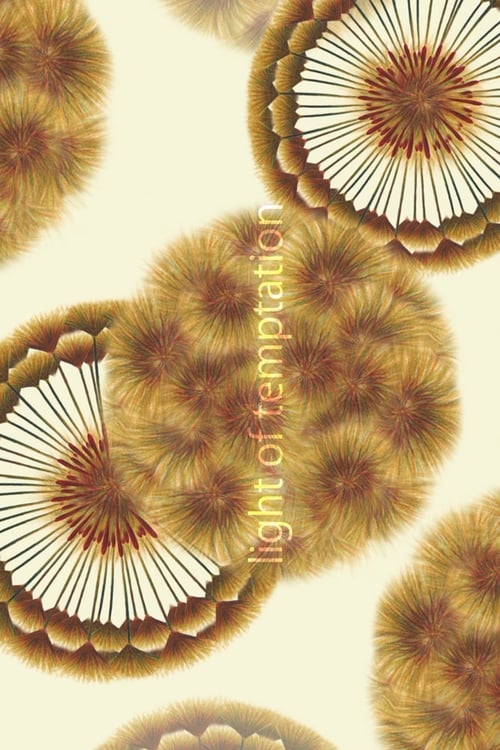
The angel of wind exhales, sending fluffy dandelion seeds into a slow dance. Wind and light guide the downy seeds into the magical world of botany.
No Cast found.
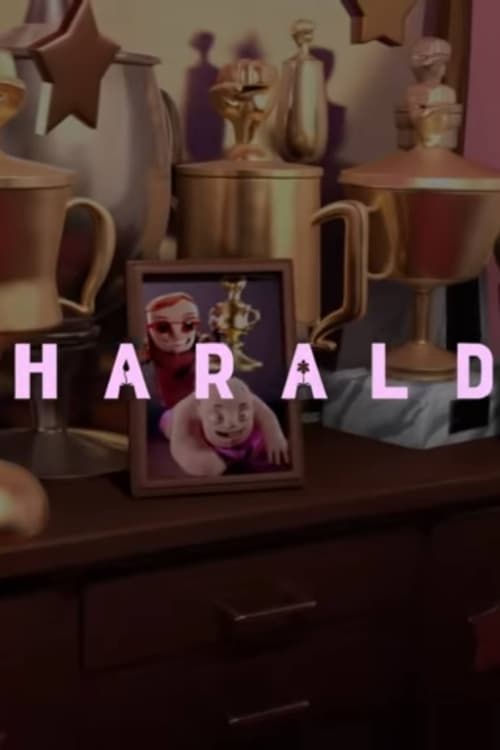
Harald is a wrestler. Driven by his ambitious mother he won a vast number of challenge cups. But his true love is flowers. When his favorite is taken away by his mother one day, he has to fight for it.
Colgrave rolls out another collection of his crazy, surrealist creatures and this time they are moving to the music.
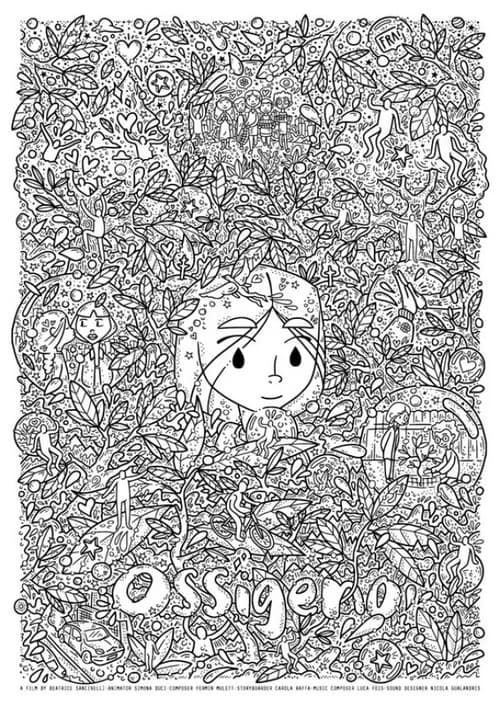
Lena is nine-year-old. One day, she spontaneously makes an act of love that will change her life. She will take care of a plant. An action so simple yet unusual that nowadays only children could instinctively do. Will this revolutionary gesture change the future of our world? In a blurry society made by technological progress and innovation, can a simple action become a revolution?
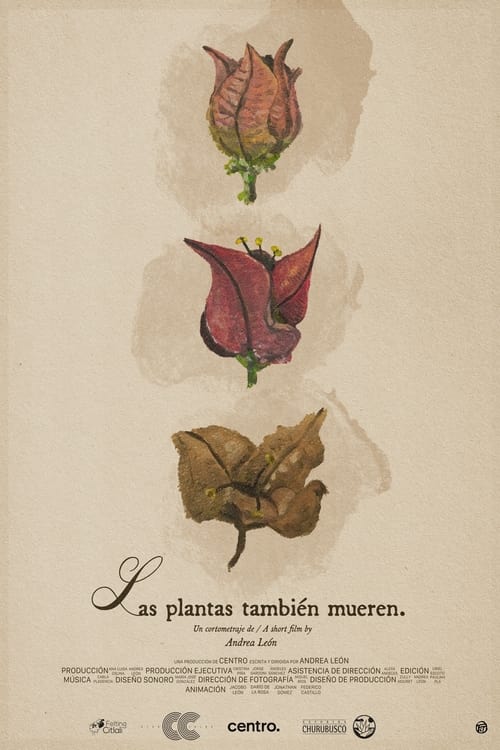
Inside a room full of plants, a woman finds shelter from the outside world. Submerged in delirium, Alba experiences her withering.
Hélène, 40 years old, comes to visit her aging mother in the French countryside. But her mother isn't being her usual self. She seems to have formed a strange bond with the plants, insects, and the old oak tree at the end of her garden...
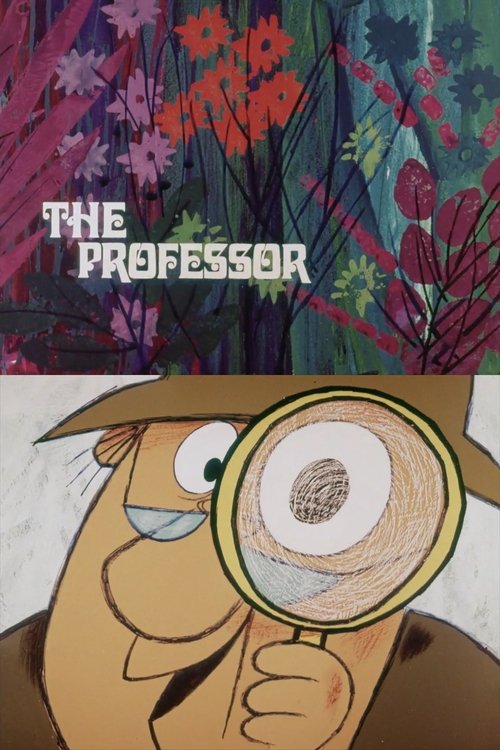
A nutty professor meets a very hungry caterpillar in this animated chase cartoon brimming with swinging 60s backdrops.
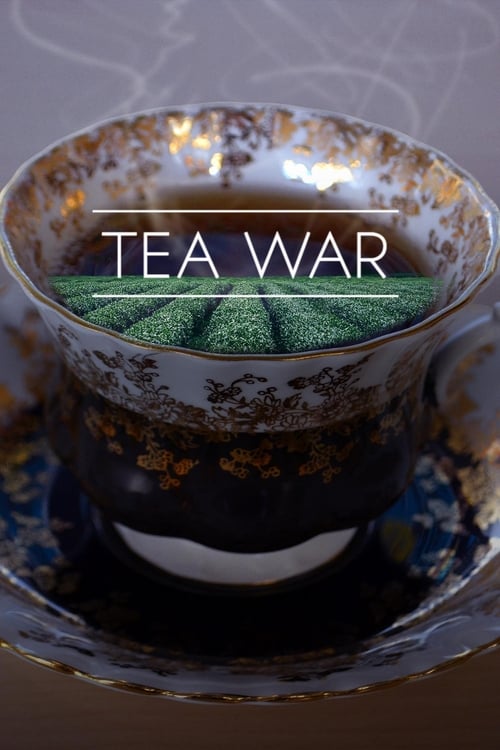
In the 19th century, China held the monopoly on tea, which was dear and fashionable in the West, and the British Empire exchanged poppies, produced in its Indian colonies and transformed into opium, for Chinese tea. Inundated by the drugs, China was forced to open up its market, and the British consolidated their commercial dominance. In 1839, the Middle Empire introduced prohibition. The Opium War was declared… Great Britain emerged as the winner, but the warning was heeded: it could no longer depend on Chinese tea. The only alternative possible was to produce its own tea. The East India Company therefore entrusted one man with finding the secrets of the precious beverage. His mission was to develop the first plantations in Britain’s Indian colonies. This latter-day James Bond was called Robert Fortune – a botanist. After overcoming innumerable ordeals in the heart of imperial China, he brought back the plants and techniques that gave rise to Darjeeling tea.
Discusses the temperate deciduous forest biome, highlighting its seasonal changes and the interdependence of plant and animal life. It explains the characteristics of the forest, including its layers of vegetation and the life cycles of various species. The video details how trees, particularly deciduous ones, influence the ecosystem, how animals adapt to seasonal changes, and the cyclical nature of life in this biome, from spring growth to winter dormancy.
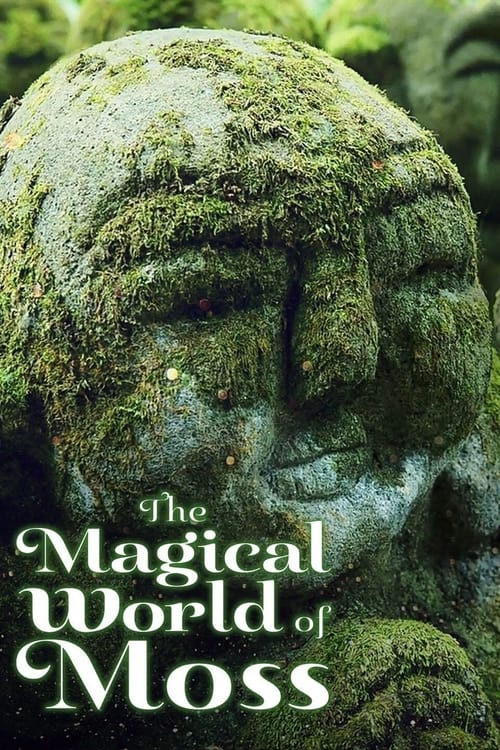
They have no roots, no seeds, no flowers, but mosses show immense survival capacities and can suspend their biological activity for long periods. Today, researchers are exploring the exceptional resistance of these archaic organisms. British ecologists have even resurrected a "zombie" moss that has been trapped in the permafrost for 1,500 years. Associated with decay and disliked in Europe, mosses are deified in Japan. With 25,000 species worldwide, bryophytes - their scientific name - are the seat of real ecosystems, and can develop in inhospitable landscapes, through an extravagant reproduction cycle.
On a dystopian island, where the government has banned organic plant life, a man with an artificial flower shop grows real plants in secret, cultivating their surreal properties, trying to breathe some air into the smothering environment.
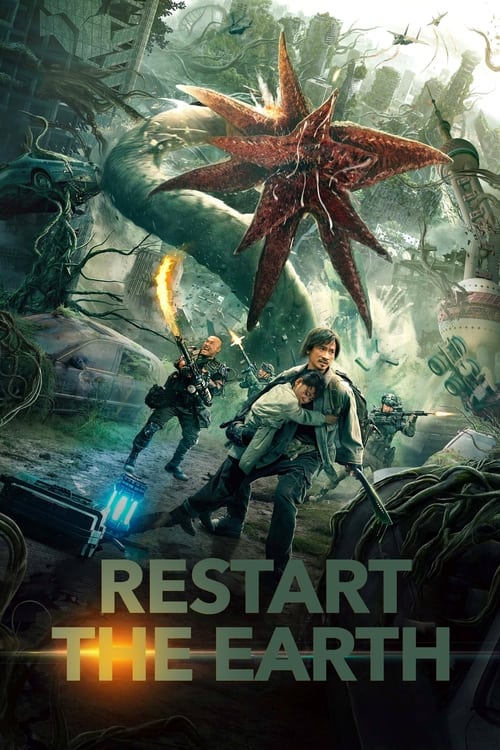
When a drug to replicate plant cells creates a sentient form of flower, the planet is over taken by flora and humankind is depleted. A Chinese task force, a widowed father and his young daughter fight to survive in a mission to inject an antidote to the core of the plants to reverse their growth.
In March 2020, an Argentine woman flees New York with her Peruvian husband for his family’s empty beach house outside of Lima, whereupon an unplanned pregnancy precipitates the destruction of her marriage. In the present, she rips the moments of this narrative from their context, and reconstructs her story to reckon with her profound feeling of loneliness and the experience of time in which it has trapped her.
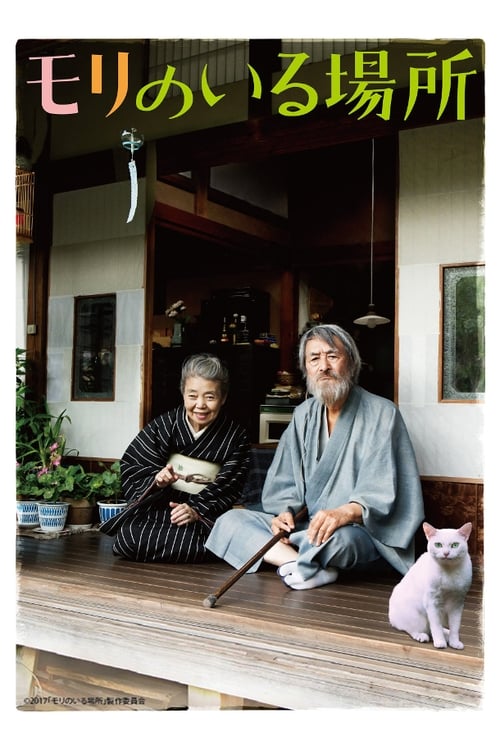
Vegetation thrives in painter Morikazu's garden, which is home to creatures that serve as models for his paintings, including numerous bugs and cats. A sweet and heartwarming day begins for Morikazu, who gazed at these garden creatures on a daily basis for over three decades, and those who love him.
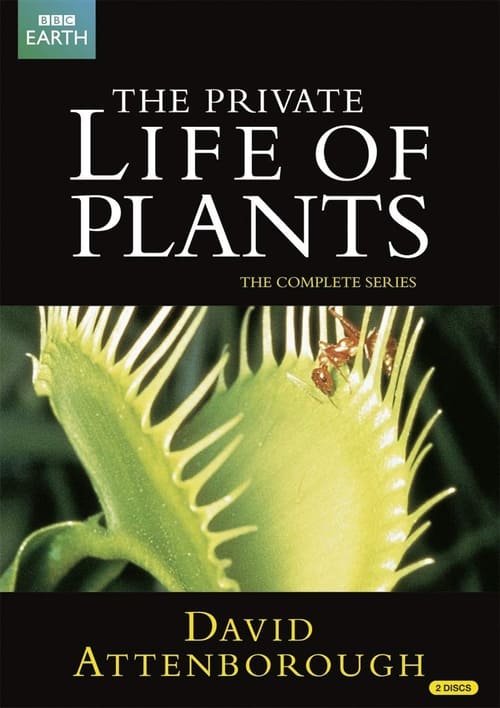
David Attenborough takes us on a guided tour through the secret world of plants, to see things no unaided eye could witness. Each episode in this six-part series focuses on one of the critical stages through which every plant must pass if it is to survive:- travelling, growing, and flowering; struggling with one another; creating alliances with other organisms both plant and animal; and evolving complex ways of surviving in the earth's most ferociously hostile environments.
Featuring Michael Pollan and based on his best-selling book, this special takes viewers on an exploration of the human relationship with the plant world — seen from the plants' point of view. Narrated by Frances McDormand, the program shows how four familiar species — the apple, the tulip, marijuana and the potato — evolved to satisfy our yearnings for sweetness, beauty, intoxication.
As she plays a character that ressembles her in a story that ressembles hers, Sarah realizes that she needs go get away from her partner and the movie set she's in to get her well-being back.
Three filmmakers bring back images of the forest. They are reworked and destructured with the means of the photochemical laboratory. BOSCO is a visual breakthrough punctuated by a contrasted and hypnotic black and white.
Eve Edgarton decides to devote her life solely to her love of botany, but unexpectedly falls in love with a man who shares none of her intellectual interests.
How and why what we eat is the cause of the chronic diseases that are killing us, and changing what we eat can save our lives one bite at a time.
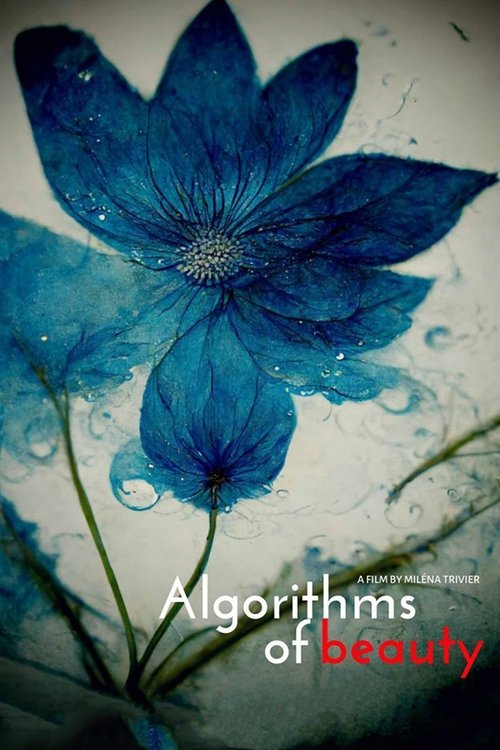
In 1772, Englishwoman Mary Delany wrote to her niece: “I have found a new way of imitating flowers.” The imitation in question was the art form called decoupage, based on cut-outs and reshuffling of pictures. The charm and botanical precision of these works attracts attention of even today’s artists, among others by an anonymous programmer who is trying to invent a way of capturing the flowers’ vivacity in pictures. With this aim in mind, she has created an algorithm, which would combine science and beauty, similarly to Delaney’s efforts, whose illustrations it is meant to animate.
No Trailers found.