No Trailers found.
Self - Presenter
No overview available.
Sachamama is a retreat lodge in Peruvian Amazonia. There, Francisco Montes leads ayahuasca ceremonies for tourists seeking insight and healing.
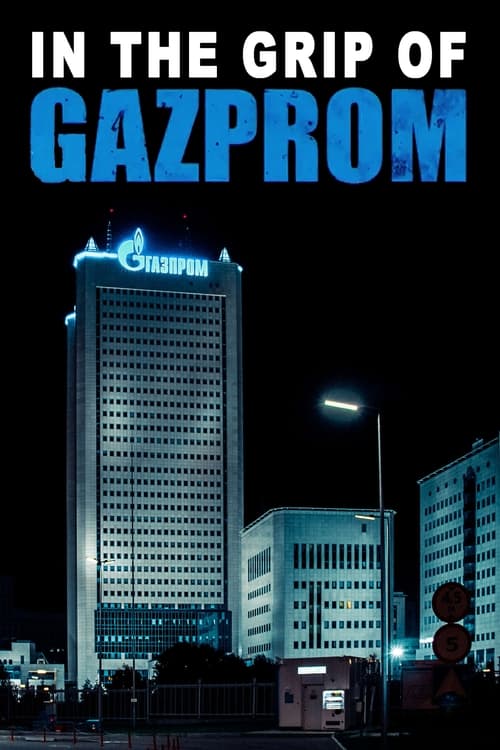
The war in the Ukraine has changed the way many European countries view Russian politics. Suddenly it became clear how dependent countries had become on Russian gas imports for decades and what Vladimir Putin was up to. However, no country needs more gas than Germany. It was only after Russia's invasion of the Ukraine that the German government realized that Russia had long used gas as a weapon to impose its will on states. The instrument created for this purpose is the natural gas production company GAZPROM. So how did Germany become so dependent on Russian gas? The documentary shows how, over several decades and several changes of government, a broad alliance of politicians and business representatives did everything possible to secure Germany's energy supply with cheap Russian gas, while the Kremlin's foreign policy became increasingly aggressive and the warnings of experts went unheeded.
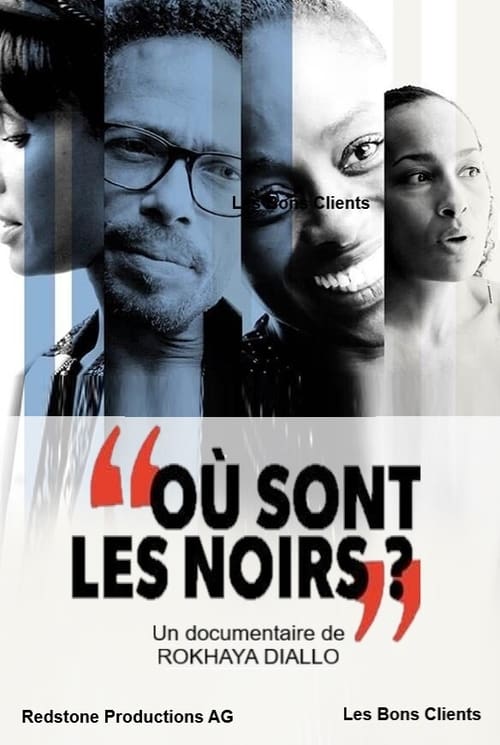
French actors Lucien Jean-Baptiste, Aïssa Maïga, Sonia Rolland, Deborah Lukumuena, Marie-France Malonga, Gary Dourdan and others speak up on the reality of black actors in the French movie industry.
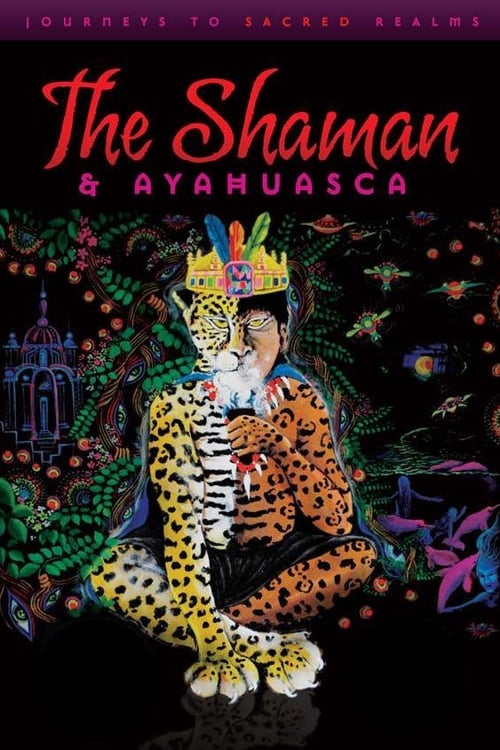
Filmed in the jungles of Peru, shaman Don Jose Campos introduces the practices and benefits of Ayahuasca, the psychoactive plant brew that has been used for healing and visionary journeys by Amazonian shamans for at least a thousand years.
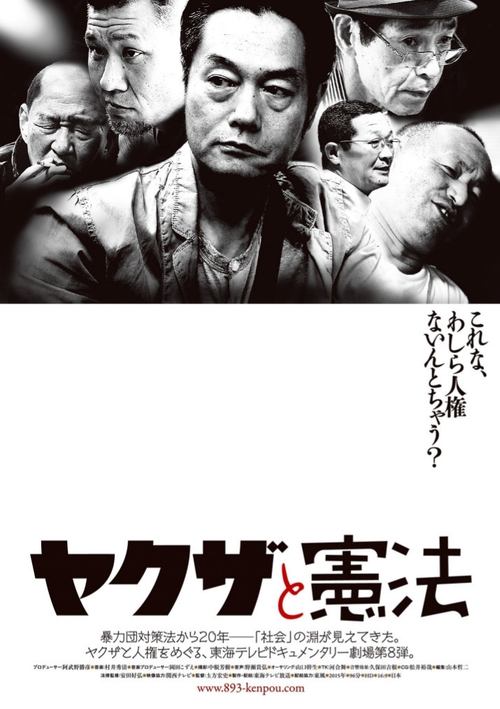
Since the enactment of the Anti-Boryokudan Act and Yakuza exclusion ordinances, the number of Yakuza members reduced to less than 60,000. In the past 3 years, about 20,000 members have left from Yakuza organizations. However, just numbers can’t tell you the reality. What are they thinking, how are they living now? The camera zooms in on the Yakuza world. Are there basic human rights for them?
Nine fictitious documentaries and films reflect the mood of late 1970s Germany, particularly the two-month period in 1977 when a businessman was kidnapped by the RAF (Red Army Faction). The kidnap had been made to orchestrate the release of the original leaders of the RAF, aka the Baader-Meinhof.
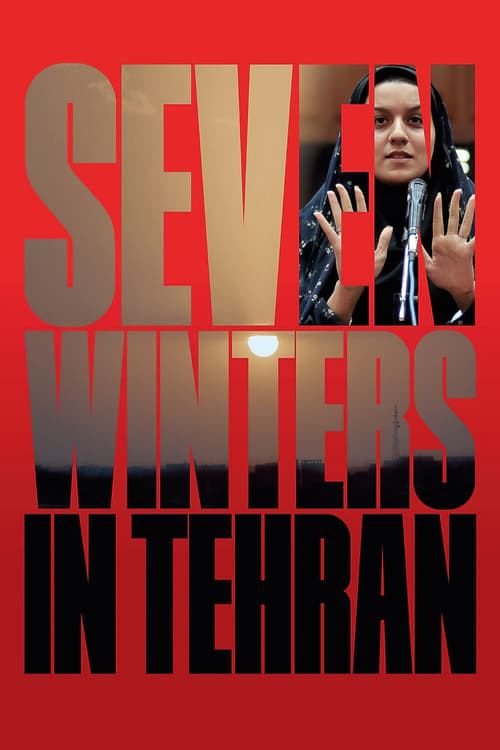
After seven years in prison, a female student in Tehran is hanged for murder. She had acted in self-defence against a rapist. For a pardon, she would have had to retract her testimony. This moving film reopens the case.
Ten years ago, the paths of Abou, Laura, Cadiatou and Jacques have crossed Emmanuelle’s. She was their French teacher at a high school in Marseille. Together they took part in a film, Children of the Princess of Cleves, in which, while analyzing the classic text, they expressed their hopes, dreams, and fears. In En Nous, the director re-connects with the protagonists : memories blend with stories of their lives and the daily obstacles they must overcome whilst trying not to lose hope. Now, the sentence of the Princess of Cleves rings poignantly true: “I know nothing can be more difficult than what I undertake”.
This documentary explores an unknown civilization of the Brazilian Amazon, who risk their lives to protect their forest. In order to save the exploitation of the environment by big corporations, they have to create legal institutions.
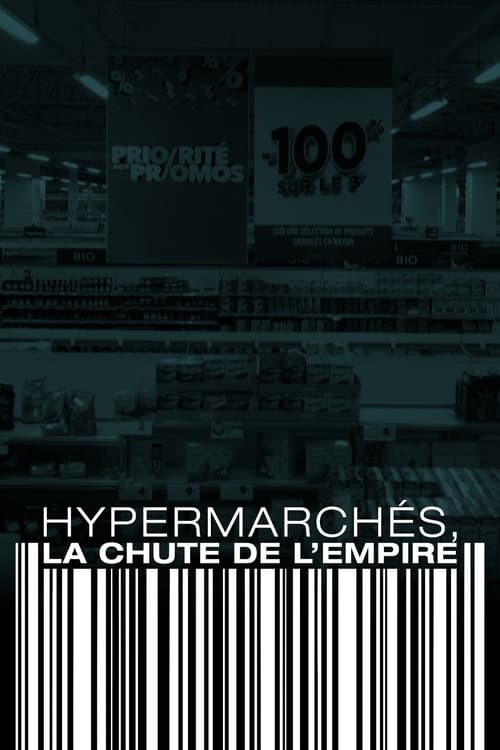
The supermarket chains used to seem unbeatable, capturing the lion’s share of the grocery market. But for some years now they have been in crisis. In the wake of a fierce price war, retailers are resorting to increasingly aggressive commercial negotiation methods at the expense of suppliers, farmers and producers. Further competition is coming from the tech giants as Amazon and Alibaba invest in the food industry. What are the implications of all these changes on working conditions, the quality of our food and the future of our planet?
Indigenous chief Juma Xipaia fights to protect tribal lands despite assassination attempts. Her struggle intensifies after learning she's pregnant, while her husband, Special Forces ranger Hugo Loss, stands by her side.
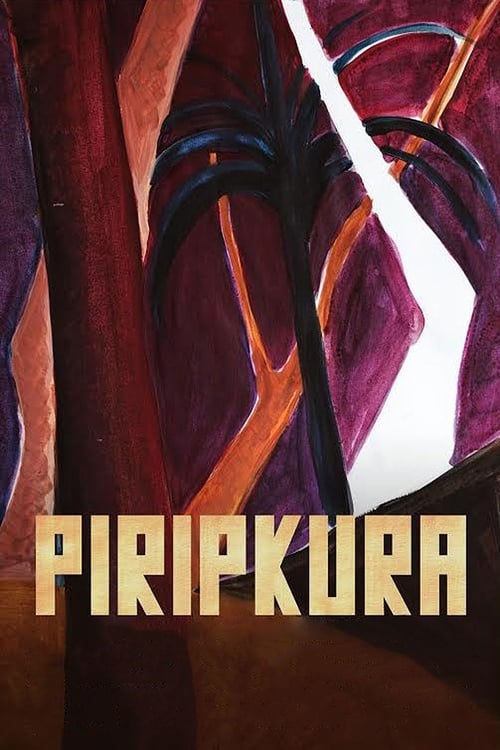
The last two surviving members of the Piripkura people, a nomadic tribe in the Mato Grosso region of Brazil, struggle to maintain their indigenous way of life amidst the region's massive deforestation. Living deep in the rainforest, Pakyî and Tamandua live off the land relying on a machete, an ax, and a torch lit in 1998.
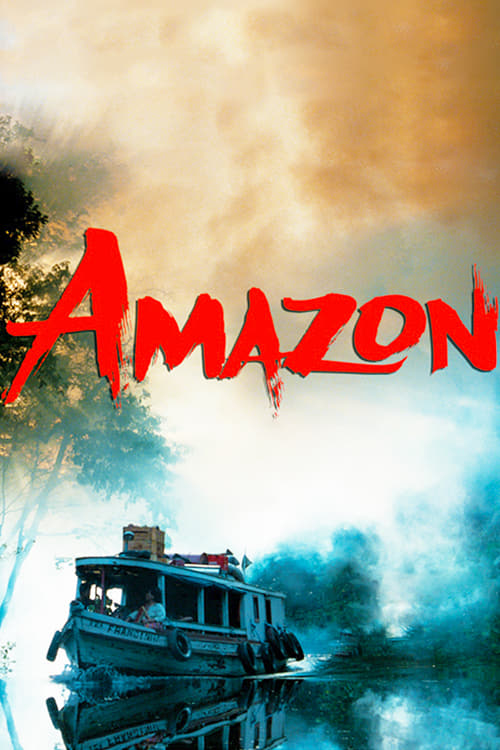
Explore the mysterious Amazon through the amazing IMAX experience. Amazon celebrates the beauty, vitality and wonder of the rapidly disappearing rain forest.
The Shipibo-Konibo people of Peruvian Amazon decorate their pottery, jewelry, textiles, and body art with complex geometric patterns called kené. These patterns also have corresponding songs, called icaros, which are integral to the Shipibo way of life. This documentary explores these unique art forms, and one Shipibo family's efforts to safeguard the tradition.
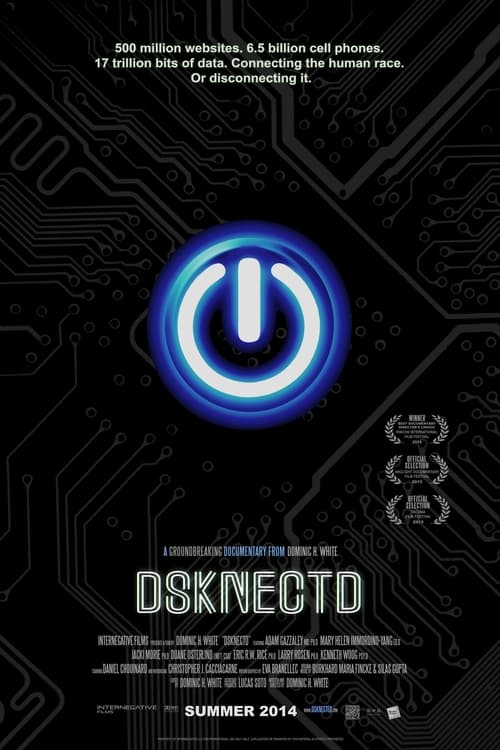
As clichés go, in 1999 the World as we knew it was about to change - and we'd been expecting it. Since childhood we'd been promised that the 21st century would bring us dramatic new technologies like flying cars and Utopian cities. Instead it bought us the smart-phone, social media, and virtual societies. And as it turns out these technologies began to transform society almost as dramatically as the moon colonies we'd been expecting. Now over a decade into the revolution, 'DSKNECTD' explores how digital communication technology is profoundly changing the way we interact and experience each other - for the good and for the bad.
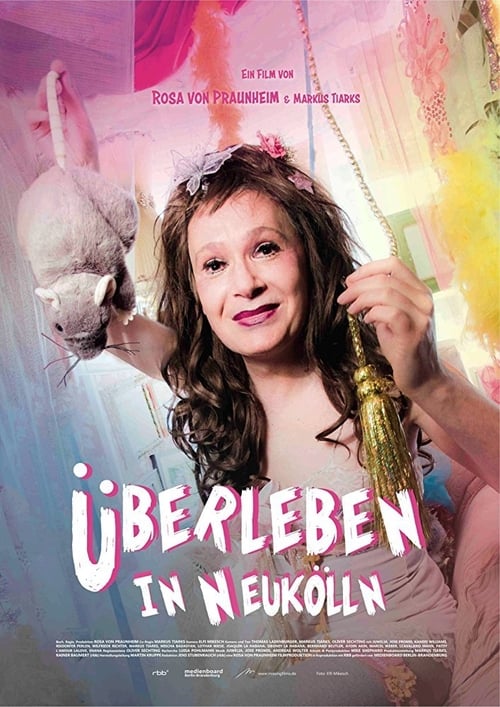
About Stefan Stricker, who calls himself Juwelia and has been running a gallery on Sanderstraße in Berlin Neukölln for many years. Every weekend he invites guests to shamelessly recount from his life and to sing poetic songs written with his friend from Hollywood Jose Promis. Juwelia has been poor and sexy all her life, has always struggled for recognition, but only partially.
Exploring the fallout of MIT Media Lab researcher Joy Buolamwini's startling discovery that facial recognition does not see dark-skinned faces accurately, and her journey to push for the first-ever legislation in the U.S. to govern against bias in the algorithms that impact us all.
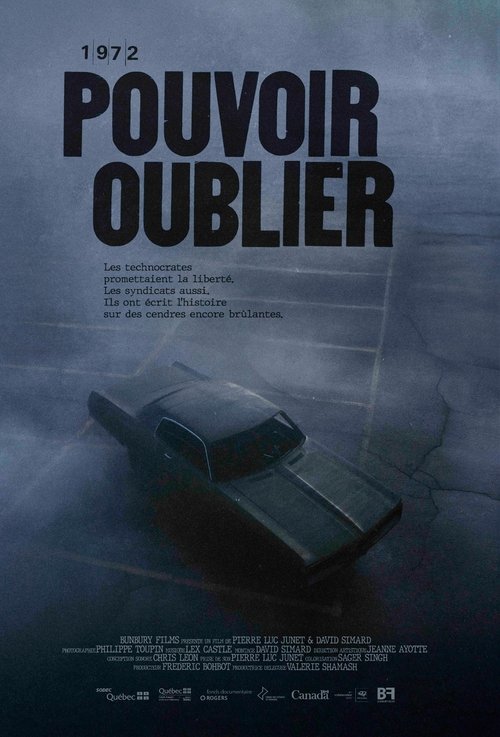
Pouvoir Oublier is a political documentary first constructed from the words of the speakers whose lives changed on the tragic day of May 10, 1972 in Sept-Îles. Their word will be juxtaposed with archival material from the events, some of which are unpublished, which will reflect the collective euphoria in which Sept-Îles and all of Quebec were then bathed.