No overview available.
A look at the Brazilian black movement between 1977 and 1988, going by the relationship between Brazil and Africa.
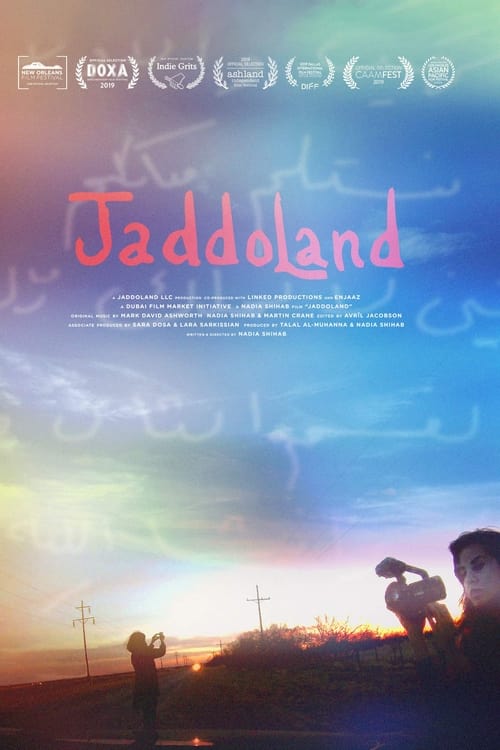
Moving between the playful and the contemplative, explores the meaning of identity and home across three generations of an Iraqi family in Texas.
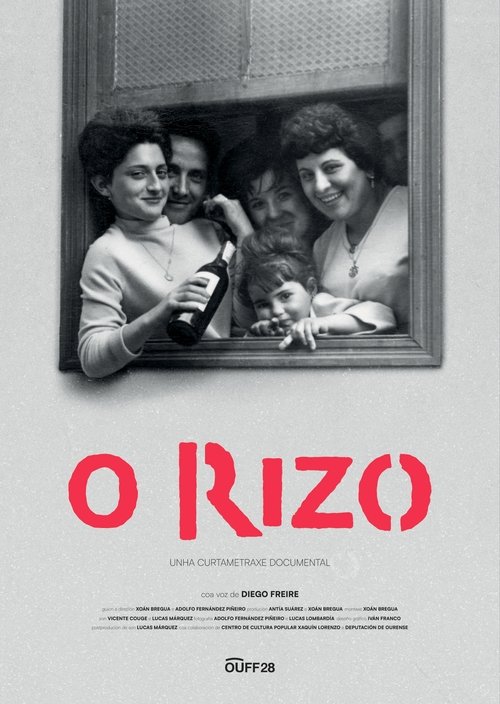
The documentary tells how, during the 1980s, a cultural phenomenon emerged and developed in Galicia that would eventually become known as the Movida Gallega.
This Traveltalk series short visits an array of locations associated with England's heritage. Included are Runnymede, Windsor, Ascot, Lincoln, Wells, Salisbury, Glastonbury, and the ancient Stonehenge site.
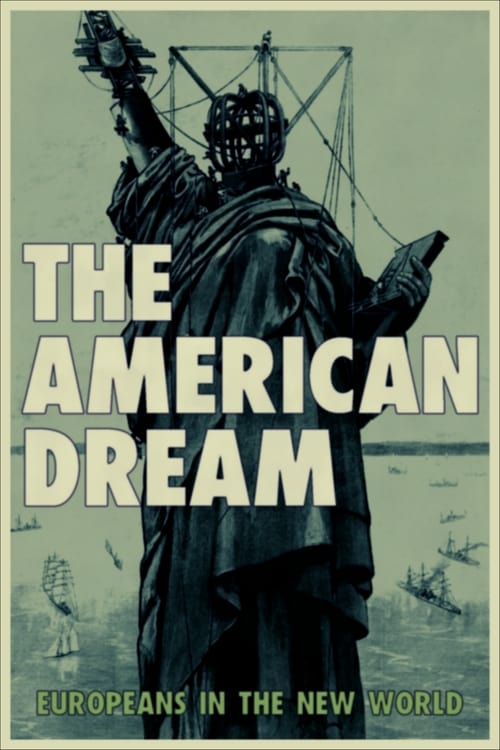
The history of Europeans in North America, from the arrival of Columbus in 1492 to the business success of German immigrants such as Heinz, Strauss or Friedrich Trumpf, Donald Trump's grandfather. During the 19th century, thirty million people — Germans, Irish, Scots, Russians, Hungarians, Italians and many others — left the old continent, fleeing poverty, racism or political repression, hoping to make a fortune and realize the American dream.
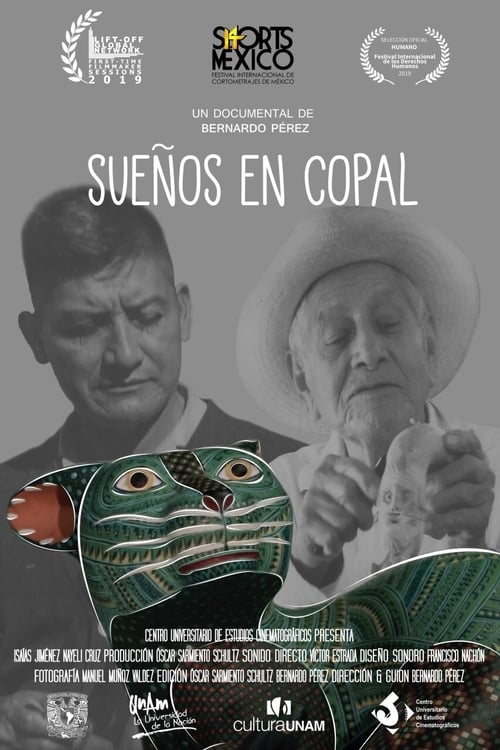
The communities of San Martin Tilcajete and San Antonio Arrazola in Oaxaca, Mexico are best known for being the main source of the "Alebrijes" (wood carving) in the state; a relatively new but powerful tradition in mexican folklore. In both communities, there is a family that claims they're father started this tradition in all the state of Oaxaca.
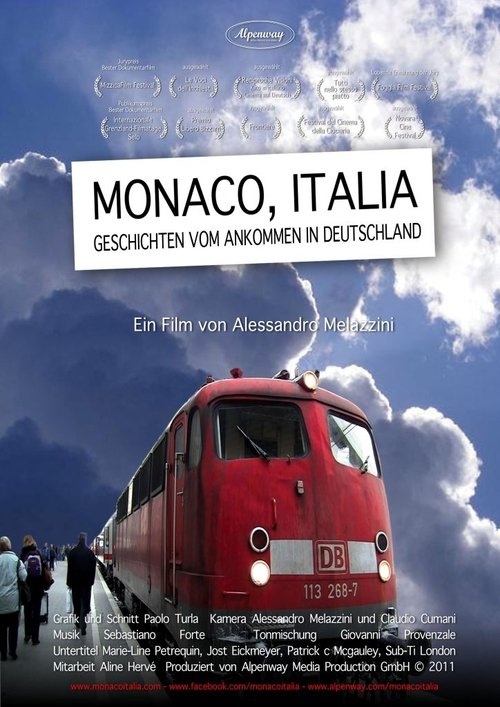
I followed the everyday lives of Ali, Kais, Ertan and Alban with my camera for over two years. The time was characterized by disappointments, conflicts and also great successes. It all began with a visit to the "Klingelpütz" youth center in the middle of Cologne. Young migrants have been meeting here for many years.
The tragedy of the Syrian people: War, conflict, loss, migration, exile, asylum, detention, drowning… A deserted place. Abandoned people. Abandoned country. The doors slammed shot; the doors are now locked - the keys thrown away...for what seems forever.
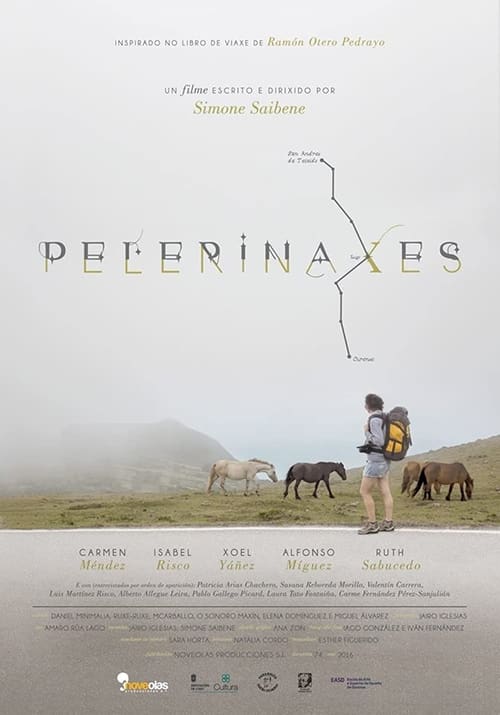
Luzía visits the eight stages of the 'pilgrimage' that the intellectuals Otero Pedrayo, Vicente Risco and Ben-Cho-Shey hiked from Ourense to San Andrés de Teixido in 1927; the story of the journey was published in the book ‘Pelerinaxes I’ (Pilgrimages I). She carries out this journey in order to finish up an audiovisual project about Otero Pedrayo’s book started at the University, together with a colleague who passed away in an accident.
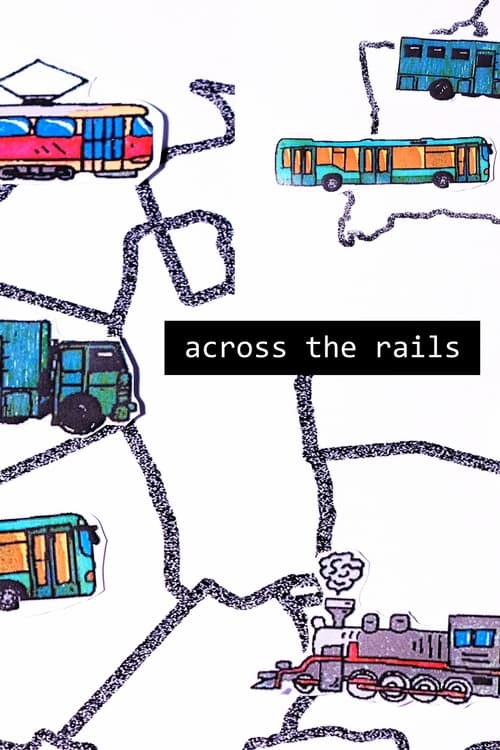
2021 was a turning point for Belarus and 6 Belarusian students - as well as for the city of Łódź, Poland, in which they found themselves. Across the rails of change and transformation, documenting a time that has not been before and will not repeat again. Heroes of the film have very different fates and experiences, but they are all connected by the place they found themselves in - the post-industrial and post-apocalyptic city, which becomes a part of their story and a hero of its own. Students, transport, quaters, youth, revolution, local apocalypse, changes and turns - they all mix in a documentary kaleidoscope 'Across the Rails'.
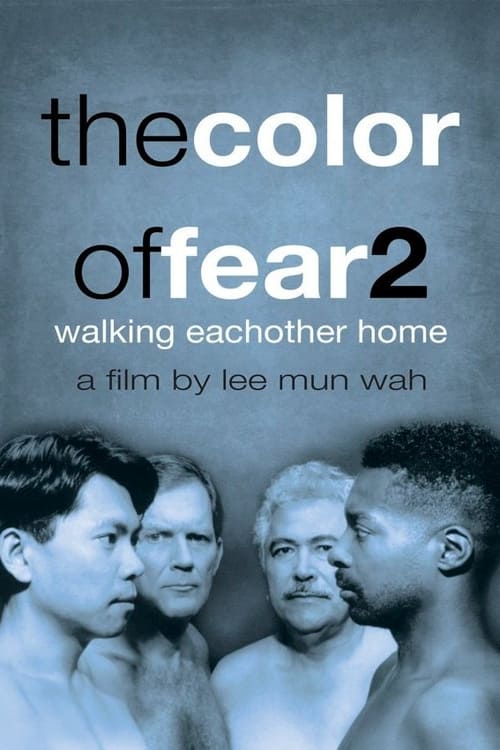
In THE COLOR OF FEAR, eight American men participated in emotionally charged discussions of racism. In this sequel, we hear and see more from those discussions, in which the men talk about about how racism has affected their lives in the United States. We also learn more about the relationships between them, and about their reactions during some of the most intense moments of that discussion.
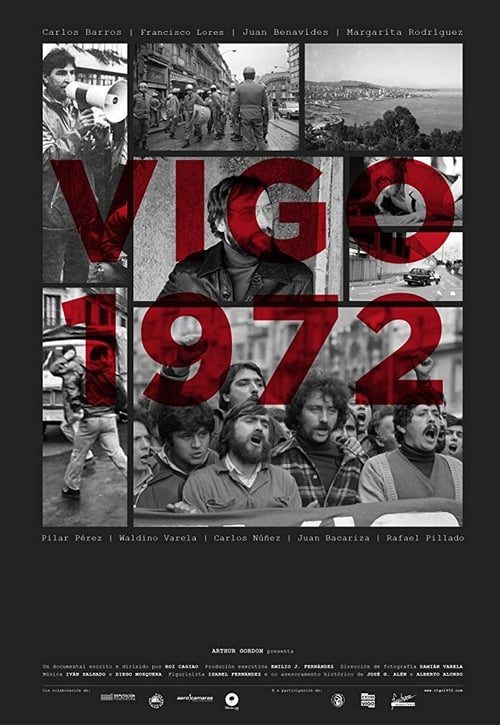
‘VIGO 1972’ narrates the events which took place in Vigo in September 1972, when the firing of five Citröen auto workers resulted in the largest general strike in the history of Galicia — with over thirty thousand workers — all of this during the Franco dictatorship in Spain.
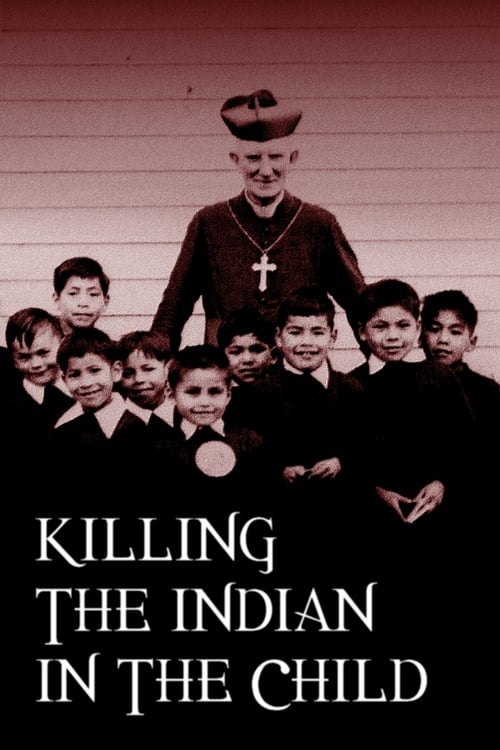
The Indian Act, passed in Canada in 1876, made members of Aboriginal peoples second-class citizens, separated from the white population: nomadic for centuries, they were moved to reservations to control their behavior and resources; and thousands of their youngest members were separated from their families to be Christianized: a cultural genocide that still resonates in Canadian society today.
A film about a generation of four friends who grew up together in Sarajevo. They are the friends of filmmaker Lidija Zelovic-Goekjian, now living scattered across the world. What has happened to them over the past 13 years: how did they survive the war, how do they live now, how do they look back on their former lives, on Sarajevo, and on their old friends?
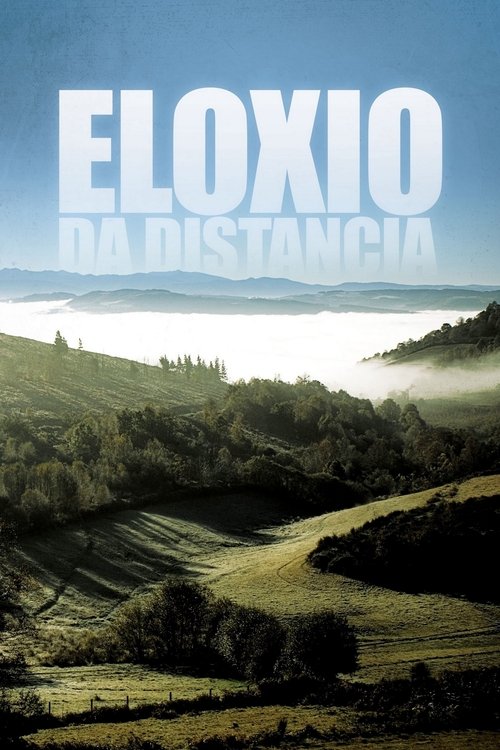
Province of Lugo, Galicia, Spain. A year in the life of A Fonsagrada, a rural region whose inhabitants live both near and far from urban civilization; a praise of the distance that crosses the four seasons of the year, whose inevitable passage transforms both the natural environment and the existence of people, a simple, dignified and peaceful existence.
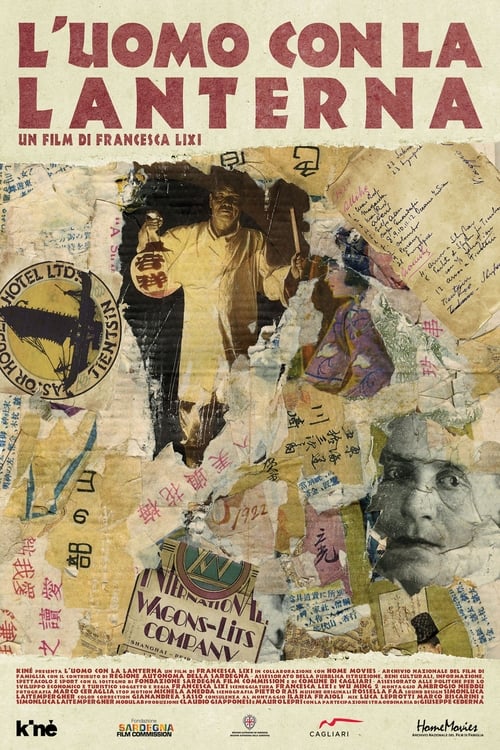
To discover the truth behind the mysterious objects her uncle brought back from the Far East during her childhood, filmmaker Francesca Lixi embarks on a journey to those places through archival footage.
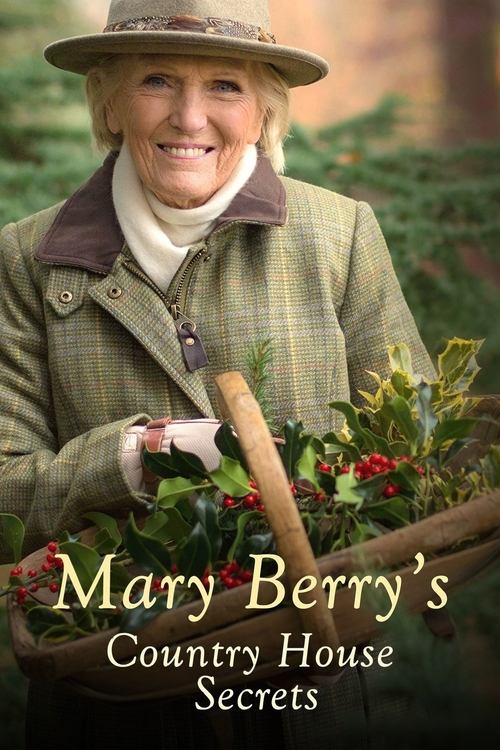
Mary Berry visits Harewood House in Yorkshire as it prepares for Christmas on a grand scale, and demonstrates how to make delicious recipes inspired by festive dishes of the past.
No Cast found.
No Trailers found.