No Trailers found.
Norfolk Island, 800 miles off the coast of Australia, is home to some of the largest tiger sharks in the world. As strange as it sounds, some think this small island in the middle of the South Pacific has become like a drive-thru burger joint for tiger sharks to gorge on meat. For the first time, scientists are diving in to answer why there are so many huge tigers there. Shark biologists Lauren Meyers, Charlie Huveneers and Adam Barnett lure the giants to their boat to investigate and make a surprising discovery.
Fascinating new translations and fresh research are transforming the myth of Atlantis from the realm of fantasy into an incredible reality. Travel across continents and centuries to unlock the secrets of Plato's final legacy - a true story of Ancient Greece, Africa, and climate change across deep time.
No overview available.
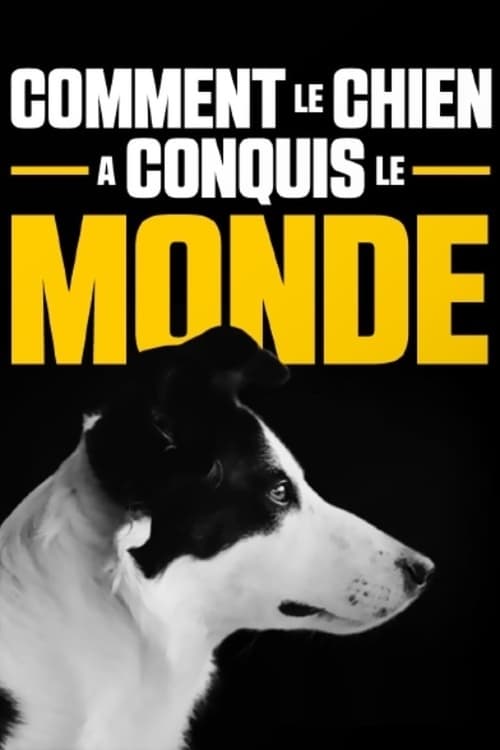
Zoo-archeologists, biologists, ethologists and geneticists are leading the investigation. For one thing is certain, the dog is still far from revealing all its secrets.
Infamous disappearances of ships and aircrafts, stories of lives lost — they’re all part of the legend of the 500,000-square-mile expanse of the Atlantic Ocean known as the Bermuda Triangle. In this one-hour special, National Geographic Channel explores the area’s ominous reputation by draining the water from it to see what exactly lies below the surface of the mythical triangle. With the aid of data from sophisticated sonar surveys, see what the ocean floor looks like below the Bermuda Triangle. Witness what strange geological features will be revealed and whether they will shed light on the mysterious occurrences that have been documented within the boundaries of this area of ocean.
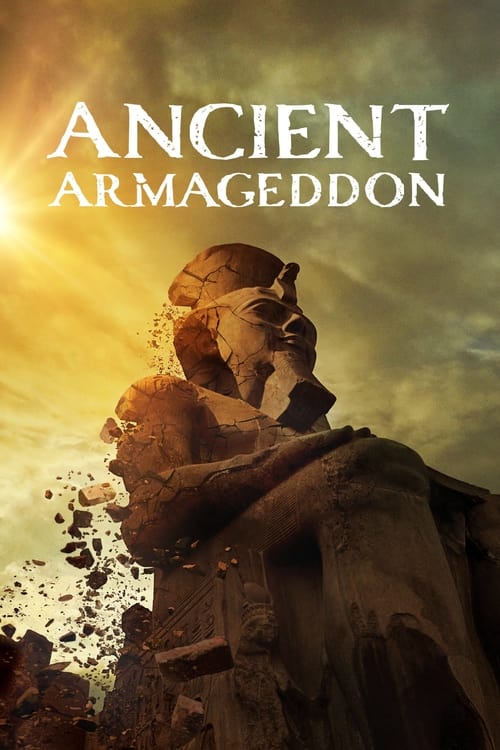
This explores the mysterious and catastrophic collapse of ancient civilizations during the late Bronze Age, from the Hittites to the Mycenaeans and the Egyptians, revealing the tumultuous events that brought an end to a thriving era of human history, and warns we may be facing similar threats today.
Combining real footage, archival footage, fiction and 3D modeling, this unseen documentary traces the history of this spectacular and unfinished work.
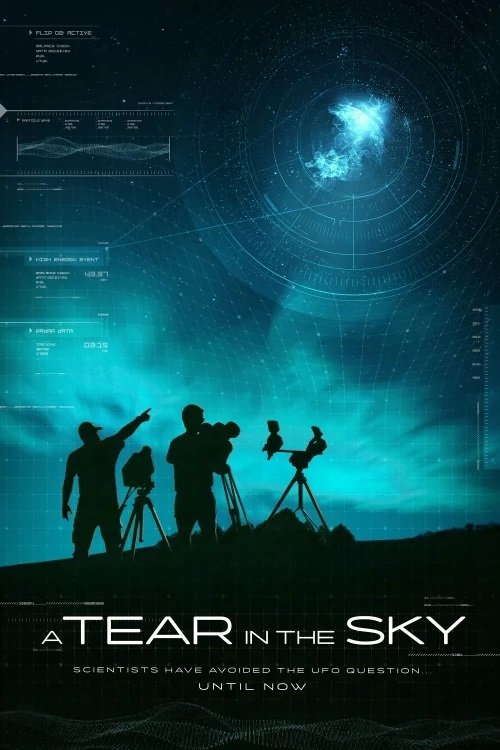
A Tear in the Sky takes you on an unprecedented journey into the UAP/UFO phenomenon as we follow a team of world-renowned experts, scientists, and military personnel who will attempt to unravel the UAP/UFO mysteries using state-of-the-art, military-grade equipment, and technology. While the UFO phenomenon has existed since the dawn of recorded history, very little scientific research is accessible to the public. Most of the serious research is conducted by various governments and militaries across the planet; this film is a documentary on how a team of military veterans, scientists, and researchers come together and launch an investigation into this fascinating world of the unknown while providing the data and results to the public.
Bacteria, viruses, but also fungi, algae, pollen, and even insects: micro-organisms thrive and circulate constantly in our sky. How can so many living beings find their way into the air and circulate? How do they survive? And what influence do they have on our lives and the living world? Biodiversity, health, climate: it is only recently that scientists have begun to understand how this discreet aerial "plankton" affects our lives and our ecosystem. But despite their many virtues, some of these micro-organisms are now threatened by human activities. With the help of experts and 3D models, this scientific investigation plunges us into the heart of a still mysterious world, and reveals the diversity and fragility of the air we breathe.
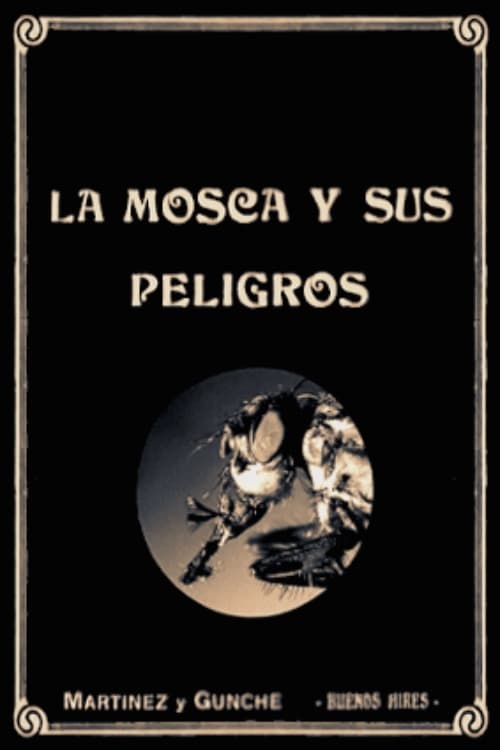
The Dangers of the Fly is an educational film made by Ernesto Gunche and Eduardo Martínez de la Pera, also responsible for Gaucho Nobility (1915), the biggest blockbuster of Argentinean silent cinema. De la Pera was a talented photographer, always willing to try new gadgets and techniques. This film experiments with microphotography in the style of Jean Comandon's films for Pathé and it is part of a series which included a film about mosquitoes and paludism and another one about cancer, which are considered lost. Flies were a popular subject of silent films and there are more than a dozen titles featuring them in the teens and early twenties.
A documentary that invites the viewer to immerse themselves in a intimate and thoughtful walk through Poblenou Cemetery in Barcelona, better know as "El Santet", to see what is happening at its surrounding areas and, especially, inside: work, buildings, people watching over those who are no longer here, cemetery workers... A trip through a space that is closer than we think.
The documentary tells the exciting story of the beginnings of surgery through to its specialization - a fascinating journey through time from the Stone Age with the first skull openings through antiquity and the early modern era to the first heart operation. The film was shot at the most important locations in the history of surgery - including Italy, France, Germany, Austria, Great Britain, Hungary and the USA. The film contains fascinating and partly unpublished archive material.
Attack of the Red Sea Sharks investigates why sharks killed three people in less than a year in the coastal waters of Red Sea resorts. Multiple witnesses captured the gruesome attacks, with the videos quickly going viral, sparking confusion and hysteria. Are these attacks part of a growing trend that is becoming more common worldwide? A team of scientists launches a global pursuit to answer that question and find ways to prevent future attacks.
What happens when a group of Finns travel to a tiny village in Benin to participate in a vaccination study? By participating, they can aid in the development of a diarrhea vaccine for children in developing countries – and, at the same time, have a different kind of vacation in West Africa. The complicated side of helping people and the clashes between two cultures rise to the forefront of Mia Halme’s delicious documentary film.
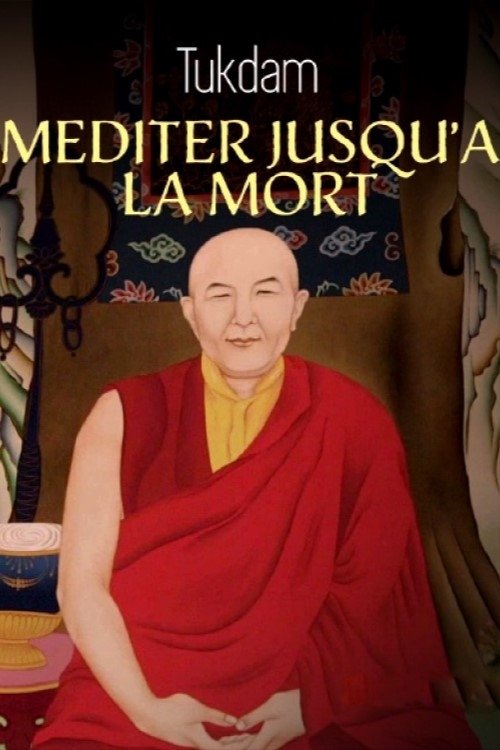
Irish director Donagh Coleman explores the extraordinary phenomenon of Tukdam, whereby some Tibetan Buddhist practitioners are able to forestall physical decay at the point of clinical death for days, even weeks, by entering a deep meditative state. Supported by His Holiness the Dalai Lama a group of leading scientists conduct groundbreaking research into the phenomenon, which challenges Western medical understanding of the line between life and death.
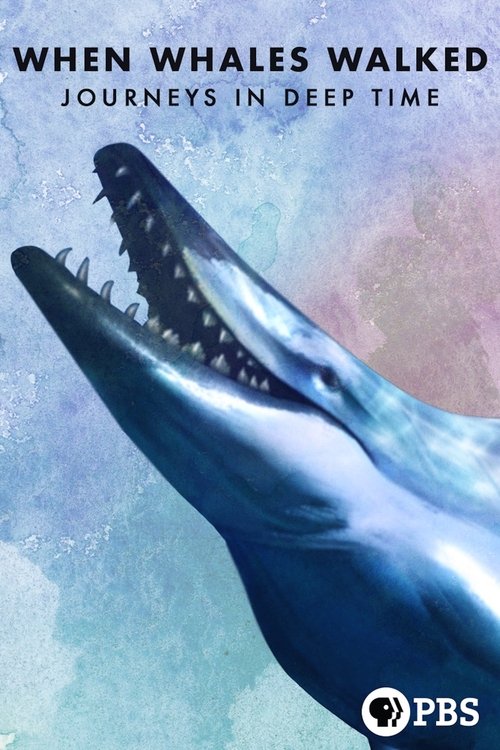
Discover the evolutionary secrets of some of the world’s most majestic creatures. From voracious crocodiles and acrobatic birds to stupendous whales and majestic elephants, this documentary follows top scientists on a global adventure as they follow clues from the fossil record and change what we thought we knew about the evolution of iconic beasts.
No Cast found.