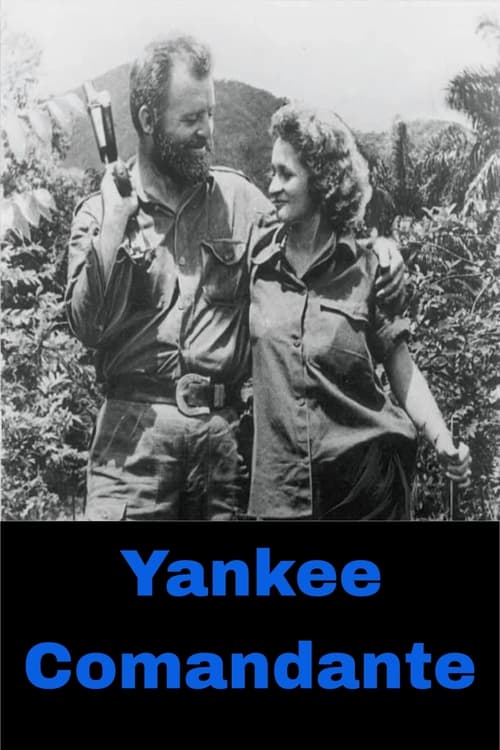
Two people rose to the rank of comandante during the Cuban Revolution. One was Che Guevara. The other was a man from Ohio.
William Alexander Morgan
No Trailers found.
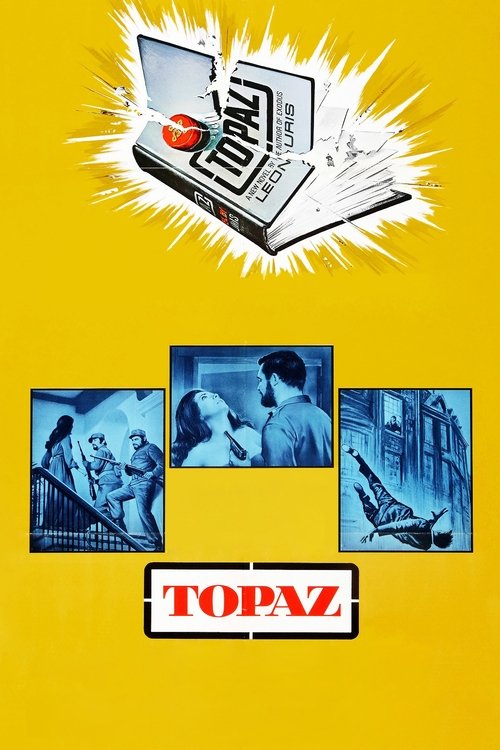
Copenhagen, Denmark, 1962. When a high-ranking Soviet official decides to change sides, a French intelligence agent is caught up in a cold, silent and bloody spy war in which his own family will play a decisive role.
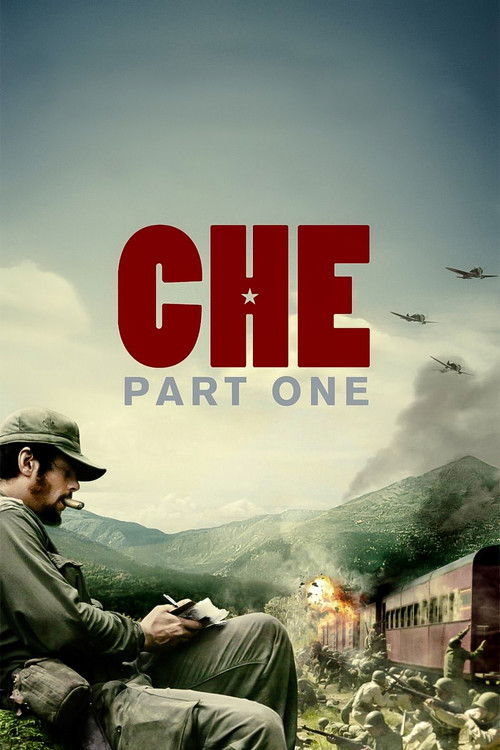
Ernesto Guevara, known as 'Che', leads a group of Cuban exiles under Fidel Castro in a revolution to overthrow Fulgencio Batista, the dictator of Cuba.
The Castro revolution was just consolidating its power when, in 1961, over 100,000 students were sent from their schools into the countryside to teach the peasants there how to read. Coinciding with the Bay of Pigs invasion, in this docudrama, 15-year-old Mario (Salvador Wood) has come to a tiny village in the Zapata swamps and gradually wins the villagers over to his task. At the same time, he receives an education in the realities of rural life from the hard-working peasants.
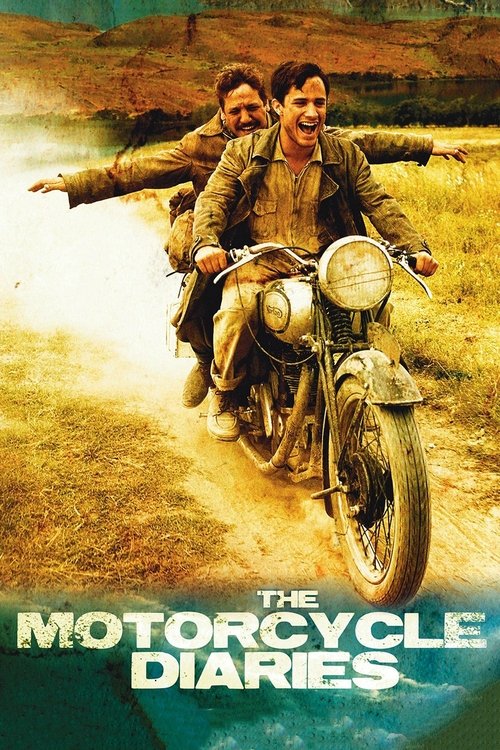
Based on the journals of Che Guevara, leader of the Cuban Revolution. In his memoirs, Guevara recounts adventures he and best friend Alberto Granado had while crossing South America by motorcycle in the early 1950s.
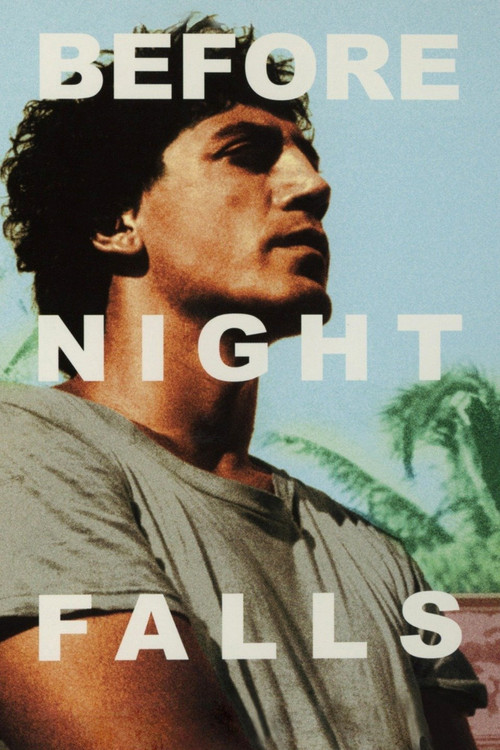
Spanning several decades, this powerful biopic offers a glimpse into the life of famed Cuban poet and novelist Reinaldo Arenas, an artist who was vilified for his homosexuality in Fidel Castro's Cuba.
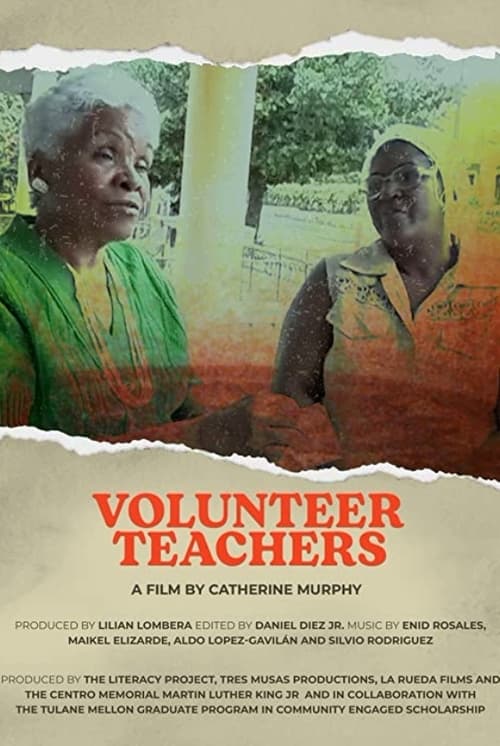
Ana Deborah Mola and Belkis Lescaille were among the first young teachers who started pilot programs around the island of Cuba in 1960, laying foundation for the massive National Literacy Campaign that would take place the following year.
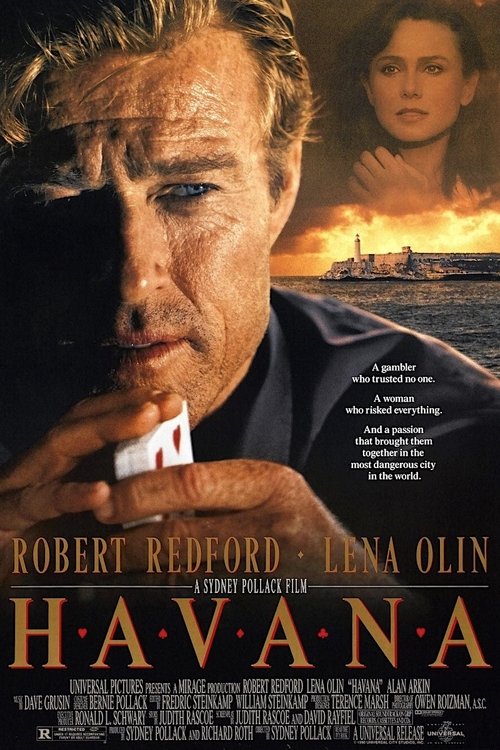
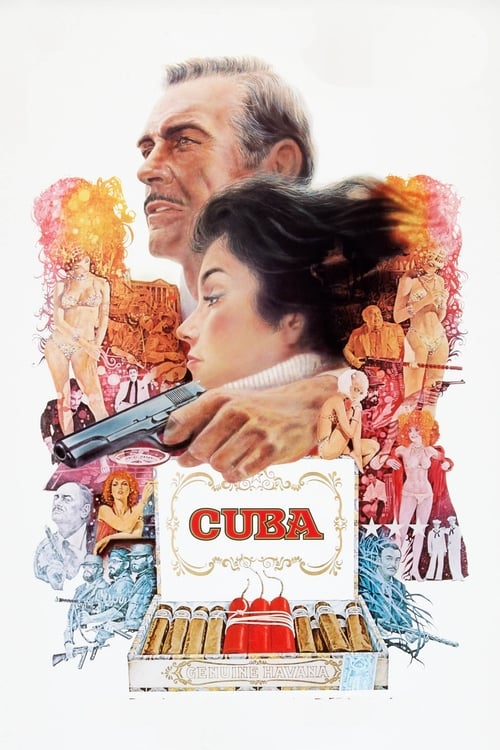
During the revolution, a high-stakes gambler arrives in Cuba seeking to win big in poker games. Along the way, he meets and falls in love with the wife of a Communist revolutionary.
The friendship between two children is threatened by their parents’ differences. Malú is from a family that was upper-class before the Revolution and remains well-to-do through remittances from relatives overseas, and her single mother (Larisa Vega Alamar) does not want her to play with Jorgito, as she thinks his background coarse and commonplace. Jorgito’s mother (Luisa María Jiménez Rodríguez),
A study in contrasts set in and around Havana that explores Cuba's 1959 revolution: a young woman's fascination with the excess of an American-owned casino leads to her downfall in the eyes of her street vendor boyfriend; a tenant farmer revolts the only way he knows how, attacking the land he works; university students gain first-hand knowledge of political upheaval; and, in the hills outside the city, the members of a poor peasant family are patriotically swept up into the burgeoning revolt.
1964, in the Escambray mountains: the area is infested with counter- revolutionary bands which are trying to spread terror among the population and re-establish contact with the US, CIA. The murder of a man led to a reprisal to wipe out the bandits.
In 1672 Cuban revolutionaries launch an uprising against the Spanish who are occupying the country. Preserved by the Academy Film Archive in 2017.
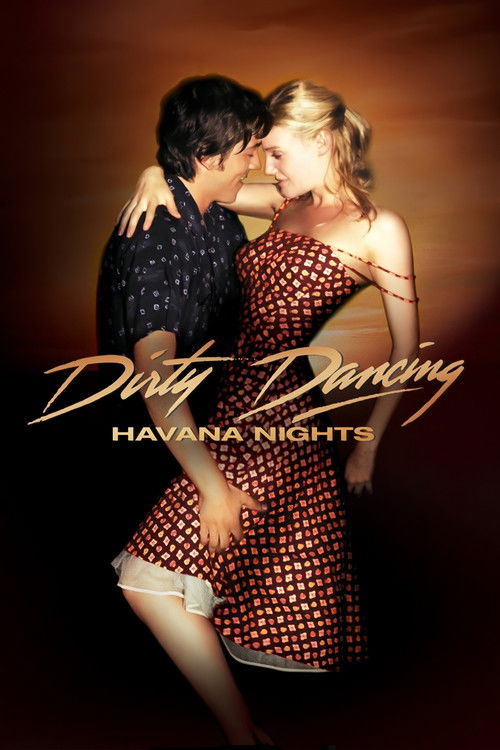
In pre-revolution Cuba, Katey Miller is about to defy everyone's expectations. Instead of a parent-approved suitor, Katey is drawn to the sexy waiter, Javier, who spends his nights dancing in Havana's nightclubs. As she secretly learns to dance with Javier, she learns the meanings of love, sensuality and independence.
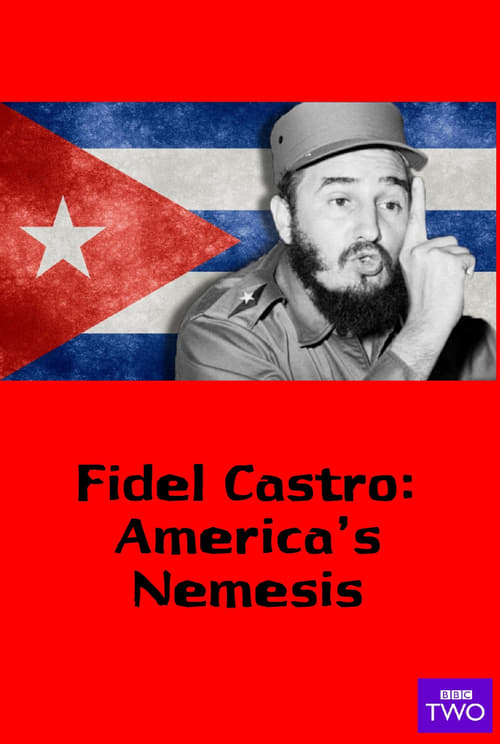
Fidel Castro, the former President of Cuba and one of the most controversial figures of the 20th century, passed away in November. He famously claimed that "history will absolve me", but will it? This special film considers Castro and his legacy.
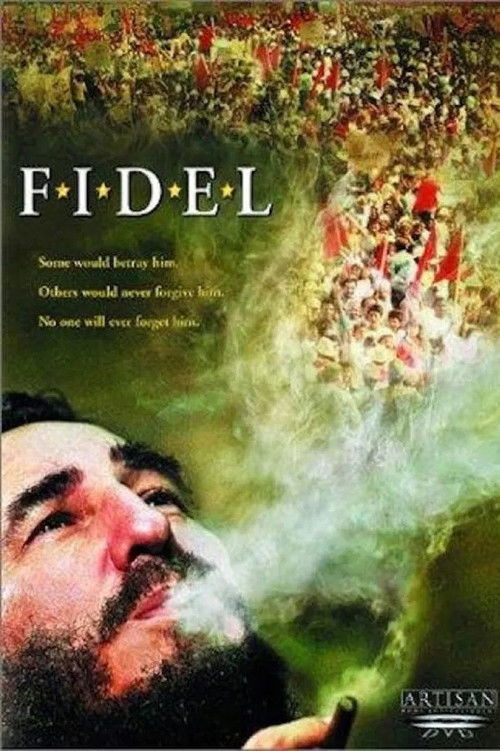
Centered on the six years before the fall of Batista's dictatorship and the subsequent 40 years of the Cuban Revolution.
A British mercenary arrives in pre-Revolution Cuba to help train the corrupt General Batista's army against Castro's guerrillas while he also romances a former lover now married to an unscrupulous plantation owner.
During the last days of the struggle against dictator Fulgencio Batista, a young peasant woman joins the guerrilla in the Sierra Maestra.
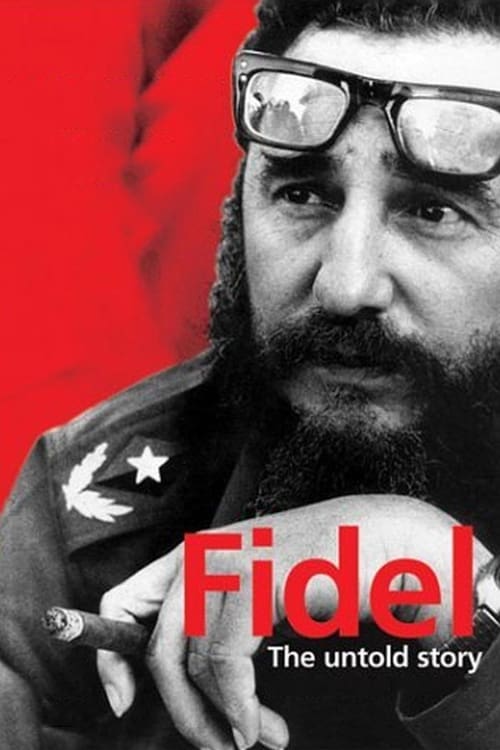
Documentary about Fidel Castro, covering 40 years of Cuban Revolution. Rare Fidel Castro footage: he appears swimming with a bodyguard, visiting his childhood home and school, playing with his friend Nelson Mandela, meeting kid Elián Gonzalez, and celebrating his birthday with the Buena Vista Social Club group.
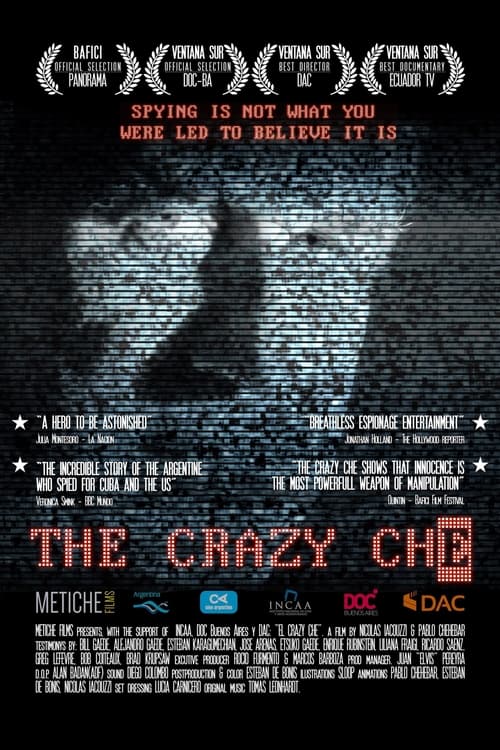
The incredible story of Bill Gaede, an Argentinian engineer, programmer… and Cold War spy.
A deep dive into the lives and experiences of those impacted by the Fidel Castro era in Cuba.
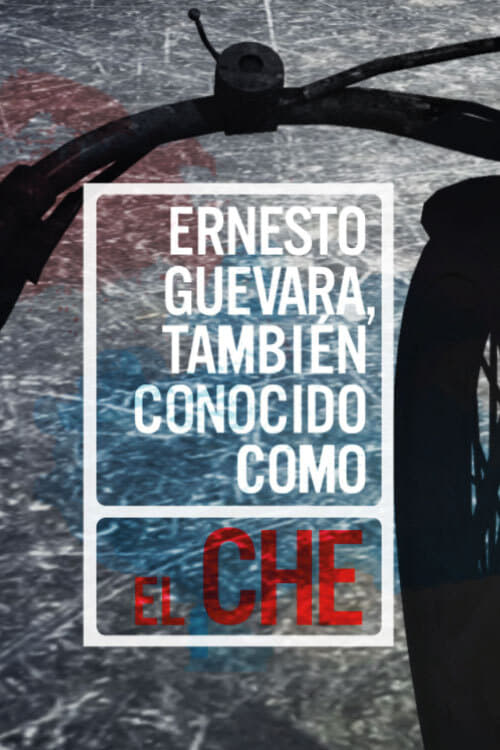
From millions of photos, posters, videos, t-shirts, postcards, records, books, phrases, testimonies, Che watches over us. Beyond all paraphernalia, he returns. Irreverent, mocking, stubborn - morally stubborn - Che will always be the subject of debate. The exclusive teleSUR series “Ernesto Guevara, also known as 'Che'”, aims to address the figure of Ernesto Guevara as it has never been told before. Conversing with the characters who were with him in important moments, visiting the real settings where Che spent his life.