Commentary (voice)
No overview available.
It's the musical phenomenon of the moment: K-Pop, short for "Korean Pop," has taken the world by storm in just a few years. But behind the powerful lyrics, elaborate choreography, and polished looks lies a ruthless industry.
An audiovisual symphony that delves into the industrial, agrarian, and cultural fabric of the Donbas region during the inaugural Soviet Five Year Plan. It spotlights anti-religious campaigns, propagandistic marches, and the vibrant athletic culture of its time
This John Nesbitt's Passing Parade short takes a look at the evolution of the American city, from the initially small farming village, to the eventually hectic, congested metropolis, to the future planned suburban community.
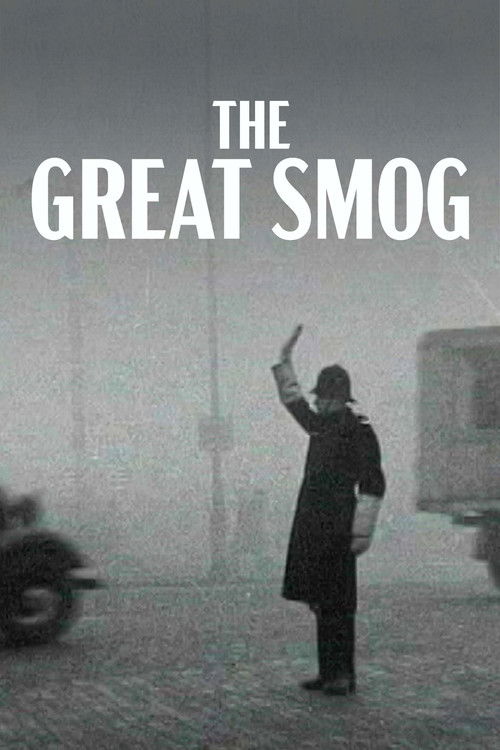
For five days in December 1952, a thick smog suffocated the British capital causing the death of thousands of Londoners. The health catastrophe lead to a realisation, in Britain and around the world, that air pollution was a serious threat to human health. This documentary reveals what happened, hour by hour, in one of the worst peacetime disasters of the 20th century.
When a massive Chinese factory complex attempts a high-stakes expansion in rural Ethiopia, three women in search of prosperity have their faith in industrialization tested to the limit. Filmed over four years with singular access, Made in Ethiopia lifts the curtain on China’s historic but misunderstood impact on Africa, and explores contemporary Ethiopia at a moment of profound crisis. The film was awarded the Jury Special Mention at Tribeca Festival.
Since the 1970s and the influx of European, Chinese, Russian, and Turkish trawlers, West African waters have been overexploited. Whether for fishing or fishmeal production, these foreign powers have endangered the livelihoods of local fishermen and artisans.
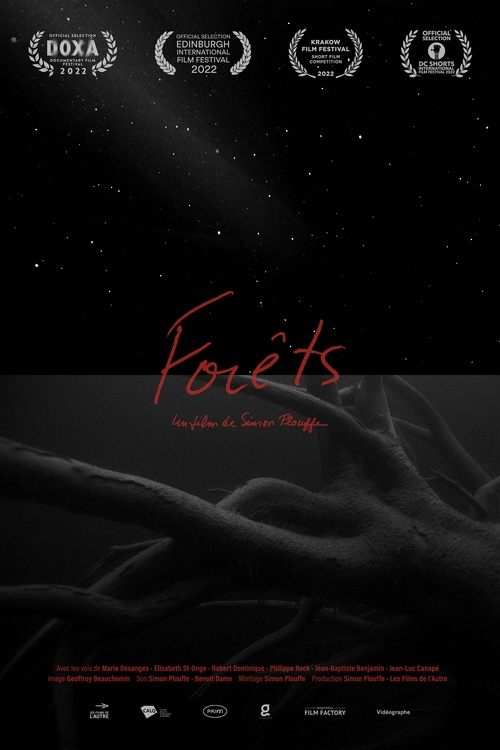
In a dark, ambiguous environment, minuscule particles drift slowly before the lens. The image focuses to reveal spruce trees and tall pines, while Innu voices tell us the story of this territory, this flooded forest. Muffled percussive sounds gradually become louder, suggesting the presence of a hydroelectric dam. The submerged trees gradually transform into firebrands as whispers bring back the stories of this forest.
Ashitaka, a prince of the disappearing Emishi people, is cursed by a demonized boar god and must journey to the west to find a cure. Along the way, he encounters San, a young human woman fighting to protect the forest, and Lady Eboshi, who is trying to destroy it. Ashitaka must find a way to bring balance to this conflict.
In a field surrounded and squeezed by increasing industrialization, an immigrant family, deep in financial debt, struggles to survive through traditional farming. Their son, Ibrahim, dreams of a different future for himself.
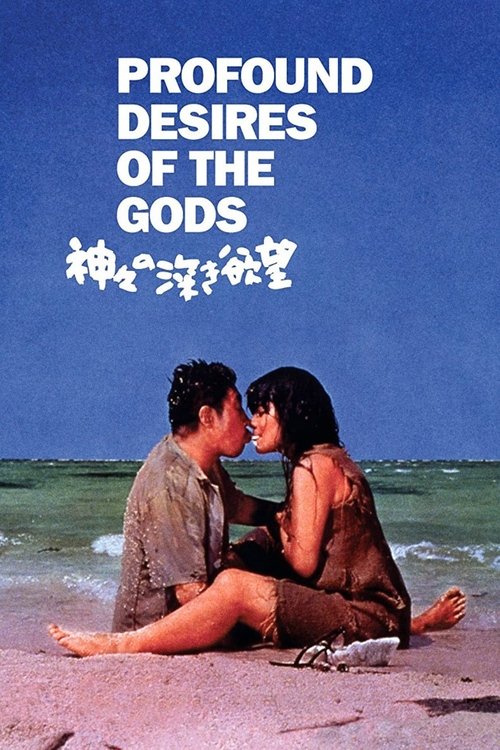
Tokyo engineer Kariya arrives on a primitive tropical island, where he interacts with the Futori clan, to drill a well to power a sugar mill.
The stone-people Hew and Kew have seen a lot in their everlasting lives on top of their mountain. Therefore they're only mildly amazed by the ongoings in the valley below, they've got their own little problems to deal with - But all of a sudden, Mankind is discovering and inventing, instead of just woozeling, and this new behavior starts to threaten Hew's and Kew's stoic peacefulness...
This film is a ternary tale, a rumour. The protagonists try by all means to communicate, but they don't know what to say to each other. They may be deaf, but they're certainly not dumb. They wander around hoping that the environment around them will listen and respond. So, like bewildered surveyors, our two characters wander through urban and natural spaces, changing distances as they see fit. Moving from refuge to building, they see how fragile our environments are. In the beginning, they stand beside a waterfall. At the end, they face concrete and glass.
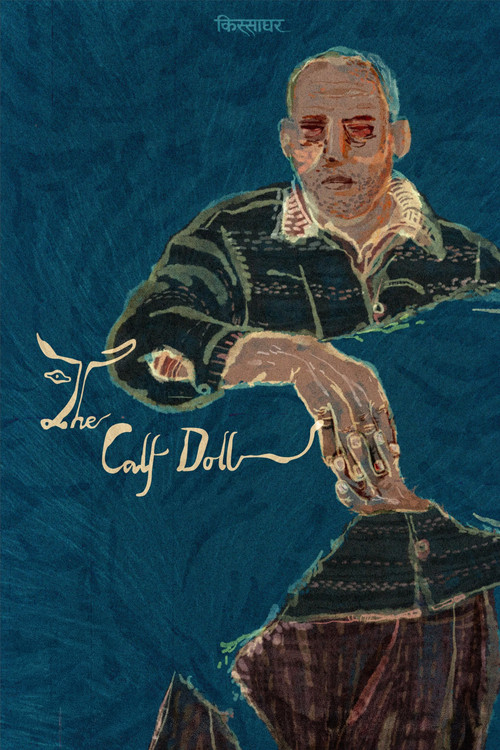
In a smog-choked village in Haryana, a retired professor turns to an outlawed ritual, crafting a calf doll from a stillborn's body, to save his cow from the urbanization slowly erasing his rural world.
This Traveltalk series short visit to New Zealand starts in Auckland, a bustling, modern city. Next is Christchurch, home of Canterbury University, where rowing teams participate in a regatta. Nearby is Lake Wakatipu, which inspires artists to put their impressions on canvas. We then visit Rotorua, a city famous for its geysers, hot springs, bubbling mud pools, and other geothermal activity. At Ferry Springs there is lots of trout for fishing. Later, a group of natives performs a canoe dance.
The captivating tales of the people and events behind one of humanity's greatest achievements in exploration: NASA's Voyager mission.
'Miriam: Home Delivery' is a feature length documentary following one of the longest-practicing midwives in New York City. Miriam has a 'voice and a mission'. We are with her as she drives through the city, enabling those women who have made choices about how and where they give birth, against the cultural norm.
Portrait of Augustinas Baltrušaitis, film and theatre director, as well as actor, who fell into obscurity and has now been relegated to the margins of society, as a result of specific political circumstances. Countdown is a film about the limits of memory, the effects of the implacable passage of time, and a hope that surpasses time.
Karel Plicka was also cinematographer of this short movie. Editor in charge was Alexander Hackenschmied. There is an extraordinary emotional charge, every shot is working on its own, such as photographs, paintings and poetic complement intertitles in this short. From the perspective of nature and the perspective is shifting to the people and their habits, work and clothes. Peculiar documentary shots underscore Ruthenians (men, women and children) who are interested in looking into the camera and the curious "eye" showing off their habits.
No Trailers found.