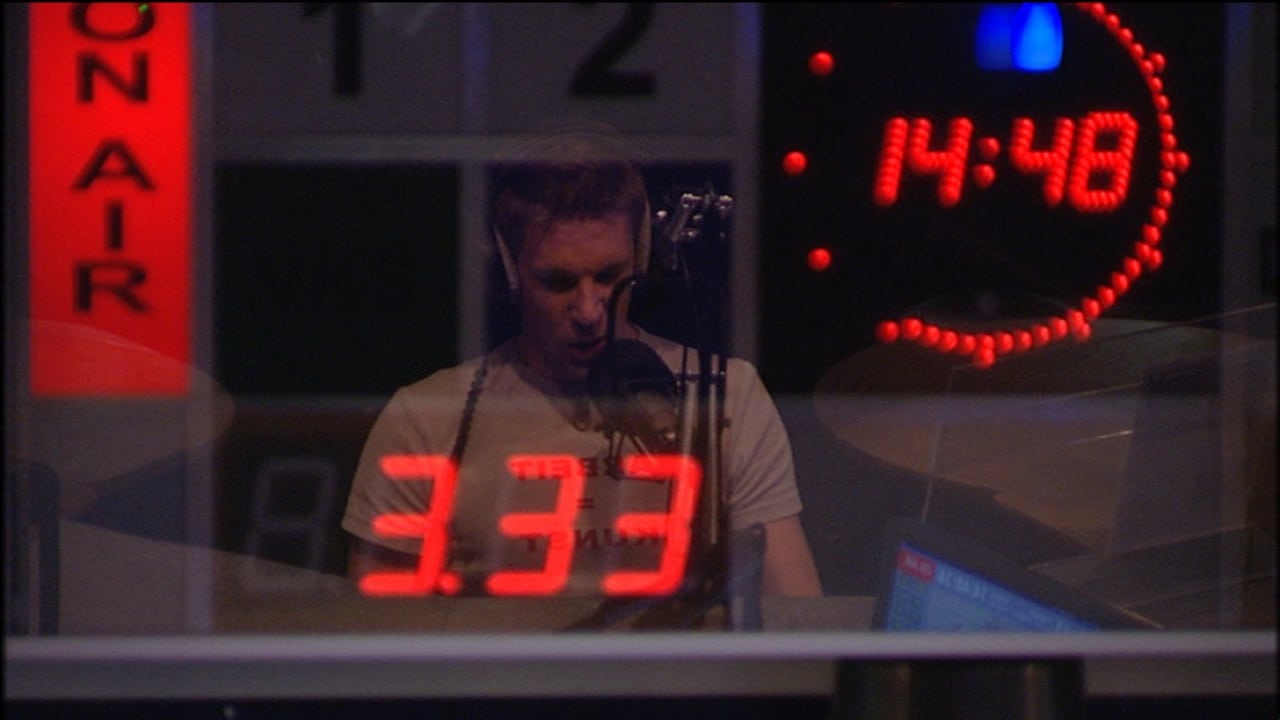
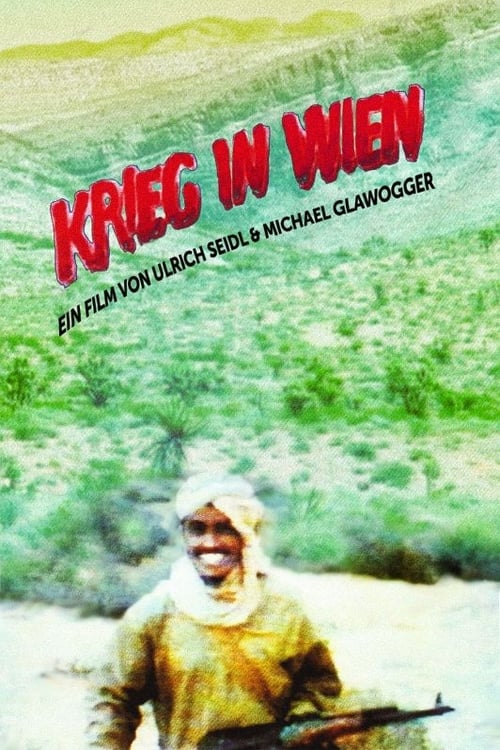
A working day in Austria, 2004. Nine modern working-class heroes are engaged in their daily struggle of survival, accompanied, motivated and influenced by the country’s most popular radio station.
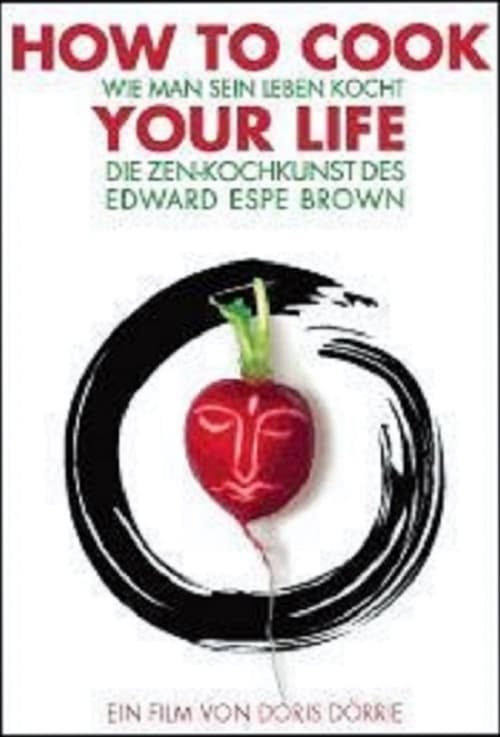
A Zen priest in San Francisco and cookbook author use Zen Buddhism and cooking to relate to everyday life.
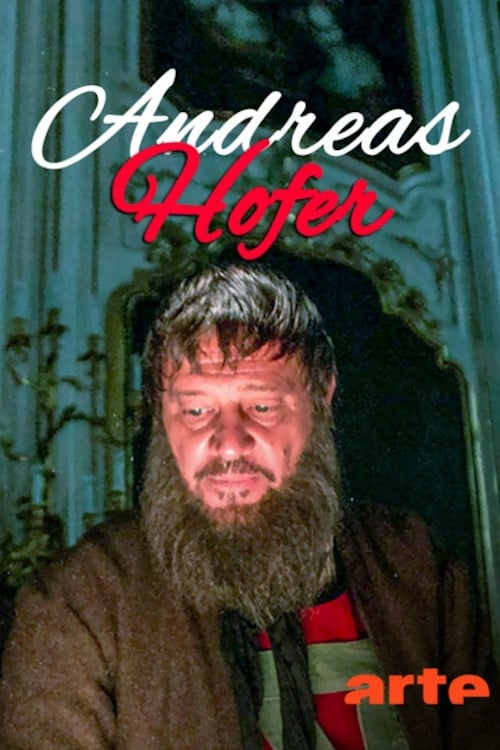
During the Napoleonic Wars at the beginning of the 19th century, Andreas Hofer became a Tyrolean folk hero. As the head of a resistance movement, he became caught up in a dangerous political game of interests between the French and Austrians, Napoleon and the Habsburgs. After the defeat at Austerlitz, the Habsburgs had to cede Tyrol to the Bavarian kings in 1805. The liberal Bavarians implemented numerous reforms in Tyrol, including religious reforms, which met with resistance from the rural population. The young Archduke Johann wanted to take advantage of their discontent. In Andreas Hofer, the commander-in-chief of the Tyrolean troops, the brother of Emperor Franz I finds a loyal patriot whom he can use for his political moves. The Tyrolean revolt against the French and Bavarians puts Napoleon in a tight spot. In several battles, the rebels succeed in defeating the Bavarian and French troops, but not in defeating them for good.
In the small town of Rechnitz a terrible crime against humanity was performed during the holocaust. Until now, no-one dares to talk about it.
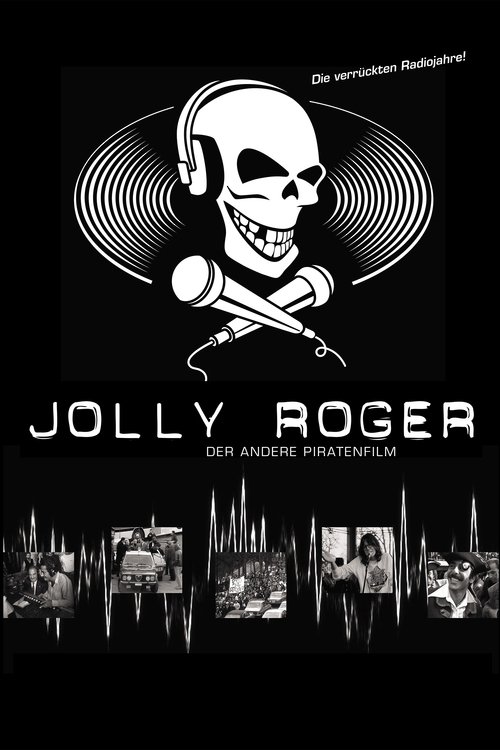
"Jolly Roger" could mean Roger Schawinski. But by definition, a "Jolly Roger" is the classic black pirate flag with skull and crossbones. This documentary tells the unvarnished story of the Swiss radio pirates who emerged in the 1970s. The focus is on Radio 24 in its wild years, when Schawinski's team broadcast from Italy, with the strongest FM station in the world at the time, straight down from Pizzo Groppera, 130 kilometers all the way to the Zurich area. Supported by numerous original documents from private filmmakers and from the SRG archives, the viewer relives the absurd radio war between David and Goliath that lasted almost four years, 24 years after this war between the radio pirates and the state power began on November 13, 1979. The many known and unknown fighters, who rallied behind their Radio Winkelried Schawinski in 1979 to help usher Switzerland into a new media age, remember the good and bad times, the demonstrations and the numerous threatened and actual closures.
No overview available.
Filmmaker Ulrich Seidl explores of the dark underside of the human psyche by entering Austrian basements fitted out as private domains for secrets and fetishes.
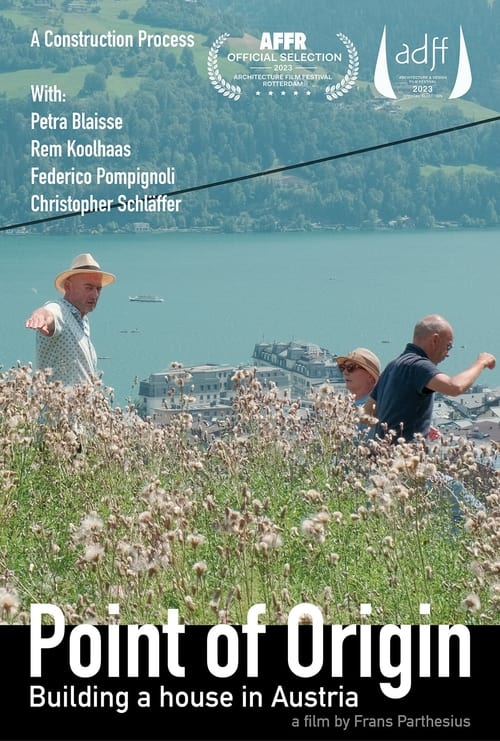
An international tech entrepreneur with a fondness for architecture asks Rem Koolhaas to build a house on an impossibly small piece of mountainside in Zell am See in Austria. The architect of the celebrated book S,M,L,XL seizes the challenge: how to draw light into a house less than four metres wide that is mostly underground? Photographer and filmmaker Frans Parthesius followed the building process and offers insight into Koolhaas’s way of working and the special relationship with his client.
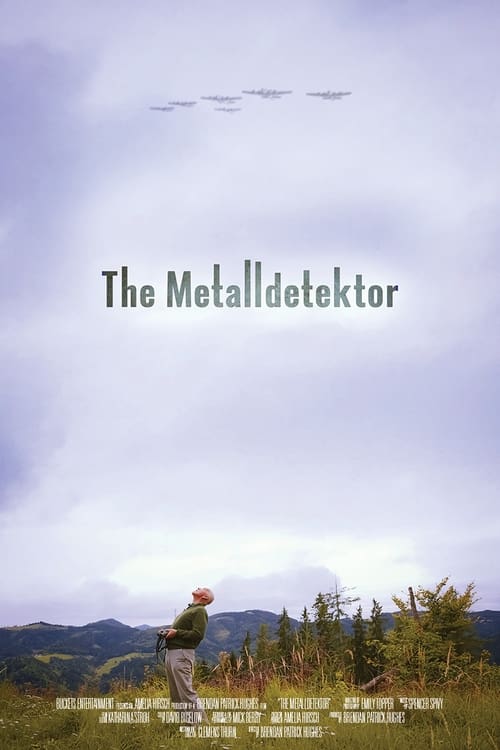
Georg is an Austrian retiree whose mother witnessed the crash of an Allied B-17 near their home during World War II. When he takes up metal detecting to find the wreckage, a growing fascination leads him to embark on a heartfelt mission, not only to research the backgrounds of the American crewmembers who parachuted off the plane into enemy territory, but to locate their descendants, to bring them to his Austrian town on the 75th anniversary of the crash, to introduce them to the townspeople who helped their fathers, and to unite his town in remembrance. It’s a story of empathy, resilience, and the enduring power of human connection.
Titled after the first-ever song to play on their airwaves, Kick Out the Jams follows the development of XFM from its rebellious pirate radio roots in the early 90’s, through to its official FM radio launch in 1997 as a major platform for launching alternative talent into the mainstream. The doc deep-dives into the struggles and influence of the station which gave rise to the likes of Ricky Gervais and Stephen Merchant, whose global hits The Office and The Ricky Gervais Show were originally developed while working at the radio station.
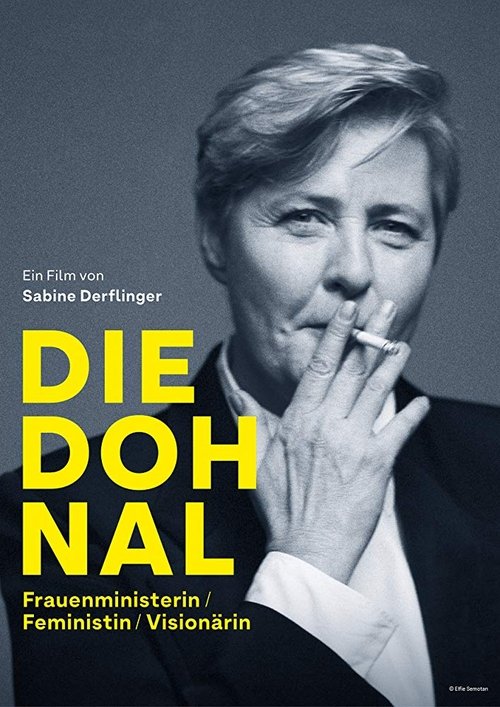
Johanna Dohnal, whose political career spans three decades, was one of the very first explicitly feminist politicians in Europe. As a member of the Austrian socialist government and the first Austrian minister for Women’s Affairs from 1990 to 1994, Dohnal was responsible for founding Austria’s first women’s refuge as well as criminalizing of marital rape. Yet her legacy remains yet to be discovered and re-examined. DIE DOHNAL makes a first step, and it makes Dohnal come alive.
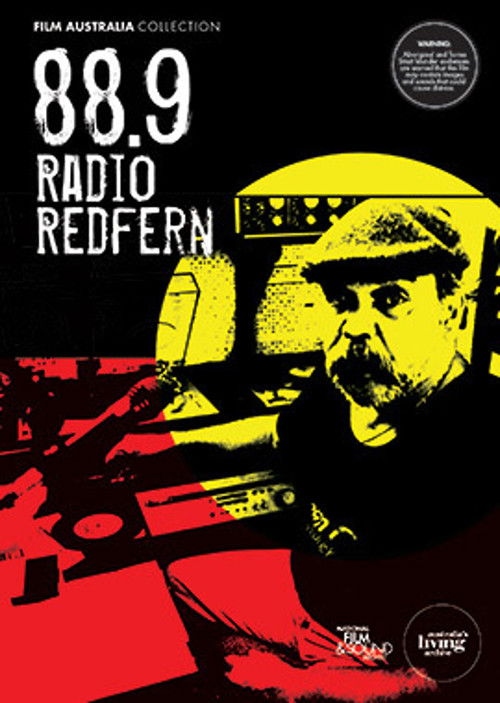
An observational documentary which looks at Sydney’s first community Aboriginal radio station, 88.9 Radio Redfern. Set against a backdrop of contemporary Aboriginal music, 88.9 Radio Redfern offers a special and rare exploration of the people, attitudes and philosophies behind the lead up to a different type of celebration of Australia’s Bicentennial Year. Throughout 1988, 88.9 Radio Redfern became an important focal point for communication and solidarity within the Aboriginal community. The film reveals how urban blacks are adapting social structures such as the mass media to serve their needs.
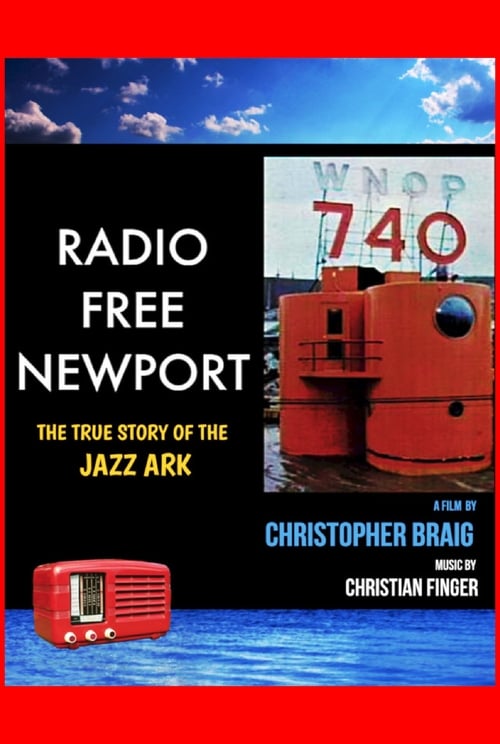
Imagine an AM Radio Station with a dawn to dusk license that played nothing but jazz and comedy records. Did I mention it FLOATED in the Ohio River and changed the culture of a Community? The history of Cincinnati Jazz is long, wide, diverse and in the case of WNOP sometimes beyond belief. Saxophonist turned filmmaker Christopher Braig's second Film will focus on the people, music, and cities that kept "The Jazz Ark" sailing for 42 years from 1968 to 2000.
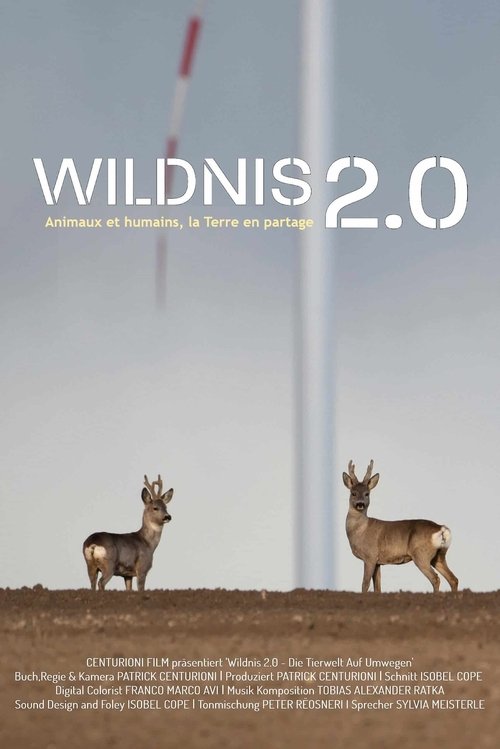
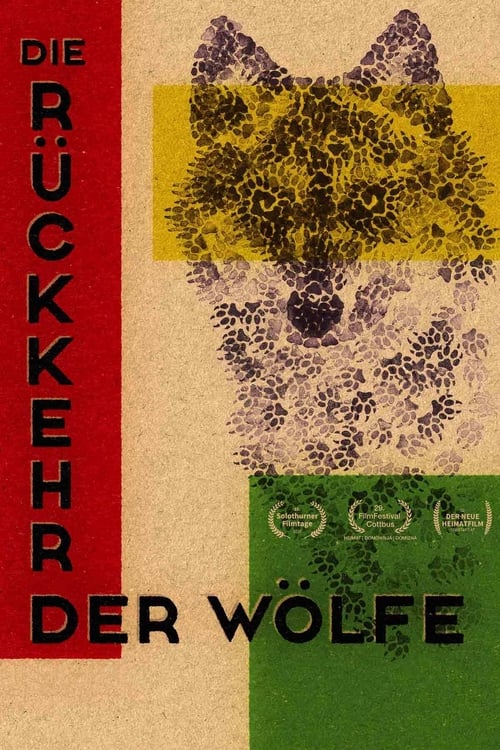
Wolves divide and fascinate us. 150 years after they were driven to extinction in Central Europe, they are returning slowly but inexorably. Are they dangerous to humans? Is it possible to coexist? Using Switzerland as a point of departure, where wolves have returned in the very recent past, this documentary sheds light on the wolf situation in Austria, eastern Germany, Poland, Bulgaria, and even Minnesota, where freely roaming packs of wolves are more common sight.
A film about news, life and death. Before the media became so prevalent, we were concerned about our immediate neighborhood. At the end of the day, news was the subject of our conversations, but now it's possible to converse with someone at the other end of the globe. We do it all the time. It's simple. The world has become one big neighborhood. Now Headline News has replaced the back fence. That's the news service of the eigthies. It's a new idea and a new approach.
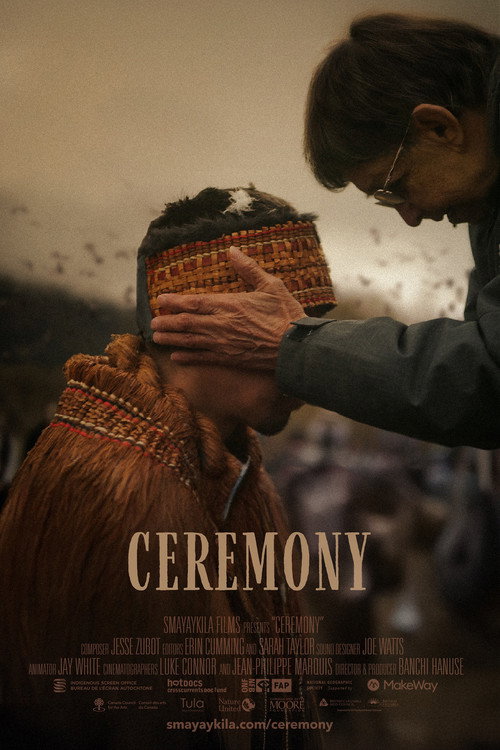
Through ramshackled Nuxalk Radio in Bella Coola, the disappearance of the ooligan reveals a buried history deeper than the river itself.
A staged TV portrait of the Austrian cartoonist Gerhard Haderer; and first collaboration with Maria Hofstätter.
This film journeys deep into the heart of Austria’s favorite daily newspaper, the Kronen Zeitung, the most widely-read paper per capita in the world. The “Krone’s” 2.7 million readers represent 43% of the Austrian press market. A reflection of the Austrian soul, this newspaper serves as a prism through which we can understand the rise of the populist Right in this country and examine the dangerous flirtation between media and politics.
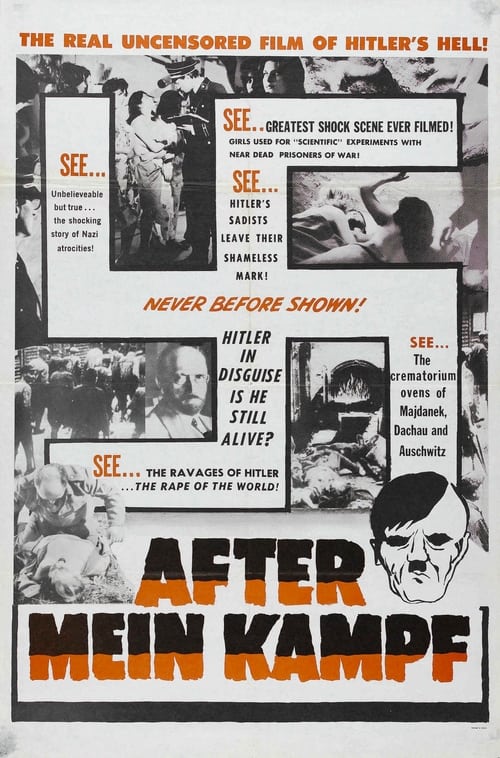
By combining actual footage with reenactments, this film offers both a documentary and fictional account of the life of Adolf Hitler, from his childhood in Vienna, through the rise of the Third Reich, to his final act of suicide in the waning days of WWII. The film also provides considerable, and often shocking, detail of the atrocities enacted by the Nazi regime under Hitler's command.
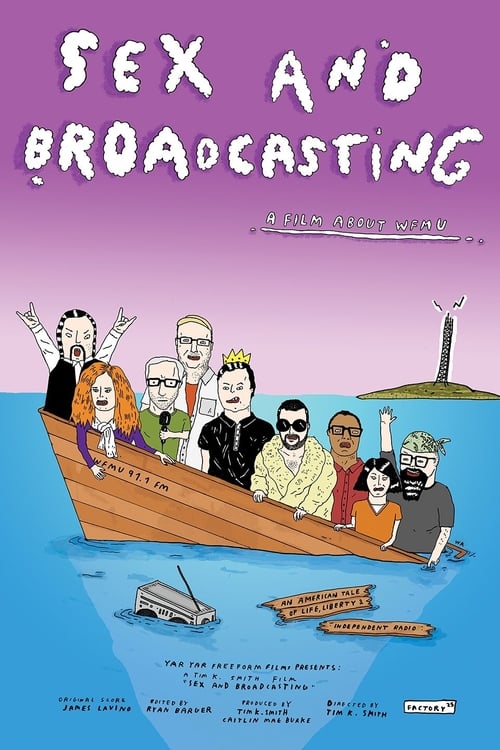
SEX AND BROADCASTING is a feature length documentary about New Jersey's WFMU, the world's strangest and most unique radio station, and one man's attempt to keep it alive in the face of recession, the persistent threat of commercial media, and the challenges that come with keeping a rebellious group of outsiders together.
No Cast found.
No Trailers found.