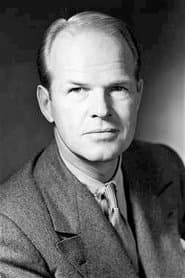
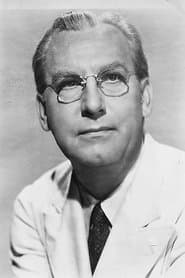
Shows how important luck can be in a person's life.
Self - Narrator (voice)
Robert Clive of India
Mrs. Jones (uncredited)
Harry Jones (uncredited)
Harry Jones' Son (uncredited)
Dr. William Roentgen (uncredited)
No Trailers found.
In this somewhat whitewashed documentary on Manhattan's Bowery a newcomer to the area takes his first step toward redemption after a meal, bed, and inspiring talk.
The 1939 dramatic short "Angel of Mercy," about Red Cross founder Clara Barton, is reedited to relate the story to America's involvement in World War II. Edited from Angel of Mercy (1939)
This John Nesbitt's Passing Parade series short highlights the film preservation efforts of the Museum of Modern Art in New York. Several scenes from early newsreels are shown.
This MGM Passing Parade series short tells the story of Julian Poydras, whose encounter with a girl at Mardi Gras had a profound effect on his later life.
Part of John Nesbitt's Passing Parade series, this short shows how three seemingly unimportant things can affect people. The first is how the number 7 affects a student accused of theft charges. The second segment shows that a person's doodles can reveal personality traits. The final segment shows why certain items are on men's suits, such as lapels.
This Passing Parade series short chronicles the political life of Francisco Madero, who tried to bring democracy and land reform to Mexico.
Historical short showing how Eli Whitney (best known for the invention of the cotton gin) played a significant role in the introduction of mass production techniques to the USA in the late 18th century.
A "Passing Parade" MGM short featuring tennis star Alice Marble
This John Nesbitt's Passing Parade short tells the story of Alfred Nobel, who invented dynamite, and later established the Nobel Prize.
This MGM Passing Parade series short tells the story of Clara Barton, the founder of the Red Cross.
This MGM Passing Parade series short recounts how English chemist John Walker invented the wooden friction match during the 1820s.
This MGM John Nesbitt's Passing Parade series short takes a look at the origins of North American slang.
Eight single men, full of hope, departed on a long journey to Moscow to pursue luck. How strong is their faith that salvation could be in a woman? And what could a woman do for love? The Pursuit of Luck is a documentary film consisting of three stories (Hope, Faith and Love) in which the destinies of the main protagonists intertwine in their efforts to find happiness.
This MGM John Nesbitt's Passing Parade series short tells the story of how a Mauser pistol used on the battlefield by Germans during WWII makes its way into the hands of an American gangster.
This John Nesbitt's Passing Parade short takes a look at the typical American barbershop throughout the years.
This John Nesbitt's Passing Parade short tells the story of John Peter Zenger, who in Colonial New York was tried for sedition based on what he printed in his newspaper.
This short film presents the story of Dr. Ephraim McDowell, who came under scrutiny for his pioneering of surgical practices.
This entry in John Nesbitt's "Passing Parade" series is about the great moments in the lives of famous men who found found an answer or made a great discovery in the flash of a golden hunch.
This short film focuses on the mysterious and legendary Seri Indians who live in a utopian colony off the west coast of Mexico.
This John Nesbitt's Passing Parade short explores the origins of various customs such as shaking hands, kissing, and why ships are christened.