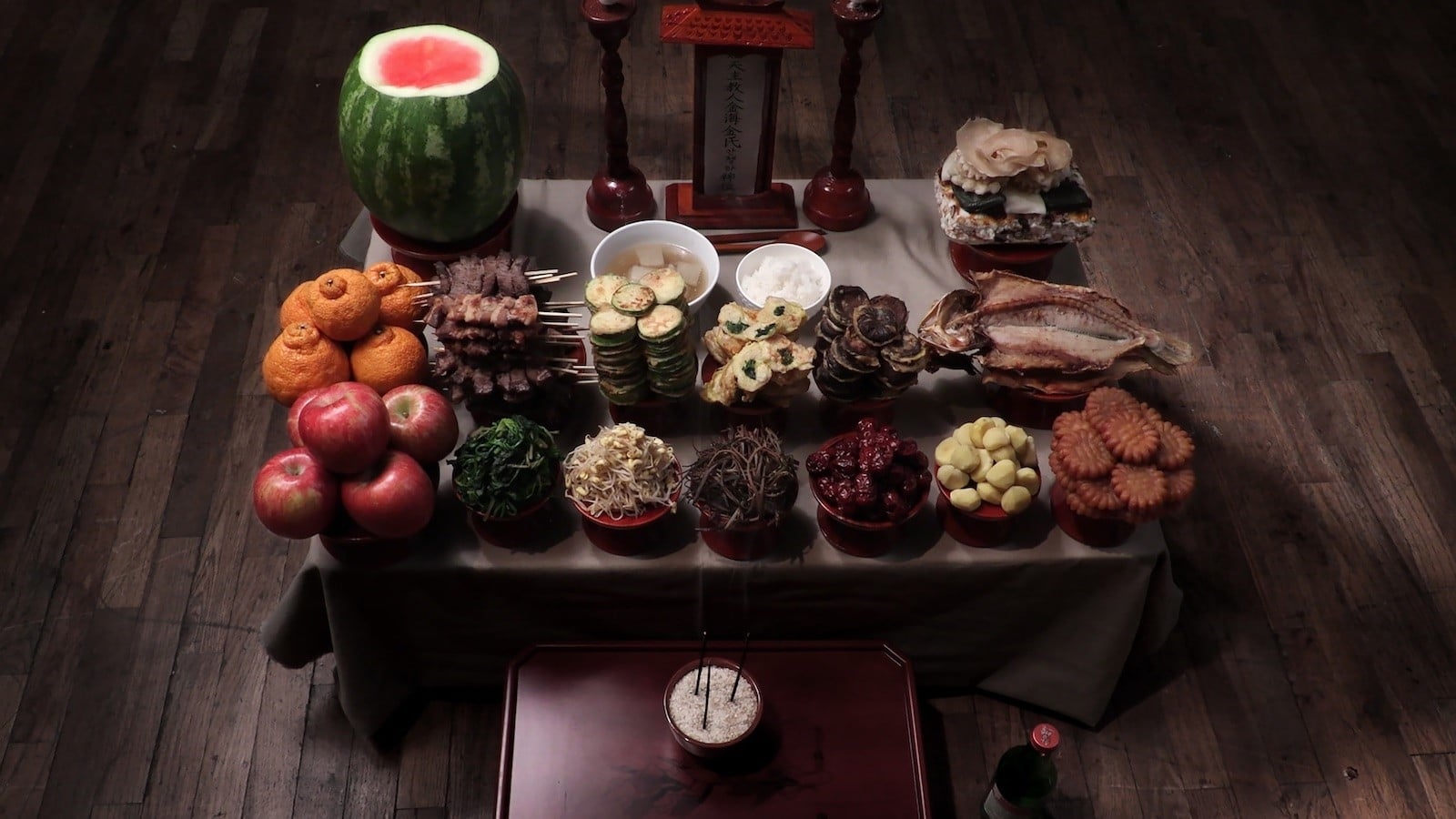
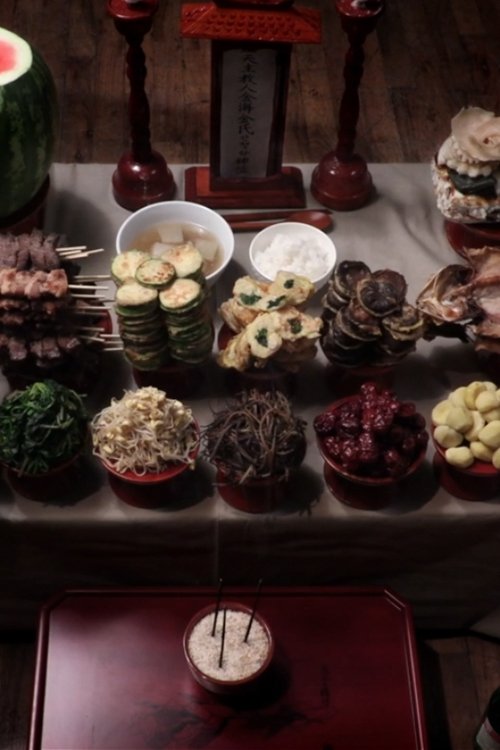
Jesa is a Korean tradition honoring one's ancestors. The filmmaker interviewed her parents about this ritual. However, it goes totally unexpected.
Trailer
No Cast found.
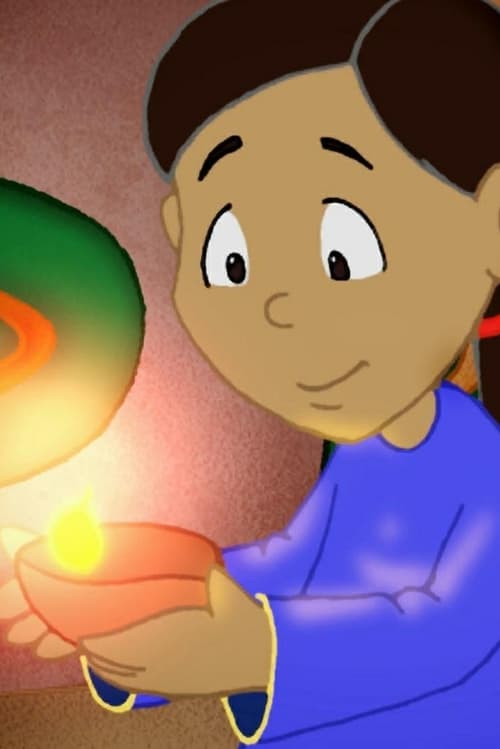
This animated short, based on the book by Rachna Gilmore, is the story of Gita, an 8-year-old girl who can't wait to celebrate Divali - the Hindu festival of lights - in her new home in Canada. But it's nothing like New Delhi, where she comes from. The weather is cold and grey and a terrible ice storm cuts off the power, ruining her plans for a party. Obviously, a Divali celebration now is impossible. Or is it? As Gita experiences the glittering beauty of the icy streets outside, the traditional festival of lights comes alive in a sparkling new way.
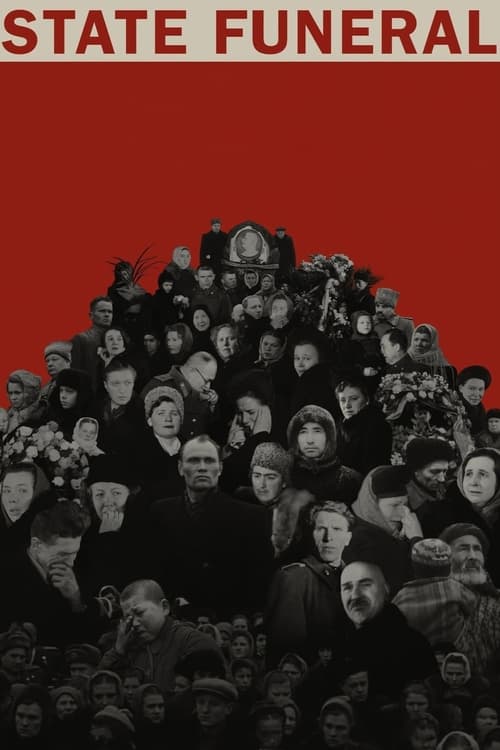
The enigma of the personality cult is revealed in the grand spectacle of Stalin’s funeral. The film is based on unique archive footage, shot in the USSR on March 5 - 9, 1953, when the country mourned and buried Joseph Stalin.
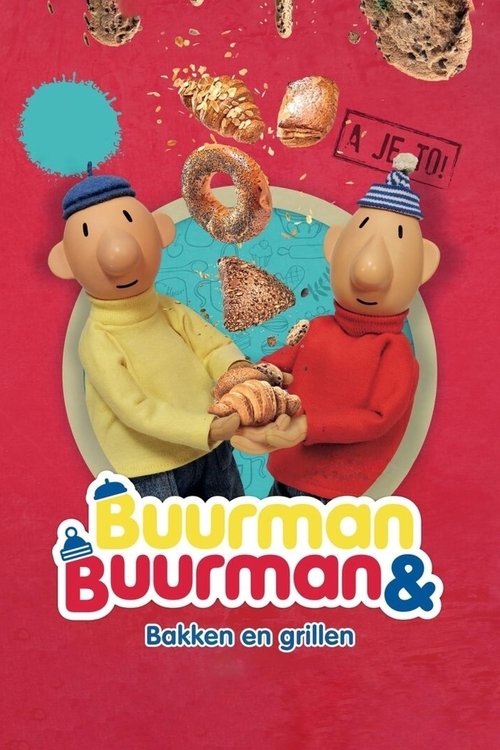
Pat & Mat again cause a lot of chaos in their new adventure Pat & Mat: Baking and Grilling! This time the clumsy duo come up with original solutions for making food, but that is not always easy ... For example, the neighbors decide to organize a barbecue, but how do you do that if the grill does not work properly? Then you can make one yourself! Ice cubes and bread are also made in an original way. When the clumsy neighbors go back to work after watching a self-made 4D film and want to make the garage door, they lock themselves up. In short: there is a lot to do with the cheerful neighbors!
The true story of the most decorated dog in American military history - Sgt. Stubby - and the enduring bonds he forged with his brothers-in-arms in the trenches of World War I.
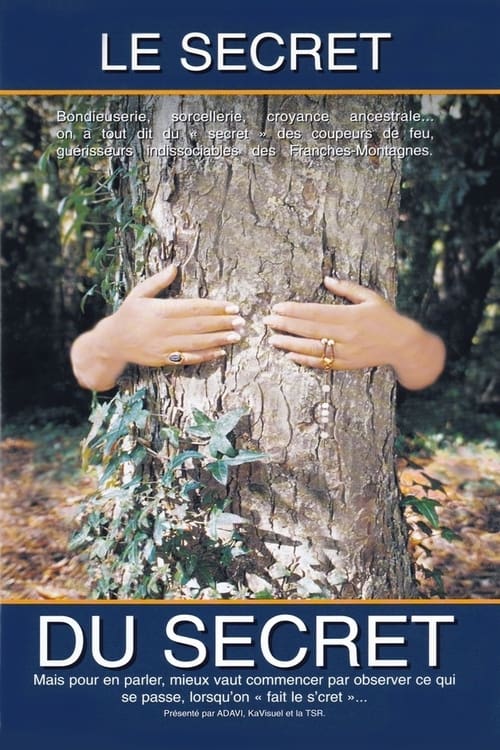
The traditional healers in the Swiss and French mountains.
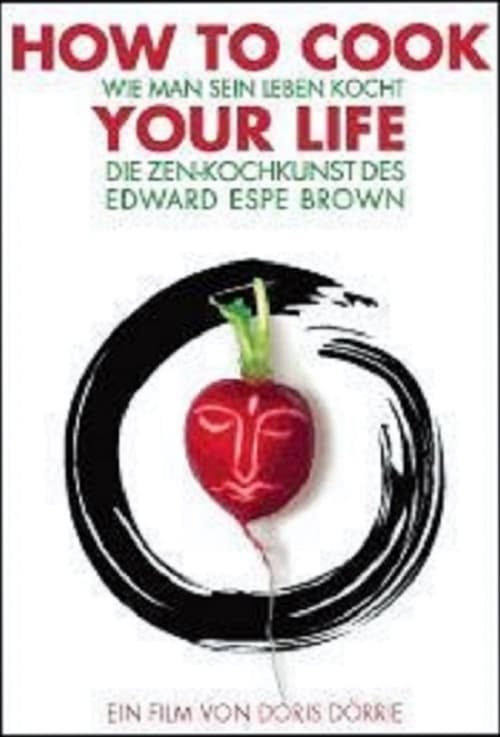
A Zen priest in San Francisco and cookbook author use Zen Buddhism and cooking to relate to everyday life.
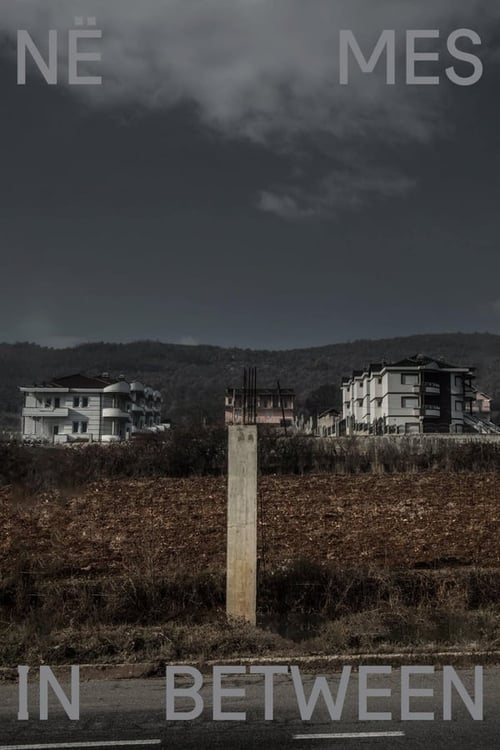
In rural Kosovo, identical houses are built for family members working abroad, in the hope that they will one day return to settle in their old homeland.
Short film.
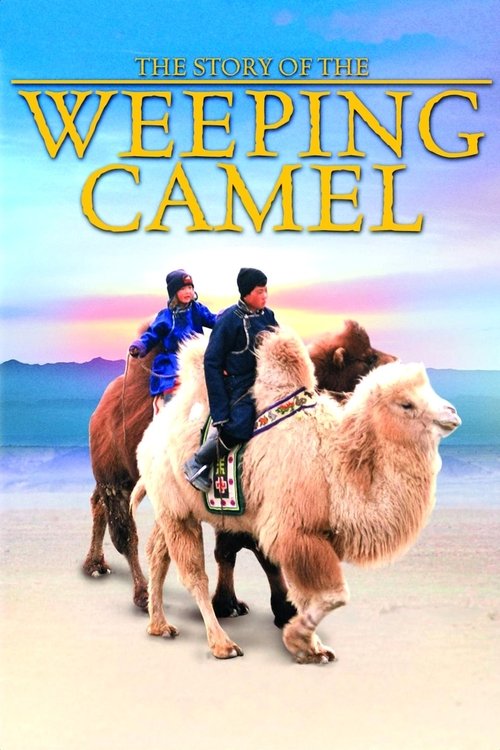
When a Mongolian nomadic family's newest camel colt is rejected by its mother, a musician is needed for a ritual to change her mind.
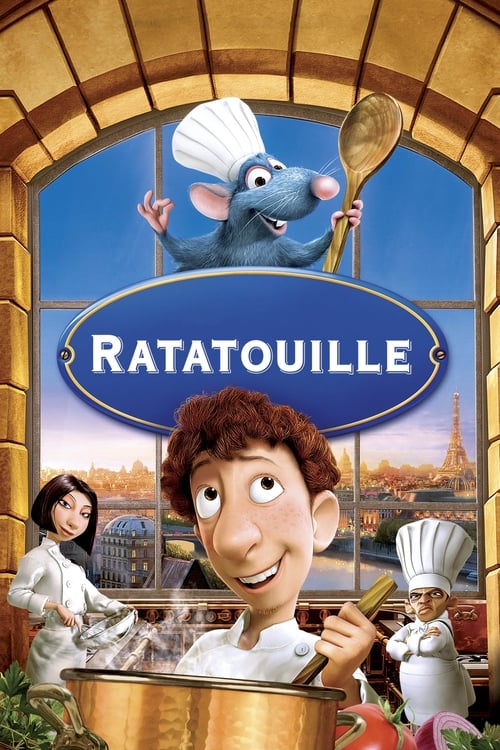
Remy, a rat living in Paris, possesses a palate far more refined than that of his fellow comrades. He dreams of becoming a chef, determined to create culinary masterpieces rather than scavenge for scraps. When fate deposits him in the sewers beneath one of Paris’s most famous restaurants, he finds himself ideally placed to fulfill his dream. Forming an unusual alliance with a bumbling young kitchen worker, Remy begins a daring culinary double life. Together, they must outwit the scheming Head Chef Skinner, evade Remy’s disapproving colony, and impress renowned food critic Anton Ego, who strikes fear in the hearts of chefs all throughout France.
On Love N Oven, we break down a scenario in a relationship and make a dish perfect for the occasion.
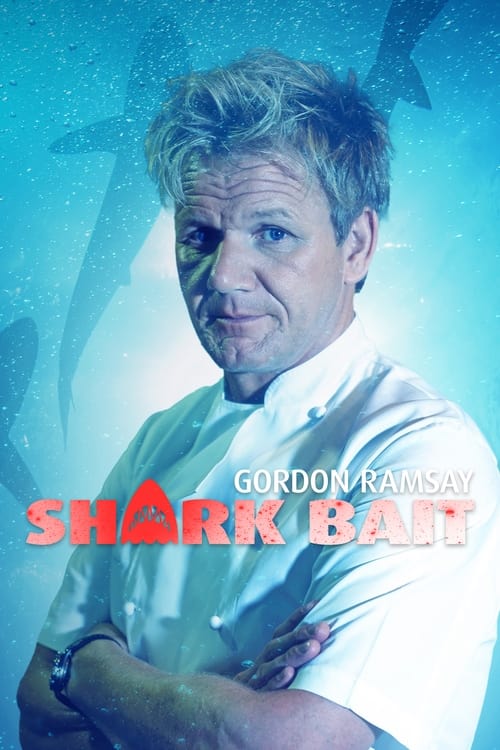
In this one-hour special, Gordon investigates the history, culture and controversy surrounding the shark fishing industry. Each year, nearly 100 million sharks worldwide are killed for use of their fins in the traditional Chinese delicacy, driving a third of the world's shark species towards extinction. Gordon also goes diving in an attempt to gain a full understanding of the majestic animal.
In this Traveltalk short, the symbolic role of cherry blossoms in Japanese culture is explored as well as the traditional Japanese religions of Shintoism, Confucianism, and Buddhism.
A Kellergasse – the cellar lane – is one of the distinguishing cultural and physical features of the winegrowing region Niederösterreich – Lower Austria. There are more than a thousand of them. Until recently, wine was not only stored in the Kellergasse, but pressed and fermented there as well. Today, the Kellergassen have less to do with occupation and more with recreation. A documentary by Georg Riha follows a year in the life of this valuable cultural legacy.
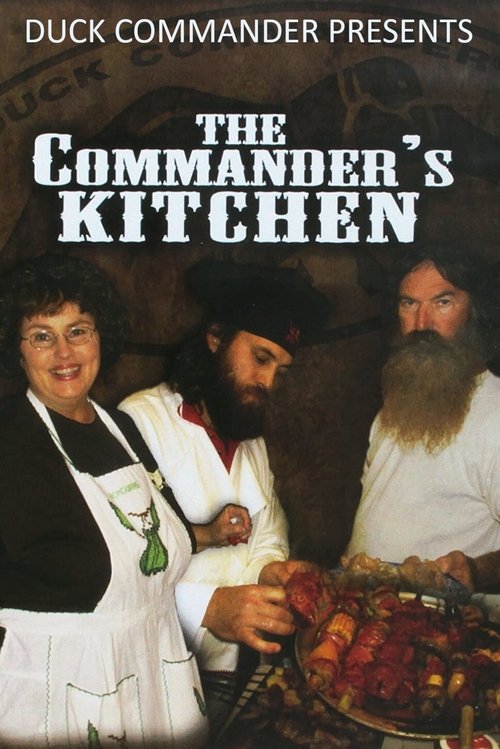
Come on in and have a seat as Phil and Kay Robertson, along with their family, share with you their favorite dishes. Watch as they give step by step instructions on how to cook some of the best recipes Lousiana has to offer. This is one mouth-watering treat you will not want to miss.
Three generations of a single family live together under a common roof in an uncoordinated choreography. The mother, acting as an orchestra conductor, tries without success to gather everyone around the same table for dinner.
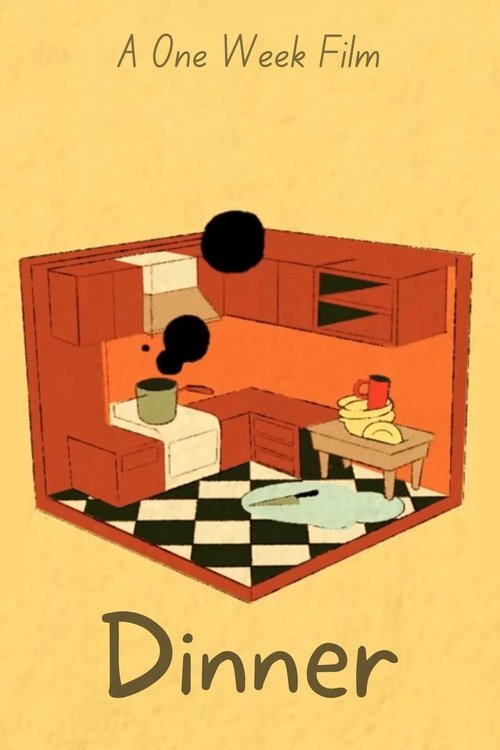
What are one week films? They're an assignment we do our first week back at CalArts, designed to dust off cobwebs by throwing us straight into the deep end. Our class theme was "square," and we had a lot of fun playing around with compositions inspired by East Asian graphic design.
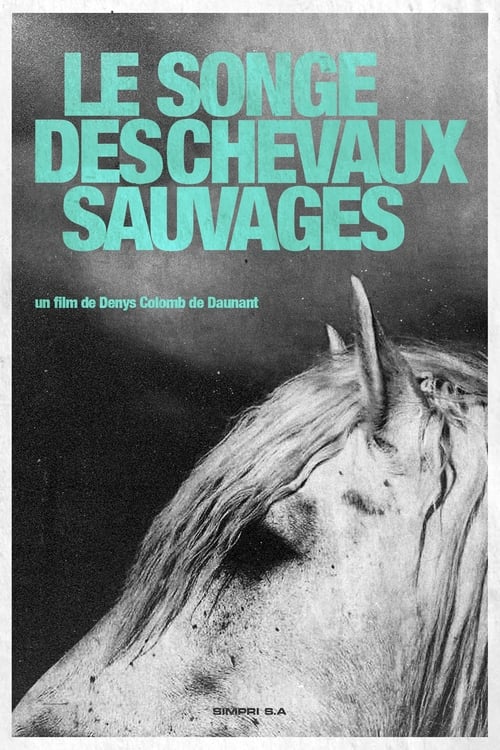
The horses in Denys Colomb Daunant’s dream poem are the white beasts of the marshlands of the Camargue in South West France. Daunant was haunted by these creatures. His obsession was first visualized when he wrote the autobiographical script for Albert Lamorisse’s award-winning 1953 film White Mane. In this short the beauty of the horses is captured with a variety of film techniques and by Jacques Lasry’s beautiful electronic score.
In Papua New Guinea, pig tusks and shell money are currencies which can buy most things. Henry Tokubak’s dream is to create the first bank where traditional money counts as legal tender.
Harry the bunny, a happy, funny and very friendly bunny, decides to celebrate his mommy's birthday and throw a big surprise birthday party for her. With his friends' help he goes through many challenges, bakes mommy a cake and arranges everything while counting from 1 to 10, playing, singing, and having lots of fun.