This audio-visual tone poem uses the language of filmmaking to offer a first-hand evocation of the turbulent psychological effects one can experience due to prolonged lack of sunlight.
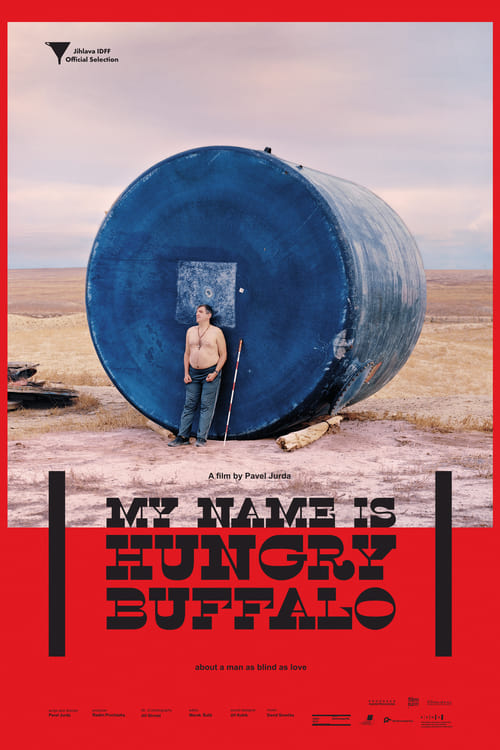
Jan calls himself Buffalo. He loves cowboys, he’s blind, and may lose his hearing. The documentary follows his journey to America to visit the chief of the Navajo tribe, who wants to perform a ritual to help his hearing. The film is full of unpretentious humor thanks to Jan’s charisma. In the USA, he’s like the Don Quixote of the Wild West - a naive adventurer in a world that is much more ordinary than his imagination. This observational, but not standoffish, film is also an example of how the medium of film can relate to blind people by constantly showing the difference between what Jan perceives and what we actually see.
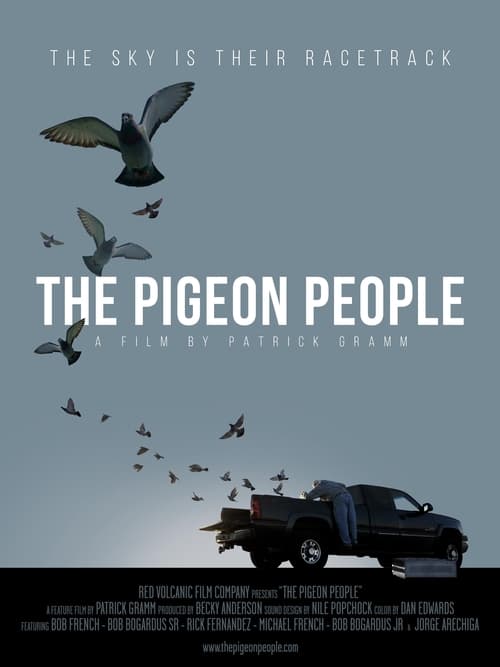
Directed by Patrick Gramm, 'The Pigeon People' (2023) takes you deep into Arizona's underground pigeon racing scene as racing rivals prepare for and compete in the Grand Canyon Classic - a 350-mile pigeon race from Utah to Arizona that crosses over the Grand Canyon.
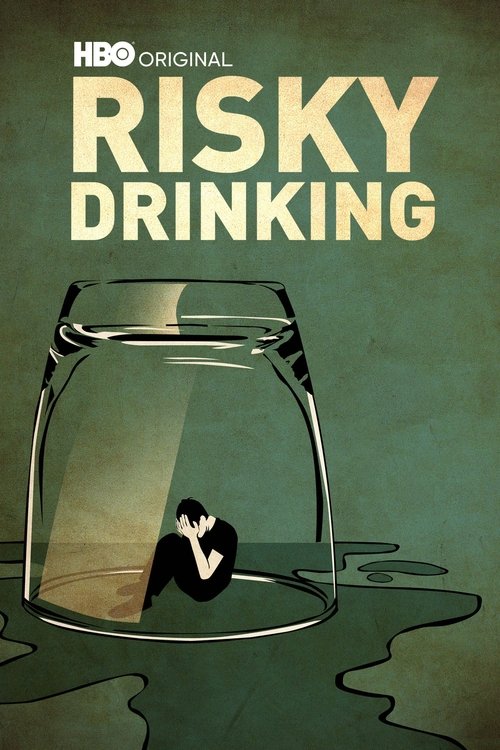
Are you a risky drinker? Nearly 70% of American adults drink alcohol and nearly 1/3 of them engage in problem drinking at some point in their lives. Produced with The National Institute of Alcohol Abuse and Alcoholism (NIAAA), Risky Drinking is a no-holds-barred look at a national epidemic through the intimate stories of four people whose drinking dramatically affects their relationships.
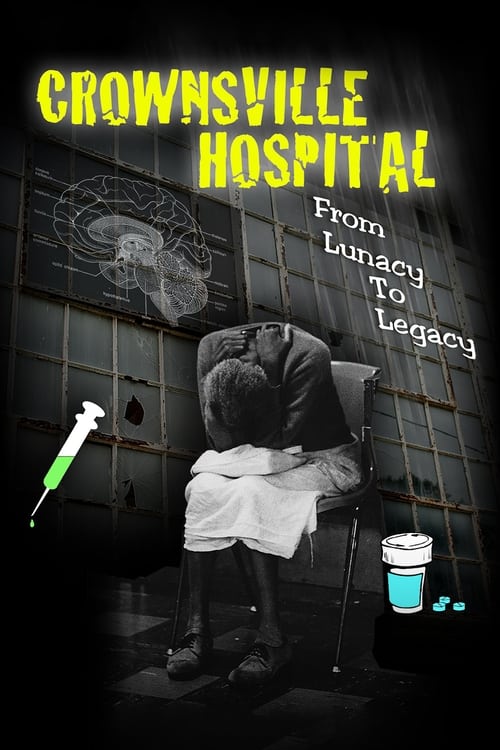
Crownsville Hospital: From Lunacy to Legacy is a feature-length documentary film highlighting the history of the Crownsville State Mental Hospital in Crownsville, MD.
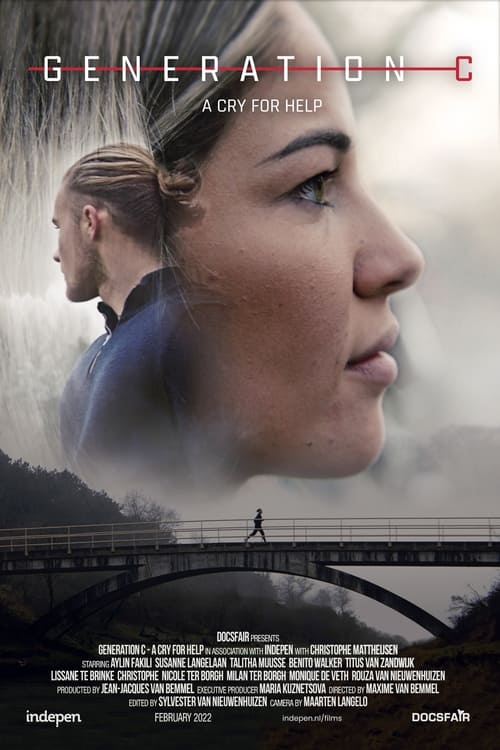
Due to the measures taken by the government, students have fewer and fewer prospects for a meaningful future. Life is on pause and society is kept in fear. The confidence in a bright future is gone. Even after 18 months, there is still no light at the end of the tunnel. The many promises have not yet changed this situation. In this moving documentary, young people give an idea of the impact of the measures on their lives. Is there still hope or has the damage already been done?
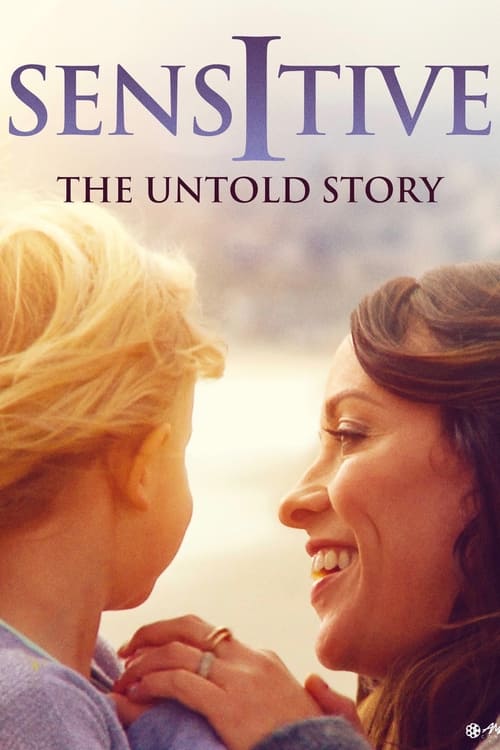
A groundbreaking documentary about the temperament trait of high sensitivity found in 20% of the population in both men and women. Based on the findings of bestselling author-psychologist Dr. Elaine Aron ("The Highly Sensitive Person").
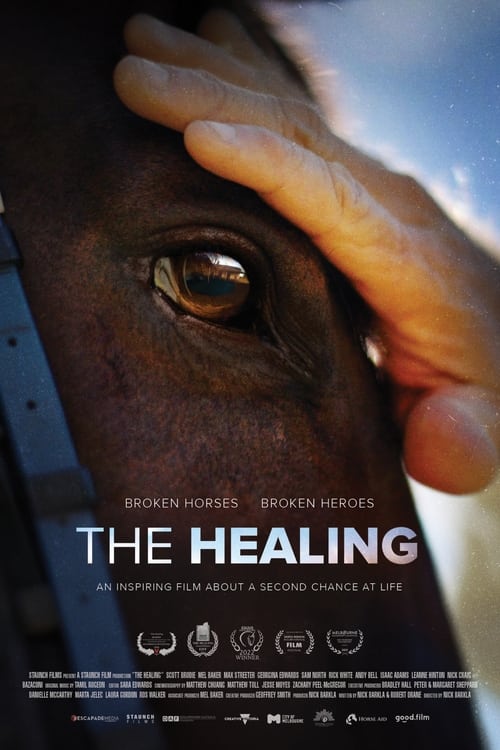
An inspiring journey of recovery from two very different worlds. Set against the stunning backdrop of Kangaroo Valley in NSW, a revolutionary program brings together traumatised ex-racehorses and traumatised military veterans - to help rebuild each other, and transform lives.
Is there a mental health crisis in agriculture in Colorado? Farming and ranching has become increasingly difficult over the years. An industry that is typically viewed as romantic, hardworking, and "salt-of-the earth" is actually a job full of tremendous stress outside of anyone's control. Combine that with the enormous generational pressure to continue the family farm, and you have a large group of people that are suffering silently. How do we take care of those that are taking care of us?
Games You Can’t Win explores “empathy” gaming, a new video game movement in which developers are sharing some of their most intimate or traumatic personal experiences through artful, documentary-style video games. Using a combination of intimate verité footage and video capture from the games, the short film tells the stories of three developer and the personal experiences that inspired their game.
No overview available.
Documentary about the life and career of a comic genius, Peter Sellers.
Documentary written and presented by scientist Richard Dawkins, in which he seeks to expose "those areas of belief that exist without scientific proof, yet manage to hold the nation under their spell", including mediumship, psychokinesis, acupuncture, and other forms of alternative medicine.
No Measure of Health profiles Kyle Magee, an anti-advertising activist from Melbourne, Australia, who for the past 10 years has been going out into public spaces and covering over for-profit advertising in various ways. The film is a snapshot of his latest approach, which is to black-out advertising panels in protest of the way the media system, which is funded by advertising, is dominated by for-profit interests that have taken over public spaces and discourse. Kyle’s view is that real democracy requires a democratic media system, not one funded and controlled by the rich. As this film follows Kyle on a regular day of action, he reflects on fatherhood, democracy, what drives the protest, and his struggle with depression, as we learn that “it is no measure of health to be well adjusted to a profoundly sick society.”
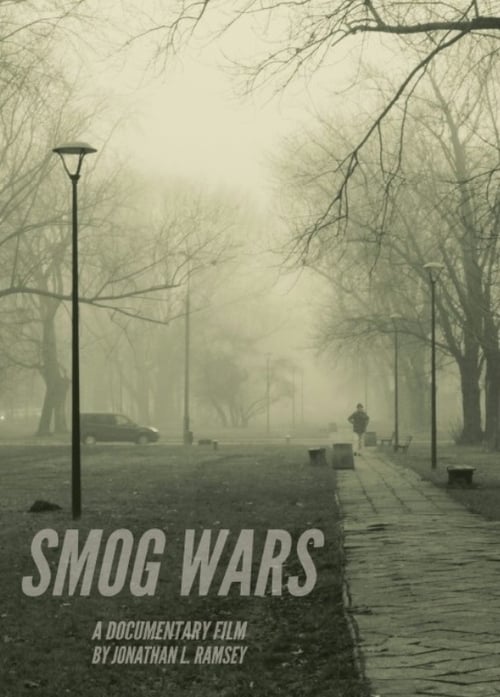
Following the historically smoggy Polish winter of 2016/2017, a Warsaw father of an asthmatic son searches for answers about why air pollution continues to be a major problem in Poland - and why solving the problem is easier said than done.
The work of Leiden professor Bastiaans on dealing with the trauma of war victims attracts the attention of filmmaker Louis van Gasteren. He decides to make a film about the psychotherapeutic treatment with LSD of a former concentration camp prisoner in the clinic of Bastiaans. Patient Joop is arrested in September 1941 and begins a long hellish journey through various camps, until he is liberated by the Russians. When he returns to his wife, he has become a completely different man. Joop suffers from nightmares and is incapable of normal human contact. With two cameras, Van Gasteren records approximately six and a half hours of the first treatment that Joop undergoes with Bastiaans (four more will follow later). Special attention is paid to details: Joop's hands, the sweat on his forehead, a tear running slowly down his cheek. Van Gasteren reduces the recordings to more than an hour.
Called a maverick, a miracle-worker, and a quack, Dr. Marty Goldstein is a pioneer of integrative veterinary medicine. By holistically treating animals after other vets have given up, Goldstein provides a last hope for pet owners with nothing left to lose.
More and more prominent people are publicly admitting to being affected by dyslexia. Hardly any other aspect of learning at school has been researched as extensively in recent decades as dyslexia, and yet there is still a lack of clarity in the scientific community about causes and therapies, and children are left alone with the feeling of being a failure.
No Cast found.
No Trailers found.