Footage of Wuhan, China, during the coronavirus quarantine.
No overview available.
Documentary film detailing how America became the epicenter of the COVID-19 outbreak, from the dismantling of our preparedness system starting in 2016 to the “missing months” of inaction in early 2020.
It's a story about post-90 generation in China and how they chasing their dreams through a talent show. The summer of 2013 saw a group of young boys enter a Chinese TV talent show called Super Boy, hoping to be catapulted to fame. The film documents how the young boys coped with their new challenging lives. While under unthinkable pressure, they proved themselves by trying to make the right choices during live shows. Talent shows create a new type of entertainer, but can they still keep their true selves? Can they adjust themselves and balance the ups and downs? What have the ten years of Chinese talent shows given us? What is urging us to grow up?
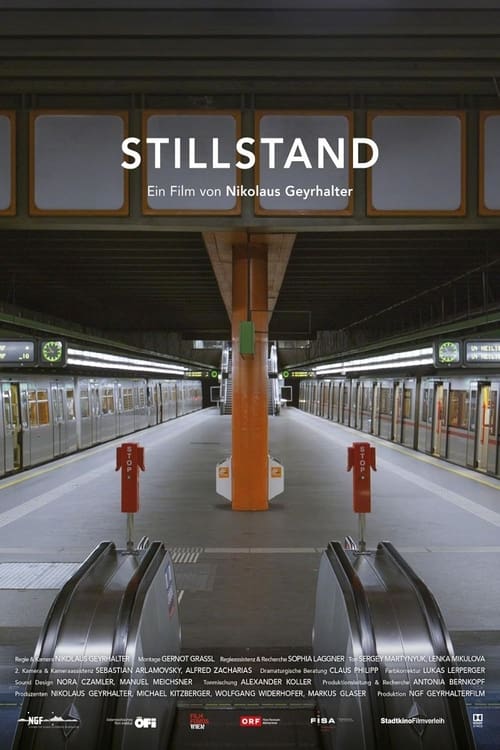
In an observation over four seasons THE STANDSTILL shows Vienna and its surroundings along with encounters with people during and after the Corona crisis. The film tells of the immediate and also the long-term effects, which can only be evaluated and classified in the future.
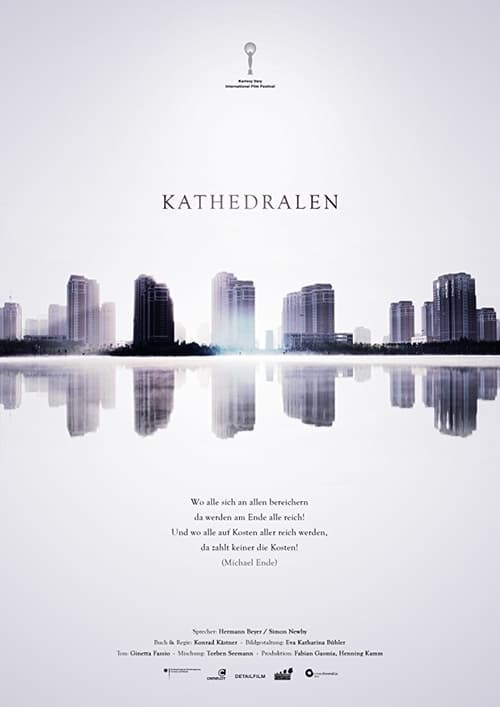
The city of Ordos, in the middle of China, was build for a million people yet remains completely empty. Ordos is not so much a place but a symbol of babylonic hype. But nothing will change - as long as people believe.
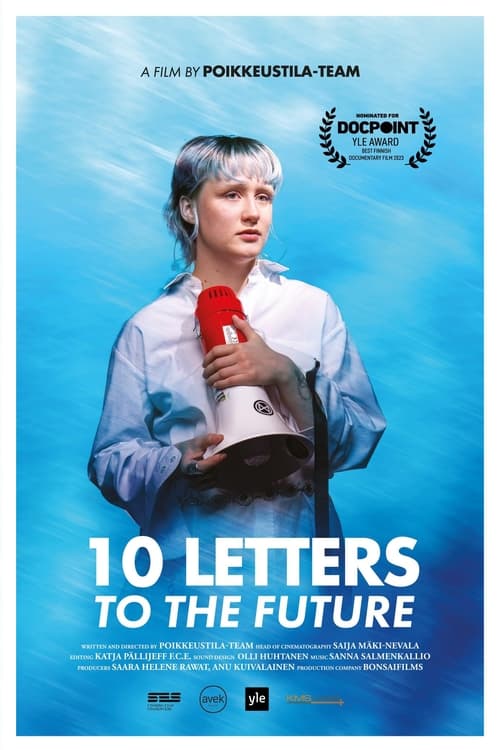
10 Letters to the Future is a documentary film that is a mid-term review in a world of intertwined crises. It is a puzzle, a kaleidoscope that enables a multi-voiced debate in society. The collectively made film was conceived in the era of the Coronavirus, when the reality of global anomalies pierced everything we took for granted. It was a time that caused many to reassess their lives in a new light. What happened to us and what kind of future do we want to be heading towards? Virus researcher, climate activist, political scientist and anti-vaccine protesters see the future challenges facing our society in a very different light. As the virus takes over the world, schoolchildren start collecting letters to be encapsulated in a wooden coffin built by students to be opened more than 50 years from now. The main characters in the documentary write their letters, addressing their loved ones or something unknown in the future.
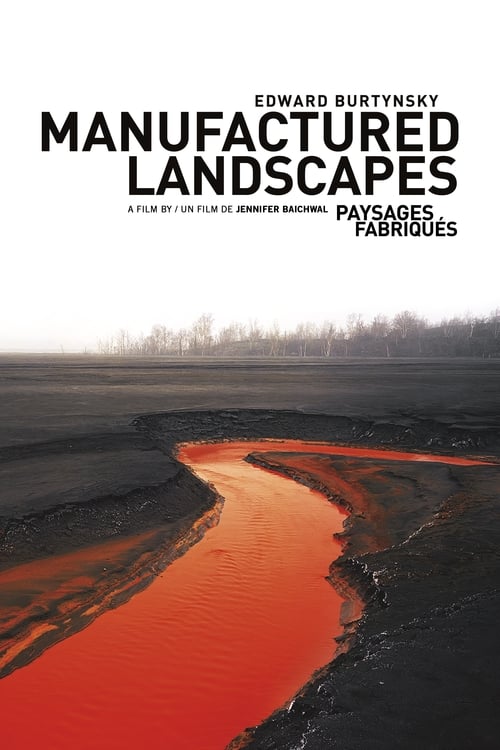
MANUFACTURED LANDSCAPES is the striking new documentary on the world and work of renowned artist Edward Burtynsky. Internationally acclaimed for his large-scale photographs of “manufactured landscapes”—quarries, recycling yards, factories, mines and dams—Burtynsky creates stunningly beautiful art from civilization’s materials and debris.
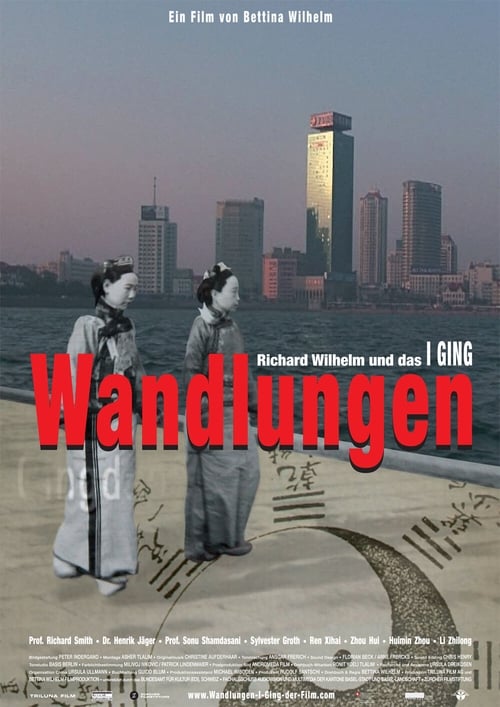
As a young missionary, Richard Wilhelm in 1899 to China, which was then exploited by the colonial powers. He lived there revolts against foreigners, the end of the imperial dynasties and the First World War. In these times of turbulent upheavals he was indefatigable in search of the deepest truth that helps people deal with change and able to shape their own lives. Richard Wilhelm baptized not only Chinese, but accomplished one of the largest translation services of the 20th century: Confucius, LAOTSE the most important texts of Daoism and especially the I CHING THE BOOK OF CHANGES. The book also served many readers in the West as inspiration. Wilhelm is still one of the most important mediators of Chinese culture in Europe.
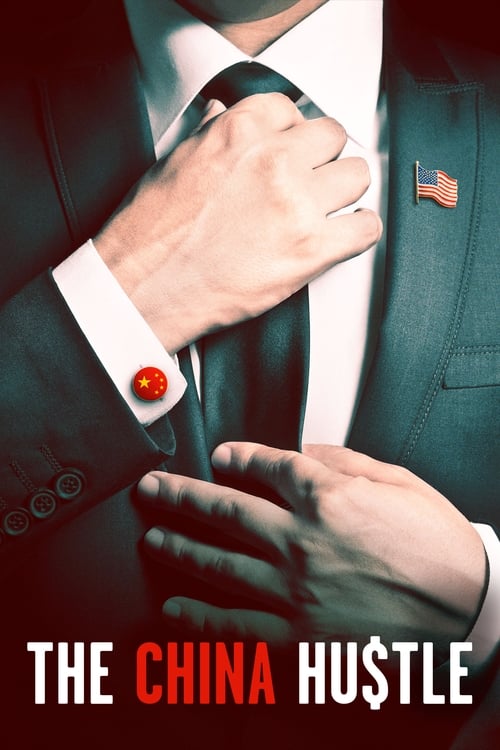
An unsettling and eye-opening Wall Street horror story about Chinese companies, the American stock market, and the opportunistic greed behind the biggest heist you've never heard of.
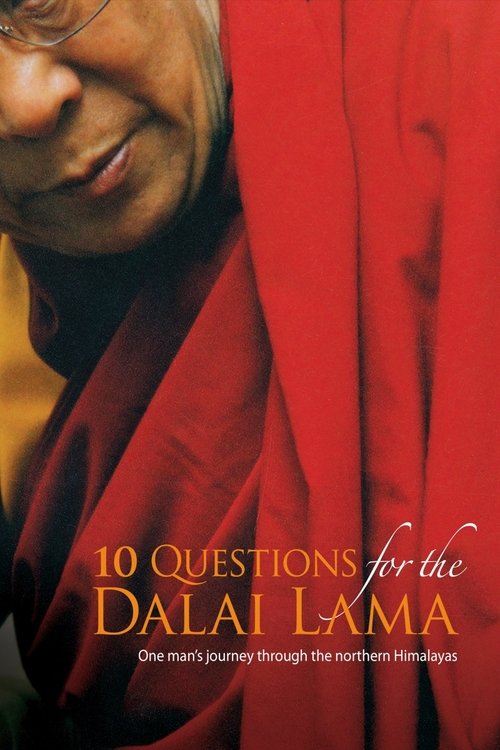
How do you reconcile a commitment to non-violence when faced with violence? Why do the poor often seem happier than the rich? Must a society lose its traditions in order to move into the future? These are some of the questions posed to His Holiness the Dalai Lama by filmmaker and explorer Rick Ray. Ray examines some of the fundamental questions of our time by weaving together observations from his own journeys throughout India and the Middle East, and the wisdom of an extraordinary spiritual leader. This is his story, as told and filmed by Rick Ray during a private visit to his monastery in Dharamsala, India over the course of several months. Also included is rare historical footage as well as footage supplied by individuals who at great personal risk, filmed with hidden cameras within Tibet.
“To me films are an imaginary world where emotion comes into play.” YOO Teo traveled to Belgium to make his movie but he ended up being locked down due to COVID-19. This film is about his 15-days of quarantine in Antwerp Hotel fighting for his movie and loneliness. He also depicted his most personal story. This is the debut film of YOO Teo both as the star and the director.
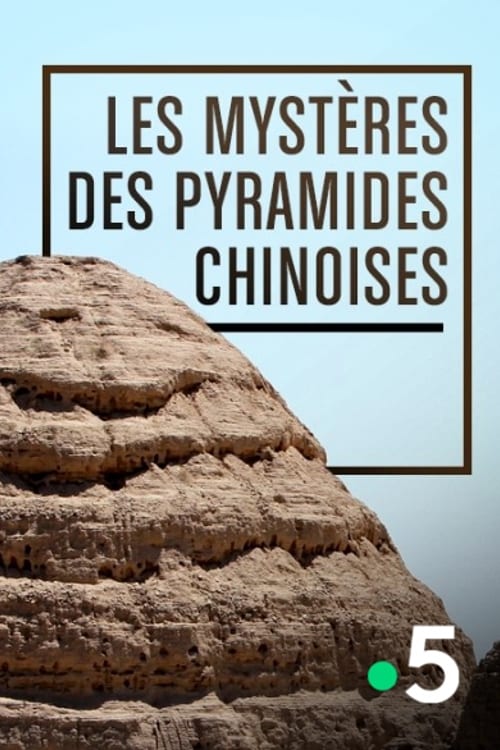
In China, there exists an astonishing place. A burial ground to rival Egypt’s Valley of the Kings, where pyramid tombs of stupendous size are full of astonishing riches. In 221 BC, China's first Emperor united warring kingdoms into a nation that still exists today. To memorialise this achievement, he bankrupted the national treasury and oppressed thousands of workers to build one of the world’s biggest mortuary complexes. China's second dynasty, the Han, inherited the daunting challenge of building larger tombs to command respect and establish their right to rule without running the nation into the ground. Although no Han emperor's tomb has been opened, the tombs of lesser Han aristocrats have revealed astonishing things: complete underground palaces (including kitchens and toilets) and at least one corpse so amazingly well-preserved some believe Han tomb-builders knew how to "engineer immortality".
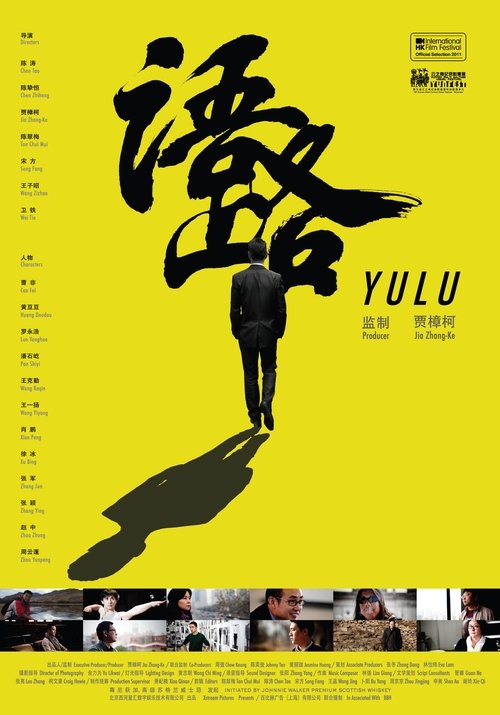
The film uses a documentary approach to tell the stories of 12 Chinese pioneers, chosen from the fields of business and the arts. The protagonists reflect upon their life journeys against the backdrop of modern China.
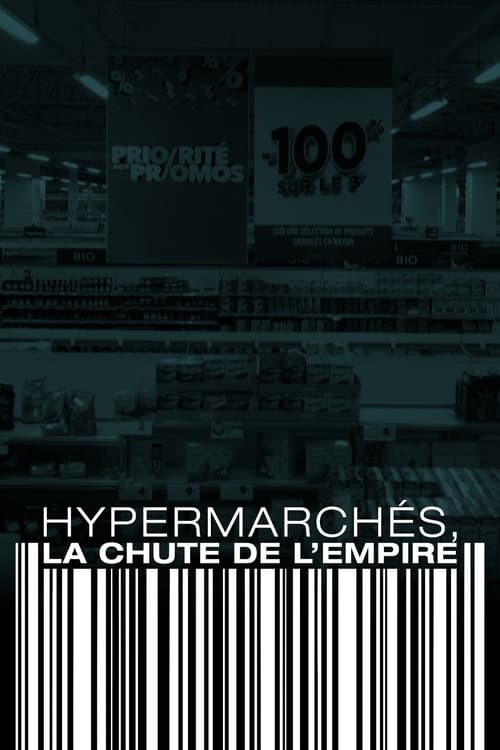
The supermarket chains used to seem unbeatable, capturing the lion’s share of the grocery market. But for some years now they have been in crisis. In the wake of a fierce price war, retailers are resorting to increasingly aggressive commercial negotiation methods at the expense of suppliers, farmers and producers. Further competition is coming from the tech giants as Amazon and Alibaba invest in the food industry. What are the implications of all these changes on working conditions, the quality of our food and the future of our planet?
Struggling with fear, tension, and anxiety amid the early stages of the COVID-19 pandemic, a high school student reflects upon what really matters.
Crocodile in the Yangtze follows China's first Internet entrepreneur and former English teacher, Jack Ma, as he battles US giant eBay on the way to building China's first global Internet company, Alibaba Group. An independent memoir written, directed and produced by an American who worked in Ma's company for eight years, Crocodile in the Yangtze captures the emotional ups and downs of life in a Chinese Internet startup at a time when the Internet brought China face-to-face with the West. Crocodile in the Yangtze draws on 200 hours of archival footage filmed by over 35 sources between 1995 and 2009. The film presents a strikingly candid portrait of Ma and his company, told from the point of view of an “American fly on a Chinese wall” who witnessed the successes and the mistakes Alibaba encountered as it grew from a small apartment into a global company employing 16,000 staff.
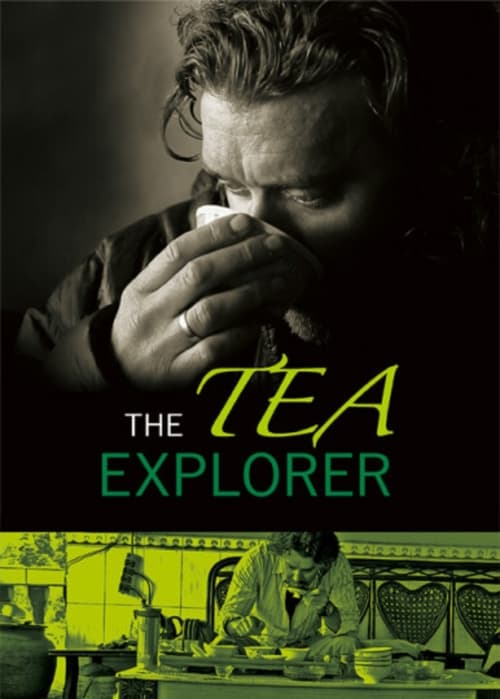
The Tea Explorer documentary follows the journey of tea enthusiast Jeff Fuchs along the Tea Horse Road, a 1300-year-old trade route in the Himalayas. It combines the author's passion for both tea and mountains, tracing the route's history, meeting the people who live along it, and exploring the significance of tea in the region.
No Trailers found.
No Cast found.