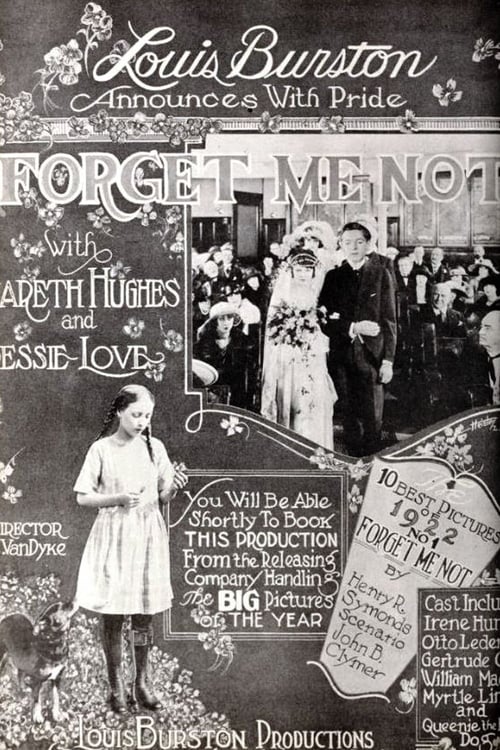
A lost film.
No Trailers found.
Young orphan Heathcliff is adopted by the wealthy Earnshaw family and moves into their estate, Wuthering Heights. Soon, the new resident falls for his compassionate foster sister, Cathy. The two share a remarkable bond that seems unbreakable until Cathy, feeling the pressure of social convention, suppresses her feelings and marries Edgar Linton, a man of means who befits her stature. Heathcliff vows to win her back.
“Crime film set in Malaya concerning the pursuit of a planter framed for poisoning his partner and suspected of carrying plague.” - BFI.
H. Ulysses Watts is a traveling Shakespearean actor whose career is on the decline, as his audiences are more interested in cinema and vaudeville. When the troupe is robbed by Stoner, Watts cares for an injured young trapeze artist.
After her father's death, little Briar Rose is taken in by the men at a lumber camp. The girl shows a definite preference for one of the lumberjacks, "Hell-to-Pay" Austin, so he becomes her new "father." Just as much as Hell-to-Pay takes care of Briar, she watches over him, and it is largely through her influence that he gives up hard drinking and needless fighting. Then, when Briar is old enough, she goes away to school and quickly falls in with the wrong crowd. Hell-to-Pay comes after her and takes her away from Doris Valentine, an adventuress who had been teaching Briar the tricks of the trade. When they are reunited, Hell-to-Pay and Briar realize that they are in love, so they decide to change their relationship from guardian and ward to husband and wife.
"Waffles," the waitress at "Coffee Dan's" hash-house, is selected by Bert Gallagher and Clara Johnstone, a pair of crooks, to be represented as a missing heiress whose story they have read about in the papers. "Waffles" herself believes the story, as she was orphaned early and remembers little of her childhood, and by adroit coaching is able to convince the estate's none too bright lawyers of the validity of her claim. With this unlimited money, poor little "Waffles" nevertheless has only three desires: to buy the little restaurant for her old benefactor, Shorty Olson, to publish the music written by her lover, Carl Miller, a young, eccentric, absent-minded musical genius, and to adopt the baby that a Mrs. O'Shaughnessy is too poor to care for.
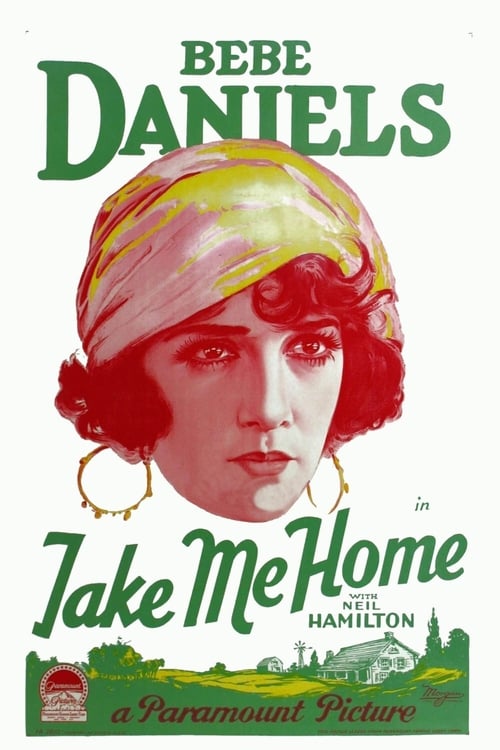
Chorus girl Peggy Lane, finds a small part in a new show for David North, a stages-truck country boy. At rehearsal, David meets Delerys Devore, the show's star, and she quickly offers him a larger part in her act. Quite taken with David, Delerys invites him to her home on the pretext that Peggy will be there; when Peggy does not show up, David leaves, infuriating his hostess. Derelys has Peggy fired the next day, and in reprisal Peggy goads her into a Carmenesque fight backstage just before the show. Derelys is unable to go on stage, and Peggy takes her place, becoming the hit of the show. Peggy and David are later married and give up show business, finding contentment living on a farm.
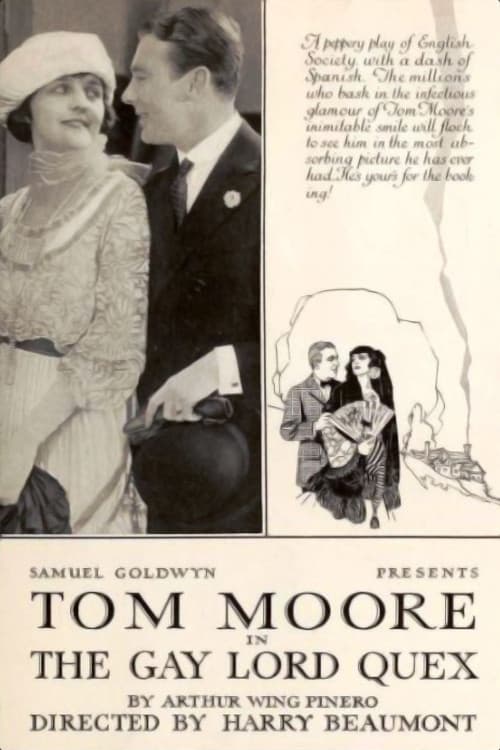
Having followed the road of romance through many countries, Lord Quex finally falls in love with Muriel Eden. After resisting Lord Quex because of his reputation, Muriel finally capitulates to his charms and agrees to marry him. In her heart, however, Muriel still treasures an affection for Caption Bastling, a fortune hunting womanizer, and when Muriel is told of Lord Quex's continuing contact with the Duchess of Dowager, a situation brought about through the scheming of the Duchess, Muriel turns to Bastling and agrees to meet him at her friend Sophie Fullgarney's manicurist shop.
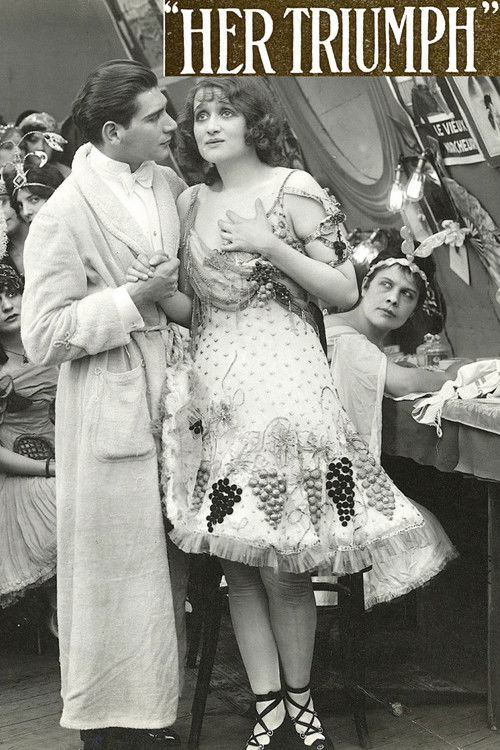
An understudy to a haughty star thinks she can have whatever she wants, including the show's leading comedian. But Claude has fallen for Gaby, and when the star finds out she threatens to walk off the show unless Gaby is discharged.
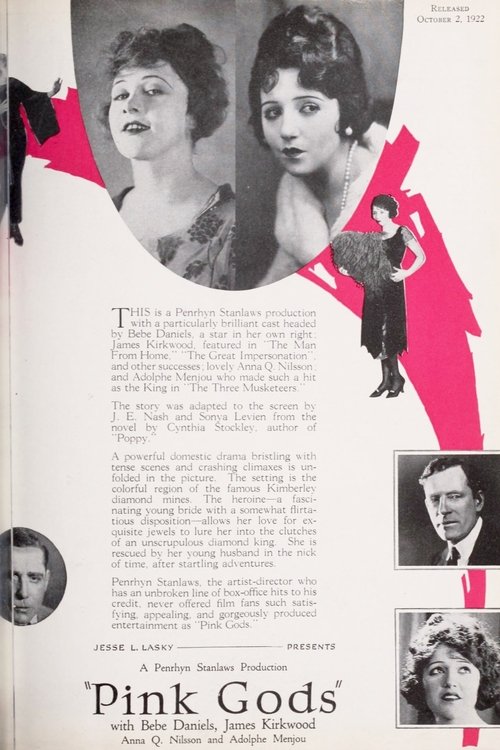
The owner of vast diamond mines, John Quelch is constantly fearful of theft and convinced that any woman will "sell her soul" for diamonds, he deals harshly with any employee caught stealing and has Lady Margot Cork watched while she is visiting Lorraine Temple. John and Margot fall in love, but she cancels their engagement when she learns of the "brutal" punishment of Jim Wingate for swallowing a diamond.
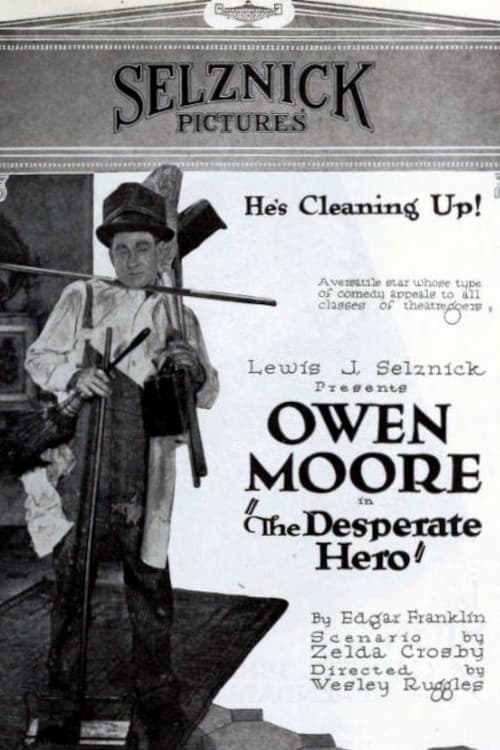
Henry Baird, a young newspaperman with a second-hand car but little money, decides to raffle off the car at a county picnic, so that he can take out his sweetheart, Mabel Darrow, the daughter of a wealthy businessman. However, as soon as Henry gets the money, his tailor demands that he pay off his debt. Also, youngsters set the car on fire before he can give to the winner, Joseph Plant, whose wife Evelyn was formerly Henry's sweetheart.
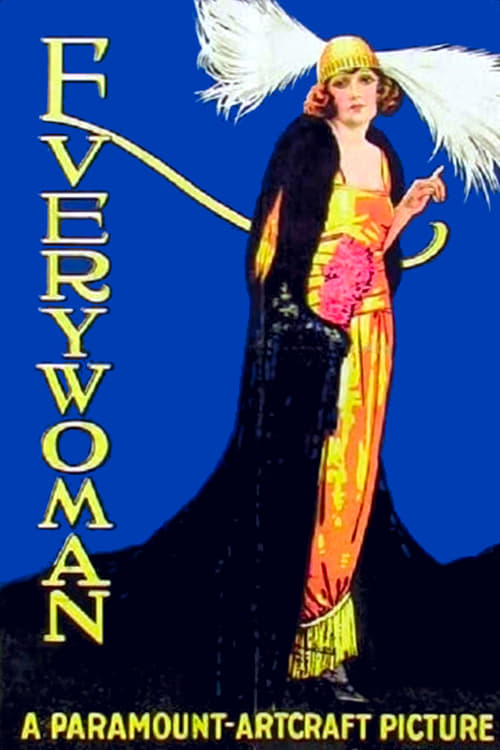
Everywoman is a lost 1919 American silent film allegory film directed by George Melford based on a 1911 play Everywoman by Walter Browne.
St. Elmo is a man who killed his romantic rival in a brawl. Traveling the world as a confirmed misogynist, St. Elmo returns to home and hearth only to fall in love with the daughter of the local blacksmith. The film is based on the 1867 novel of the same name written by Augusta Jane Evans. Today, St. Elmo is a lost film.
Margaret has given up her stage career to marry inventor Jerry Benson. Jerry fails to impress oil executive William Graves with his idea, but Margaret has better luck when she catches Graves' attention and she both makes the sale and becomes the object of Graves' obsession. Profits from the invention make the Bensons wealthy; however Graves schemes to steal Margaret from Jerry by swindling them out of their money and getting Broadway floozy Gloria to break up their marriage.
Young Celeste Janvier ( Bessie Love ) lives in an East Side tenement with her immigrant grandfather, a humanitarian and socialist. Like her kindly grandfather, Celeste also has a kindhearted soul, and her friendly nature has earned her the nickname, " the little sister of everybody."
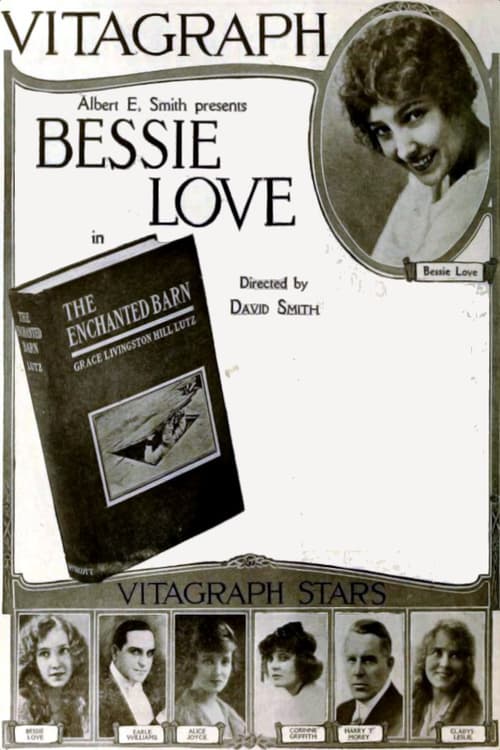
The Hollisters, a bright, spirited, wholesome family, are compelled to move into the country. After many efforts to secure a home, Shirley, eldest of the Hollisters, contrives a way out by renting a magnificent old stone barn at a ridiculously low price, transforming it into a house. The owner of the barn is not an ordinary landlord, as you will see, for he is a young man with fine ideals, and he is not content with establishing Shirley and her family in the quaintly beautiful old place, but makes the world a much happier place to live in for all of them.
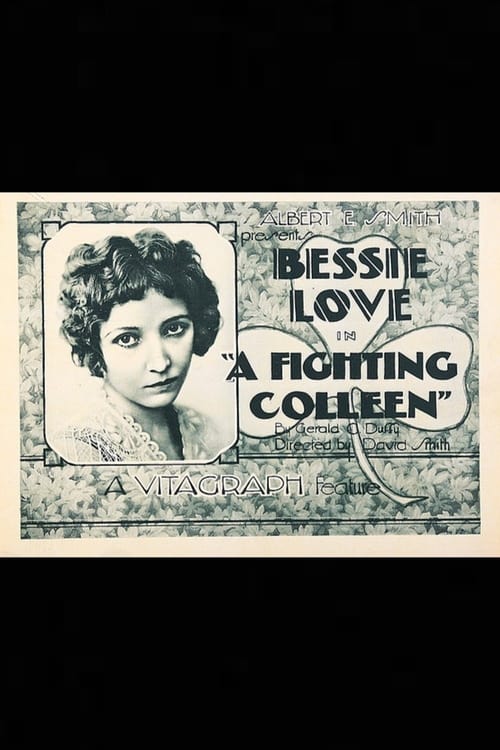
Young and spunky Alannah, an Irish immigrant living in a tenement, sells newspapers to support her family. She is soon helping a district attorney secure proof that the unjust town mayor is collecting bribes. For her reward, Alannah and her boyfriend Jimmy are appointed managers of a municipal restaurant.
The Spirit of the Lake is a 1921 American silent short Western drama film produced by Cyrus J. Williams and distributed by Pathé Exchange. It was directed by Robert North Bradbury and stars Tom Santschi, Bessie Love, and Ruth Stonehouse.
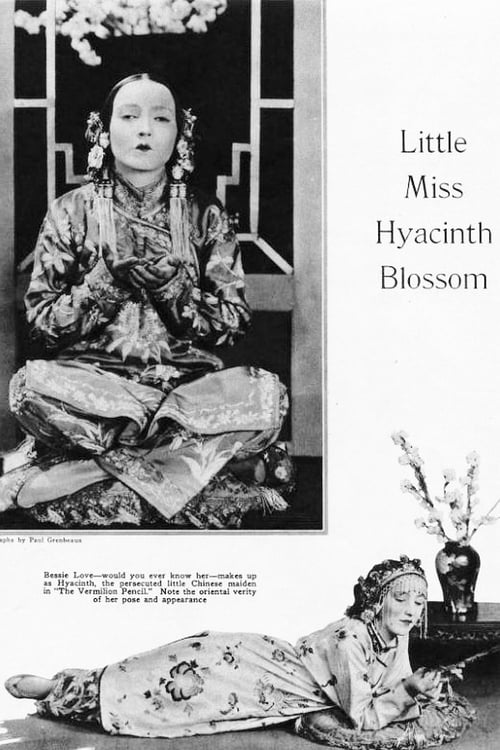
The Vermilion Pencil is a 1922 American silent drama film directed by Norman Dawn, and produced and distributed by Robertson–Cole. It is based on the eponymous 1908 novel by Homer Lea. The film stars Japanese actor Sessue Hayakawa in multiple roles, and white actors Ann May, Bessie Love, and Sidney Franklin, all in Asian roles. It is now a lost film.
Young mother Mary Gordoon is too poor to take care of her infant daughter, Ann, and leaves the child at an orphanage. Ann grows up with a crippled leg in the orphanage, and has fallen in love with a fellow orphan, Jimmy.
The German adopted-daughter of a Belgian innkeeper is threatened with internment by him if she reveals to the British billetees that he is a spy. However, she is in love with one of them and helps them.