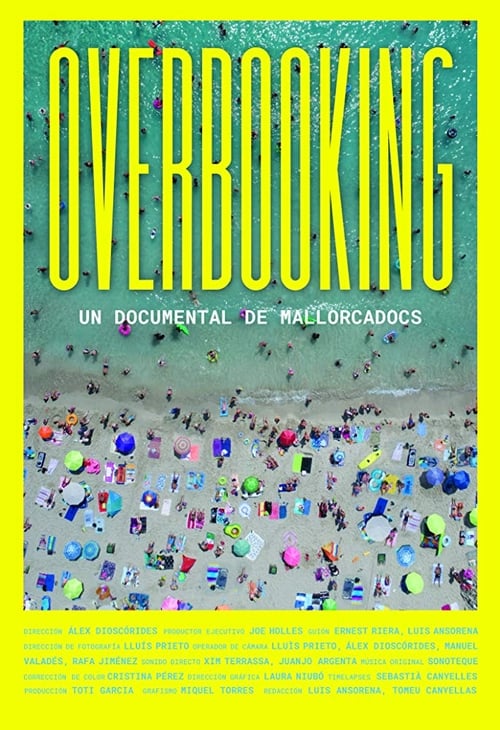
What was once the "Island of Calm" is now on the verge of collapse. Multiple alarm bells are starting to ring. Is this model of tourism sustainable? Could Mallorca become a reference for so many other places suffering from the same problem?
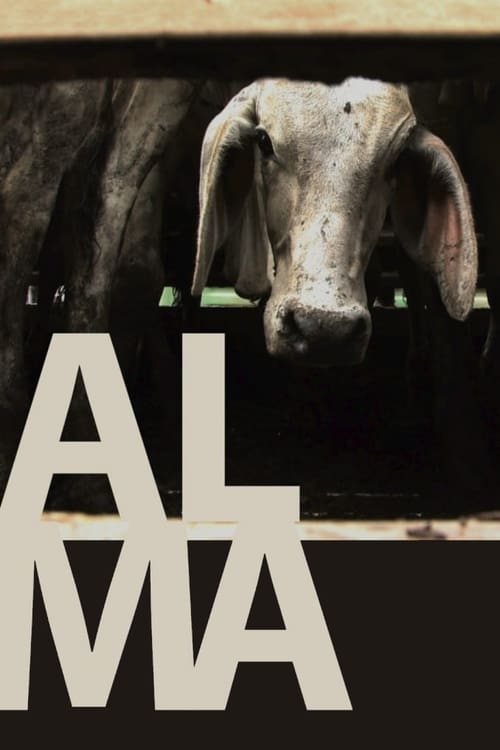
Beautifully shot, alternately joyful and horrifying, Alma captures the ecological, and even spiritual, cost of meat, dairy, and leather production in the Amazon.
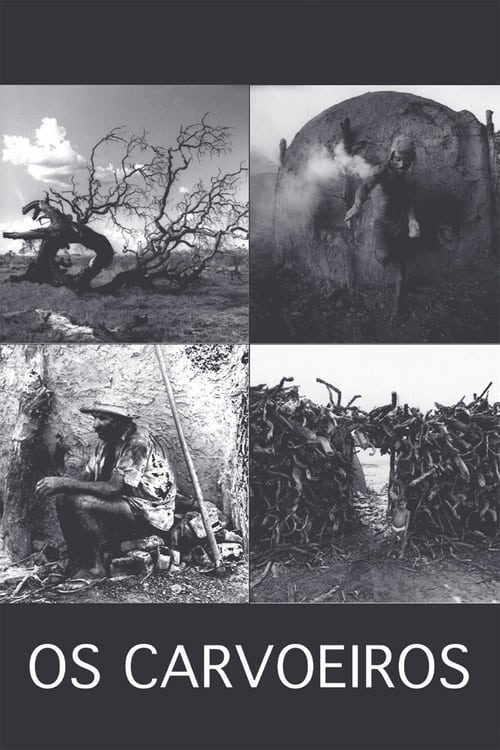
This deeply human documentary examines the subject of environmental destruction, highlighting the impoverished migrant workers who are chopping down the Amazon rainforest to create charcoal for pig iron production used primarily in the automobile industry. The film examines the children and elders and their daily lives and work as they burn timber in igloo-looking huts, their bodies charred gray for $2 a day, struggling to survive.
One Peace at a Time is a film by Turk and Christy Pipkin. It was produced by The Nobelity Project and was premiered to a sold out audience at the Paramount Theatre in Austin, Texas, USA, on April 14, 2009. It is the sequel to the film Nobelity. It has been shown all across the United States and in multiple countries across the world
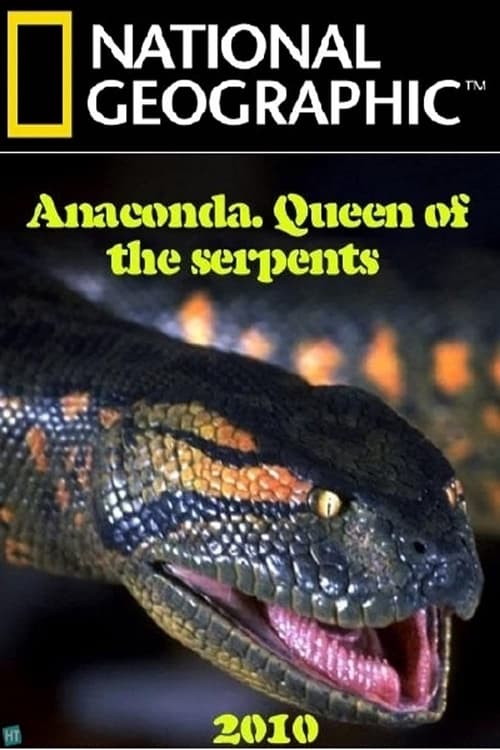
Anaconda - the mere mention of its name brings images of an awesome and terrifying killer snake! For Dr. Jesus Rivas and his wife, Dr Sarah Corey, anacondas represent a challenge as they try to unravel the mysteries surrounding these massive reptiles. Like most snakes, anacondas have suffered greatly from exaggeration and scary folklore. Pound for pound, the South American anaconda is the world’s largest snake. But its reputation as a killer is wrapped in myth and legend.
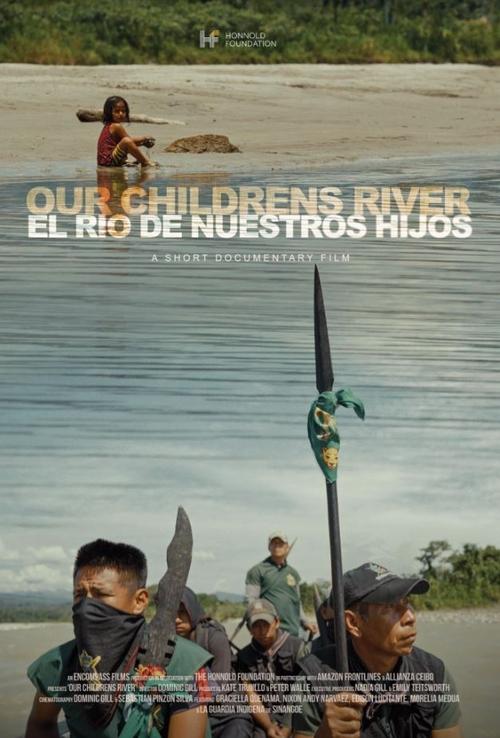
Across the Amazon, Indigenous guards are unarmed patrols that peacefully defend ancestral territories against threats like oil, mining and poaching. They use diverse technologies to monitor their lands, and when necessary, force out illegal operations and actors. Most of this daily work, which involves lengthy hikes and patient observation, goes unseen. This film depicts the process of the Indigenous Guard: its patrols, its watchful vigilance over the landscape, and its support of the community. Their work as guards helps ensure that destruction in the Amazon doesn’t advance, and that their community has the vital space it needs to live life on their own terms.
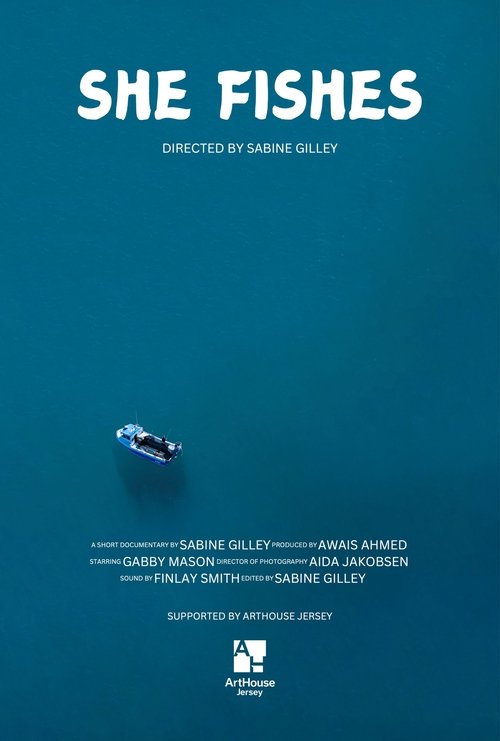
A local fisherwoman navigates her way through a male dominated environment to work in an industry that has been essential to island life for hundreds of years.
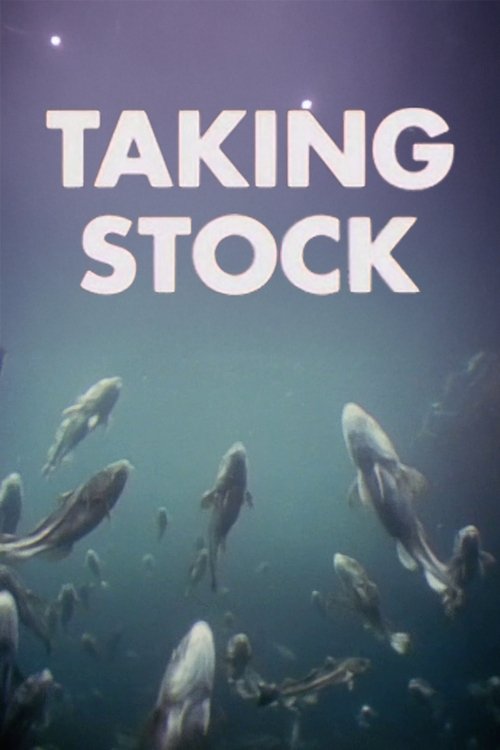
The cod fishery off the east coast of Newfoundland was a way of life, the backbone of society -- until it collapsed. A review of the history leading up to the crisis and the subsequent call for a moratorium of the northwest Atlantic cod fishery.
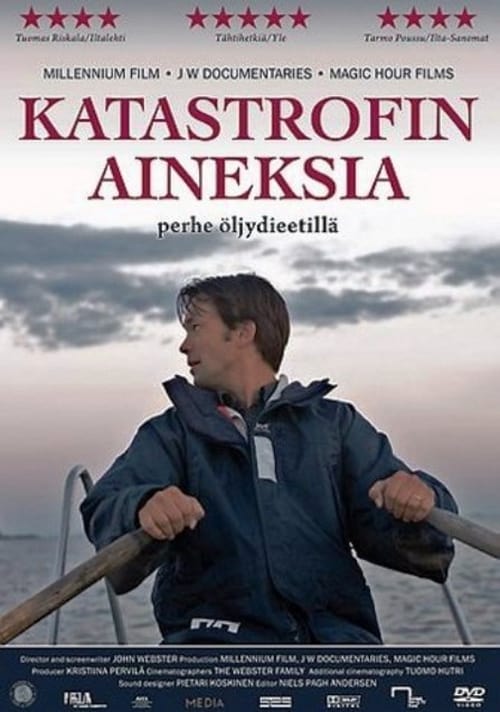
Director John Webster convinces his wife and two small children that the whole family should go on an oil diet, yet without having to give up their a middle class suburban lifestyle. All the everyday things that we don't do, or that we can't help doing, make up recipes for disaster. In this comedy of errors they find themselves questioning their values and putting to test their will power and ultimately, their happiness.
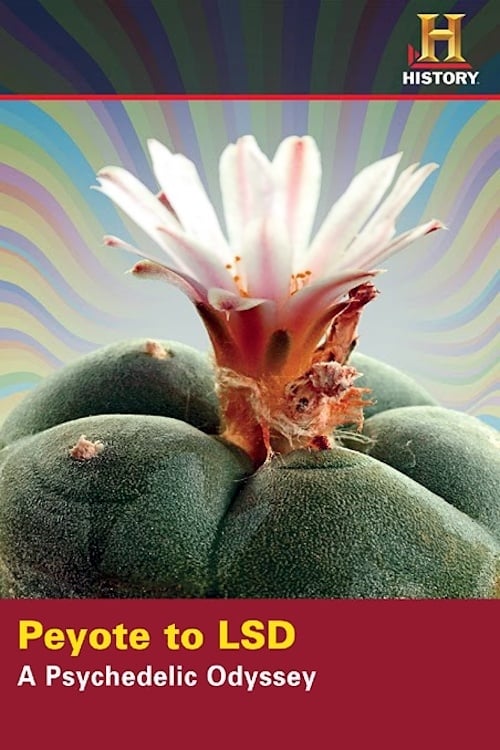
Plant Explorer Richard Evans Schultes was a real life Indiana Jones whose discoveries of hallucinogenic plants laid the foundation for the psychedelic sixties. Now in this two hour History Channel TV Special, his former student Wade Davis, follows in his footsteps to experience the discoveries that Schultes brought to the western world. Shot around the planet, from Canada to the Amazon, we experience rarely seen native hallucinogenic ceremonies and find out the true events leading up to the Psychedelic Sixties. Featuring author/adventurer Wade Davis ("Serpent and the Rainbow"), Dr. Andrew Weil, the Grateful Dead's Bob Weir and many others, this program tells the story of the discovery of peyote, magic mushrooms and beyond: one man's little known quest to classify the Plants of the Gods. Richard Evans Schultes revolutionized science and spawned another revolution he never imagined.
The secrets about unlocking the mysteries of consciousness by plant-drugs. The related chances and risks involved in this shamanism. While filming Blueberry, the Secret Experience, Jan Kounen met the Shipibo healers of the Peruvian Amazon and discovered their sacred plant: Ayahuasca, the spirit vine. Deeply affected by this experience, he decided to return to Peru to shoot a documentary on the plant and the medicinal rites of the shamans. To this end, he filmed the natives but also met neurologists, philosophers, artists, and chemists working on this subject. He notably interviewed Jean Giraud, the illustrator of Blueberry, and Kary Mullis, winner of the 1993 Nobel Prize in Chemistry. More than a traditional documentary, the film is an invitation to travel, a half-open door to another world or another perception of reality. The secrets about unlocking the mysteries of consciousness by plant-drugs. The related chances and risks involved in this shamanism.
This film weaves together expert analysis of America's food and farming system with a powerful narrative of one extraordinary farmer who is determined to create a sustainable future for his community.
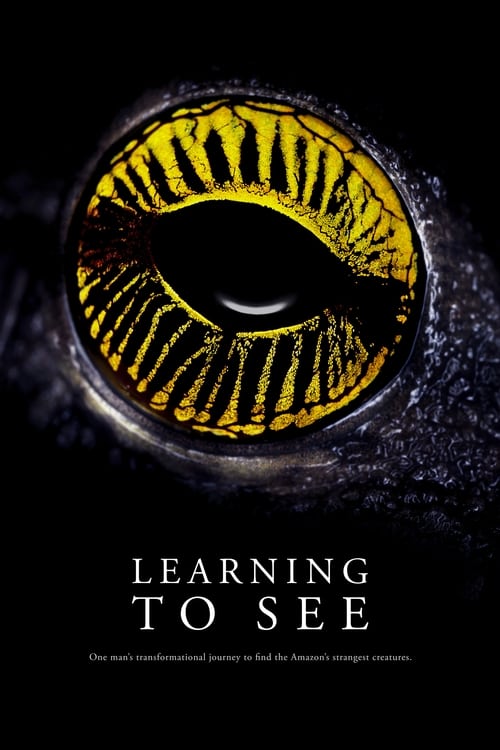
Struggling with a mid-life crisis, Robert Oelman leaves his psychology career in the early 1990s to photograph rare and exotic insects. After moving from the United States to Colombia, he forms a special bond with his subjects in the Amazon rainforest. This connection enables him to make striking photographic images of new and undocumented species. After more than 20 years of traveling, searching, and photographing, his quest culminates with a New York City gallery show where he finally shares his images with the public.
In this tense and immersive tour de force, audiences are taken directly into the line of fire between powerful, opposing Peruvian leaders who will stop at nothing to keep their respective goals intact. On the one side is President Alan Garcia, who, eager to enter the world stage, begins aggressively extracting oil, minerals, and gas from untouched indigenous Amazonian land. He is quickly met with fierce opposition from indigenous leader Alberto Pizango, whose impassioned speeches against Garcia’s destructive actions prove a powerful rallying cry to throngs of his supporters. When Garcia continues to ignore their pleas, a tense war of words erupts into deadly violence.
The imagination of history in Ecuador never thought that oil, “its redeeming hope”, discovered in the Lago Agrio No. 1 well, was going to mean the beginning of the worst environmental catastrophe on the planet. Thirty years of operation and exploitation of the Texaco company, forever transformed the rivers and estuaries, the forests and the life of the indigenous communities in the northern Amazon of Ecuador.
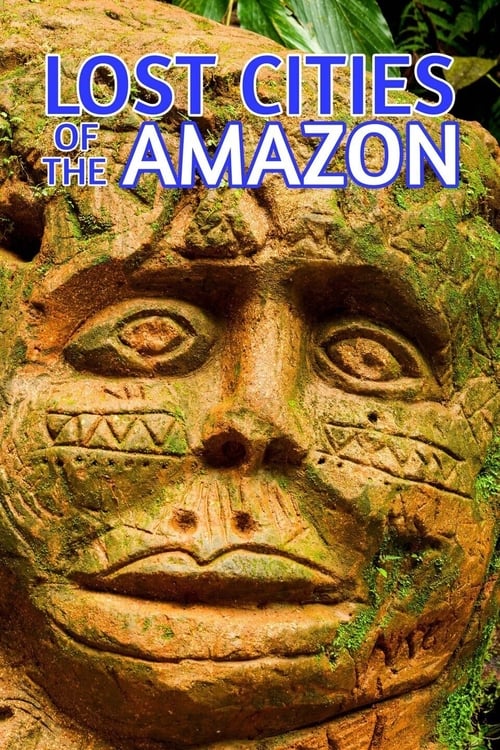
Over the centuries, explorers traded tales of a lost civilization amid the dense Amazonian rainforest. Scientists dismissed the legends as exaggerations, believing that the rainforest could not sustain such a huge population—until now. A new generation of explorers armed with 21st-century technology has uncovered remarkable evidence that could reinvent our understanding of the Amazon and the indigenous peoples who lived there. Using CGI and dramatic re-creations, National Geographic re-imagines the banks of the Amazon 500 years ago, teeming with inhabitants living in the Lost Cities of the Amazon.
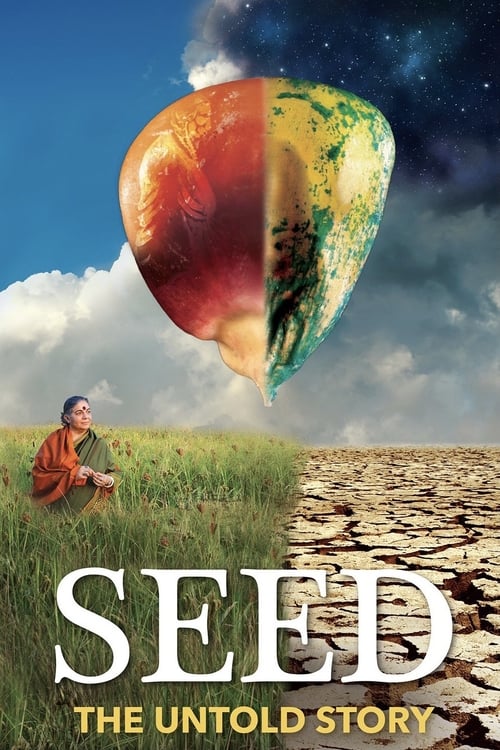
A film about the importance of heirloom seeds to the agriculture of the world, focusing on seed keepers and activists from around the world.
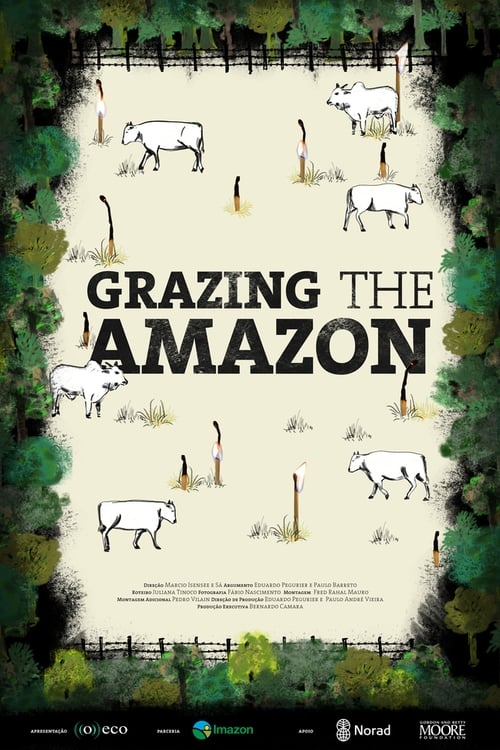
There are 85 million cows in the Brazilian Amazon, which means three cows for each human dweller grazing today and area that was once forest. Less than fifty years ago, in the 1970s, the rainforest was intact. Since then, a portion the size of France has disappeared, 66% of which transformed into pastures. Much of this change is a consequence of government incentives that attracted thousands of farmers from southern lands. Cattle ranching became an economic and cultural banner of the Amazon, forging powerful politicians to defend it. In 2009, there was a game changer: the Public Prosecutor's Office sued large slaughterhouses, forcing them to supervise cattle supplying farms.
In powerful images, alternating between documentary observation and staged sequences, and dense soundscapes, Luiz Bolognesi documents the Indigenous community of the Yanomami and depicts their threatened natural environment in the Amazon rainforest.
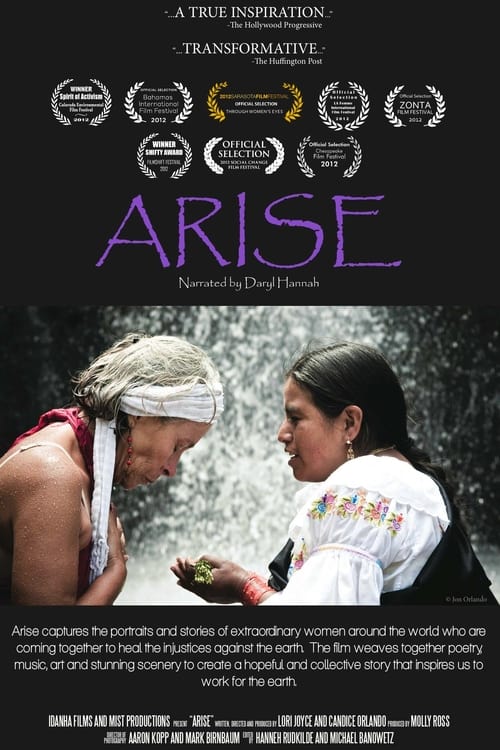
A film that captures the portraits and stories of extraordinary women around the world who are coming together to heal the injustices against the earth, weaves together poetry, music, art, and stunning scenery to create a hopeful and collective story that inspires us to work for the earth. The list of impassioned, indefatigable female environmental activists featured in this film includes Winona LaDuke, a Native American who has championed the use of solar and wind power on reservations; Theo Colborn, head of The Endocrine Disruption Exchange, who fights against toxic chemicals in our water supplies; Beverly Grant, who’s created a vibrant farmer’s market in a black neighborhood of Denver, Colo.; Dana Miller, who spearheads an “urban agriculture movement” in the same city; and Vandana Shiva, who champions organic farming in India.
No Cast found.
No Trailers found.