Art documentary
No Cast found.
No Trailers found.
A stop motion/collaged based independent short film plays with the recontextualisation of memories and how time distorts them.
An inspiring 75min DIY documentary film on new art and the young artists behind it. It was all filmed on the heat of live action of the first NOVA Contemporary Culture Festival, July and August 2010 in São Paulo, Brazil.
An intimate portrait of a peasant-turned oil painter transitioning from making copies of iconic Western paintings to creating his own authentic works of art.
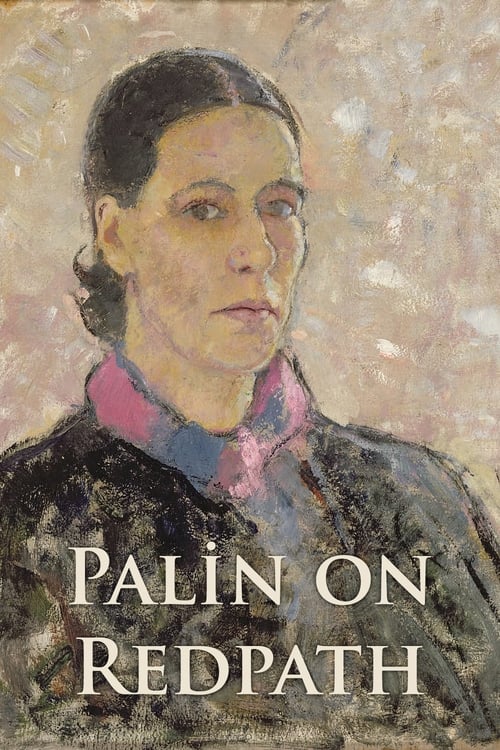
Michael Palin travels to France in search of the Mediterranean view on his wall, captured by his favourite artist, Scottish painter Anne Redpath. He travels from a London bank, via a chateau in Cap Ferrat and a monastery in Edinburgh.
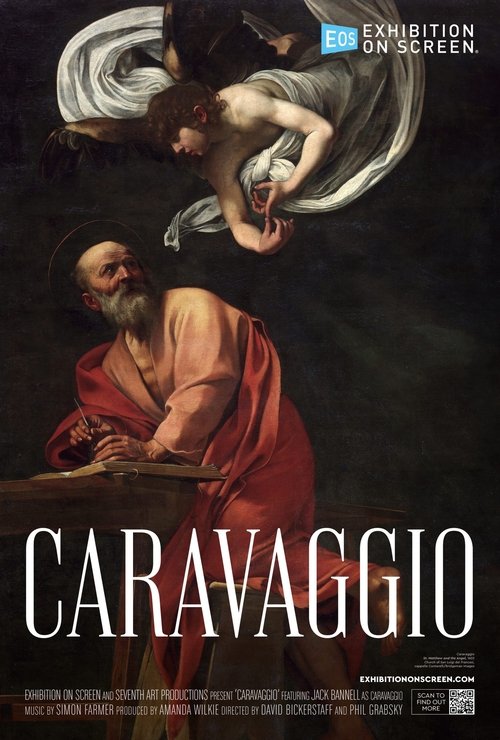
Five years in production, this is the most extensive film ever made about one of the greatest artists of all time – Caravaggio. Featuring masterpiece after masterpiece and with first-hand testimony from the artist himself on the eve of his mysterious disappearance, this beautiful new film reveals Caravaggio as never before. Multi-award-winning filmmakers David Bickerstaff and Phil Grabsky delve into the hidden narratives of Caravaggio’s life, piecing together clues embedded within his incredible art. The intriguing self-depictions within his works — sometimes disguised, sometimes in plain sight — offer a rare window into his psyche and personal struggles. Join us as we unravel the story of one of history’s most brilliant, complex and controversial figures.
Contemplate the "anti-art" spirit of Dadaism, its nihilistic yet humorous indictment of civilization and bizarre use of unconventional media. In the sensibility of Surrealism, observe its compelling focus on the subconscious and two substyles - dream imagery, with its juxtaposition of objects and settings, and "automatic drawing," eliciting unplanned images from the unconscious.
A journey into the hearts, minds and eyes of Georgia O’Keeffe, Emily Carr and Frida Kahlo - three of the 20th century’s most remarkable artists.
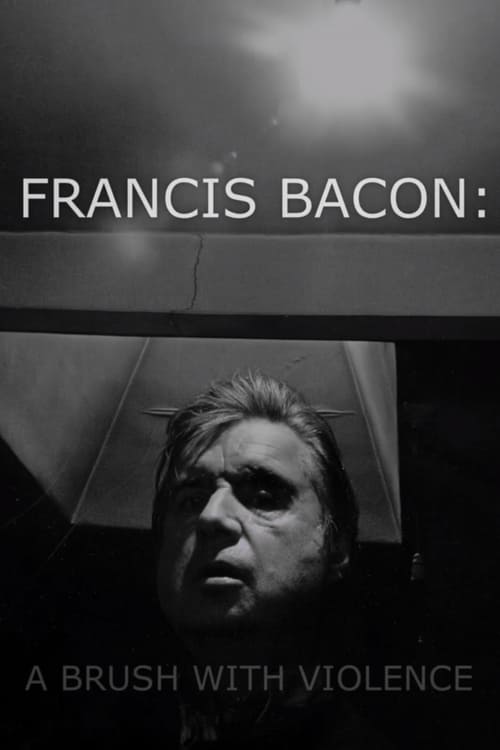
In this unique, compelling film, those who knew him speak freely, some for the first time, to reveal the many mysteries of Francis Bacon.
Thomas Hart Benton's paintings were energetic and uncompromising. Today his works are in museums, but Benton hung them in saloons for ordinary people to appreciate.
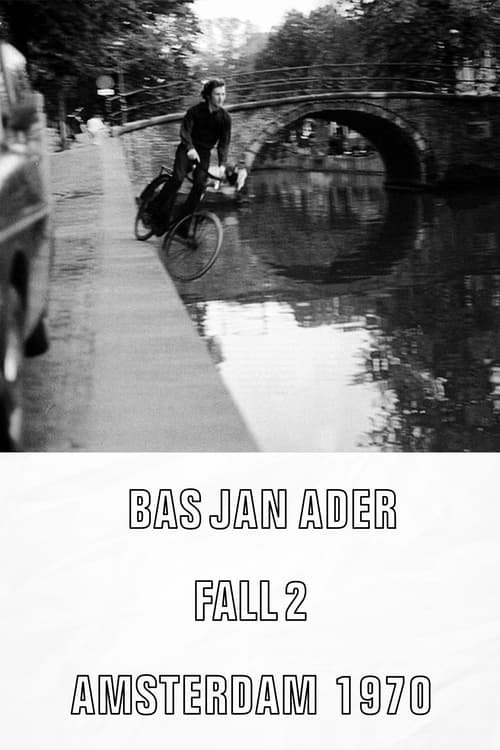
Bas Jan Ader rides his bike into a canal in Amsterdam.
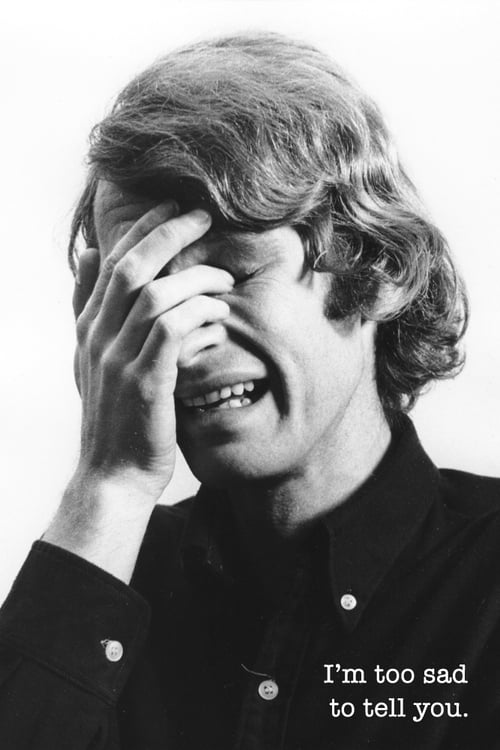
This short film is part of a mixed media artwork of the same name, which also included postcards of Ader crying, sent to friends of his, with the title of the work as a caption. The film was initially ten minutes long, and included Ader rubbing his eyes to produce the tears, but was cut down to three and a half minutes. This shorter version captures Ader at his most anguished. His face is framed closely. There is no introduction or conclusion, no reason given and no relief from the anguish that is presented.
H*ART ON dives off the deep end of modern art. A film about the yearning to create, to mould everyday emotions into a meaningful life and, most of all, to live beyond one's death. A struggle that gets to the existential core of each of us. How do you find meaning in everyday fear, love, sex and loneliness?
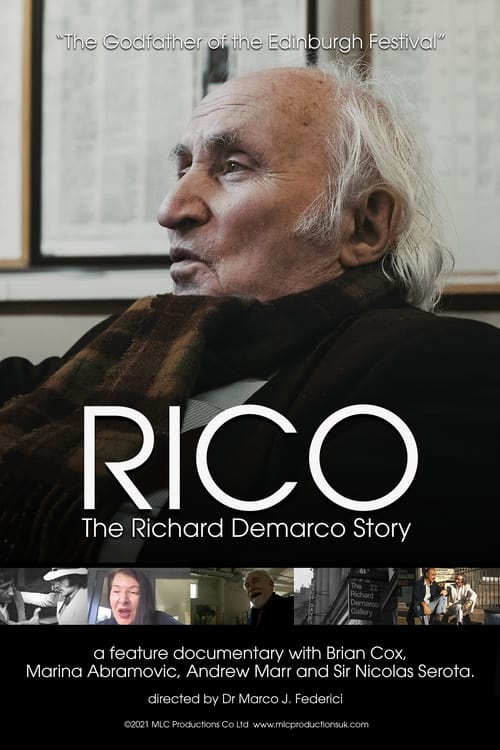
Over six decades, Richard Demarco CBE, the Scottish artist and iconic promoter has brought 1000s of artists to the Edinburgh Festival and launched the careers of some of the most famous names in contemporary art. Yet today, Demarco struggles to make ends meet and is out of favour with the modern art wold. The film discusses how art has been commodified in society by dominant forces. How can society remedy the absence of art in the lives of those who feel excluded? Demarco wants to put this right before his final breath!
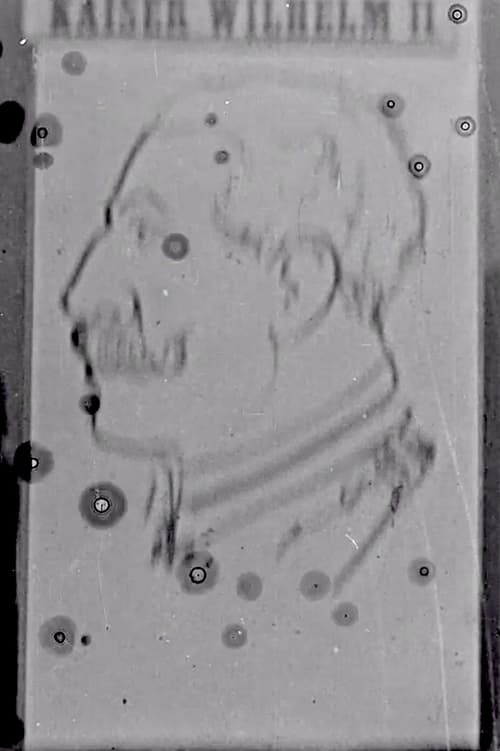
A tiny fragment of an actuality film of Tom Merry (William Mechem), a 'lightning sketch' caricaturist performing his act for the camera and producing a large profile caricature of Kaiser Wilhelm II. The loss of the rest of the film has bequeathed us 6 seconds that are of Mechem standing next to the completed portrait and sadly, that is all there is. An early film made by Birt Acres for R.W. Paul. (see release information for further detail).
Pop Goes the Easel was Ken Russell’s first full-length documentary for the BBC’s arts series Monitor. It focused on 4 British Pop Artists - Peter Blake, Peter Philips, Pauline Boty and Derek Boshier.
The Sophisticated Misfit is a long-awaited must-have for fans of the artist Shag and Tiki culture alike. This documentary traces the artist’s roots growing up in Hawaii, his artistic journey in college, his early work designing album covers, to his modern-day role as an art-world phenom. In addition to exclusive footage of Shag painting in his home studio, the film features intimate interviews with the artist, his family, artistic influences, tiki-philes, celebrity collectors, and fans.
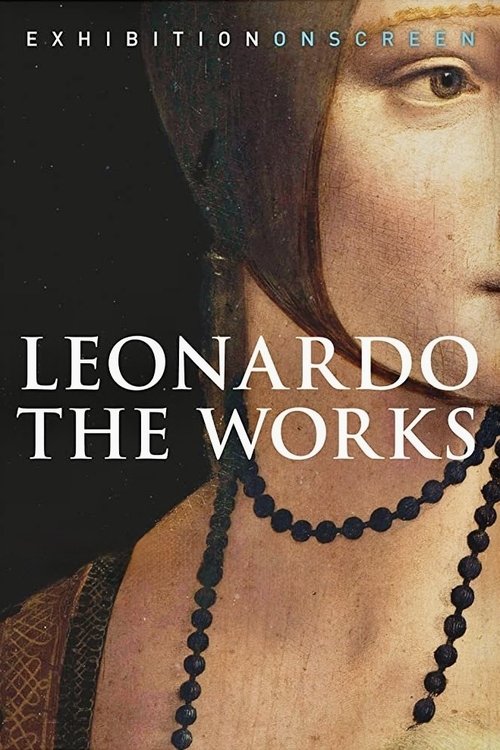
Leonardo da Vinci is acclaimed as the world’s favourite artist. Many TV shows and feature films have showcased this extraordinary genius but often not examined closely enough is the most crucial element of all: his art. Leonardo’s peerless paintings and drawings will be the focus of Leonardo: The Works, as EXHIBITION ON SCREEN presents every single attributed painting, in Ultra HD quality, never seen before on the big screen. Key works include The Mona Lisa, The Last Supper, Lady with an Ermine, Ginevra de’ Benci, Madonna Litta, Virgin of the Rocks, and more than a dozen others.
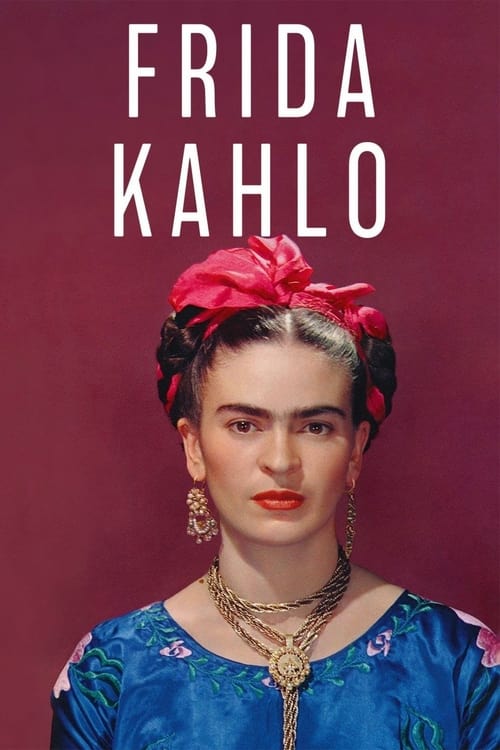
She was a prolific self-portraitist, using the canvas as a mirror through all stages of her turbulent and, at times, tragic life. This highly engaging film takes us on a journey through the life of one of the most prevalent female icons: Frida Kahlo. Displaying a treasure trove of colour and a feast of vibrancy on screen, this personal and intimate film offers privileged access to her works and highlights the source of her feverish creativity, her resilience and her unmatched lust for life, men, women, politics and her cultural heritage.
The Mona Lisa Curse is a Grierson award-winning polemic documentary by art critic Robert Hughes that examines how the world's most famous painting came to influence the art world. With his trademark style, Hughes explores how museums, the production of art and the way we experience it have radically changed in the last 50 years, telling the story of the rise of contemporary art and looking back over a life spent talking and writing about the art he loves, and loathes. In these postmodern days it has been said that there is no more passé a vocation than that of the professional art critic. Perceived as the gate keeper for opinions regarding art and culture, the art critic has supposedly been rendered obsolete by an ever expanding pluralism in the art world, where all practices and disciplines are purported to be equal and valid. Robert Hughes, however, is one art critic who has delivered a message that must not be ignored.
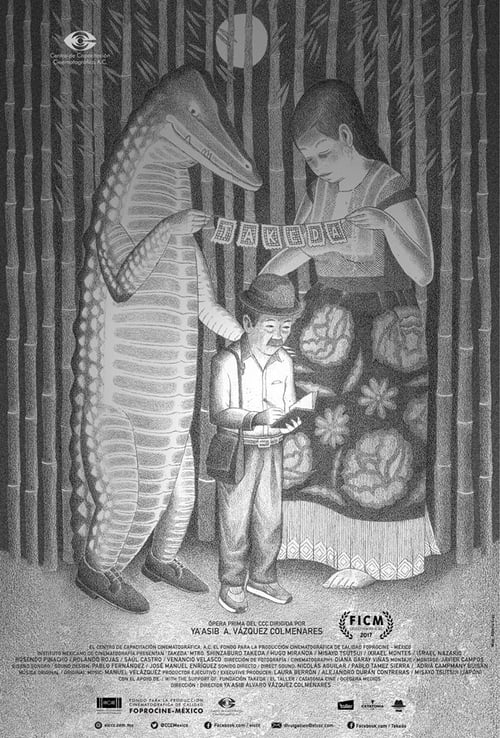
Takeda is a film about the universality of the human being seen thru the eyes of a Japanese painter that has adopted the Mexican culture.