No Trailers found.
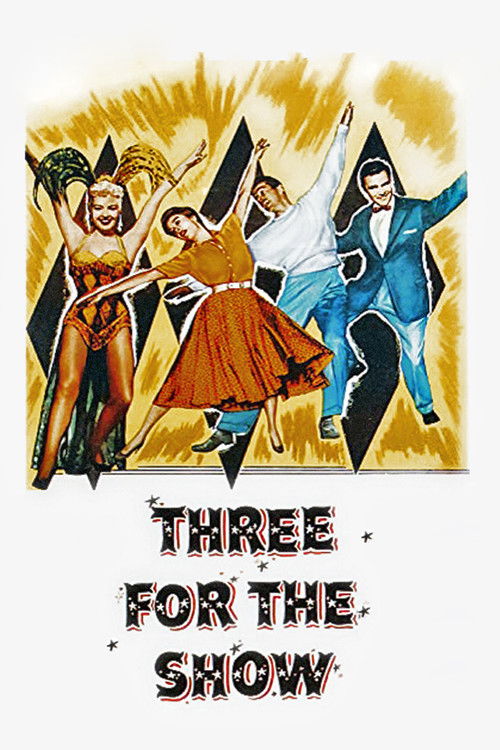
This musical reworking of Too Many Husbands (1940), features Grable as a top singer and dancer who's been widowed by WW II. She marries her late husband's songwriting partner, Gower Champion, but the new marriage is thrown for a loop when Lemmon, her first husband, turns up very much alive and eager to see Grable.
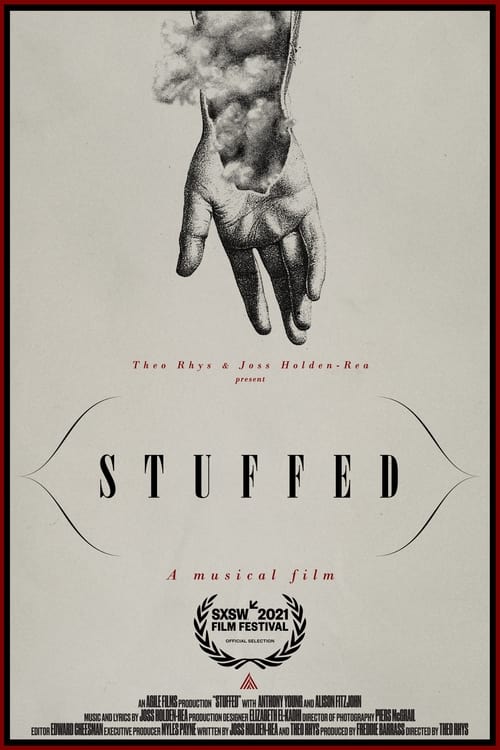
Stuffed is a short musical about a taxidermist who dreams of stuffing a human and the man she meets online, so afraid of aging he volunteers to be her specimen. An unexpected romantic spark between them complicates their plans.
400 years ago, in Japan, a revolutionary art was born and would influence the greatest Western artists of the late nineteenth century, the Ukiyo-E "floating images of the world." A wonderful trip in a world of beauty and discovery. The concept and objectives of this documentary are, on the one hand, to show, teach and discover Japanese art (Japanese stamps and prints) and, on the other hand, to demonstrate the influence of Japanese stamps on Western modern art, showing in comparison some of the Most famous paintings (impressionism or paintings by Van Gogh).
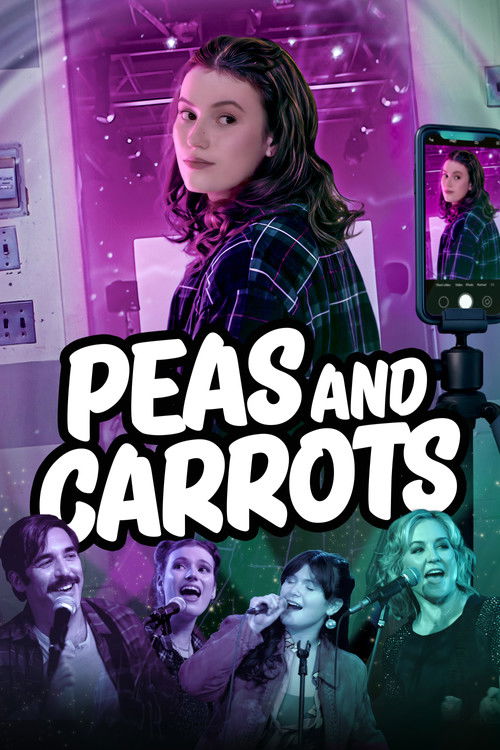
New York-based 16-year-old Joey Wethersby's parents were part of a 1990s one-hit wonder band. After encouraging her parents to start a new band, Joey finds herself traveling nightly to an alternate reality where everyone repeatedly says the titular three-word phrase.
A contemporary musical set in London, Rules of Love is a modern love story concentrating the relationship between Matt (Jake Roche) and Daisy (Daisy Head), and their friends Jack (Daniel Anthony) and Jess (Sydney Rae White). Matt is a lowly postboy at 'Passion', a fashion-based advertising agency, whilst Daisy is a young, ambitious girl on work experience. Matt's attraction to Daisy is obvious, but Daisy is in a relationship and so they need help from their friends to establish the Rules of Love.
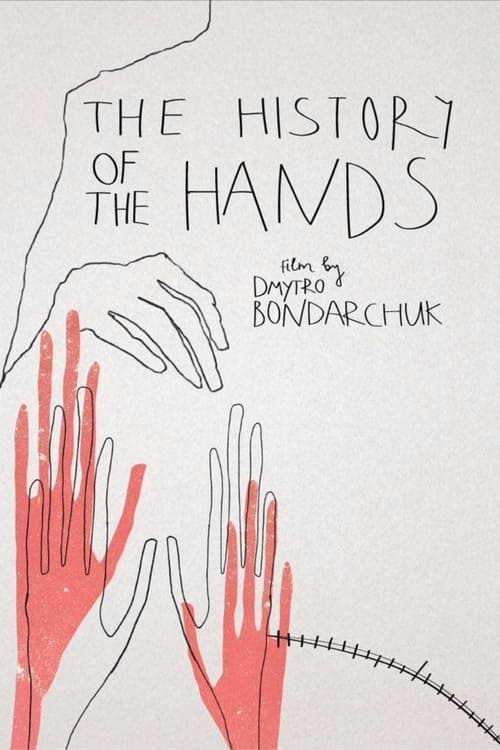
The film is a study of nature and significance of the hands in cinema. Besides review of movements and actions, which creates an independent story, it reveals interactions and interdependence of cinematic traditions of various authors, countries and periods
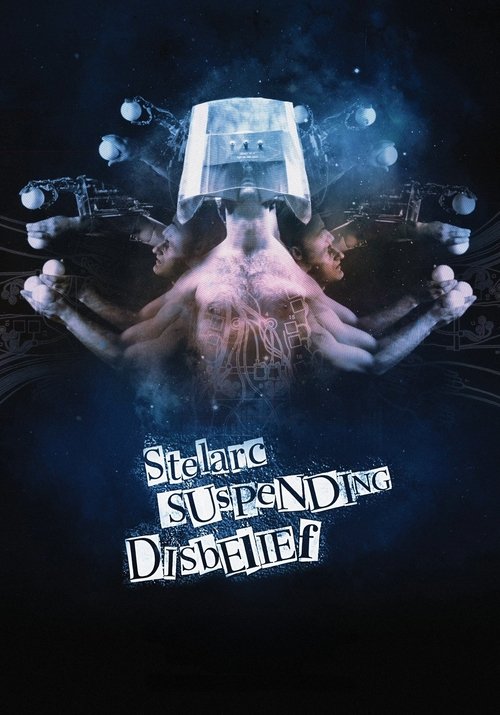
Melbourne-based Stelarc burst into prominence in the early 1970s with confronting, and outrageous public art performances. Following his mantra that ‘the body is obsolete’ he set about testing the limits of his own body in a series of death-defying stunts. Stelarc has always fought to escape the force of gravity. A third arm, an extra ear, a cheeky prosthetic head and an ambidextrous hand all play parts in this lively biopic as Stelarc wrangles the intersection between humanity and technology.
A movie star helps a young singer-actress find fame, even as age and alcoholism send his own career into a downward spiral.
This documentary aims to register this unknown side of James Joyce: His Greek Notebooks. Trieste. Bloomsday, 2013. Dance in slow motion, accompanied by text. By deconstructing the body, we turn it into a memory: of the body, of life, of texts. The biographical references to Joyce and Mando Aravantinou, combined with the diagonal slicing of the image, cancel the realism of the landscape, including that of the Narrator’s space/study. As a culmination, Joyce’s letter “A request for a loan in Greek” functions as a timely denunciation. Various routes through cities, such as Trieste, London, New York, and Athens; languages such as Greek and English. In addition to the primal myth of Ulysses, there is another issue: Greek is “the language of the subject of Ulysses”
A mouse-deer, Sang Kancil, small in figure but cunning and wise. With his intelligence, Sang Kancil often escapes dangers and sometimes helps other animals that are in trouble with bigger and more fierce animals.
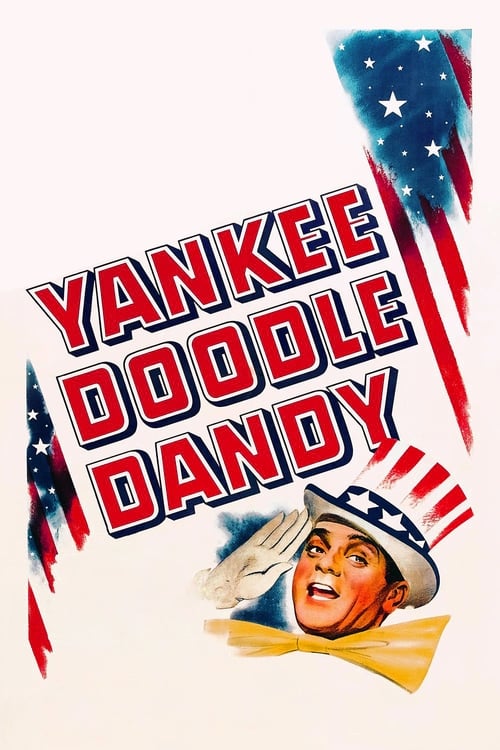
A film of the life of the renowned musical composer, playwright, actor, dancer and singer George M. Cohan.
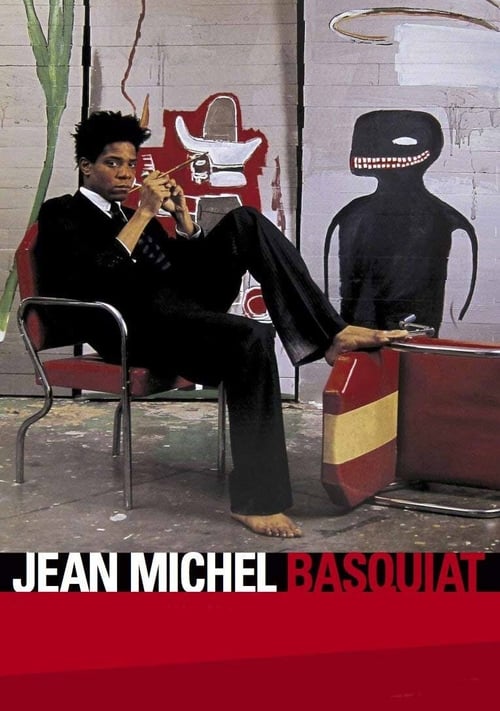
From Brooklyn to the Bronx, Soho to Greenwich, Union Square to Wall Street... Join us and the friends, collaborators and gallery owners who supported Jean-Michel Basquiat throughout his life. The first ever recognized graffiti artist, who saw international success as a neo-expressionist painter in the 80s, Basquiat is a true contemporary hero who died at the peak of his career.
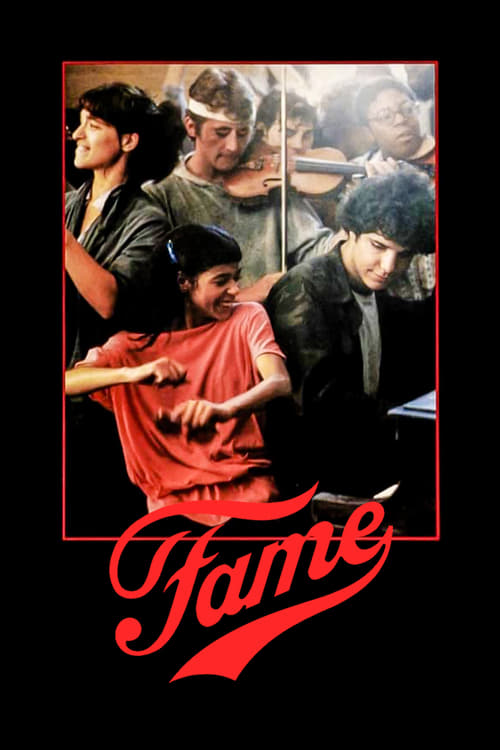
A chronicle of the lives of several teenagers who attend a New York high school for students gifted in the performing arts.
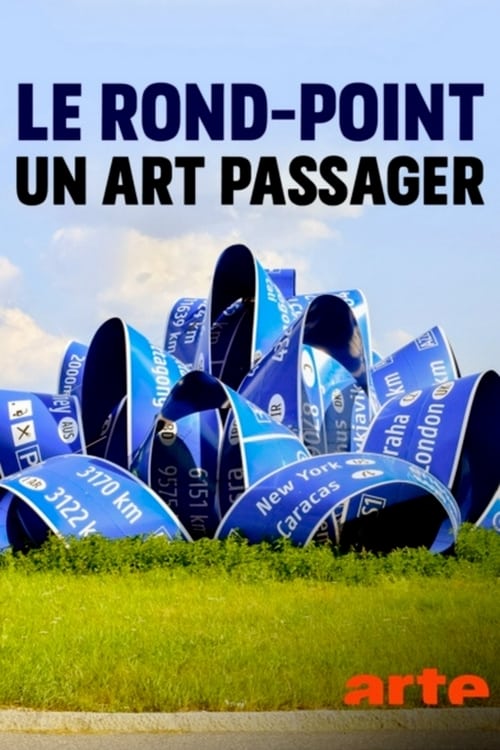
In Europe, road junctions have become public art galleries. A road trip across France, Switzerland, the Canary Islands, Greece and Germany exploring the glorious world of roundabout art.
When K-pop superstars Rumi, Mira and Zoey aren't selling out stadiums, they're using their secret powers to protect their fans from supernatural threats.
The collective life of the generation born as Jurij Gagarin became the first man in space. Vitaly Mansky has woven together a fictional biography – taken from over 5.000 hours of film material, and 20.000 still pictures made for home use. A moving document of the fictional, but nonetheless true life of the generation who grew up in this time of huge change and upheaval.
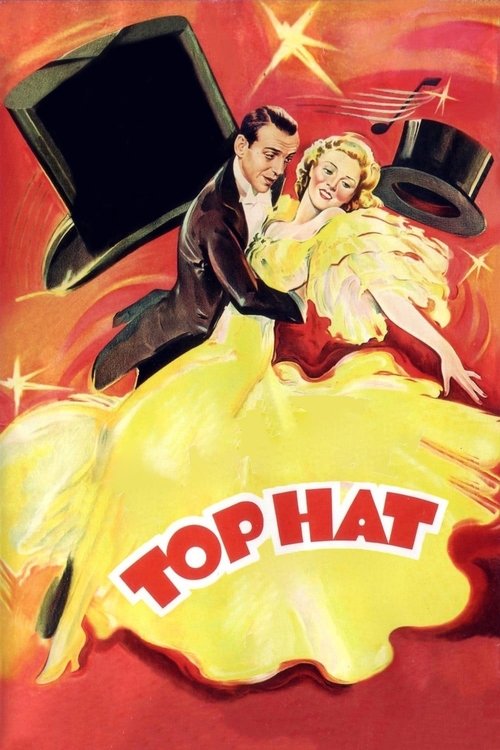
Showman Jerry Travers is working for producer Horace Hardwick in London. Jerry demonstrates his new dance steps late one night in Horace's hotel room, much to the annoyance of sleeping Dale Tremont below. She goes upstairs to complain and the two are immediately attracted to each other. Complications arise when Dale mistakes Jerry for Horace.
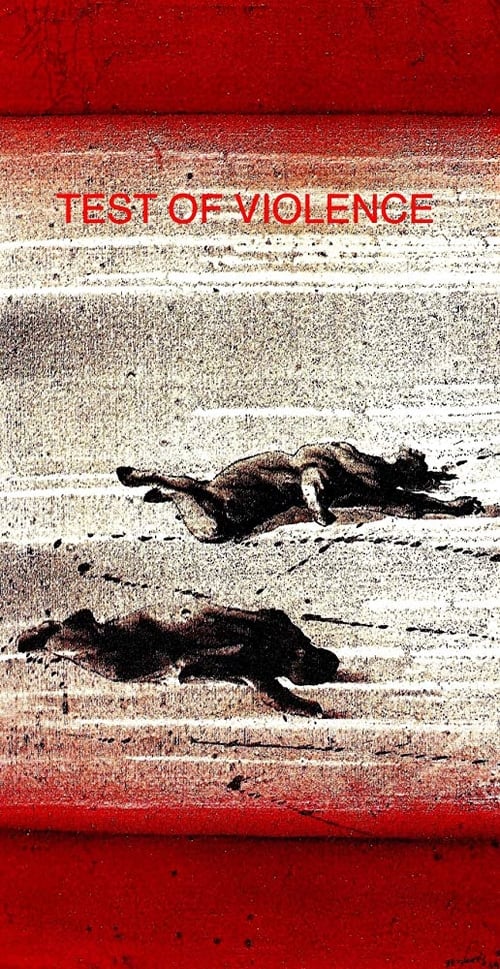
Stuart Cooper's short about the work of Spanish artist Juan Genovés is an inspired introduction to the works of this extraordinary artist, exploring its minimalist aesthetic and storytelling qualities through a variety of cinematic techniques, including rostrum, animation, news footage and live action recreations.
No overview available.