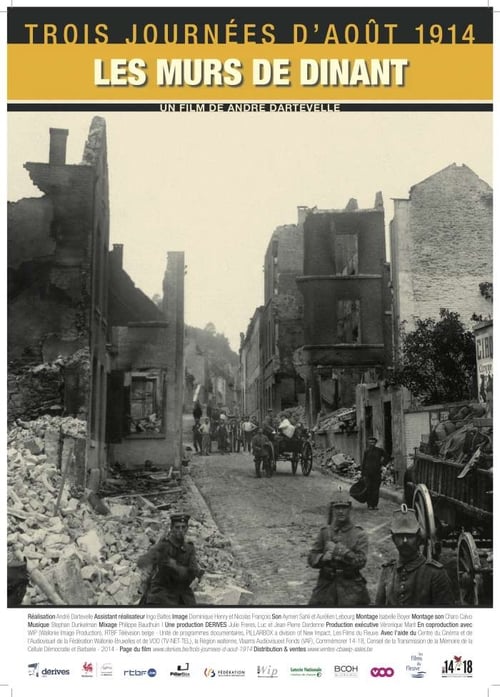
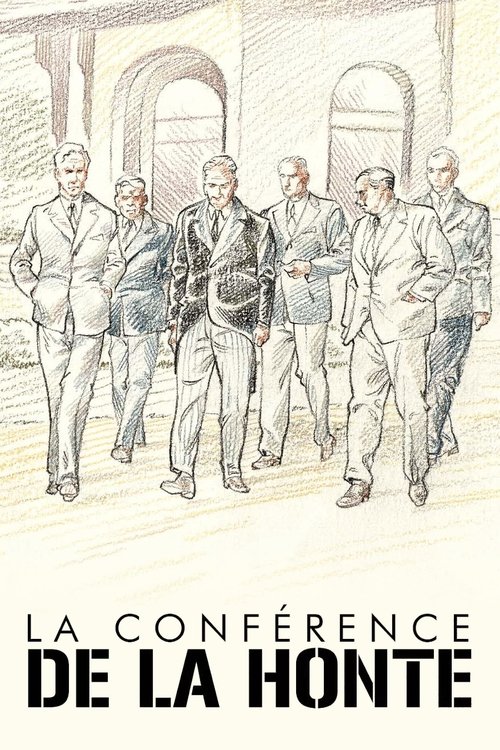
Documentary on the atrocities the germans committed at the start of WW I in Dinant.
No Trailers found.
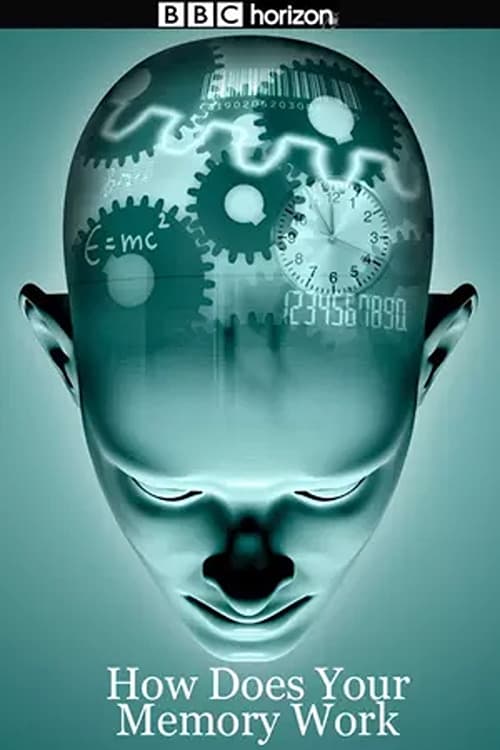
You might think that your memory is there to help you remember facts, such as birthdays or shopping lists. If so, you would be very wrong. The ability to travel back in time in your mind is, perhaps, your most remarkable ability, and develops over your lifespan. Horizon takes viewers on an extraordinary journey into the human memory. From the woman who is having her most traumatic memories wiped by a pill, to the man with no memory, this film reveals how these remarkable human stories are transforming our understanding of this unique human ability. The findings reveal the startling truth that everyone is little more than their own memory.
Gallipoli from Above: The Untold Story is the true story of how a team of Australian officers used aerial intelligence, emerging technology and innovative tactics to plan the landing at Anzac Cove. It is now nearly 100 years since the landing and hundreds of books, movies and documentaries have failed to grasp the significance of the ANZAC achievement. Instead, the mythology has clouded the real story of how these two influential Australian officers took control of the landing using every innovation they could muster to safely land their men on Z beach.
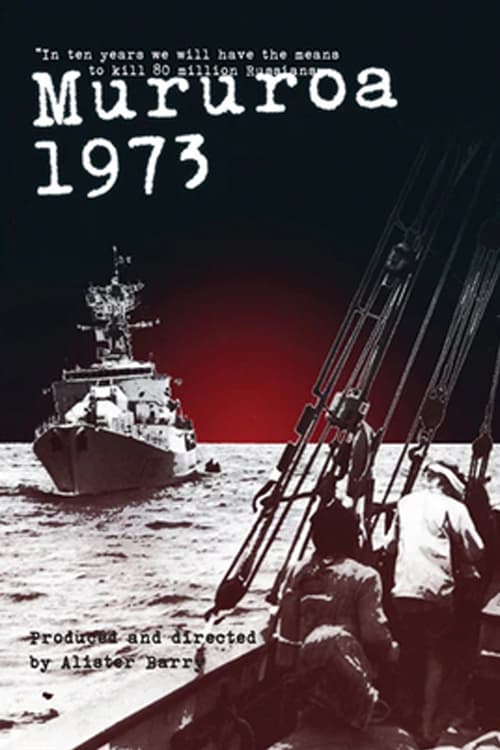
In 1973 Alister Barry joined the crew of a protest boat (The Fri) to Mururoa Atoll, where the French Government were testing nuclear weapons. Barry records the assembly of the crew, the long journey from Northland, and their reception in the test zone; when The Fri was boarded and impounded by French military he had to hide his camera in a barrel of oranges.
A community of cats lives in the Soledade Cemetery Park in Belém. "7 Vidas" follows these animals through a fictional letter written by one of them to his former owner. With real images of the cats among graves and trees, the film builds a sensitive narrative about abandonment, freedom and memory, revealing the poetry hidden in the coexistence between life and death.
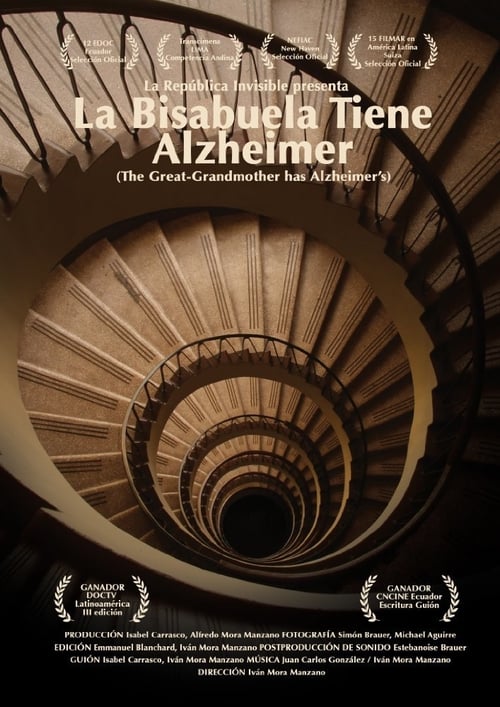
A meeting between the daughter and the grandmother of the director, Iván Mora Manzano, at a time when the memories of one, the girl’s, were taking shape, and the other’s the grandmother’s, were vanishing. This starting point is used as a pretext to talk about other topics such as the importance of family memories and the search for memory.
No overview available.
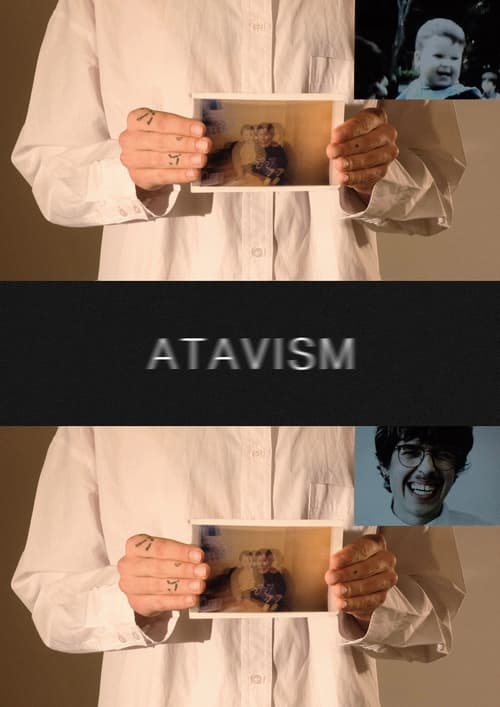
Within the video, two screens coexist. On the primary screen, a repetitive action takes place - the photo in the hands is periodically blurred. The focus of the viewer's attention is shifted to the secondary screen, which is more dynamic. The face in front of the camera, resembling clay, tries to take on images from archival photographs and video recordings.
In her often pioneering work, historian Michelle Perrot has continually questioned the fate of those on the margins of our society, giving them a voice to break the silence of history. In her Histoire de chambres (History of Bedrooms), published in 2009, Michelle Perrot speaks in the first person for the first time. She explores the social and intimate role of bedrooms throughout history. Inspired by these reflections, Teri Wehn Damisch paints a "bedroom" portrait of the historian: we enter with Michelle Perrot into the bedrooms of the house in Nohant, where the rebel George Sand, her first heroine, lived. The defining events of her childhood, the awakening of her political consciousness, her daring research, her decisive encounters, her view of feminism: Michelle Perrot immerses us in the episodes that shaped her life as a free woman and placed her among the most influential intellectual figures of our time.
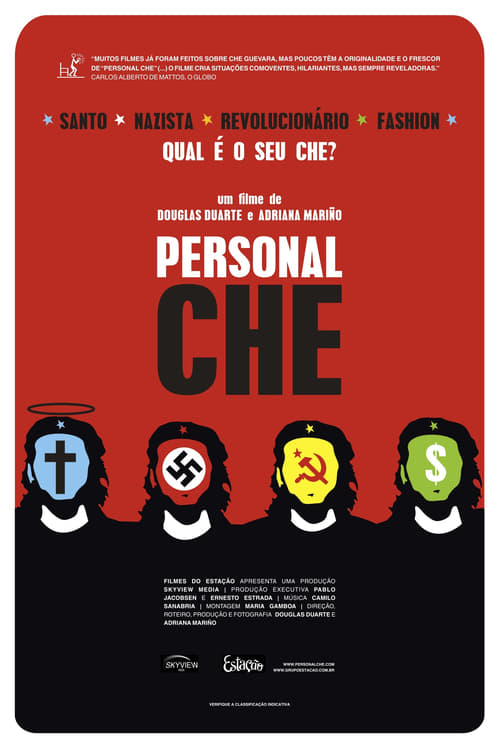
A documentary that explores the myth behind the truth. Different people around the globe reinterpret the legend of Che Guevara at will: from the rebel living in Hong Kong fighting Chinese domination, to the German neonazi preaching revolution and the Castro-hating Cuban. Their testimonies prove that the Argentinian revolutionary's historical impact reverberates still. But like with all legends, each sees what he will, in often contradictory perspectives.
The race to save the world's only dedicated Māori World War One Memorial from collapse reveals an unknown soldier's heroic story to the community he was once part of.
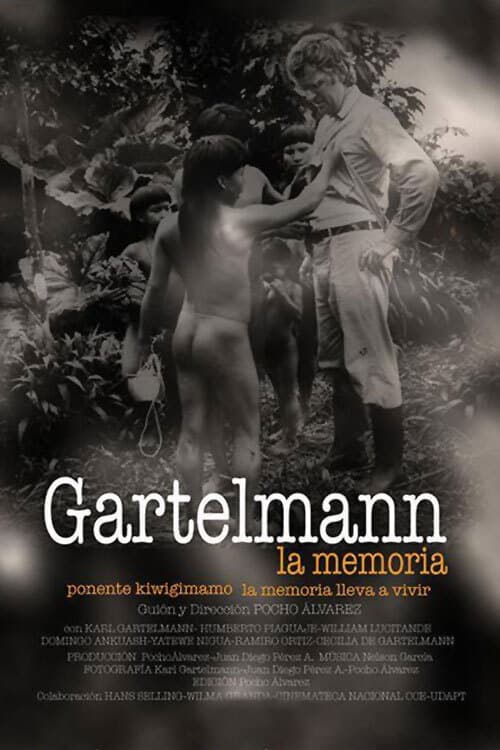
Karl Dieter Gartelmann, a German photographer and filmmaker, arrived in Ecuador in the seventies, in the midst of the oil boom, with an old 16mm Bolex video camera, and began a journey through the Ecuadorian jungle, collecting the visual testimony of a life that is dying. This documentary brings together the director's permanent concerns: culture and nature wasted by extractivism. A conversation between two directors about the creation of memory through cinema.
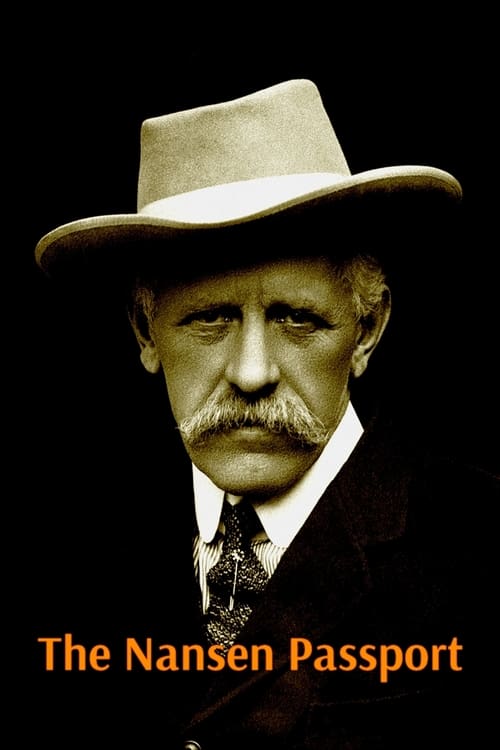
On July 5th, 1922, Norwegian explorer, scientist and diplomat Fridtjof Nansen creates a passport with which, between 1922 and 1945, he managed to protect the fundamental human rights as citizens of the world of thousands of people, famous and anonymous, who became stateless due to the tragic events that devastated Europe in the first quarter of the 20th century.
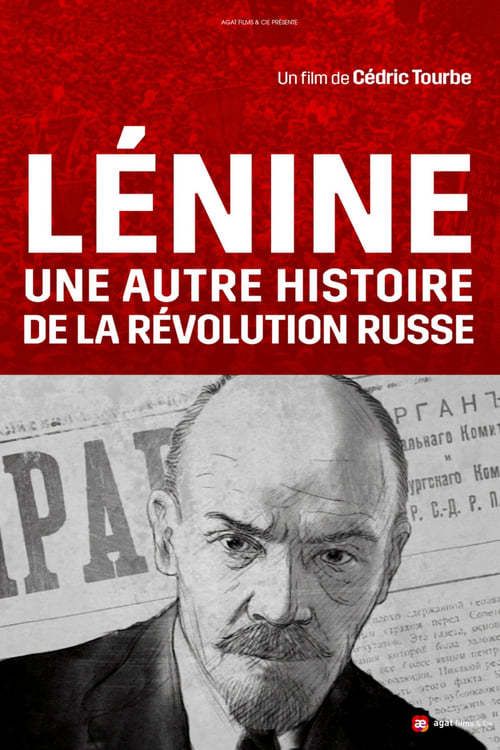
Vladimir Ilyich Ulyanov, better known as Lenin, is remembered as the instigator of the October Revolution of 1917 and, therefore, as one of the men who changed the shape of the world at that time and forever, but perhaps the actual events happened in a way different from that narrated in the history books…
Questions about celebrating 200 years of independence from Brazil with 300 years of slavery.
An account of the last two centuries of the Anthropocene, the Age of Man. How human beings have progressed so much in such a short time through war and the selfish interests of a few, belligerent politicians and captains of industry, damaging the welfare of the majority of mankind, impoverishing the weakest, greedily devouring the limited resources of the Earth.
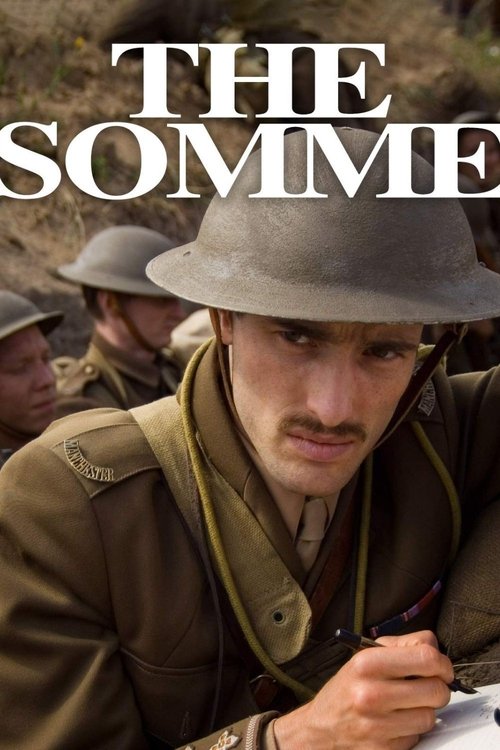
Drama-documentary recounting the events of the 1st July 1916 and the Battle of the Somme on the Western Front during the First World War. Told through the letters and journals of soldiers who were there.
The village of Yahidne in northern Ukraine is coming back to life. Dogs are running around. Gardens and crops are green again. People support one another and families have reunited. In a movement of solidarity, local youth help rebuild what was devastated a year ago when Russian troops occupied the village imprisoning the villagers in the school's basement for a month. The villagers' attitudes alternate between their desire to move forward an remembering the horrors of the past. A heartwarming tribute to resilience and unity.
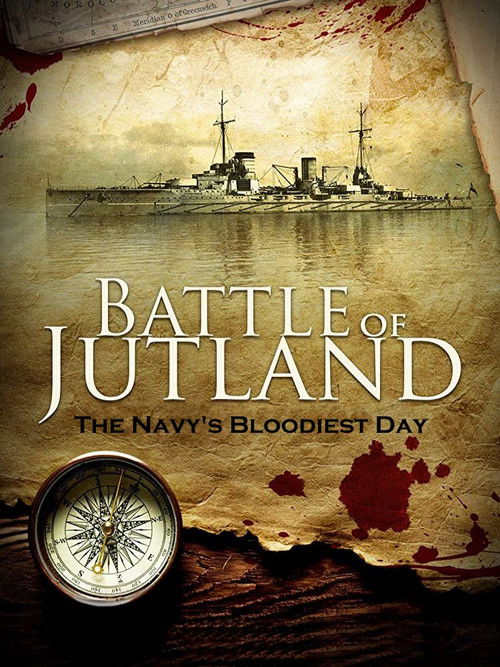
Documentary about the Battle of Jutland, a naval battle during World War I between the British and German fleets, which took place on 31 May and 1 June 1916 in the North Sea, off the west coast of Denmark. It re-creates the events of the battle and examines why the number of British warships that sank was so much higher than the number of German ships that were lost. Shown to commemorate the 100-year anniversary of the battle.
No Cast found.