Lakota people from the Pine Ridge Indian Reservation and the Rosebud Indian Reservation in South Dakota describe the ongoing struggle of their people.
No Cast found.
No Trailers found.
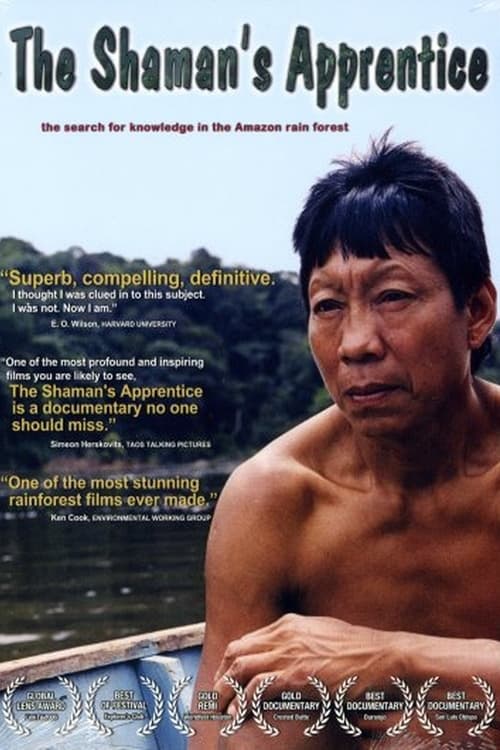
Scientist Mark Plotkin races against time to save the ancient healing knowledge of Indian tribes from extinction.
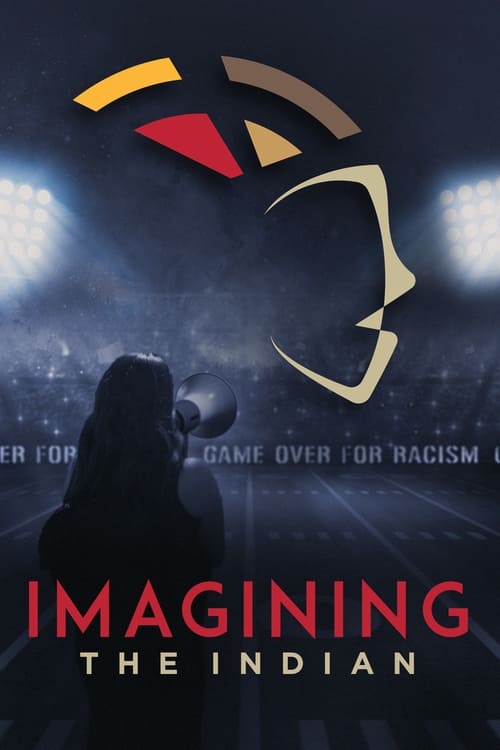
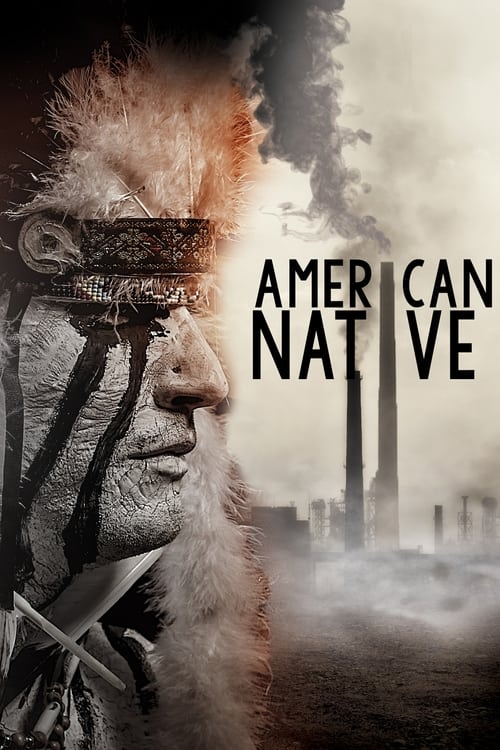
Examining the movement that is ending the use of Native American names, logos, and mascots in the world of sports and beyond.
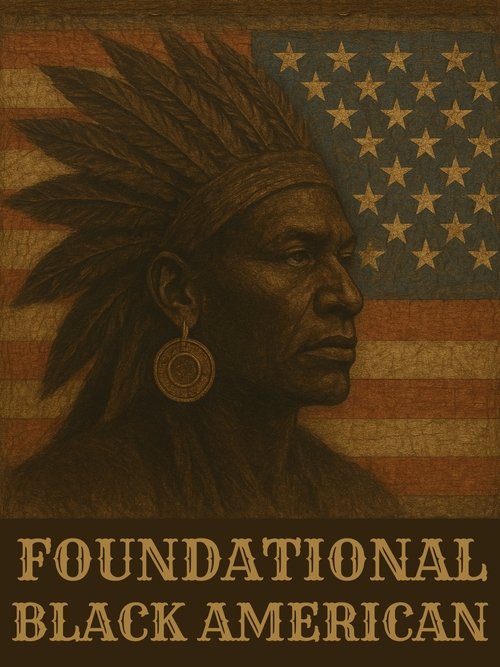
Uncover the hidden history of Foundational Black Americans and Black Indians-present before Columbus and vital to building the U.S.-in this powerful documentary that reclaims a buried legacy.
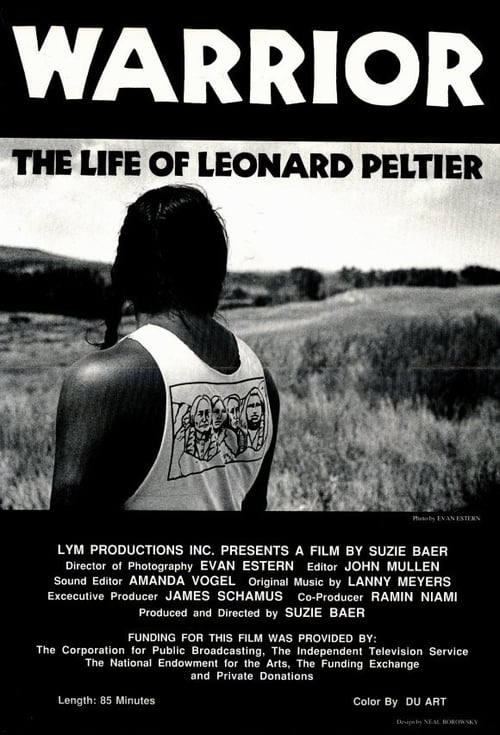
An intimate exploration of the circumstances surrounding the incarceration of Native American activist Leonard Peltier, convicted of murder in 1977, with commentary from those involved, including Peltier himself.
Thirty miles from Manhattan a group of mysterious mountain people fight for recognition as a legitimate Native American tribe from the Bureau of Indian Affairs. What begins as their journey travels the country as Native American’s fight for their rights at Standing Rock, Apache Junction and throughout the United States. Examining through expert interviews and unbridled access to the community, the film provides an in depth look at the complex past, volatile present and endangered future of the Ramapough Mountain Indians and what it truly means to be a “Native American”.
Washington Redskins, Cleveland Indians, Atlanta Braves — Indian mascots and nicknames have historically been first draft picks in American sports. But for Charlene Teters, a Spokane Indian, transplanting cultural rituals onto the field is a symbol of disrespect. Jay Rosenstein follows Teters' evolution from mother and student into a leading voice against the merchandising of Native American symbols — and shows the lengths fans will go to preserve their mascots.
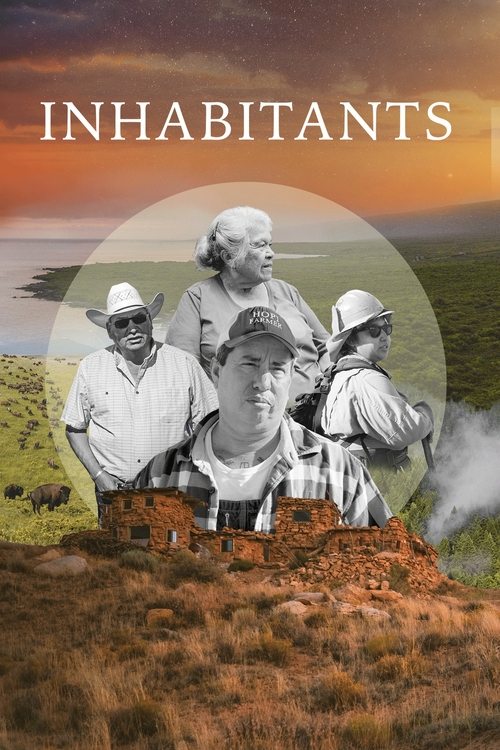
For millennia, Native Americans successfully stewarded and shaped their landscapes, but centuries of colonization have disrupted their ability to maintain their traditional land management practices. From deserts, coastlines, forests, mountains, and prairies, Native communities across the US are restoring their ancient relationships with the land. As the climate crisis escalates these time-tested practices of North America's original inhabitants are becoming increasingly essential in a rapidly changing world.
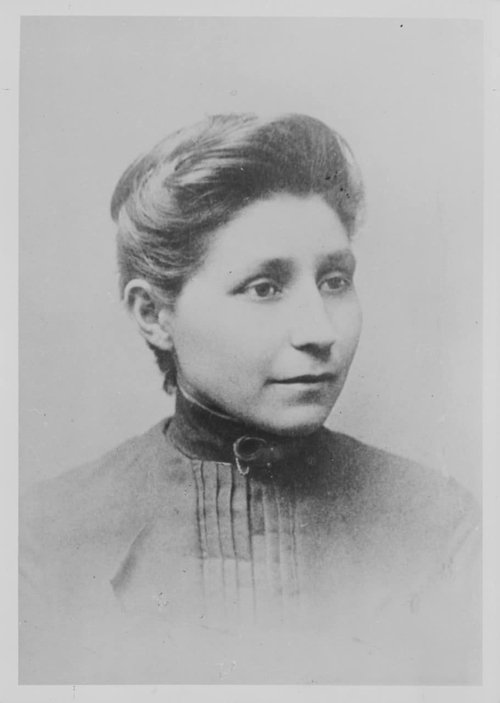
This short documentary tells the story of the life and legacy of Dr. Susan La Flesche Picotte, an Omaha woman who became the first Native American physician.
In late 2021, Cleveland’s baseball team was reborn as the Guardians. This documentary, directed by Lance Edmands, chronicles the saga of that name change, which has its roots in a forgotten legend named Louis Sockalexis, and the tragedy that enveloped his story more than a century ago.
While most teens spend their days in a self-absorbed haze, Simon Jackson was out in the world connecting with anyone who could help him save the spirit bear. For this, Simon became one of Time's Heroes of the Planet. It's a remarkable accomplishment for one so young, and an inspiring story for lovers of wilderness of all ages. But his devotion to the cause made him an outcast amongst his peers.
A short film highlighting the epidemic of missing indigenous men and women who have gone missing in Bighorn County, Montana. It features several victims' stories and interviews with their families and indigenous activists who are pushing for their cases to be re-examined and solved.
Through ramshackled Nuxalk Radio in Bella Coola, the disappearance of the ooligan reveals a buried history deeper than the river itself.
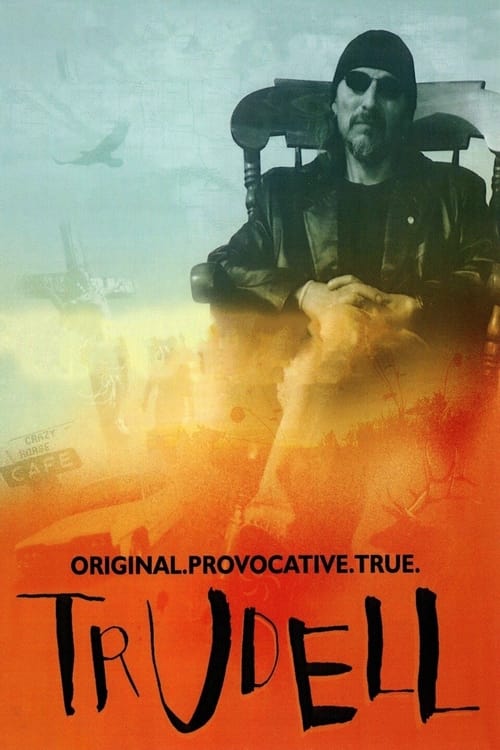
A chronicle of legendary Native American poet/activist John Trudell's travels, spoken word performances, and politics.
The title of this video, taken from the texts of the architect Kengo Kuma, suggests a way of looking at everything as “interconnected and intertwined” - such as the historical and the present and the tool and the artifact. Images and representations of two structures in the Portland Metropolitan Area that have direct and complicated connections to the Chinookan people who inhabit(ed) the land are woven with audio tapes of one of the last speakers of chinuk wawa, the Chinookan creole. These localities of matter resist their reduction into objects, and call anew for space and time given to wandering as a deliberate act, and the empowerment of shared utility.
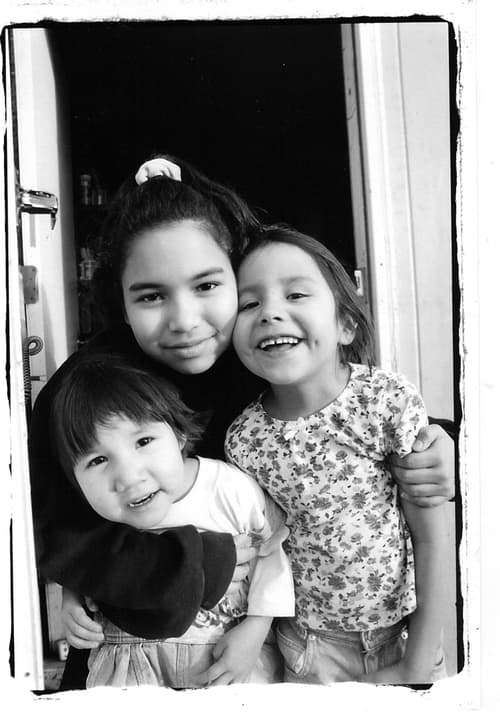
Following four Lakota families over three years, Homeland explores what it takes for the Lakota community to build a better future in the face of tribal and government corruption, scarce housing, unemployment, and alcoholism. Intimate interviews with a spiritual leader, a grandmother, an artist, and a community activist from South Dakota’s Pine Ridge Indian Reservation reveal how each survives through family ties, cultural tradition, humor, and a palpable yearning for self-reliance and personal freedom.
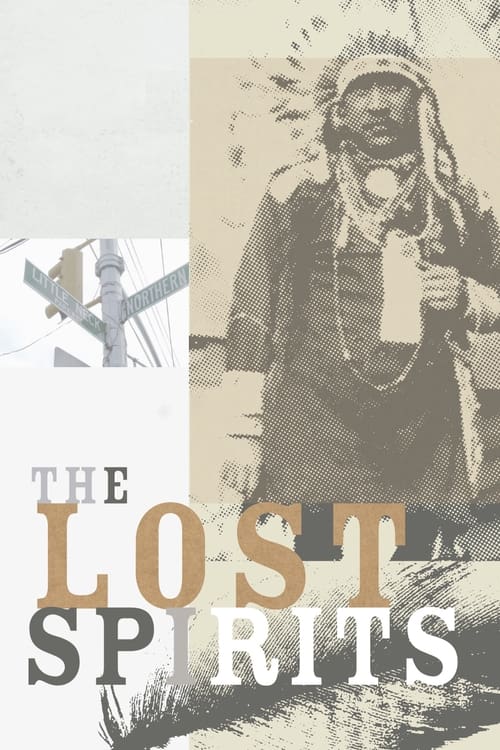
The last surviving Native Americans on Long Island are the focus of The Lost Spirits. The film chronicles their struggles as an indigenous people to maintain their identity amidst relentless modernization and a heartless bureaucracy.
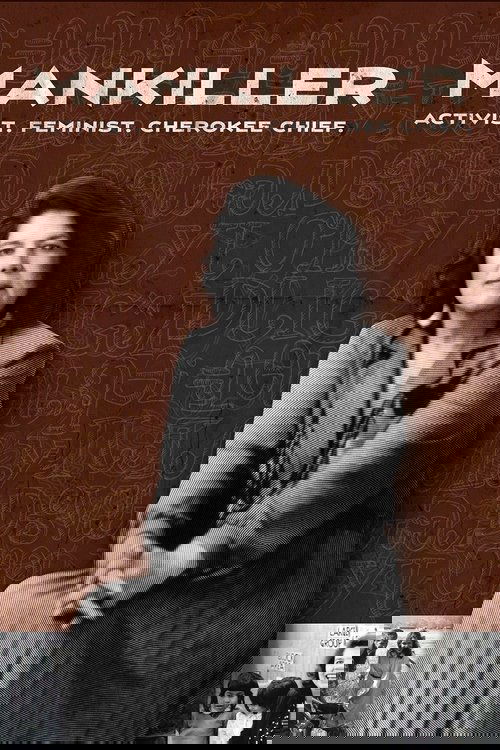
The story of an American hero and the Cherokee Nation's first woman Principal Chief who humbly defied all odds to give a voice to the voiceless.
No overview available.
A documentary film about Comanche activist LaDonna Harris, who led an extensive life of Native political and social activism, and is now passing on her traditional cultural and leadership values to a new generation of emerging Indigenous leaders.
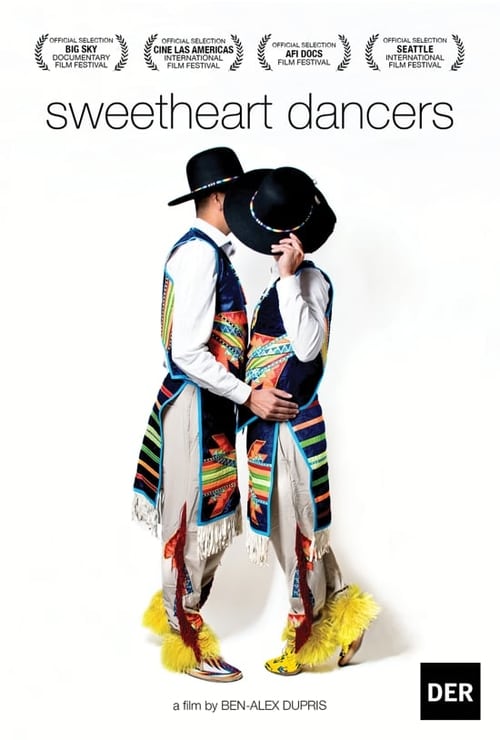
Sean and Adrian, a Two-Spirit couple, are determined to rewrite the rules of Native American culture through their participation in the “Sweetheart Dance.” This celebratory contest is held at powwows across the country, primarily for heterosexual couples … until now.