In the remote region of Semipalatinsk in North-Eastern Kazakhstan live the victims of hundreds of Soviet nuclear tests carried out from 1949 through 1989.
Trailer
A German Documentary about the “village of friendship” that was created by American Veteran George Mizo to help the Vietnamese kids suffering from the Vietnam War.
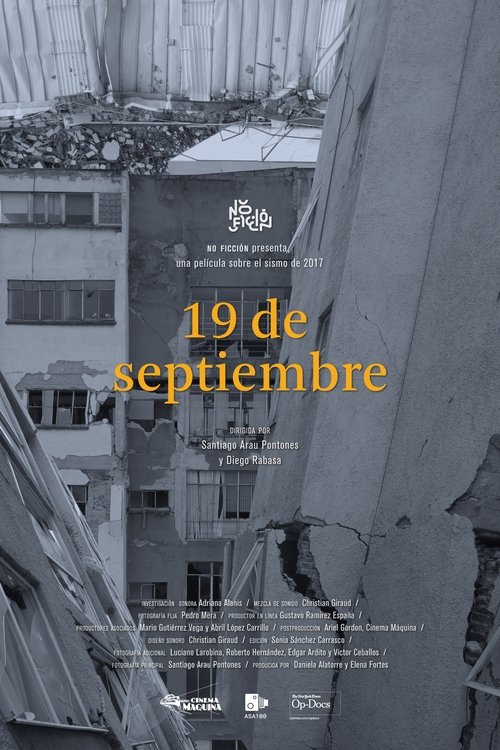
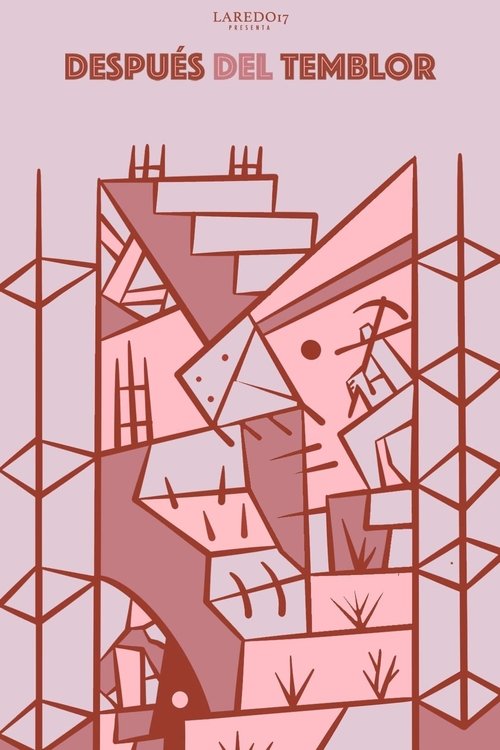
Filmed mostly with drones, this short film shows what happened before, during and after the devastating earthquake that struck Mexico City in September 19, 2017. Through sound recordings of the rescue operations, accounts from survivors and journalistic chronicles, this film reflects the uncertainty and bewilderment caused by the quake.
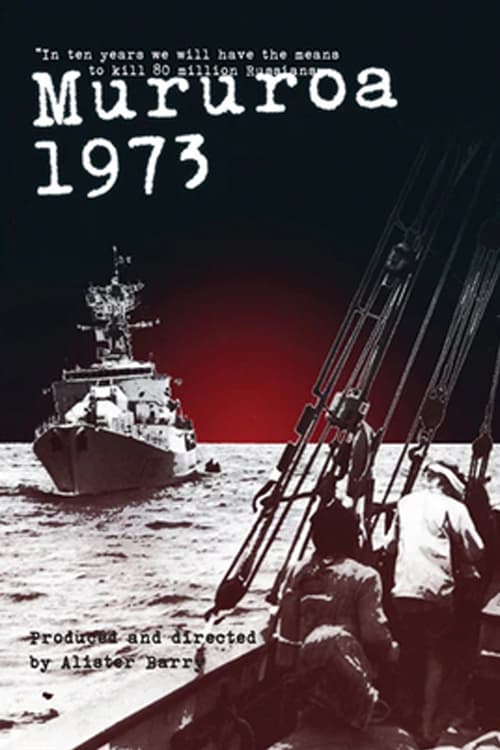
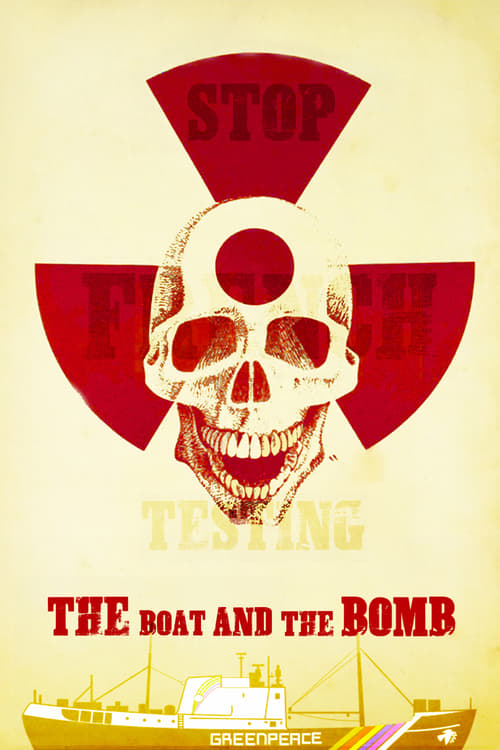
In 1973 Alister Barry joined the crew of a protest boat (The Fri) to Mururoa Atoll, where the French Government were testing nuclear weapons. Barry records the assembly of the crew, the long journey from Northland, and their reception in the test zone; when The Fri was boarded and impounded by French military he had to hide his camera in a barrel of oranges.
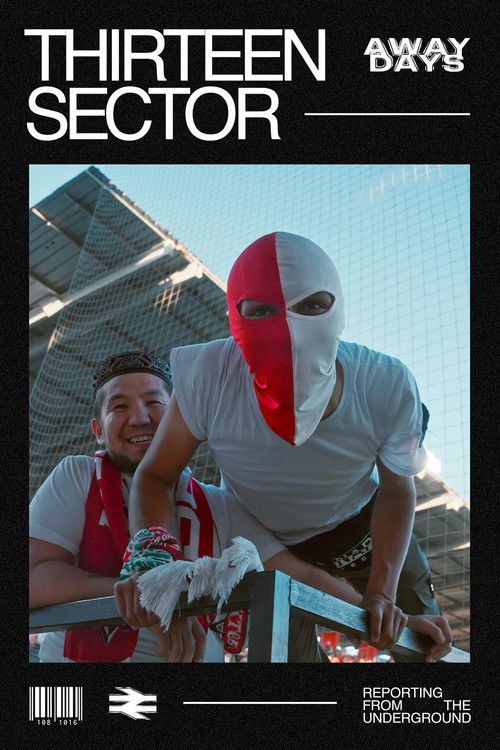
The Islamic country of Kazakhstan is one of the most unlikely places for football hooliganism to take root. And yet, believe it or not, the scene there is growing rapidly. Born from Aktobe’s “13 Sector”, these crews mix British hooliganism, European ultras culture, and ancient Kazakh tradition to create a unique, fully-formed underground counterculture. Forest fights, street patrols, fanaticism—a new scene thriving 3000 miles away from where it all began. Away Days got unprecedented access to these hooligans, travelling all the way to Kazakhstan to meet them. We followed the region’s most notorious firm in the lead-up to the biggest derby of the year…
No overview available.
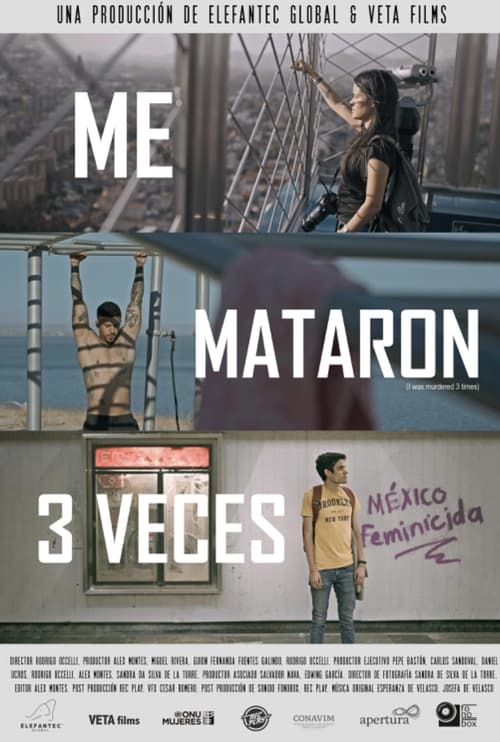
After their mother's femicide, three siblings are separated and forced to live in different places. Years later they gather to raise their voices and fight to be made visible in a country where orphans for femicide are ignored by the state and invisible to society. It's up to them to tell their story.
WORLD PREMIERE: It is the 70th anniversary of the first nuclear test in indigenous Australian territory and the aboriginal communities call on activists from all over the world to carry out a 200 km anti-nuclear walk through the desert. Among them, the directors of this documentary join to record this walk, which seeks to end the extraction of uranium, the mineral with which atomic bombs are produced. What attitude will we take as humanity in the face of the possibility of creation and destruction
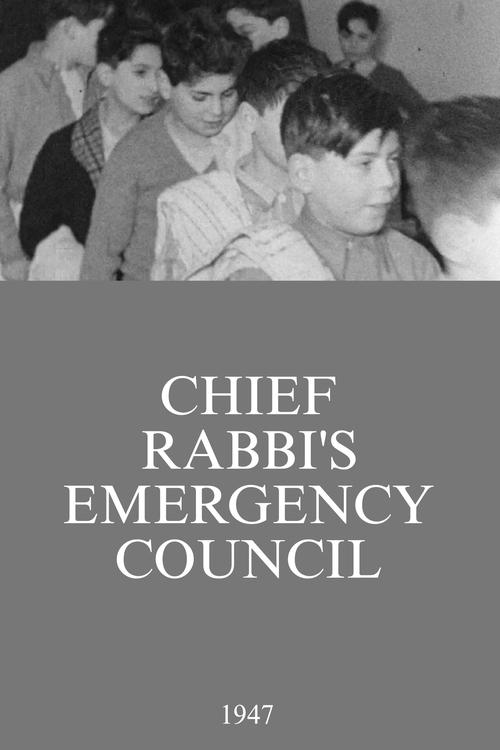
Poignant postwar appeal for Britain’s Jewry to support orphaned Jewish children rescued from Europe.
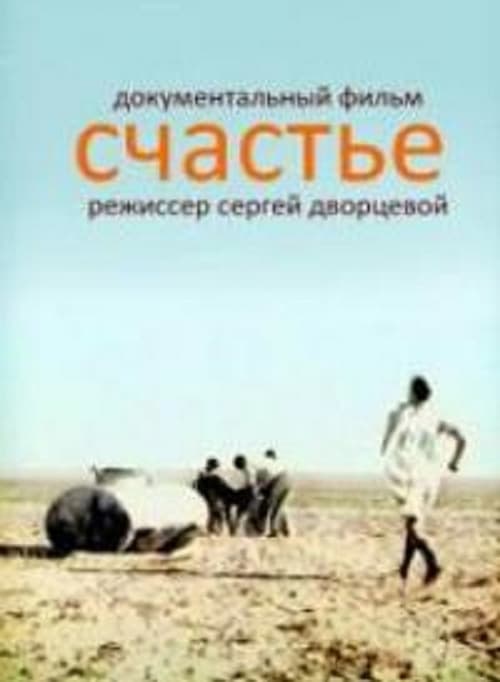
Sergey Dvortsevoy makes his international debut with this astonishingly intimate portrait of a nomadic family on the Kazakh plains. Several scenes in this slow, elegant film betray a certain dry humor -- a child devouring the last of a bowl of yogurt and then crying; a cow getting its head stuck in a pail; and a woman singing to herself, accompanied by her snoring husband. Other scenes capture the nomads' hardscrabble lives -- drunken herdsmen in the grips of existential despair, growling dogs, and a camel enduring a rather grim septum piercing. By the end of the film, the family pulls up stakes and herds its sundry four-legged beasts -- camels, cattle, goats, dogs, and horses -- to a more fertile plain. This film was screened at the 1999 Yamagata International Documentary Film Festival.
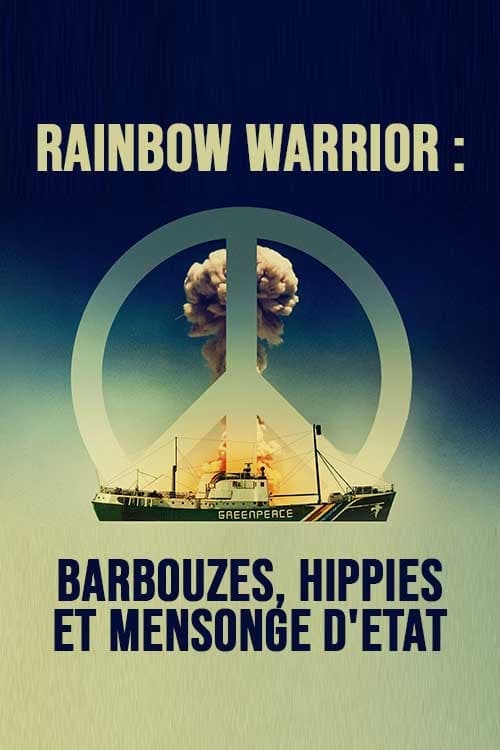
In Aukland Harbour, New Zealand, on July 10th 1985, French navy combat frogmen placed two mines against the hull of the Greenpeace flagship Rainbow Warrior, sinking the ship and killing photographer Fernando Pereira.
60 years ago, in the Algerian desert, an atomic bomb, equivalent to three or even four times Hiroshima, exploded. Named the “Blue Gerboise”, it was the first atomic bomb tested by France, and of hitherto unrivaled power. This 70 kiloton plutonium bomb was launched in the early morning, in the Reggane region, in southern Algeria, during the French colonial era. If this test allowed France to become the 4th nuclear power in the world, it had catastrophic repercussions. France had, at the time, certified that the radiation was well below the standard safety threshold. However, in 2013, declassified files revealed that the level of radioactivity had been much higher than announced, and had been recorded from West Africa to the south of Spain.
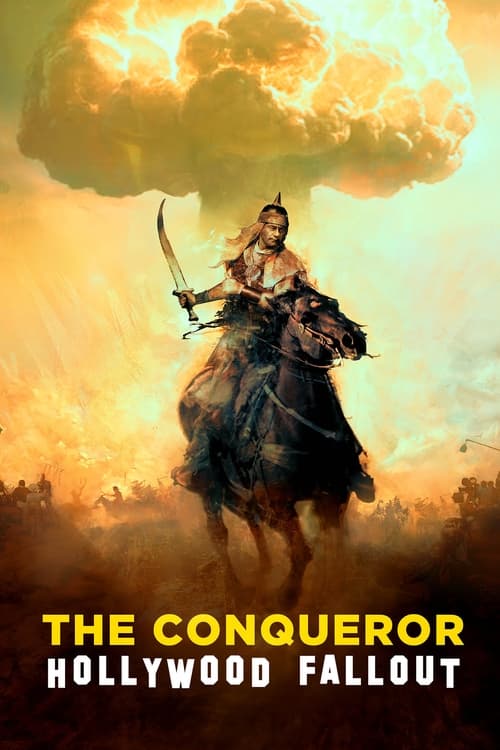
The story of one of the great environmental disasters to befall the United States, and the terrible movie that helped bring the catastrophe to light.
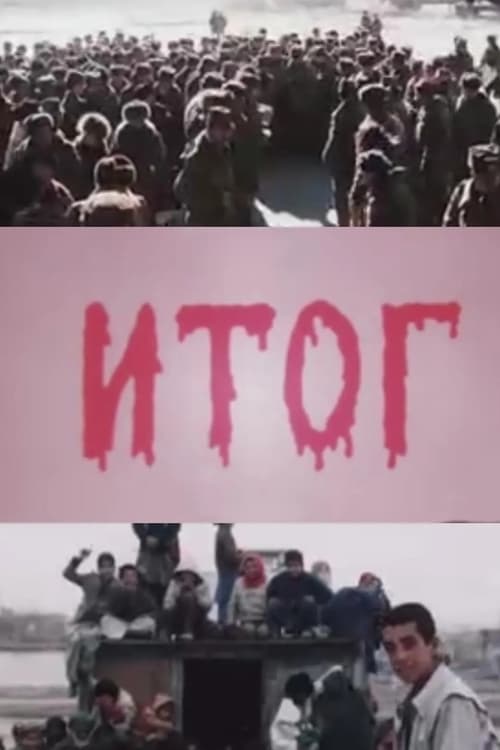
These are last days of the Soviet troops' stay in Afghanistan. What's next? About the economic difficulties after the war is over, the results of the military company.
For months, the FBI have been investigating Russian interference in the American presidential elections. ZEMBLA is investigating another explosive dossier concerning Trump’s involvement with the Russians: Trump’s business and personal ties to oligarchs from the former Soviet Union. Powerful billionaires suspected of money laundering and fraud, and of having contacts in Moscow and with the mafia. What do these relationships say about Trump and why does he deny them? How compromising are these dubious business relationships for the 45th president of the United States? And are there connections with the Netherlands? ZEMBLA meets with one of Trump’s controversial cronies and speaks with a former CIA agent, fraud investigators, attorneys, and an American senator among others.
The Rainbow Warrior was a Greenpeace ship that was bombed by operatives of the French government, in New Zealand in 1985, while heading to a protest against nuclear testing, tragically taking the life of photographer Fernando Pereira. Edward McGurn’s enlightening and exciting documentary uncovers a tangled tale of nuclear weapons, geopolitical coverups, and attempts to take action against impending environmental collapse. Was Pereira’s death an accident or part of a larger political plot?
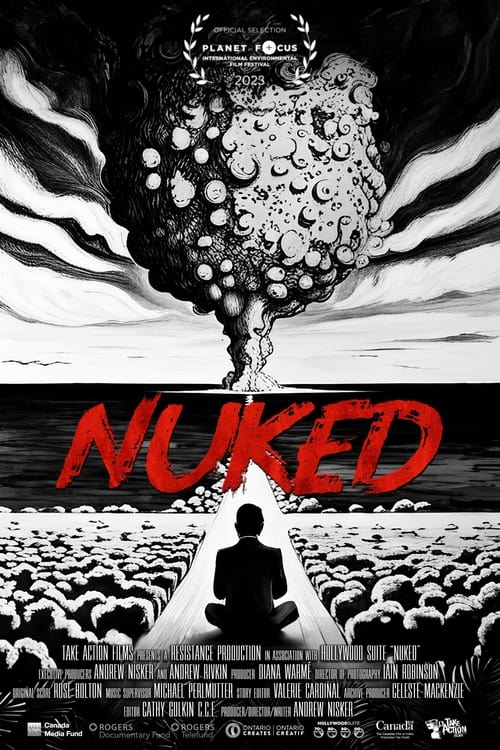
The US detonated 67 nuclear weapons over the Bikini Atoll in the Marshall Islands during the Cold War, the consequences of which still reverberate down four generations to today. "NUKED," is a timely new feature documentary focussing on the human victims of the nuclear arms race, tracing the displaced Bikinian's ongoing struggle for justice and survival even as climate change poses a new existential threat. Using carefully restored archival footage to resurrect contemporaneous islanders’ voices and juxtaposing these with the full, awesome fury of the nuclear detonations, NUKED starkly contrasts the official record with the lived experience of the Bikinians themselves, serving as an important counterpoint to this summer’s Oppenheimer.
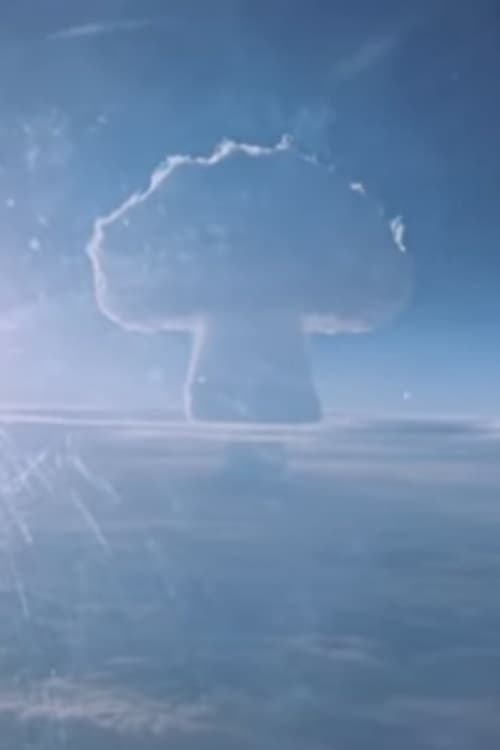
Documentary movie about testing of the largest nuclear weapon in history, the Tsar Bomba. Declassified and made available to the public in 2020.
Documentary about the aftermath of the earthquake that shook Juchitán, on the Mexican Pacific coast. It tells the story of Dxani -muxe seamstress- and Jacinto -mason- and how their lives were radically changed by the strongest earthquake that hit this community; and the poor response of the corrupt authorities.
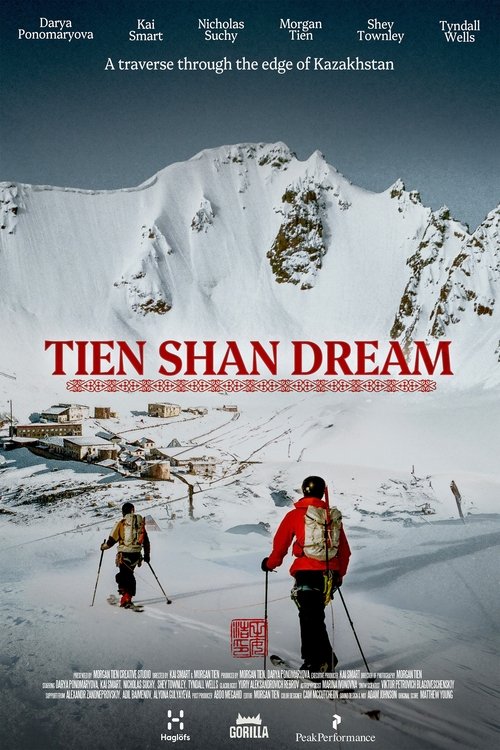
A team of international skiers embark on a two-week glacier traverse connecting two remote research stations in Kazakhstan. The Tien Shan's 4000+ meter peaks host an active scientific community, leveraging the rare environmental conditions for groundbreaking research. Established during the Soviet Union's occupation, the high-altitude research stations here are home to some of the longest-standing glacier and cosmic radiation experiments in the world - and are surrounded by deadly alpine terrain.
No Cast found.