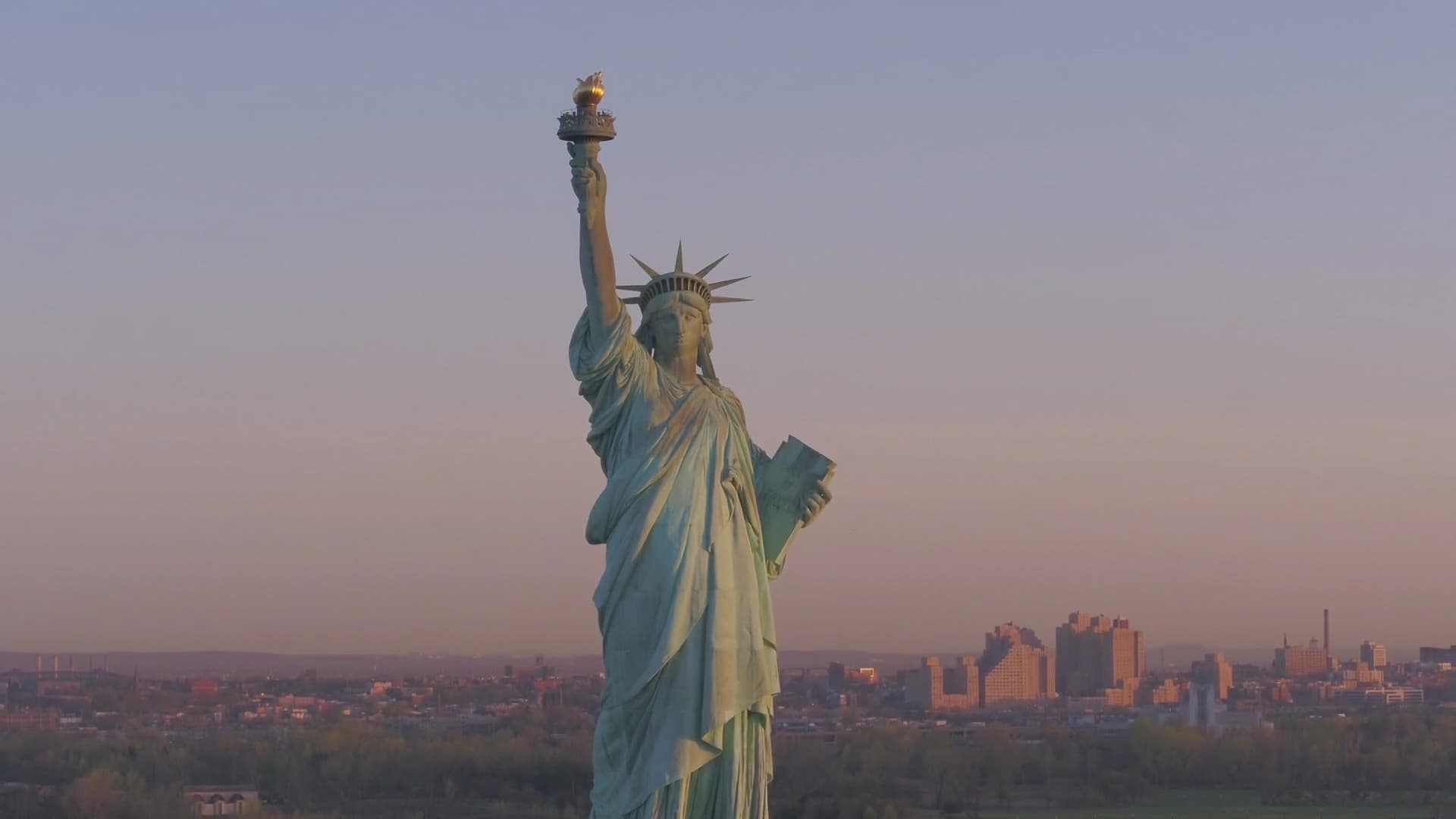
A look at the history of the Statue of Liberty and the meaning of sculptor Auguste Bartholdi's creation to people around the world.
Trailer
No Cast found.
In interviews, various actors and directors discuss their careers and their involvement in the making of what has come to be known as "cult" films. Included are such well-known genre figures as Russ Meyer, Curtis Harrington, Cameron Mitchell and James Karen.
An account of the last two centuries of the Anthropocene, the Age of Man. How human beings have progressed so much in such a short time through war and the selfish interests of a few, belligerent politicians and captains of industry, damaging the welfare of the majority of mankind, impoverishing the weakest, greedily devouring the limited resources of the Earth.
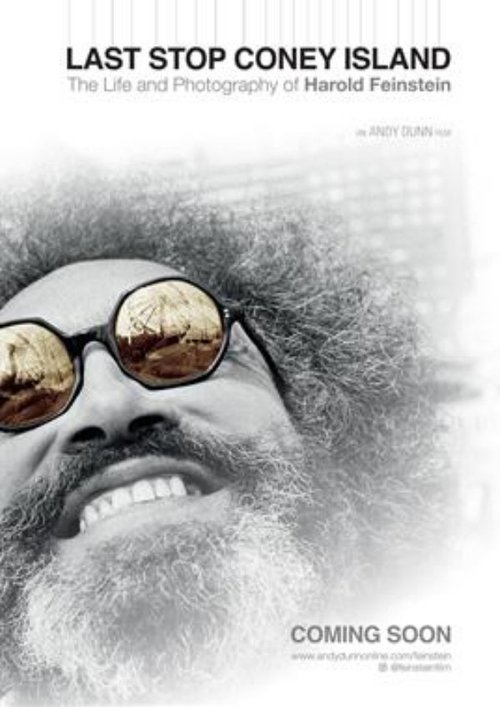
He found fame in his teens with images of his native New York, then lost it again.
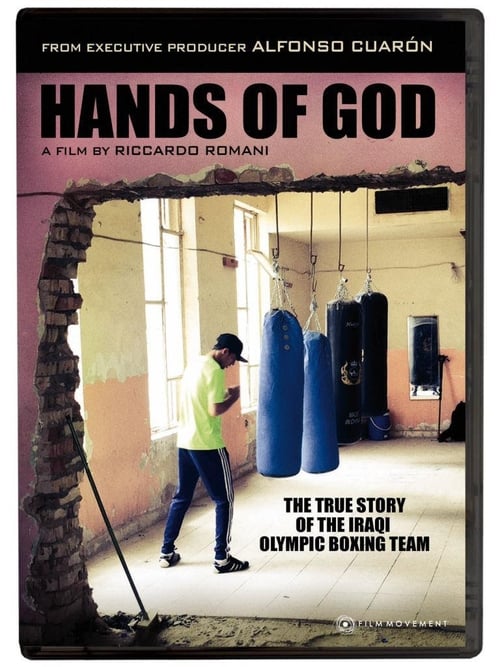
Thirteen years of war. Dozens of car bombings every month. One goal: to become an Olympic champion. The true story of grit and determination, of young men literally fighting for their lives one day on the battlefields of Iraq and competing to fight for their Nation the next one. Despite living under the persistent threat of ISIS, these athletes will strive to accomplish their task. The amazing journey of the Iraq National Team from obscurity and desperation to the edge of an historical qualification to Rio 2016. Will private Waheed be able to manage his army duty with his desire to go to the Games? Is young Jafaar ready to aspire to the Olympic stage he has been dreaming of, despite living in the most dangerous suburb in the world? Will promising heavyweight Saadi come back from his mission to liberate Falluja? Will Iraq finally be a peaceful Country?
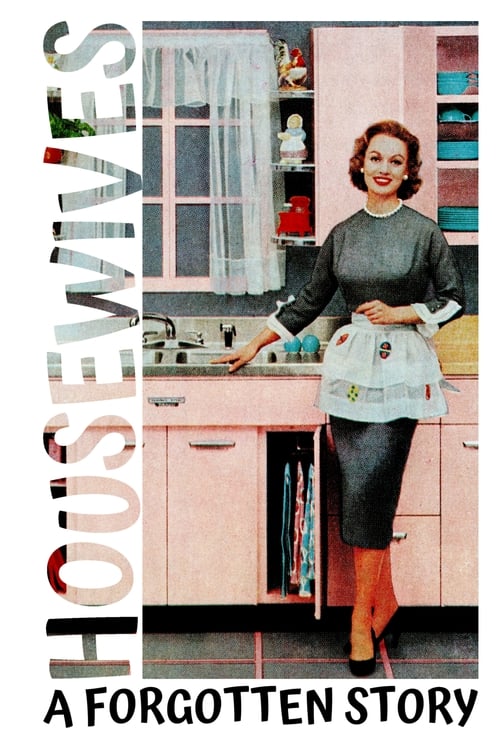
After World War II, many young French women became housewives, convinced that devoting themselves entirely to caring for their families was a noble mission and a means of personal fulfillment.
No overview available.
A look at the life story of the Controversial Billionaire.
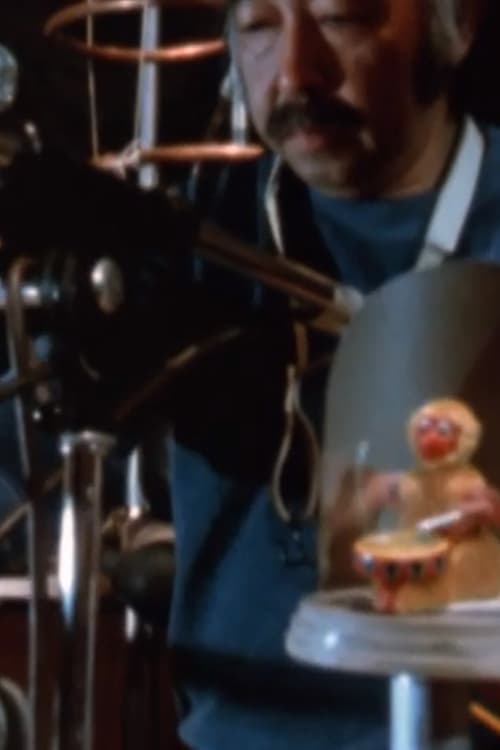
A film featuring architect, sculptor, and musician Nobuo Kubota in a sound-sculpture performance. From within a cage-like structure filled with traditional musical instruments and sound-making devices fashioned from ordinary objects and toys, Kubota creates an aural/visual montage of musical notes and noises. Praised by music educators as a valuable tool for teaching creativity in sound exploration and musical innovation, the film reveals the infinite percussion possibilities of simple objects and presents a portrait of a versatile performer whose imagination has led him far beyond the confines of conventional music. Directed by Jonny Silver - 1982 | 20 min
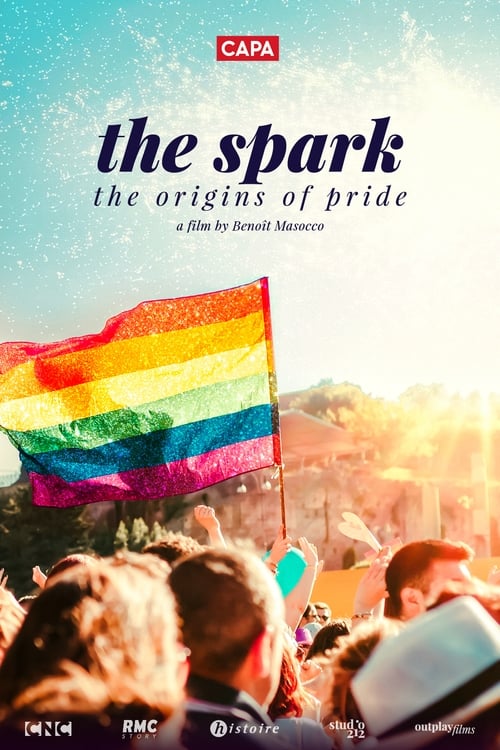
A story of the LGBT struggle from the 1960s to the present, after the Stonewall riot sparked the militant action in New York that was to spread around the world. From San Francisco to Paris via Amsterdam, between the first Gay Pride, the election of Harvey Milk, the French "decriminalization", the AIDS epidemic and the first homosexual marriages, these few decades of struggle are embodied through numerous testimonies of actors and actresses of this revolution rainbow.
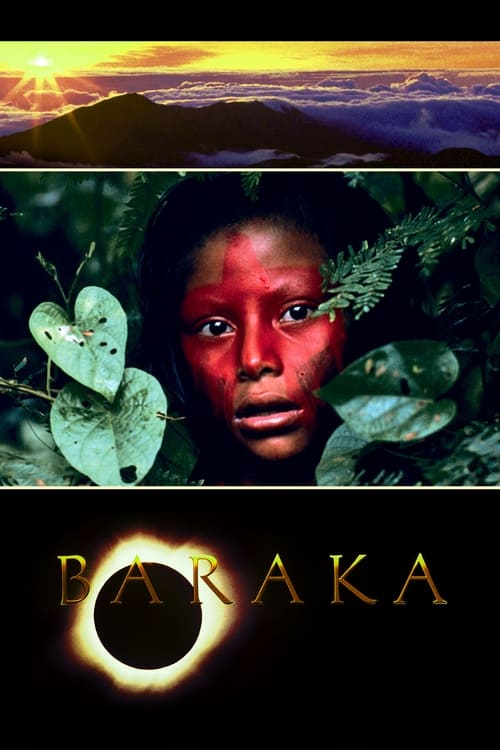
A paralysingly beautiful documentary with a global vision—an odyssey through landscape and time—that attempts to capture the essence of life.
The history of surfing is like one long ride in which surfers relay the baton to each other across the years on a single, endless wave. In order to understand how this ancestral Polynesian tradition was able to span the globe and the eras until it became a competitive sport and eventually won a place at the Olympics, we’ll plunge into its history through the exceptional stories of those who allowed it to survive and be reinvented.
Five young filmmakers share stories of their families, who were on the frontlines during the first wave of the Coronavirus. These intimate accounts shine a light on families caught in chaos and crisis, in a city hiding from a deadly virus, in a country riven by social upheaval.
In 1910, the Pennsylvania Railroad successfully accomplished the enormous engineering feat of building tunnels under New York City's Hudson and East Rivers, connecting the railroad to New York and New England, knitting together the entire eastern half of the United States. The tunnels terminated in what was one of the greatest architectural achievements of its time, Pennsylvania Station. Penn Station covered nearly eight acres, extended two city blocks, and housed one of the largest public spaces in the world. But just 53 years after the station’s opening, the monumental building that was supposed to last forever, to herald and represent the American Empire, was slated to be destroyed.
Johnny awakens as his teacher talks about liberty, only to find that everything has turned to clay. A giant hand plucks Johnny from his seat. Liberty herself has stepped down from her pedestal to teach a youngster the meaning of liberty.
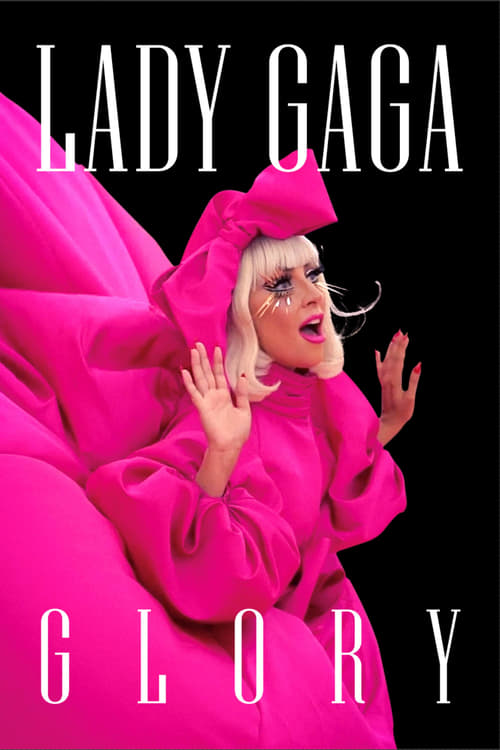
It's hard to define her. And that's precisely the way Lady Gaga wants it. Yes, Stefani Joanne Angelina Germanotta had a plan to remake herself into an outrageous icon. It began with Italian Catholic New York City roots then expanded to glam pop, electronic rock, burlesque and even jazz alongside nonagenarian crooner, Tony Bennett. Piano lessons began at age four and taught Stefani to create music by ear. There were lead roles in high school standard Broadway show productions then open mic nights at downtown clubs and 1 1/2 years of formal training at N.Y.U.'s Tisch School of the Arts. Even a rape at age nineteen slowed but did not stop the mission that would yield over 200 million combined album and song sales. No wonder that Gaga's fans call her "Monster Mother." An outrageous fashion sense has wrought costumes made of plastic bubbles and raw meat. While elaborate videos and spectacular stage sets are the norm,
The two-part documentary Pop & Passion tells of power and magic, but also of the pressure and excess that prevails in the pop business.
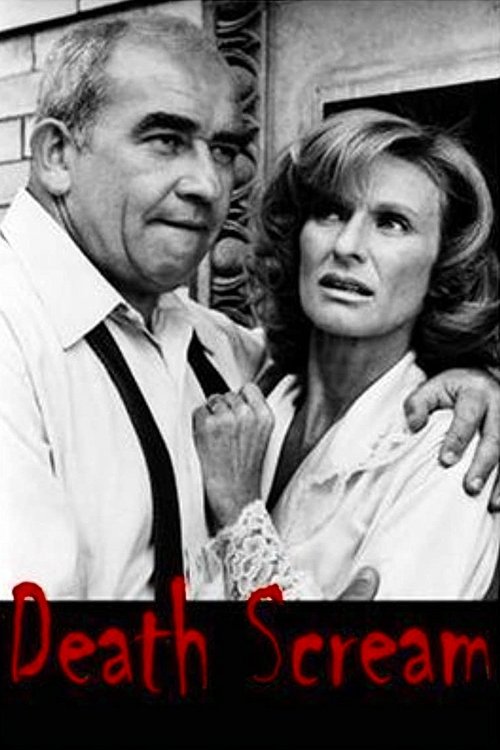
Loosely based on the true story of the killing of Kitty Genovese: A young woman's murder is witnessed by fifteen of her neighbors who do nothing to help and refuse to cooperate with the police.
Showcases the iconic landmarks and attractions of New York City, from the Brooklyn Bridge to Times Square, highlighting the city's diverse neighborhoods, cultural institutions, and bustling streets.