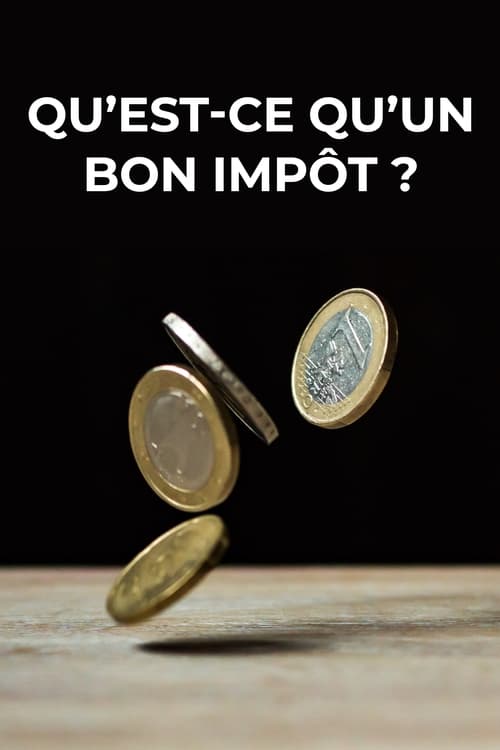
Too high, misused, unfair... a large part of the French and Europeans criticize taxes. From tax-rascal to tax revolt, the movement of yellow vests in France has returned to the center of attention the question of consent to tax. How to explain a different resistance to taxes from one country to another without tax pressure being an explanation? Is there a "good" tax? Jean Quatremer takes us on a journey to the tax center across Europe, to meet those who pay it, those who decide it, those who study it... or those who allow to avoid it.
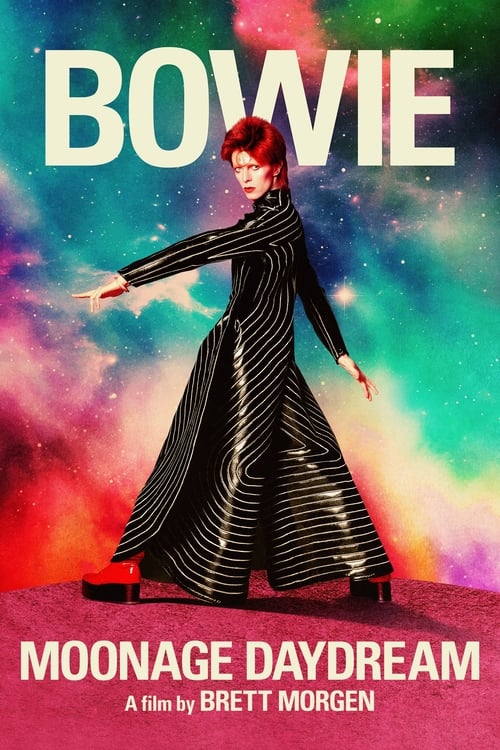
A cinematic odyssey featuring never-before-seen footage exploring David Bowie's creative and musical journey.
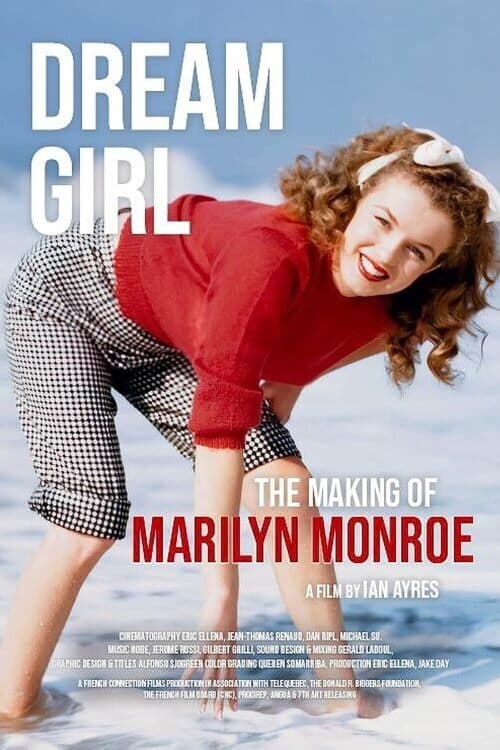
How did Marilyn Monroe become one of the greatest sex symbols of all time? What drove a prudish little Californian girl, who was not especially pretty nor exceptionally talented, to become this incredibly striking platinum blonde superstar? How did she become the icon capable of balancing innocence with raw sensuality, whilst continuing to captivate the masses to this day? How did she achieve this? And what price did she pay?
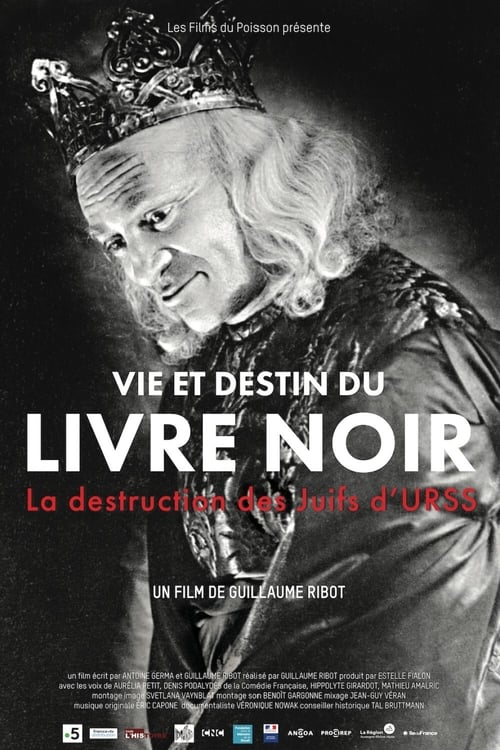
The Black Book, drafted during World War II, gathers numerous unique historical testimonies, in an effort to document Nazi abuses against Jews in the USSR . Initially supported by the regime and aimed at providing evidence during the executioners’ trials in the post-war era, the Black Book was eventually banned and most of its authors executed on Stalin’s order. Told through the voices of its most famous instigators, soviet intellectuals Vassilli Grossman, Ilya Ehrenburg and Solomon Mikhoels, the documentary, provides a detailed account of the tragic destiny of this cursed book and puts the Holocaust and Stalinism in a new light.
Between 1998 and 2005, a wave of murders targeting elderly women hit Mexico City, triggering the hunt for — and capture — of a most unlikely suspect.
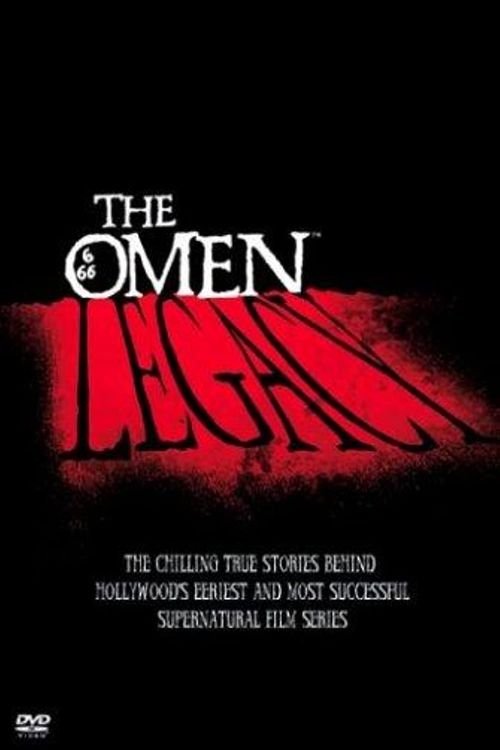
The true stories that spawned the serie tale of Damien, a small boy with an angelic face, whose very name still conjures up thoughts of Satan. This documentary shares spine-tingling information about the the all-too-memorable flick that has terrorized film audiences since 1976.
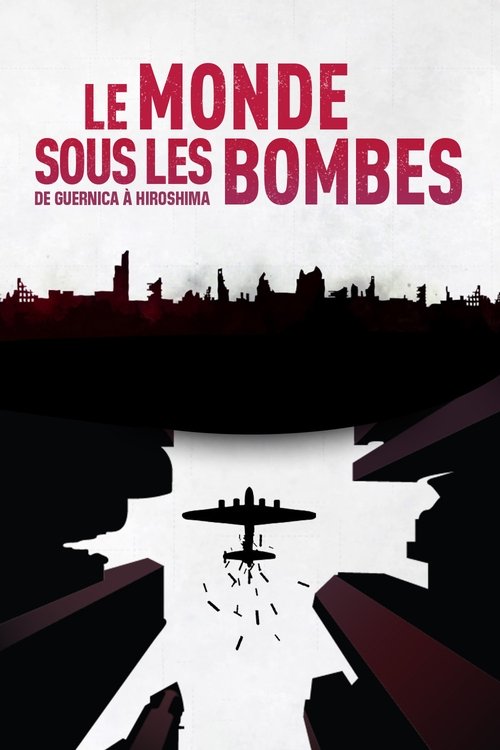
Beginning with Guernica and the Chinese cities of Chongqing and Shanghai in 1937 and ending with the bombing of Hiroshima and Nagasaki in August 1945, World War Two saw a new art of warfare in the form of extensive, worldwide bombing campaigns.
A group of children are encouraged to play in a park by two men. Some play a skipping game. One of the other children refuses and eventually runs away. Another child is fascinated by the camera and stares at it throughout, even when encouraged by one of the men to play. IN the background, traffic passes and pedestrians stroll past behind a railing on an upper level. The children wear sunhats, indicating the weather is very sunny.
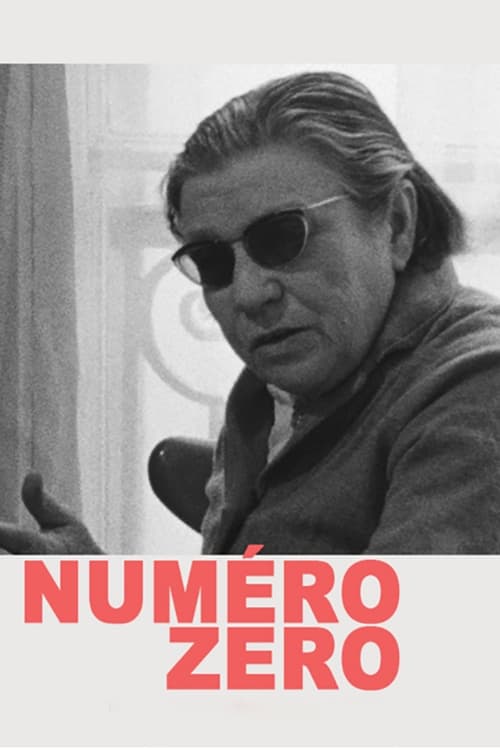
A family portrait in which the director profiles his grandmother, Odette Robert. Eustache includes in the film the conditions of its production — he is seated at the table with her, pours her some whiskey, speaks with the camera operator, manipulates the clapboard at the head and tail of the reels, and even takes a phone call. Robert, who was seventy-one, speaks rapidly and tells the story of her life, starting from her early childhood in villages in the Bordeaux region of France. A shorter version of the film ("Odette Robert") was edited in 1980 to be broadcast on television on TF1. The complete film only gained exposure in 2002, when it was salvaged by Boris Eustache, Thierry Lounas, João Bénard da Costa, Jean-Marie Straub, and Pedro Costa.
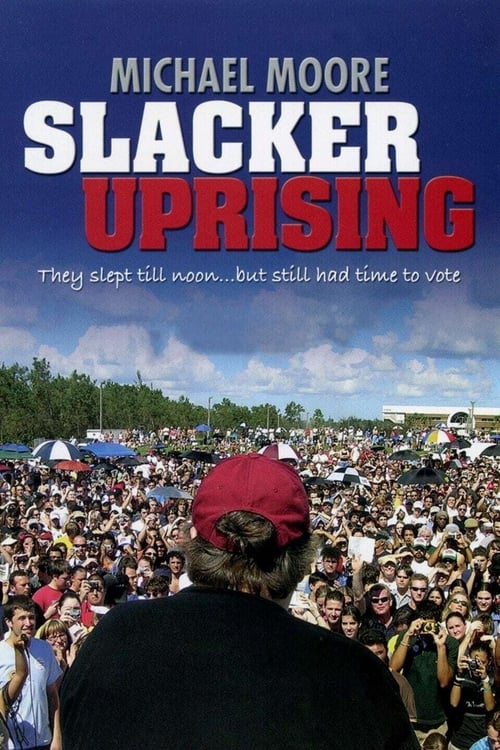
Michael Moore visits colleges in swing states during the 2004 election with a goal to encourage 18–29 year olds to vote.
No overview available.
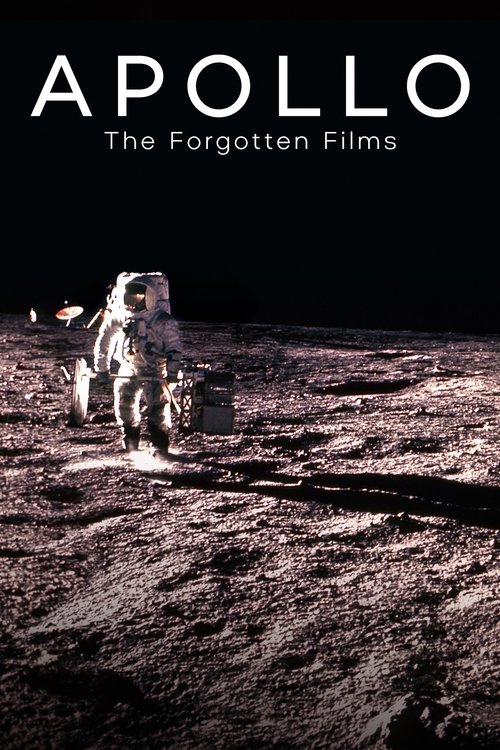
Recently discovered footage reveals the secret history of NASA's first landing on the moon, and using this brand-new evidence, former astronauts and experts challenge everything known about the Apollo missions.
Aboard a specially decorated motorhome made by Lulu, they will travel the roads of France for the first time, following "an itinerary as twisted as Lucie's spine" (sic). From the French Riviera to Mont-Saint-Michel, via the Arcachon basin, Hauts-de-France and Lot, before reaching the Champs-Elysées for a finish as prestigious as the Tour de France. On the agenda: a reunion with a fourth-grade class, funny gypsies, a haunted castle, oysters and white wine with the most famous oyster farmer, but also a few activities strongly discouraged for people with muscular dystrophy... and above all, big-hearted French people, as funny as they are generous, who offer us the best of their country through their hospitality.
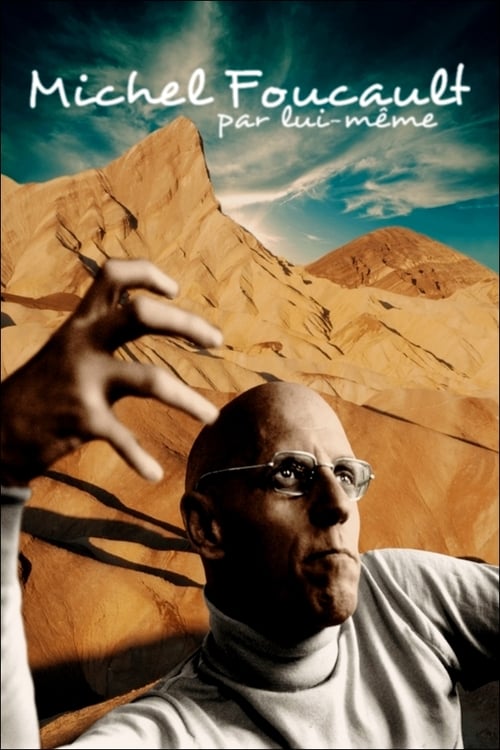
A voyage to the center of the thought of Michel Foucault (1926-1984), a tireless explorer of the margins, a brilliant and atypical thinker, through excerpts from his books and lectures, and the use of images that resonate with them.
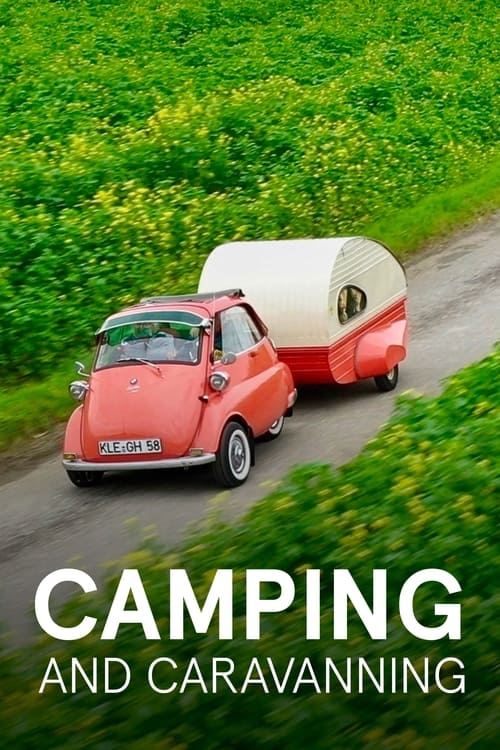
Using vintage footage, this witty documentary explores the history and sociology of camping, from its origins in English high society at the end of the 19th century, through hippy outfits and the advent of mass tourism, to contemporary 'glamping'.
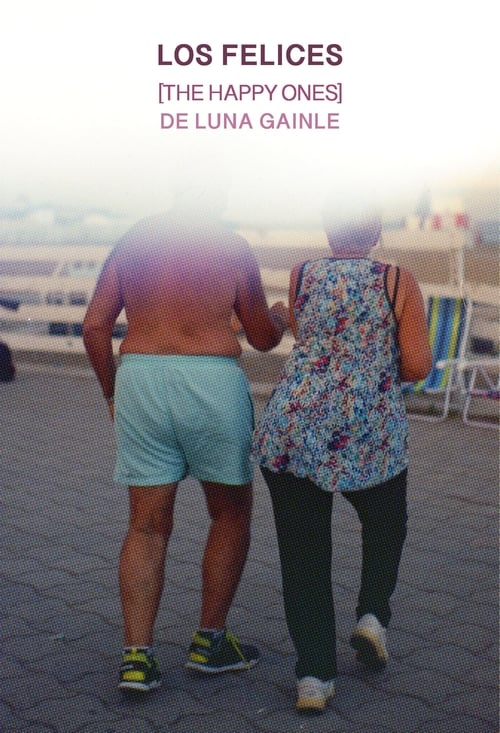
A love letter to Mar del Plata made of images, times and a road trip. "The Happy Ones" is an experimental short documentary composed of past and present family footage. It portrays a place in the summer, the city of Mar del Plata, with a span of 20 years between past and present images (January 2000 and 2020). Despite the time that passed by, it's beaches, essence and people remain, always willing to keep dancing.
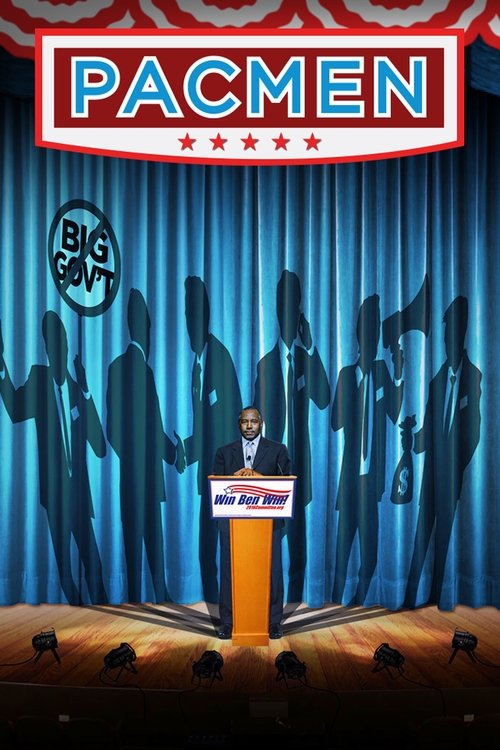
This observational documentary follows the men behind the Super-PACs that persuaded Dr Ben Carson to run for President. Believing Carson can save the Republican Party, they successfully draft him to run, raise millions of dollars and catapult him to the top of the polls. However, as Carson's political inexperience begins to show, his constant media gaffes make fundraising increasingly difficult. Donors and voters abandon Carson's campaign as wallets close, hearts open and faith is tested. As Trump inexplicably rises, the campaign descends into chaos and the PACmen begin to wonder - did they pick the wrong savior?
Charlie, Wendy and Holly are joined by Regis, Jocelyne and Armelle investigate the naturist opportunities on Corsica. They visit the lovely seaside resorts of Bagheera and Villata with their splendid beaches and numerous facilities, before heading to the mountainous resort of U Furu where waterfalls and sparkling pools provide enchanting delight.
Documentary film investigating allegations of election fraud during the 2004 U.S. presidential election. Electronic voting machines count approximately 90% of America's votes in county, state and federal elections. The technology is also increasingly being used across the world, including in Canada, the United Kingdom, Europe and Latin America. The film uncovers incendiary evidence from the trash cans of Texas to the ballot boxes of Ohio, exposing secrecy, votes in the trash, hackable software and election officials rigging the presidential recount.Ultimately proving our votes can be stolen without a trace "Hacking Democracy" culminates in the famous 'Hursti Hack'; a duel between the Diebold voting machines and a computer hacker from Finland - with America's democracy at stake.
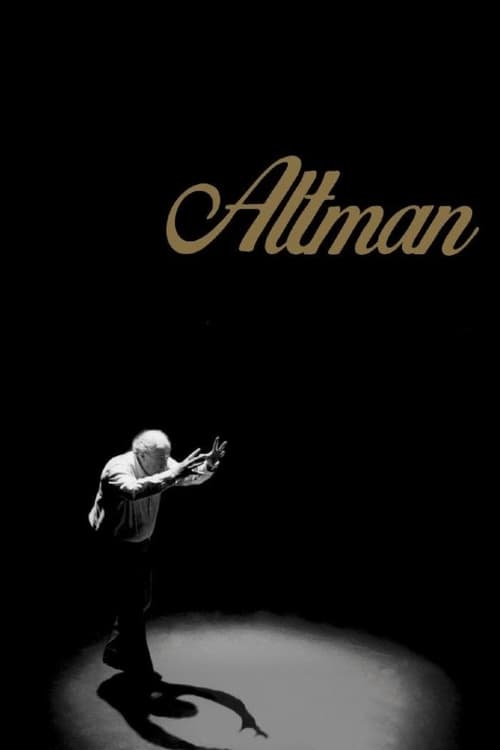
Robert Altman's life and career contained multitudes. This father of American independent cinema left an indelible mark, not merely on the evolution of his art form, but also on the western zeitgeist. With its use of rare interviews, representative film clips, archival images, and musings from his family and most recognizable collaborators, Altman is a dynamic and heartfelt mediation on an artist whose expression, passion and appetite knew few bounds.
No Trailers found.
Self