No Trailers found.
Ji-gyeong
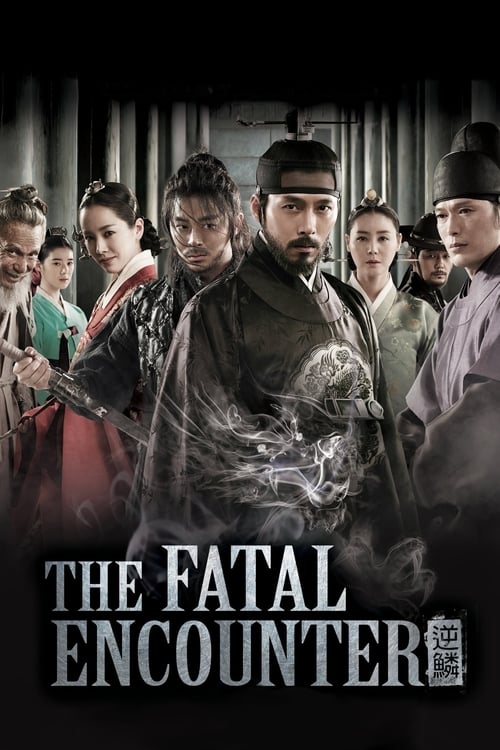
Late 18th-century Joseon dynasty. The King is beleaguered and surrounded by traitors of the ruling elite. They plan to assassinate and replace him with a puppet. But the King has some aces up his sleeve that may help him defeat them all.
Refusing to allow fate to decide whom she must marry, Princess Songhwa decides to find her own husband. She seeks the help of a man to interpret her marital harmony with four men she wishes to marry.
During a time of poverty and despair in the Joseon Dynasty of Korea, a satirical street play that pokes fun at the ruling class while giving a prophecy of ‘a new leader to save the world’ becomes immensely popular among the people. The author of the fable, Heung-boo, subsequently gains fame around the country and is sought after by both the oppressive political power and the rebellion leader who want to use his name and talent for their differing agendas.
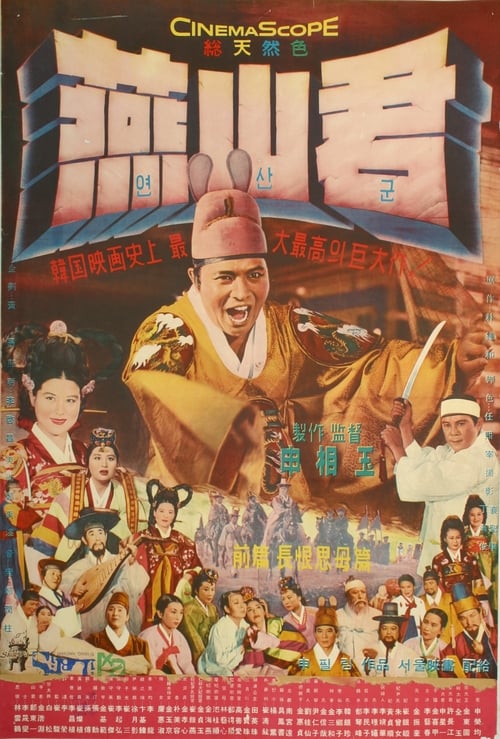
Two clowns living in Korea's Chosun Dynasty get arrested for staging a play that satirizes the king. They are dragged to the palace and threatened with execution but are given a chance to save their lives if they can make the king laugh.
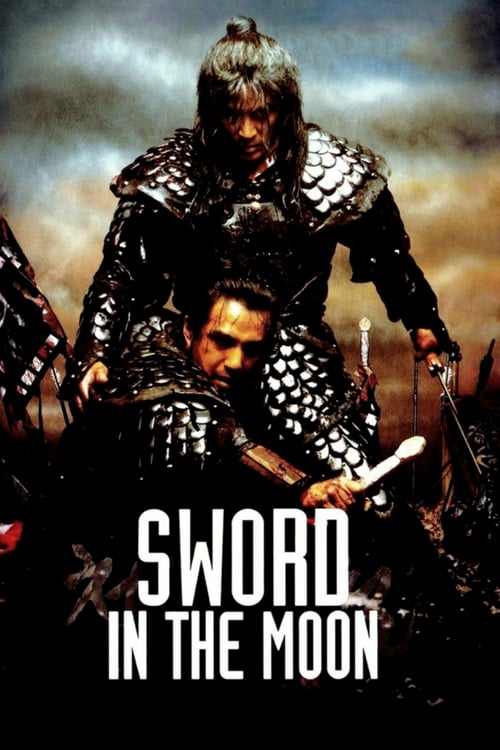
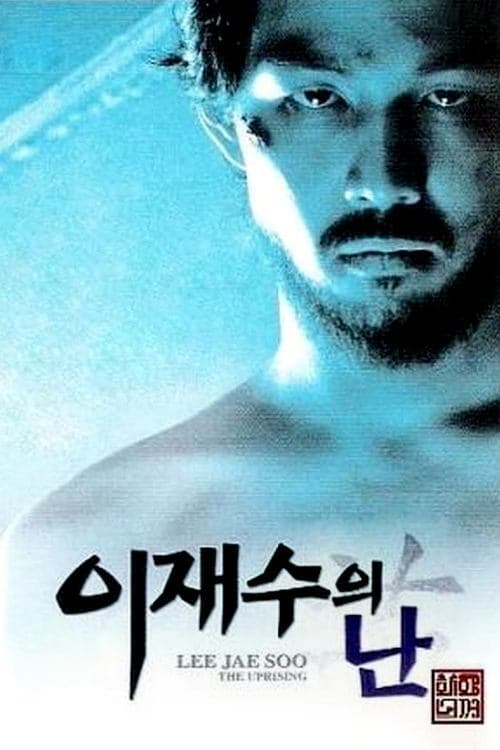
Lee Mong-hak and a skilled blind swordsman Hwang Jeong-hak, both long to wipe away corruption and heal the world. Lee Mong-hak creates a rebel army to achieve his goal and get rid of the King.
At the end of the Joseon Dynasty, shortly after the Eulsa Treaty has been forced to be concluded by Ito Hirobumi and the pro-Japanese courtiers, Japan pressures King Gojong to step down from the throne. Meanwhile, An Jung-geun, who is cultivating men of ability at Samheung school, is deeply impressed by a speech made by An Chang-ho, and heads for Russia to volunteer the army fighting for independence of the country. As both a lieutenant general of the Korean militia and a commander of the Korean expeditionary force in Manchuria, he carries on the independence movement in defiance of Japanese coercion.
In 1862, amidst the rule of the late Joseon dynasty in Korea, a band of fighters named Kundo rise against the unjust authorities.
There was Goo Ma-jeok before there was Kim Doo-han. Goo Ma-jeok had the strongest power in all of Joseon. He was the boss of Umigwan and a legendary man from the streets of Jongno. A new 'Age of Wild Men' begins.
When King Cheol-jang dies, the throne passes to his son King Ko-jang but, because he is considered to be too inexperienced, his ambitious uncle rules as regent. The rightful king's wife, the politically brilliant Queen Min, refuses to accept this situation and brings about the uncle's exile in order to secure the throne.
Queen Min makes regent Prince Daewon withdraw from ruling with the help of the Min Seung-ho Party.
No overview available.
In a time of political and social unrest in 19th century Korea, uncouth, self-taught painter Jang Seung-up explores his natural talent amidst the repressive world around him.
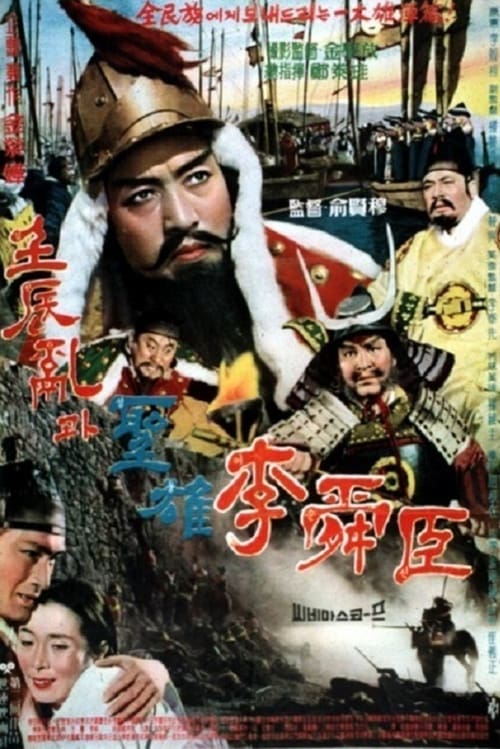
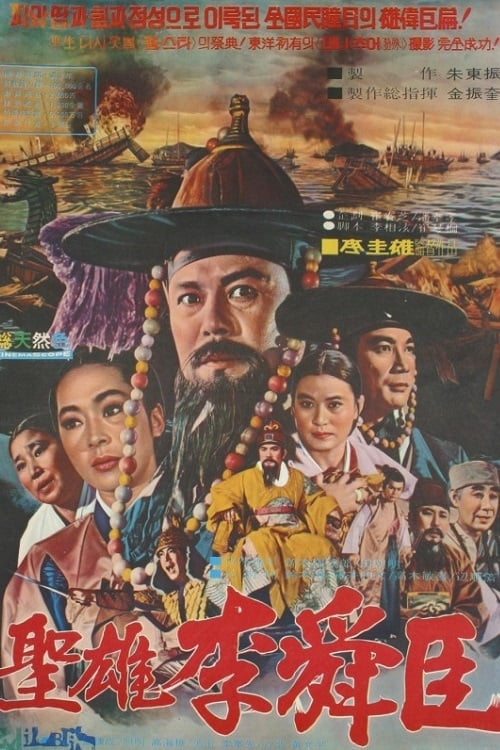
Admiral Yi Sun-sin faces a tough challenge when he is forced to defend his nation with just 13 battleships against 300 Japanese enemy ships in the Battle of Myeongryang.
Kingdom of Joseon, ancient Korea. A usurper has conquered the throne. His ministers are being systematically eliminated by a mysterious assassin. An arrogant master swordsman is in charge of putting an end to the carnage.
Tragedy, betrayal and a mysterious discovery fuel a woman's vengeance for the loss of her tribe and family.
In the Joseon Dynasty, two friends who grew up together — one the master and one the servant — reunite post-war as enemies on opposing sides.
After being blinded in a coup against the king, Joseon's greatest swordsman goes into hiding, far removed from his city's anguish. But when traffickers kidnap his daughter, he has no choice but to unsheathe his sword once more.
Ancient Korea, 1728. Swordsman Kim Ho, guard of King Yeong-jo of Joseon, is demoted and sent to work in Uigeumbu prison. When night falls, the prison is assaulted by the master warrior Do Man-cheol and his powerful henchmen for the purpose of freeing Lee In-jwa, who has been condemned to death for rising up in revolt against the king.
The film chases a historical event when King Jungjo tried to replace hispersonal revenge on those who killed his father Sado, the Crown Prince, with agreat cause to build up a nation for its people, which eventually leads to remind the lessons of history that repeat permanently like a Mobius strip. The film seems to aim to introduce the uniqueness of Uigwe with a historical yet futuristic value as a World Heritage on the surface, but in fact, it pursues torestore audio-visually the immaterial thing that remains only as a record under the name of feast. Inside the device receiving images, there might have been desires to reproduce the world or to secularize the invisible from the beginning. Hungry TV will awaken the potential to visualize all the intangible via digitaltechnology. So to speak, there is digital technology, and it is followed by aquestion: How far the digital technology of 21st century would lead this deviceto?
The Imjin War reaches its seventh year in December of 1598. Admiral Yi Sun-shin learns that the Wa invaders in Joseon are preparing for a swift withdrawal following the deathbed orders of their leader Toyotomi Hideyoshi. Determined to destroy the enemy once and for all, Admiral Yi leads an allied fleet of Joseon and Ming ships to mount a blockade and annihilate the Wa army. However, once Ming commander Chen Lin is bribed into lifting the blockade, Wa lord Shimazu Yoshihiro and his Satsuma army sail to the Wa army's rescue at Noryang Strait.