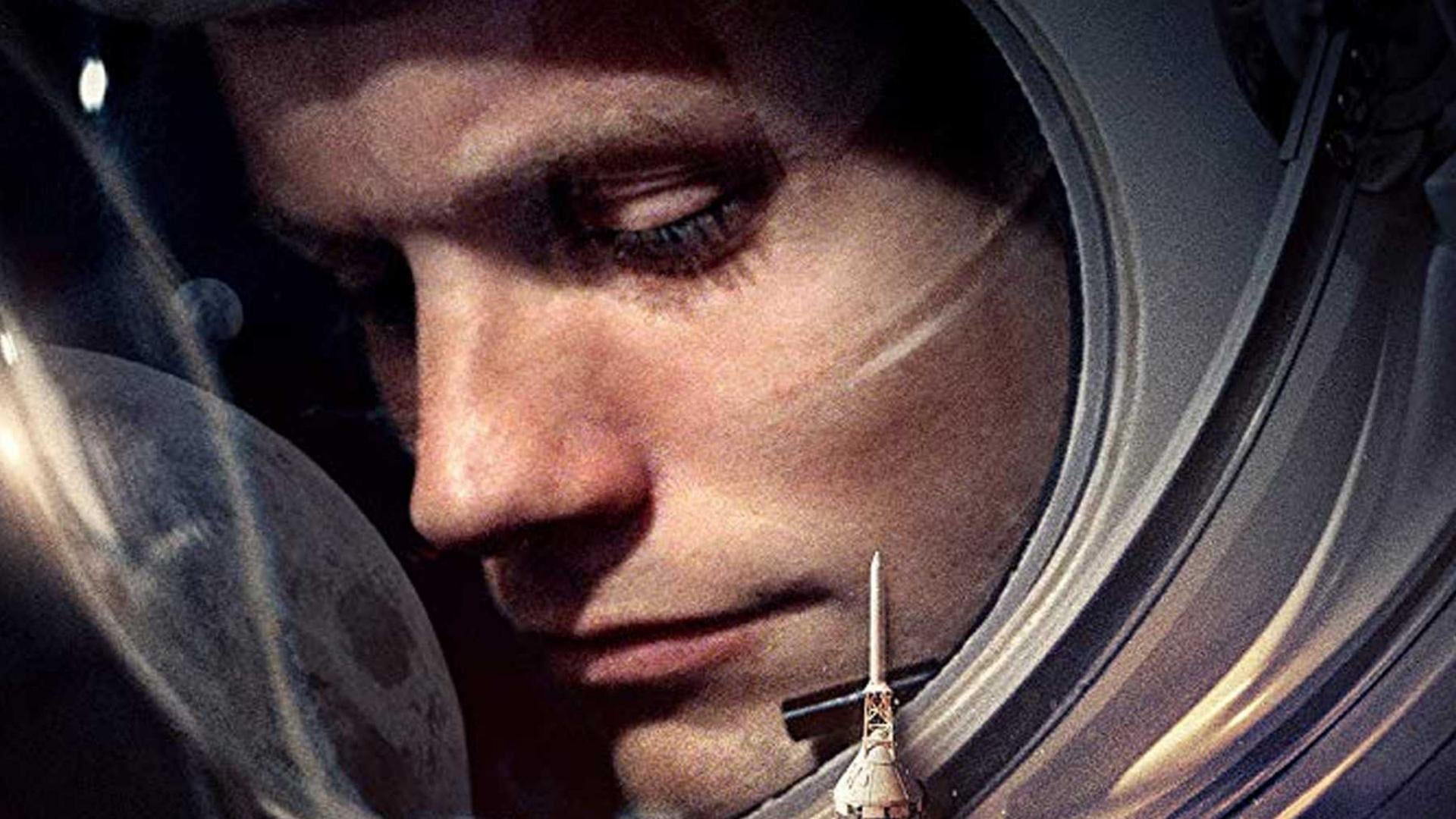
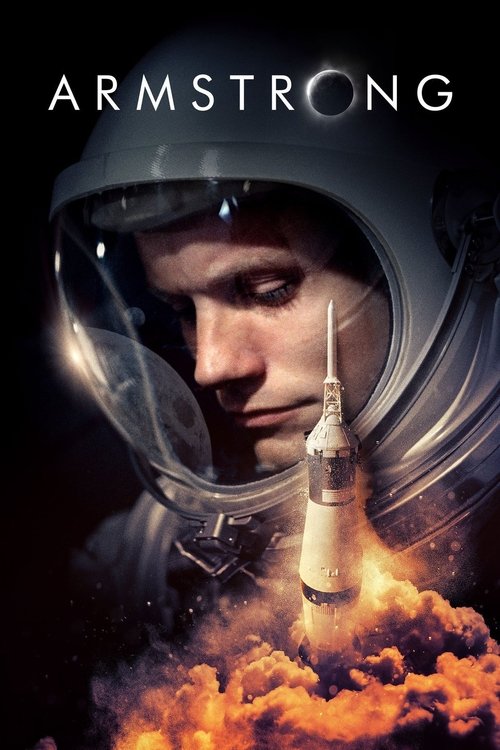
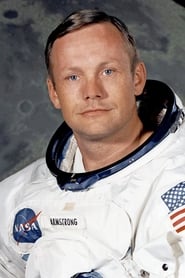
Dramatic, moving and deeply human, ARMSTRONG offers the definitive life story of Neil Armstrong: from his childhood in Ohio to his first steps on the Moon, and beyond.
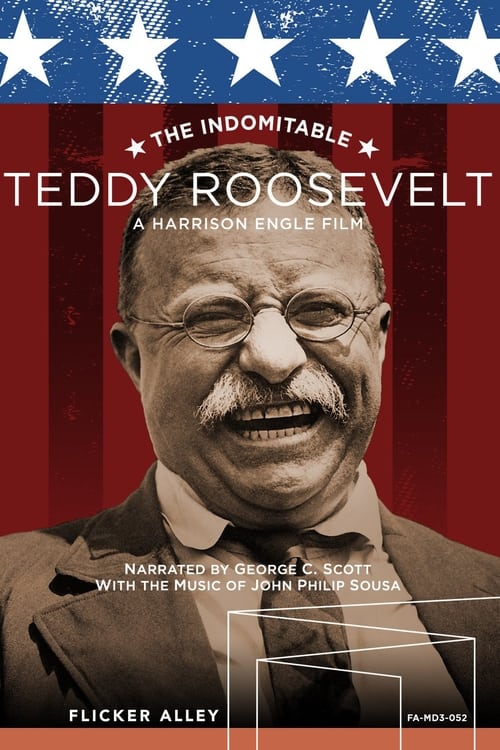
Theodore Roosevelt was America's 26th president and a larger-than-life legend whose incredible story must be seen to be believed. Narrated by George C. Scott, this documentary weaves extremely rare archival footage with meticulous recreations alongside the music of John Philip Sousa in a dynamic panorama of the great events of Teddy Roosevelt in the early years of the 20th century.
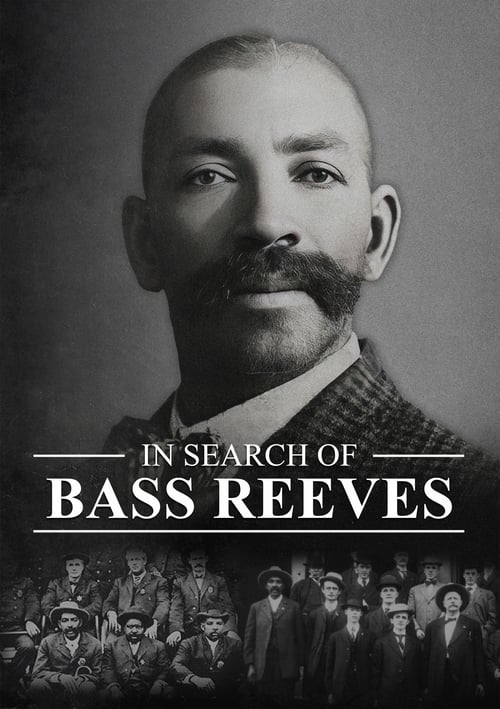
By the end of his illustrious career, Deputy U.S. Marshal Bass Reeves may well have been the preeminent lawman of the Old West. He brought upwards of 3,000 outlaws to justice and served in law enforcement for 32 years during Reconstruction after the Civil War. His story is one of an escape to freedom and the dangers of the West for a former slave who rose to become a legend of the law. Join us as we go in search of Bass Reeves.
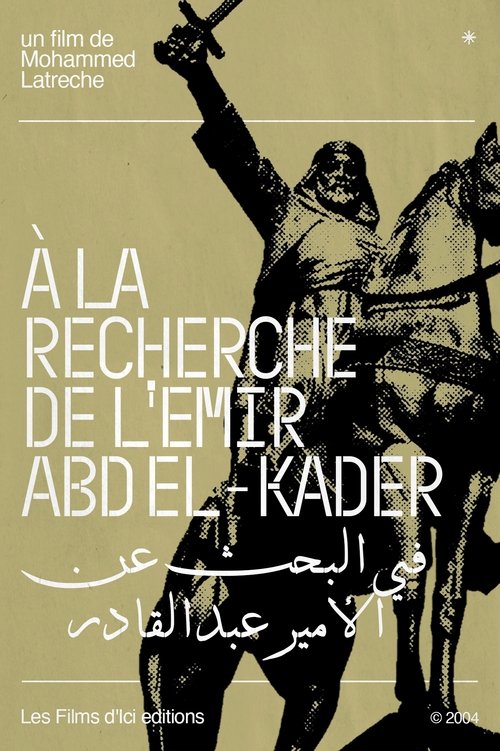
Abdelkader ibn Muhieddine (Arabic: عبد القادر بن محي الدين (ʿAbd al-Qādir ibn Muḥyiddīn), also known as Emir Abdelkader, or Abdelkader El Djezairi (Abdelkader the Algerian), born September 6, 1808 in El Guettana, in the regency of Algiers, and died on May 26, 1883 in Damascus, then in the Ottoman Empire and in present-day Syria, is an Algerian emir, religious and military leader. Barely 20 years old, he federates the tribes and led a struggle against the conquest of Algeria by France in the middle of the 19th century.After his surrender, he was held captive in France before going into exile in Syria where he devoted himself to poetry and established great relations friendship with Paris, which showered him with honors after having intervened in favor of the persecuted Christians in Syria, he intervened by force to protect the Christian families who came to take refuge in large numbers in the Algerian district. of certain death.
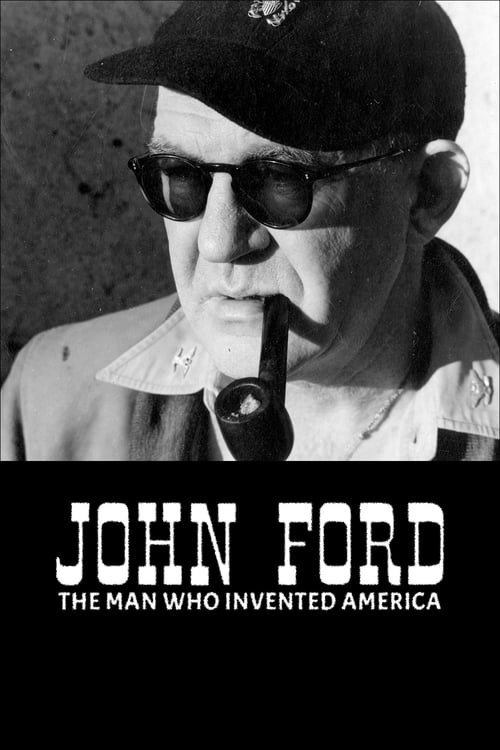
Over a 50-year career and more than a hundred movies, filmmaker John Ford (1894-1973) forged the legend of the Far West. By giving a face to the underprivileged, from humble cowboys to persecuted minorities, he revealed like no one else the great social divisions that existed and still exist in the United States. More than four decades after his death, what remains of his legacy and humanistic values in the memory of those who love his work?
No overview available.
In 2018, when Juraj Jakubisko celebrated his 80th birthday, his students from the Miroslav Ondříček Film Academy in Písek, led by director and composer Patrik Ulrich, decided to pay tribute to him with a 30-minute documentary. The documentary focuses on three of the artist's key activities: film, visual arts and teaching. Quite a lot has been written and filmed about Jakubisko's film work, so the most interesting part of the film is a unique insight into Jakubisko's artistic world. For example, the protagonist shows us the pages of his cartoon diary. Jakubisko's collaborators, including his wife Deana and cameraman F. A. Brabec.
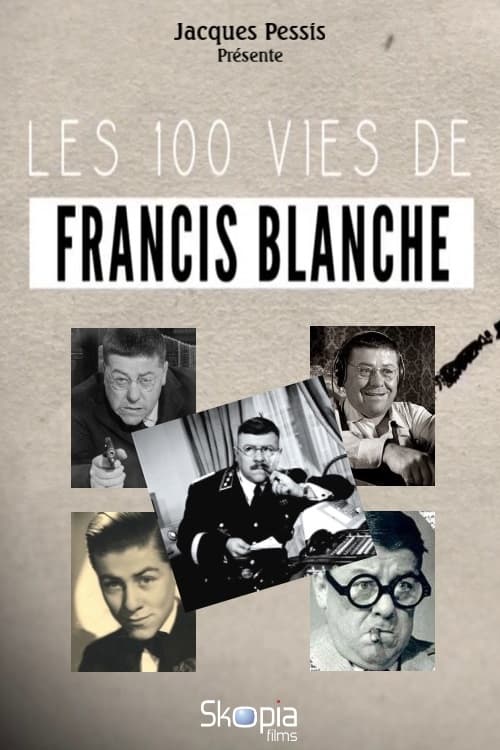
Comedian, actor, author, director and emblematic figure of the French stage and cinema of the 50s and 60s, Francis Blanche liked to change register, moving from radio to writing to television and cinema, living more than "hundred lives".
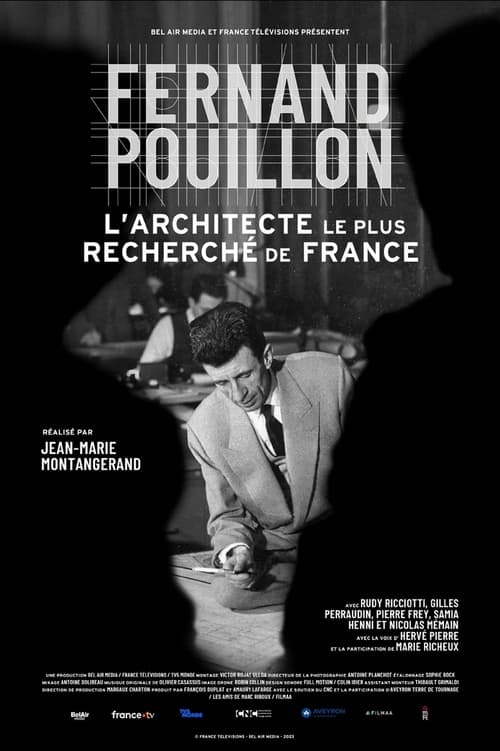
The work of Fernand Pouillon, "France's most wanted" architect after being imprisoned and mysteriously escaping in the 1960s, now seems to have faded into the background. However, in 50 years he has built more than 5 million square meters, mainly between France and Algeria, at a frantic pace, traveling tens of thousands of kilometers per week, by propeller plane, to go to construction sites. at night or at dawn between Marseille, Paris, Algiers or in the middle of the desert, until you burn your wings. Among others, Fernand Pouillon decided to build houses for the most modest.
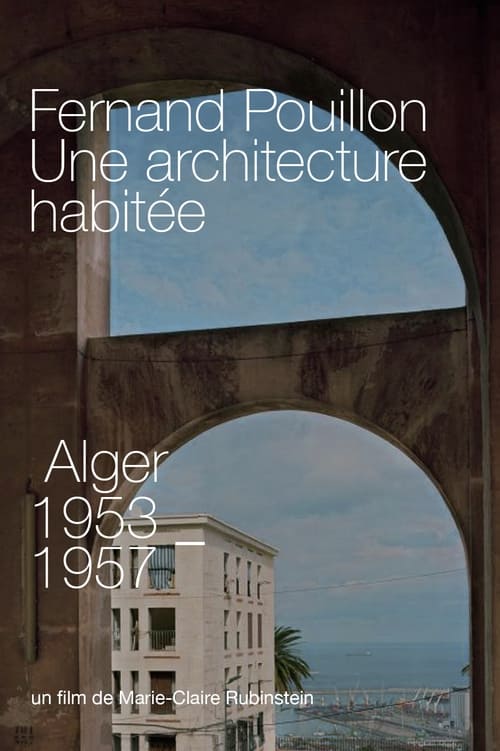
In this documentary, Marie-Claire Rubinstein reveals to us, through the testimonies of the inhabitants who live there, the architectural achievements of the French urban planner Fernand Pouillon in Algiers. In particular the vast complexes of hundreds of social housing units, including the most famous Diar E Saâd (1953), Diar El Mahçoul (1954) and Climat de France (1957). The historical context, during the war of independence is related by the historian Benjamin Stora and Nadir Boumaza. This documentary also evokes the personality of Fernand Pouillon in a post-colonial context.
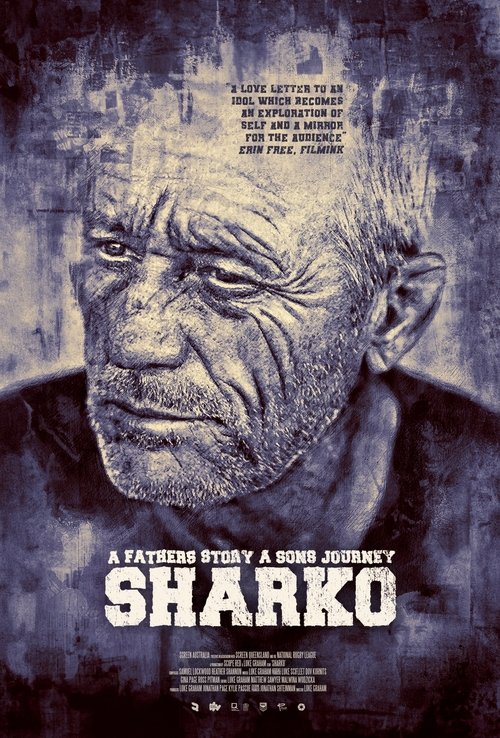
Widely regarded as one of the greatest Rugby League players ever, kiwi hard-man Mark Graham was feared off and, on the field, though little knew the real man or the destruction behind his success. SHARKO, portrays an intimate look at the life of a father, a son and the cost of greatness.
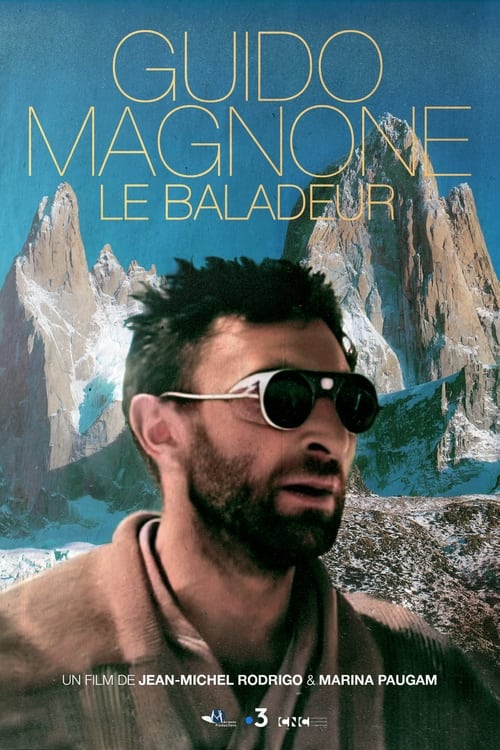
Guido Magnone's incredible adventure begins strangely on the banks of the Ourcq canal among a group of kids who dream of swimming. Guido, the solitary son of "rital", dives to get noticed, succeeds, takes a liking to it, breaks his first record, collects medals. At the same time, he draws, attends the Beaux-Arts, is accepted with open arms and befriends the sculptors César and Féraud. At the end of the war, during a health stay in Chamonix, it is love at first sight for the mountains, climbing. Guido's ascent is now dizzying. He stormed the west face of the Drus, then the Fitzroy and the Tour de Mustagh, summits reputed to be impossible. He rubs shoulders with the greatest, Lionel Terray, Maurice Herzog, and participates in the Makalu expedition, camera in hand, or those of Jannu and Chacraraju. Later, in his fifties, Guido hangs up the carabiners and participates in the foundation of the UCPA
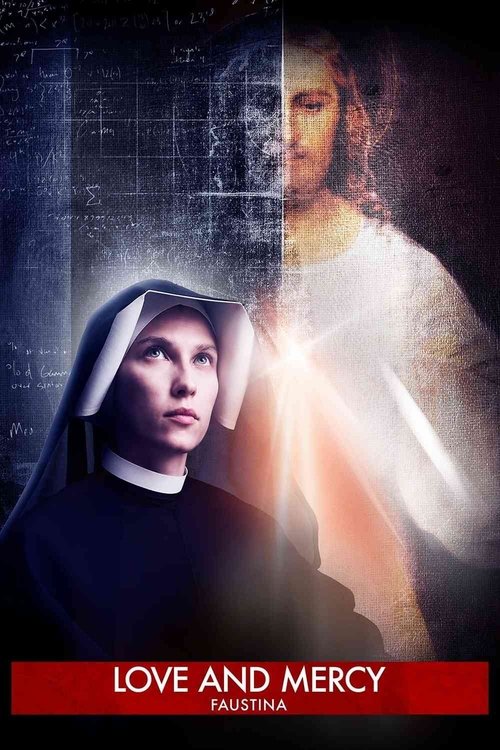
Docudrama tracing the life of Saint Faustina Kowalska, whose visions of Jesus Christ inspired the Roman Catholic devotion to the Divine Mercy and earned her the title of "Apostle of Divine Mercy".
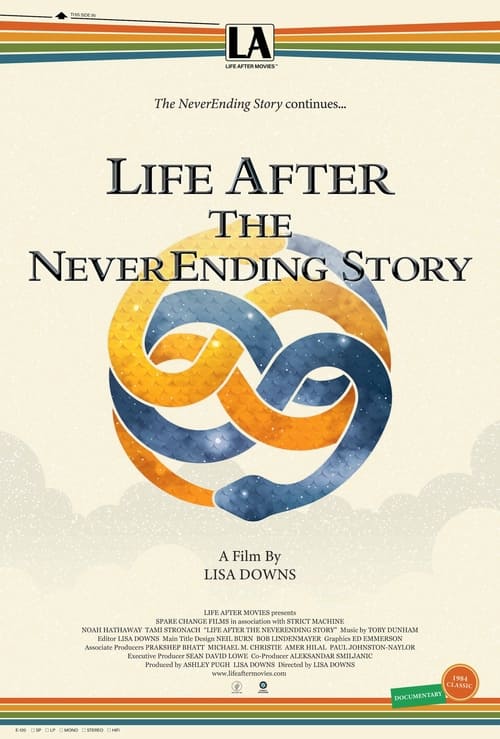
A feature documentary celebrating Wolfgang Petersen's 1984 classic The NeverEnding Story via cast and crew interviews, whilst exploring the lives of stars Noah Hathaway and Tami Stronach since those breakthrough roles.
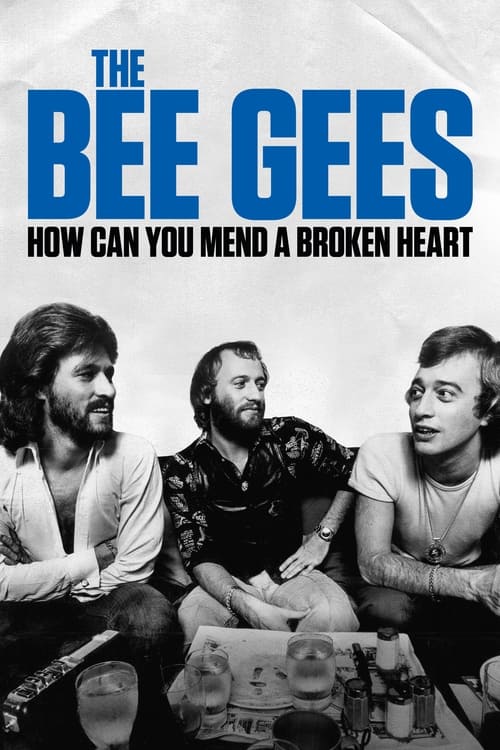
The story of the triumphs and hurdles of brothers Barry, Maurice, and Robin Gibb, otherwise known as the Bee Gees. The iconic trio, who found early fame in the 1960s, went on to write over 1,000 songs and have 20 No. 1 hits throughout their career, transcending more than five decades of changing tastes and styles.
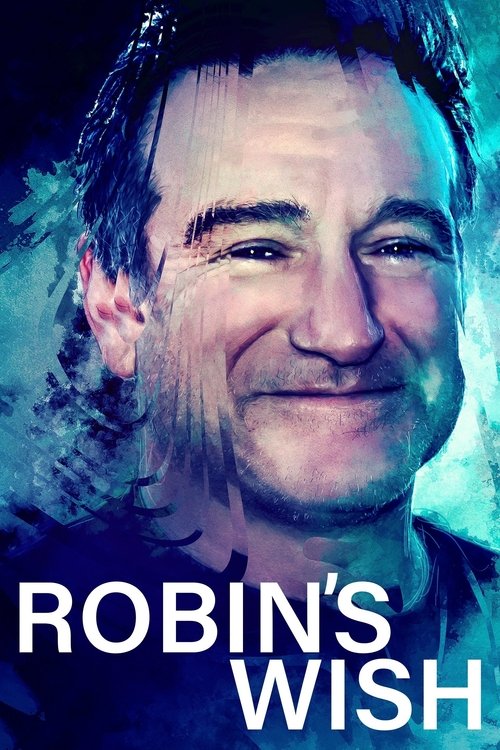
The final word in the story of what really happened to Robin Williams at the end of his life, focusing on his fight against a deadly neurodegenerative disorder known as Lewy body dementia.
An unparalleled portrait of Arthur Miller (1915-2005), a major writer who left an indelible mark on the world. Miller's life is intimately connected with the great themes that marked the 20th century. Glamour, fame, social criticism and Marilyn Monroe.
The personal stories lived by the Uncle, the Father and the Son, respectively, form a tragic experience that is drawn along a line in time. This line is comparable to a crease in the pages of the family album, but also to a crack in the walls of the paternal house. It resembles the open wound created when drilling into a mountain, but also a scar in the collective imaginary of a society, where the idea of salvation finds its tragic destiny in the political struggle. What is at the end of that line? Will old war songs be enough to circumvent that destiny?
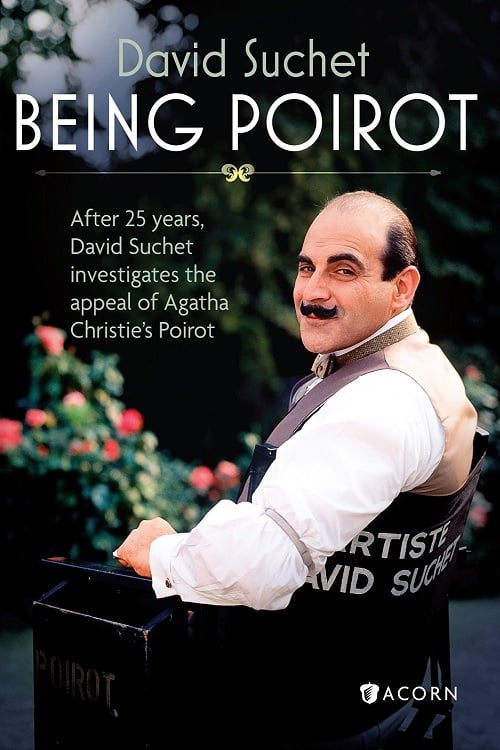
After 25 years playing Hercule Poirot, British actor David Suchet explores the enduring appeal of his most legendary character.
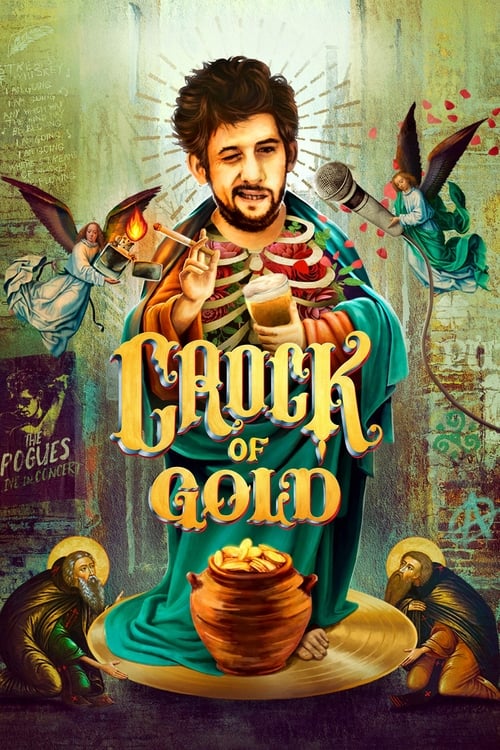
A celebration of the Irish punk/poet Shane MacGowan, lead singer and songwriter of The Pogues, that combines unseen archive footage from the band and MacGowan’s family with original animations.
Self (archive footage)
Narrator (voice)
Himself
Trailer