No Trailers found.
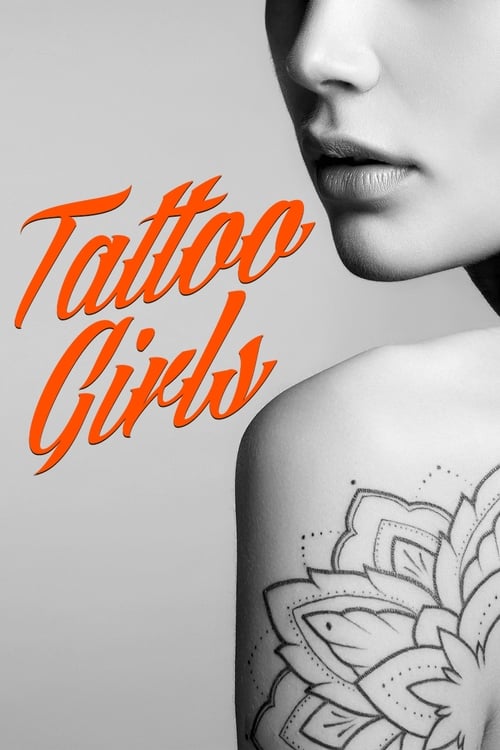
Tattoo girls is a memoir of life as it is and of women as they are. A window to the lives of seven women from the same city where nothing is exactly as it seems and reality is often hidden behind illusions. It's a female centric-film showcasing about a group of ordinary women (within a range of ages), and their different styles of daily life, showcasing their stories and the impact they have on society as real, everyday women. We are living in a era of the importance and empowerment of women throughout the world, and this documentary aims to convey ideas and topics to be felt, absorbed and discussed.
How do white South Africans deal with their fears of crime and violence? Like crocodiles, some survive without evolving, living with their fears. Others make fear their friend and evolve in ways you'd never imagine.
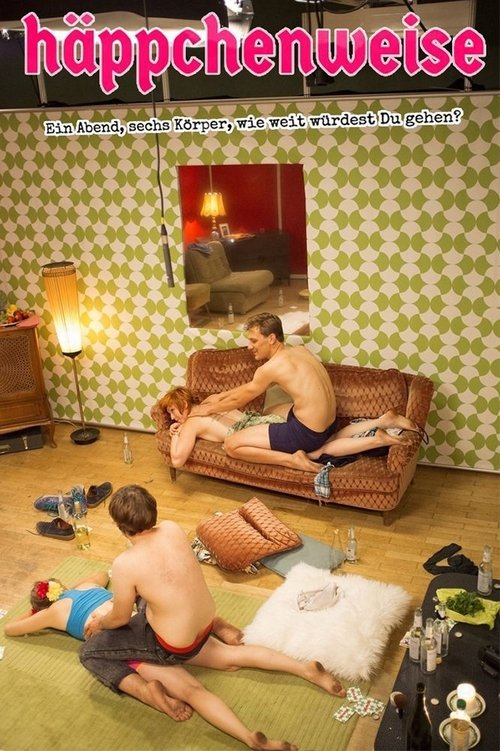
Six people, one room, one night, one game, a lot of sensuality and much to discover. A Film that shows how bodies and minds might meet when allowed to. Get involved within a stimulating experiment, somewhere between aesthetic statement and real venture, between pornographic art and the attempt to reposition sexuality within dialogue and actions.
Jeffery Robinson's talk on the history of U.S. anti-Black racism, with archival footage and interviews.
a film about memories & showering.
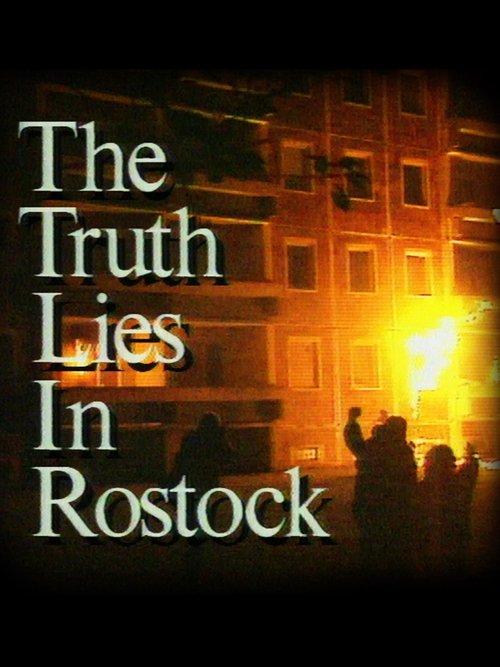
August 1992, Rostock-Lichtenhagen. The police look on as fascists bomb the Central Reception Center for Refugees (ZAST) and a hostel for Vietnamese contract workers with Molotov cocktails. A montage of video footage shot from the attacked houses, interviews with anti-fascists, the Vietnamese contract workers, the police, bureaucrats, neo-Nazis and local residents. A documentary about the collusion of politics and widespread fear.
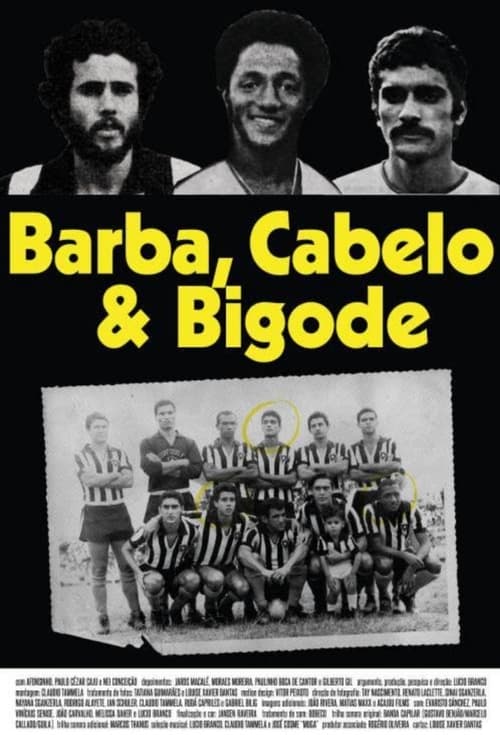
Afonsinho, Paulo Cézar Caju and Nei Conceição started their careers in the mid-1960s, a time of strong political repression in Brazil. Originally teammates of a celebrated generation of the Botafogo football team superstars, they did not give up their freedom when the military dictatorship decided to take control of the field.
Flora, 30, is a French geneticist. She analyzes what is transmitted or not between generations. She lost her parents who were fervent Maoists within the proletarian Left from the end of the 1960s. She must now sort through her parents' apartment: what to choose to keep or not from their memory?
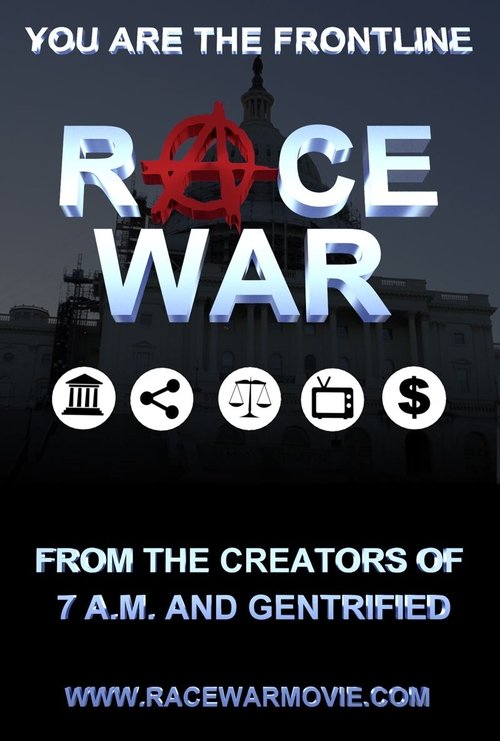
The explosive documentary from Black Channel Films daring to ask the question "Is it still just racism or is it a race war?" NOW IS THE TIME TO ASK IS IT STILL JUST "RACISM" OR IS IT A RACE WAR? RACE WAR IS THE FIRST DOCUMENTARY IN HISTORY THAT EXAMINES EVERY LEVEL OF AMERICAN SOCIETY TO EXPLORE THE MOST EXPLOSIVE ISSUE FACING AMERICA ALL OF OUR YESTERDAYS . . . AND TOMORROW.
A documentary film that follows the lives of first-generation retired immigrants living in Finland.
No overview available.
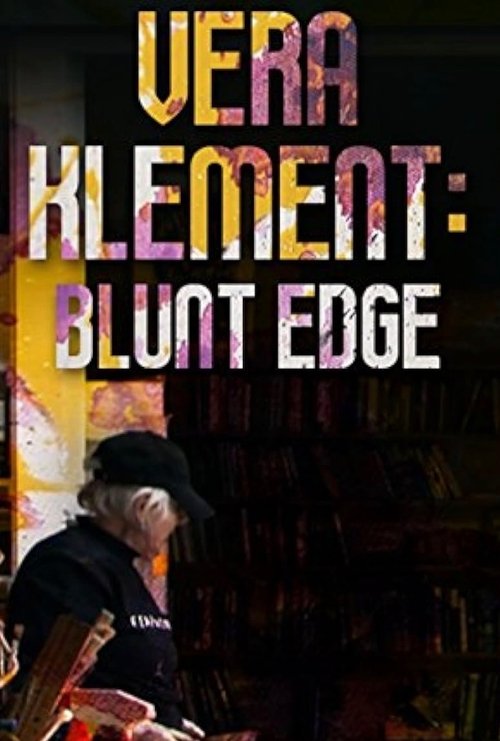
As her 80th birthday is approaching, Vera Klement, an oil painter in Chicago, adamantly starts yet another new figure painting: a portrait of an artist under oppression, an homage to Russian composer, Dmitri Shostakovitch.
Houda al-Habash, a conservative Muslim preacher, founded a Qur'an school for girls in Damascus, Syria when she was just 17 years old. Every summer, her female students immerse themselves in a rigorous study of Islam, in addition to their secular schooling. A surprising cultural shift is underway-women are claiming space within the mosque, a place historically dominated by men. Challenging tradition, Houda insists education for women is a form of worship. Using Qur'anic teachings, she encourages her students to pursue higher education, jobs, and public lives, while remaining committed to an interpretation of Islam prioritizing women's role as wives and mothers. In a world rarely seen, The Light In Her Eyes tells the story of a leader who challenges the women of her community to live according to Islam, without giving up their dreams. Shot right before the uprising in Syria erupted, the film is an exclusive look at a social movement thriving in a country controlled by a repressive regime
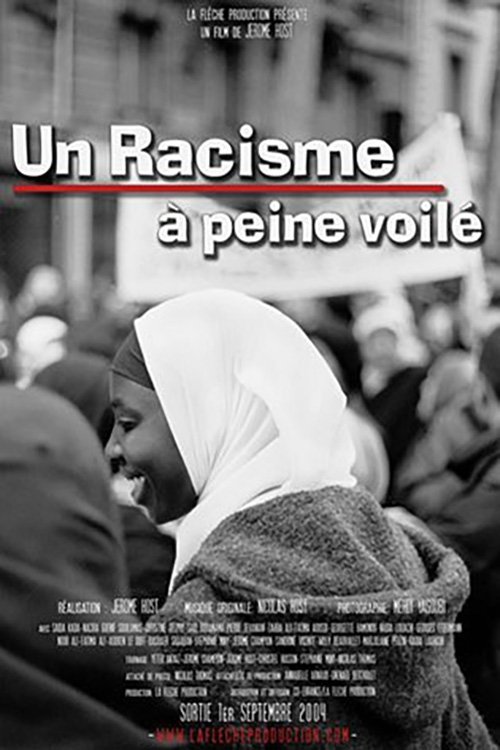
October 2003, Alma and Lila Levy are excluded from the Lycée Henri Wallon in Aubervilliers solely because they were wearing a headscarf. What follows is a deafening political and media debate, justifying in most cases the exclusion of girls wearing head-scarves to school. February 2004, a law was eventually passed by the National Assembly. "A thinly veiled racism" is about this controversy since the affair of Creil in 1989 (where two schoolgirls were excluded for the same reasons) and attempts to "reveal" that maybe what hides behind is the desire to exclude these girls. This film gives them a voice as well as others - teachers, community activists, feminists, researchers - gathered around the group "A School for You-All" fighting for the repeal of this law they consider sexist and racist ... This movie was censured in Septembre 2004 in France.
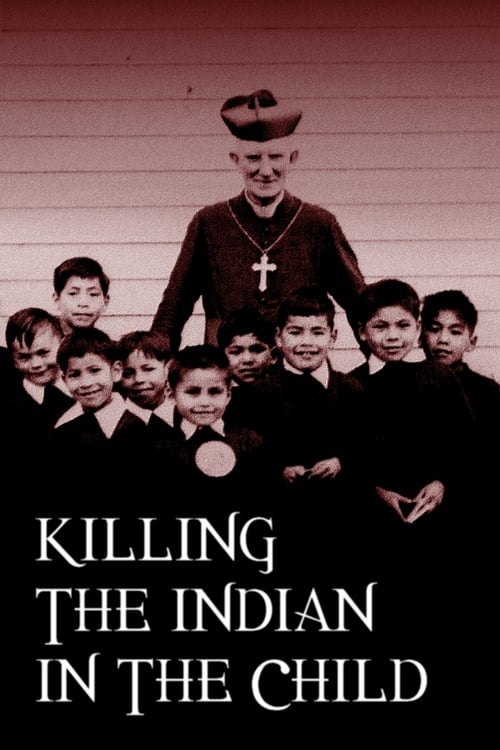
The Indian Act, passed in Canada in 1876, made members of Aboriginal peoples second-class citizens, separated from the white population: nomadic for centuries, they were moved to reservations to control their behavior and resources; and thousands of their youngest members were separated from their families to be Christianized: a cultural genocide that still resonates in Canadian society today.
In 1946, Isaac Woodard, a Black army sergeant on his way home to South Carolina after serving in WWII, was pulled from a bus for arguing with the driver. The local chief of police savagely beat him, leaving him unconscious and permanently blind. The shocking incident made national headlines and, when the police chief was acquitted by an all-white jury, the blatant injustice would change the course of American history. Based on Richard Gergel’s book Unexampled Courage, the film details how the crime led to the racial awakening of President Harry Truman, who desegregated federal offices and the military two years later. The event also ultimately set the stage for the Supreme Court’s landmark 1954 Brown v. Board of Education decision, which finally outlawed segregation in public schools and jumpstarted the modern civil rights movement.
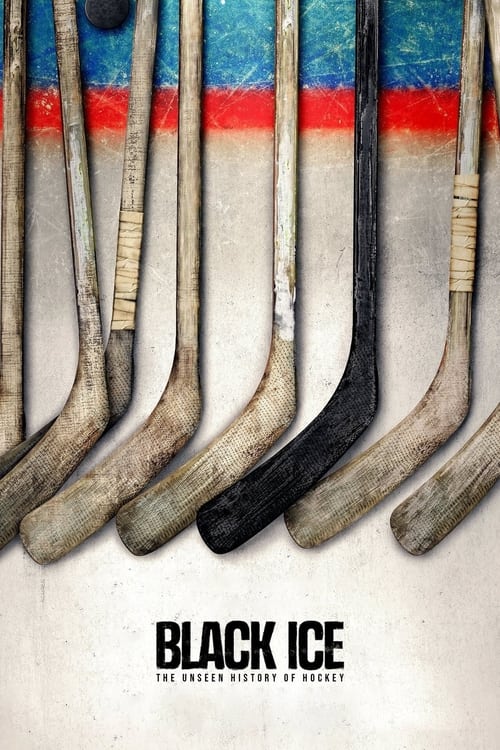
This incisive, urgent documentary examines the history of anti-Black racism in hockey, from the segregated leagues of the 19th century to today’s NHL, where Black athletes continue to struggle against bigotry.
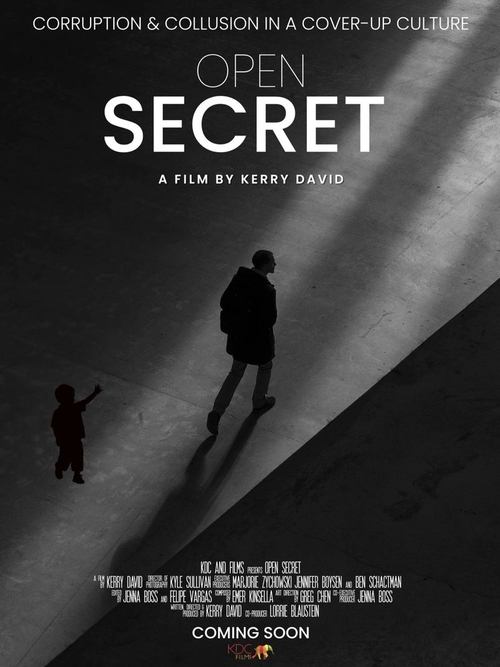
This riveting documentary investigates allegations of systemic racism and child sexual abuse in the New Hanover School District.
Voix Commentaires