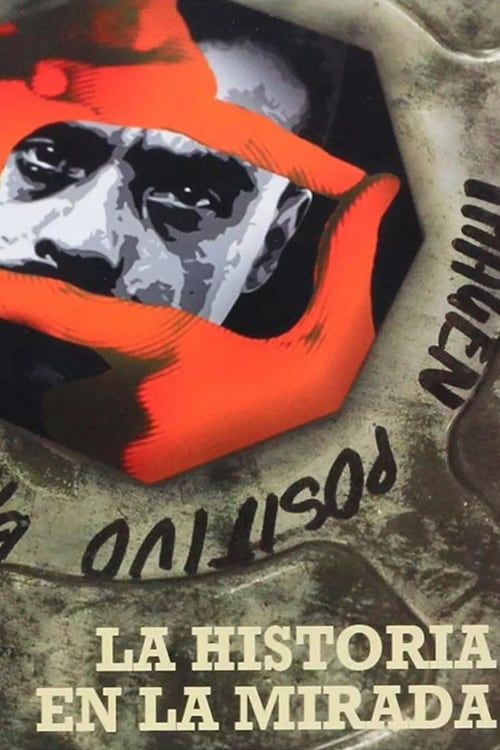
An emotional journey through the film archives of the Mexican Revolution, ranging from Venustiano Carranza's administration to the creation of the PNR party by Plutarco Elias Calles.
No Trailers found.
No Cast found.
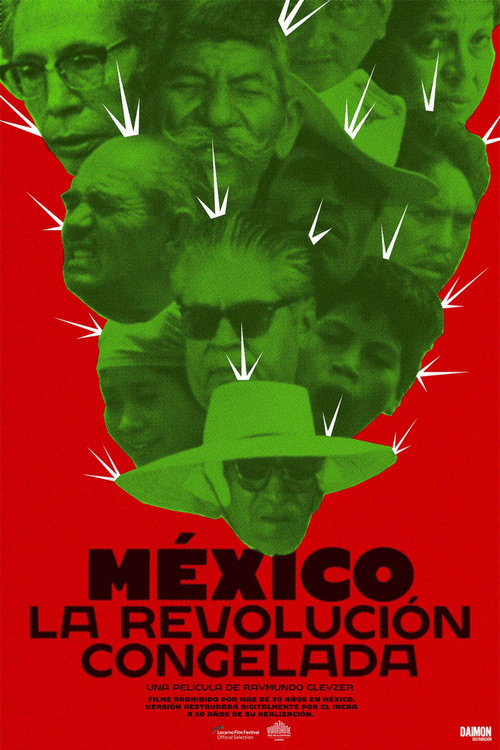
A thorough analysis of the socio-politics of Mexico, within the historical context of the Mexican Revolution reality. Includes footage from the 1910s, interviews with farmers, politicians, intellectuals, middle class, union, etc, as well as scenes from the life of an Indian family in Chiapas, their religious rituals, their crops, trials and bilingual schools. The film ends with the slaughter in the Plaza de Tlatelolco in 1968, during the infamous Olympics.
A documentary of exceptional historical value featuring actual footage captured by Jesús H. Abitia, who witnessed the pivotal events of the Mexican Revolution firsthand. In scenes brimming with realism, Madero, Porfirio Díaz, General Obregón, Lázaro Cárdenas, and other key figures in our history parade before the eyes of the viewer, who, captivated, finds themselves transported to the heart of the Mexican Revolution to experience firsthand the events that unfolded in the country between 1913 and 1917.
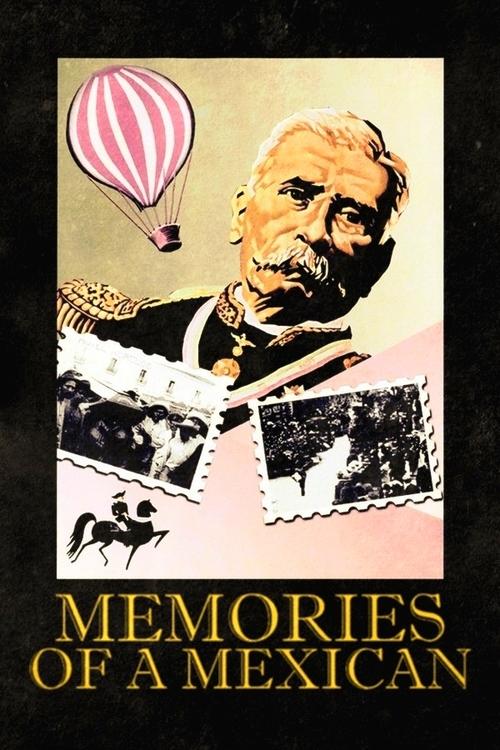
A history of the Mexican Revolution (1910-17), narrated through the striking images of the enormous film archive of Salvador Toscano (1872-1947), pioneer of Mexican cinema, compiled by his daughter, Carmen Toscano.
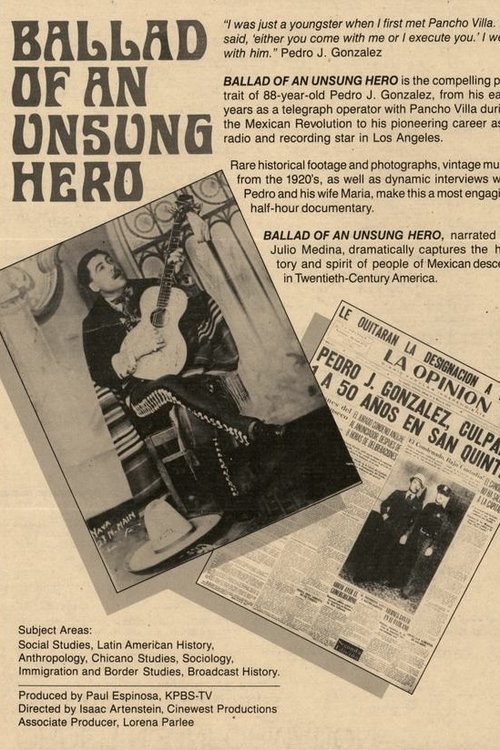
Using rare historical footage, vintage musical recordings, and interviews with 88-year-old Pedro J. Gonzalez and his wife, this film chronicles Gonzalez’s long and colorful life, from his early days with Pancho Villa during the Mexican Revolution, to his career as a popular radio personality in Los Angeles in the 1930s, to the controversial court case that sent him to San Prison, a victim of the repressive forces operating against the Chicano/Mexicano community during that period.
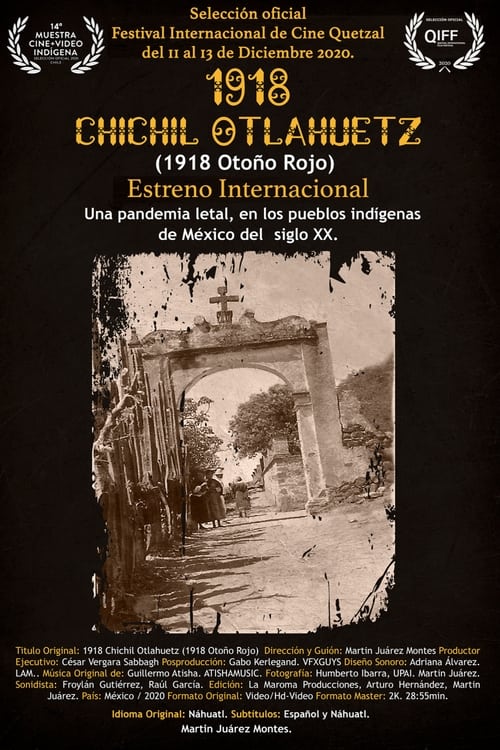
Historical heritage documentary about the disease that, 100 years ago, occurred during and after the Mexican Revolution. This film presents real testimonies of this cruel pandemic in the indigenous peoples of Mexico in the 20th century.
The Storm That Swept Mexico tells the gripping story of the Mexican Revolution of 1910, the first major political and social revolution of the 20th century. The revolution not only changed the course of Mexican history, transforming economic and political power within the nation, but also profoundly impacted the relationships between Mexico, the U.S. and the rest of the world.
Chapter 3 of the series 18 decades of life in Mexico in the twentieth century. Images of the cultural, social and political life in Mexico between 1910 and 1914, and the beginning of the major armed conflict that marked the future of the Mexican nation.
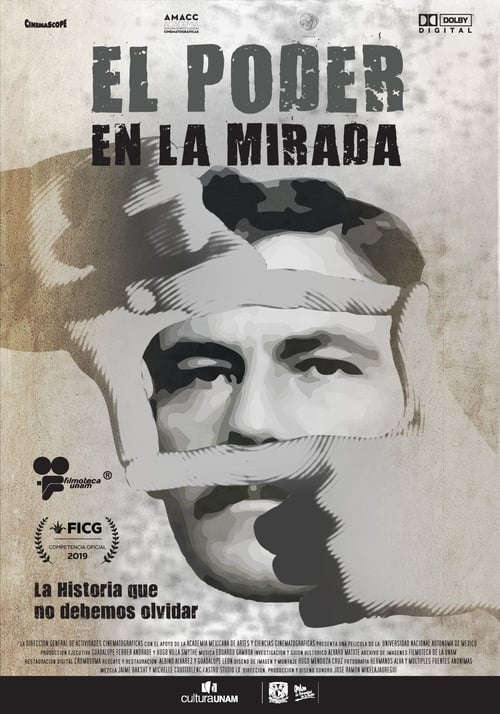
The film portraits the stage previous to the outbreak of the Mexican Revolution, from the end of Porfirio Díaz´ government, the social volatility, the ephemeral government of Madero and the presence of the working class in the figures of Villa and Zapata, until the signing if the Constitution of 1917. All of this through moving images, filmed during those events mainly by the Alva brothers, filmmakers of that time. Those images let us perceive the contradictory and shuddered glance of the people of that period.
Chapter 4 of the series 18 decades of life in Mexico in the twentieth century. Images of the cultural, social and political life in Mexico between 1915 and 1919.
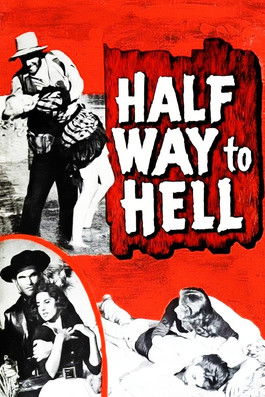
Maria San Carlos, the only daughter of a wealthy landowner, is betrothed to Escobar, a General in the Mexican Revolution, but she does not love him. Escobar sends a mixed gang of Americans and Mexicans to capture her and bring her to him. Complications ensue when an American cowboy, who had been hitching a ride with Maria's entourage and has his gold stolen by the gang, pursues them across the desert.
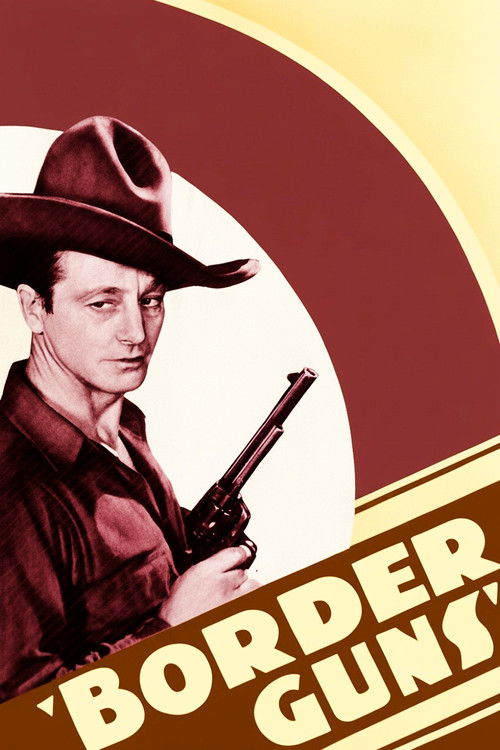
A cowboy drifting around the border gets mixed up with Mexican revolutionary gun smuggling when he becomes friends and rivals with the chief smuggler.
Tita, who lives on a ranch in Mexico, falls in love with a boy, Pedro, who lives nearby; but when they want to get married, Tita's family prevents it, because she must remain single to take care of her mother.
Tita is passionately in love with Pedro, but her controlling mother forbids her from marrying him. When Pedro marries her sister, Tita throws herself into her cooking and discovers she can transfer her emotions through the food she prepares, infecting all who eat it with her intense heartbreak.
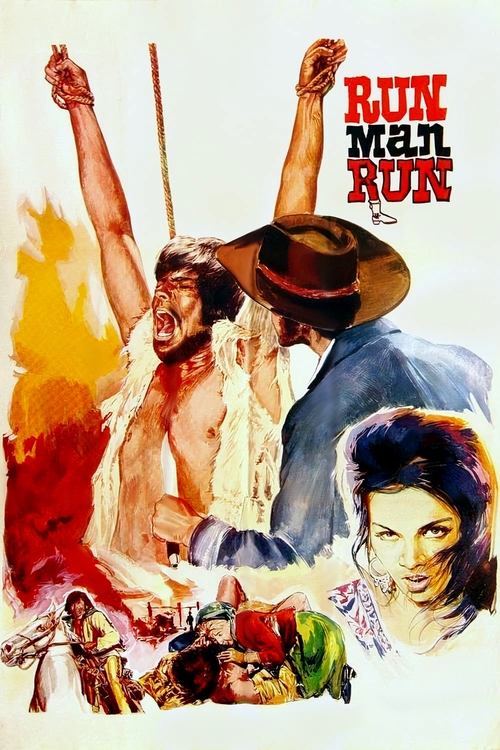
The legendary Tomas Milian stars as Cuchillo, a knife-throwing thief on the run from murderous bandits, sadistic American agents, his hot-blooded fiancée and a sheriff turned bounty hunter, all of whom are gunning for a hidden fortune in gold that could finance the Mexican Revolution.
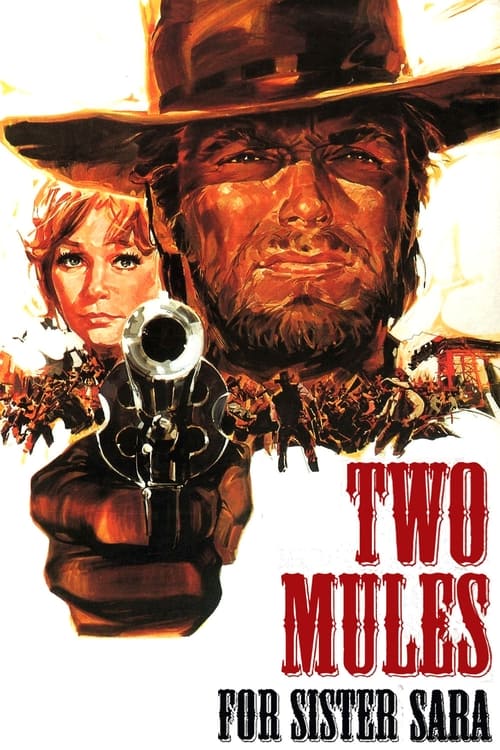
When a wandering mercenary named Hogan rescues a nun called Sister Sara from the unwanted attentions of a band of rogues on the Mexican plains, he has no idea what he has let himself in for. Their chance encounter results in the blowing up of a train and a French garrison, as well as igniting a spark between them that survives a shocking discovery.
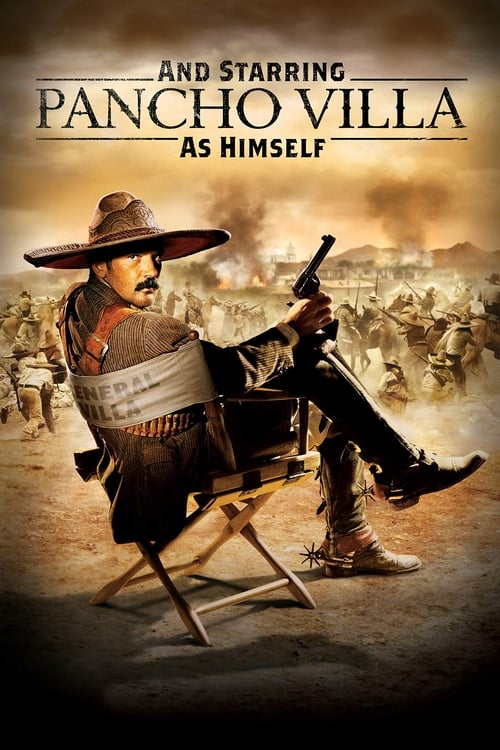
In 1914, the Mexican revolutionary Pancho Villa invites studios to shoot his actual battles against Porfírio Diaz army to raise funds for financing guns and ammunition. The Mutual Film Corporation, through producer D.W. Griffith, interests for the proposition and sends the filmmaker Frank Thayer to negotiate a contract with Pancho Villa himself.
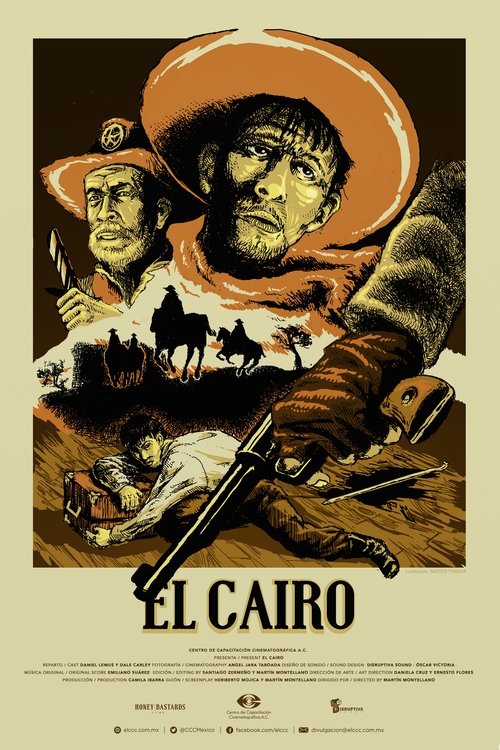
Mexico 1926. Durazo is an outlaw and a former revolutionary. He is getting at the end of the quest for a coveted treasure. His mission will be interrupted by an unexpected meeting, which will define his life.
The story of Mexican revolutionary Emiliano Zapata, who led a rebellion against the corrupt, oppressive dictatorship of president Porfirio Díaz in the early 20th century.
Biographical south-of-the-border cowboy western adventure thriller of Mexican revolutionary leader Pancho Villa
Pulled into the Mexican Revolution by his own greed, Texas gunrunner and pilot Lee Arnold joins bandit-turned-patriot Pancho Villa and his band of dedicated men in a march across Mexico battling the Colorados and stealing women's hearts as they go. But each has a nemesis among his friends: Arnold is tormented by Fierro, Villa's right-hand-man; and Villa must face possible betrayal by his own president's naiveté