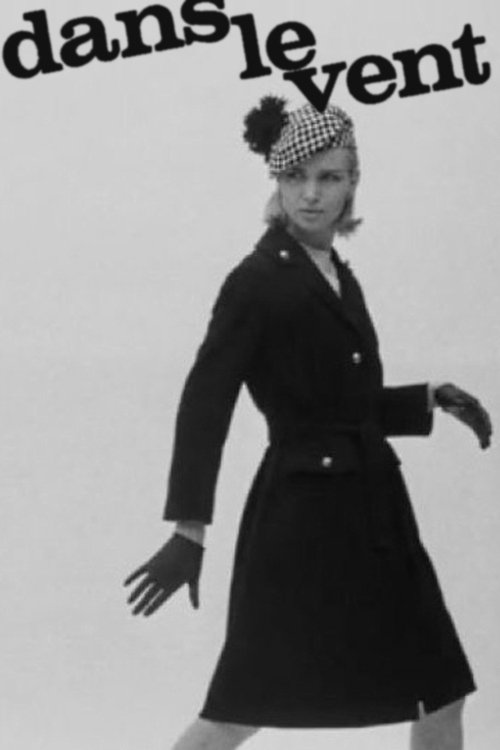
Short subject on how fashion is created-- not by the great couturiers, but on the street.
No Trailers found.
Narrator (voice)
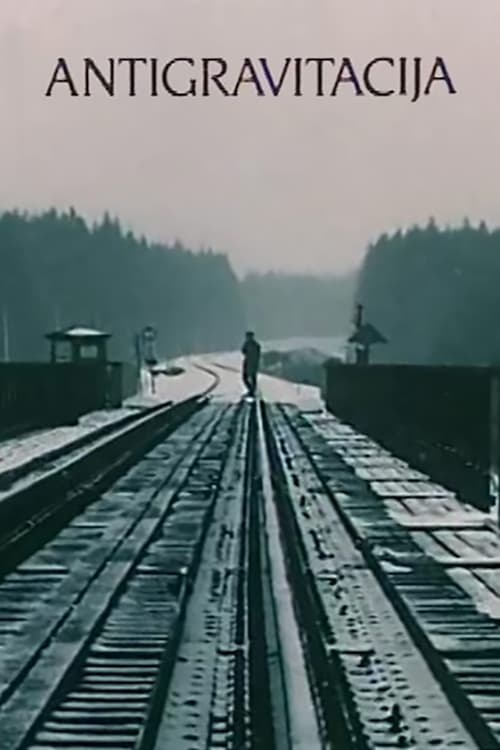
An isolated village in the Lithuanian countryside. Seated in her house, an elderly woman recites an old folk story. Then she climbs up the tall ladder that takes her to the rooftop of the church.
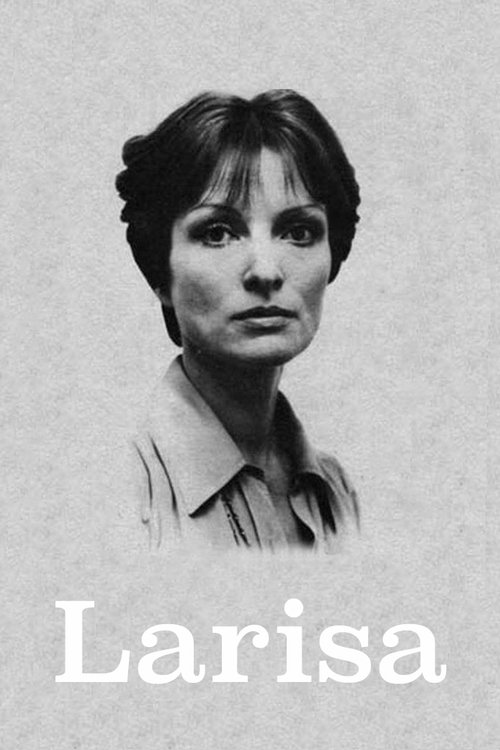
Elem Klimov's tribute to his late wife, director Larisa Shepitko, killed in a car accident a year earlier. Features excerpts from all of her films, and archival audio of her discussing life and art.
Re-Animator: The Musical lyricist Mark Nutter discusses adapting the cult classic for musical theater.
No overview available.
A day in the city of Berlin, which experienced an industrial boom in the 1920s, and still provides an insight into the living and working conditions at that time. Germany had just recovered a little from the worst consequences of the First World War, the great economic crisis was still a few years away and Hitler was not yet an issue at the time.
A portrait of Rosa von Praunheim's neighbor, who worked for decades as a professional dominatrix in Berlin's Wilmersdorf district. While the real Lady MacLaine reflects authentically and wittily on her life and work, her life is retold in dramatized scenes.
An exploration —manipulated and staged— of life in Las Hurdes, in the province of Cáceres, in Extremadura, Spain, as it was in 1932. Insalubrity, misery and lack of opportunities provoke the emigration of young people and the solitude of those who remain in the desolation of one of the poorest and least developed Spanish regions at that time.
To the city come men, women, fruits, flowers, vegetables, goats and sheep – all ready for consumption. It is the process of consumption/exploitation that forms the core of the film.
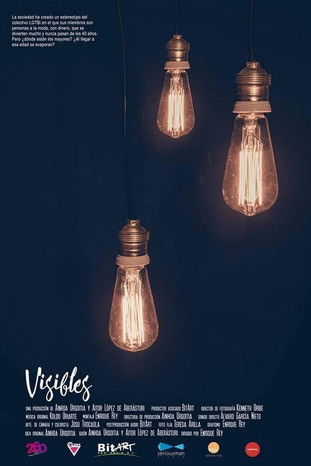
Society has created a stereotype of the LGTBQ collective in which its members are young people who are fashionable, who have money, who have a lot of fun and who never pass the age of forty. But where are the older ones? When they reach that age, do they evaporate? This documentary makes visible a little-discussed topic: old age.
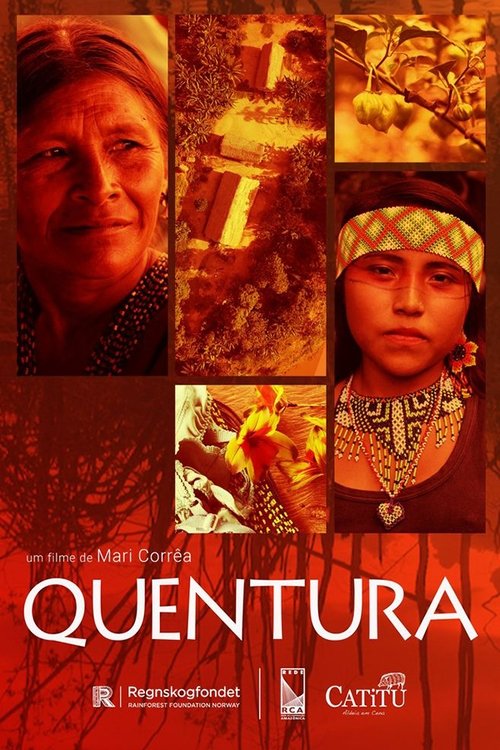
Too hot! The spawning fish do not come at the right time and the pepper plants end up dying in this heat. "This is a very different weather that not even the spirits can understand." From their gardens, homes, and backyards, the indigenous women of the Amazon involve us in their vast universe of knowledge while they observe the impacts of climate change in their ways of life.
A contemplation of life.
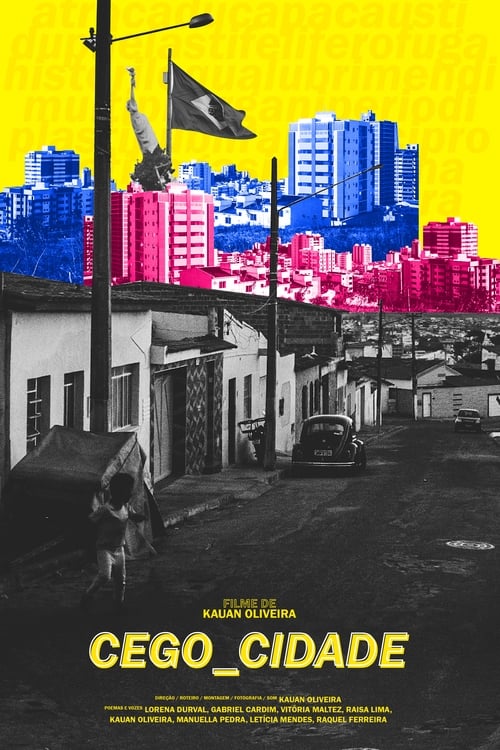
Images complement what is always lacking in words. The poems complement what is always present in the city. Freely inspired by the poetry Cidade City Cité, by Augusto de Campos.
A short film following the release of journalist and activist Barrett Brown from prison, and his drive across Texas to a halfway house. 'Relatively Free' is an examination of Brown's return to a very different world, post the election.
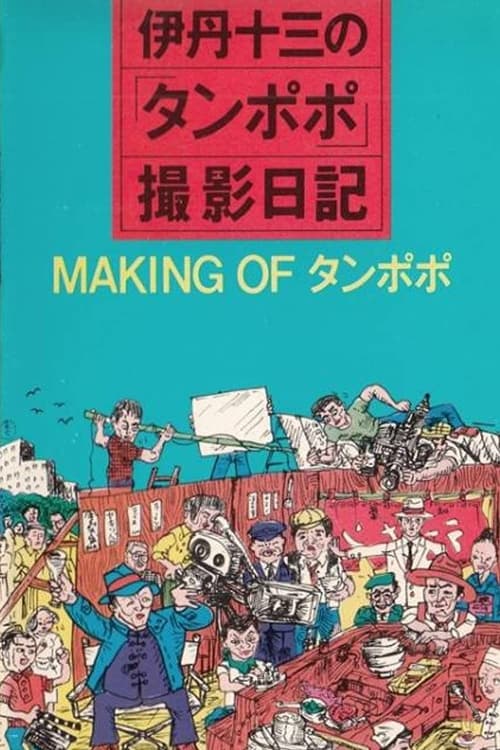
Documentary about the making of Juzo Itami's film "Tampopo" (1985).
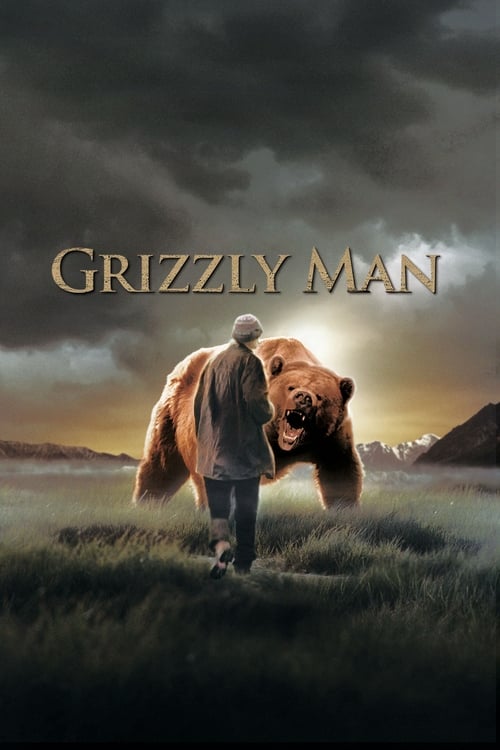
Follows the story of "Grizzly Man" Timothy Treadwell and what the thirteen summers in a National Park in Alaska were like in his attempt to protect the grizzly bears. The film is full of unique images and a look into the spirit of a man who sacrificed himself for nature.
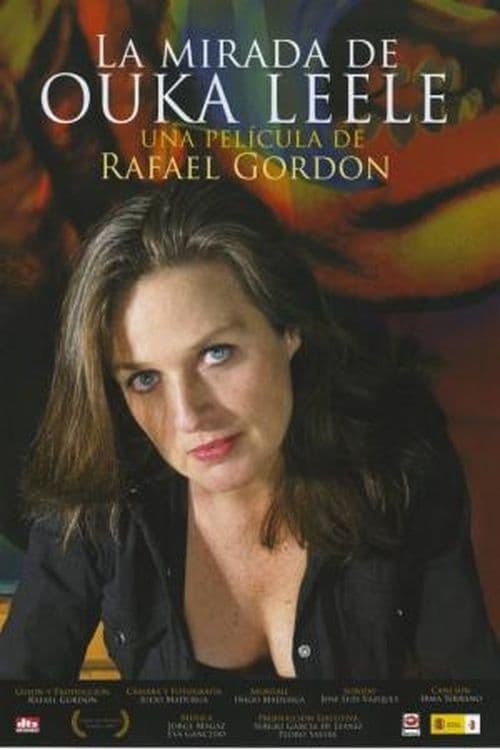
Shot over five years. A unique document of the creative work of the most representative artist of her generation. She is a painter (she creates a 240 m mural in the film), and a photographer of icons, which reflect everything human that the spirit contains. Life and thought of an essential artist, creator over three decades of an internationally recognized work and deserving of the National Photography Award. “The Look of Ouka Lele” is the story of how the creativity of a genius develops, his passion and his struggle in thought, painting and photography. Art and existence, united by the effort, talent and beauty of a creator in eternal struggle.
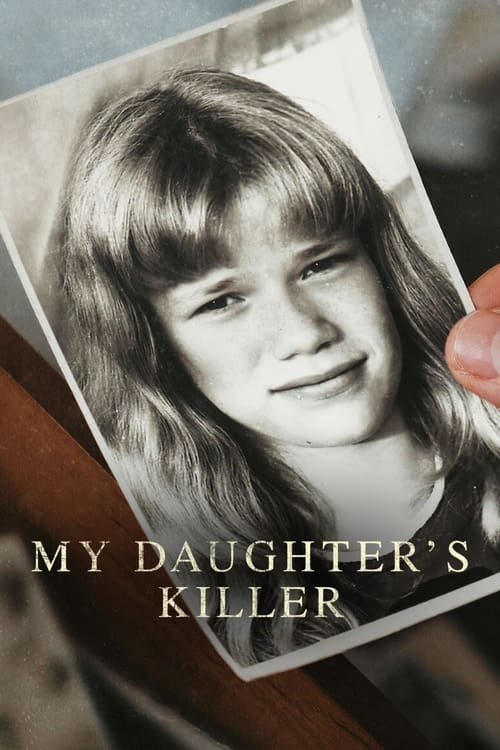
A father fights for decades to bring his daughter's killer to justice in France and Germany before taking extreme measures.
St. Joseph Fort: Principality of Pontinha, the diamond that illuminates the Atlantic Pearl.
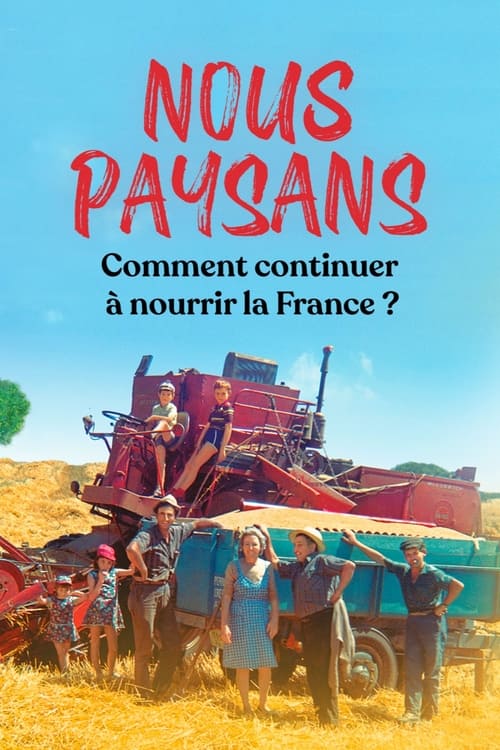
In barely a century, French peasants have seen their world profoundly turned upside down. While they once made up the vast majority of the country, today they are only a tiny minority and are faced with an immense challenge: to continue to feed France. From the figure of the simple tenant farmer described by Emile Guillaumin at the beginning of the 20th century to the heavy toll paid by peasants during the Great War, from the beginnings of mechanization in the inter-war period to the ambivalent figure of the peasant under the Occupation, From the unbridled race to industrialization in post-war France to the realization that it is now necessary to rethink the agricultural model and invent the agriculture of tomorrow, the film looks back at the long march of French peasants.