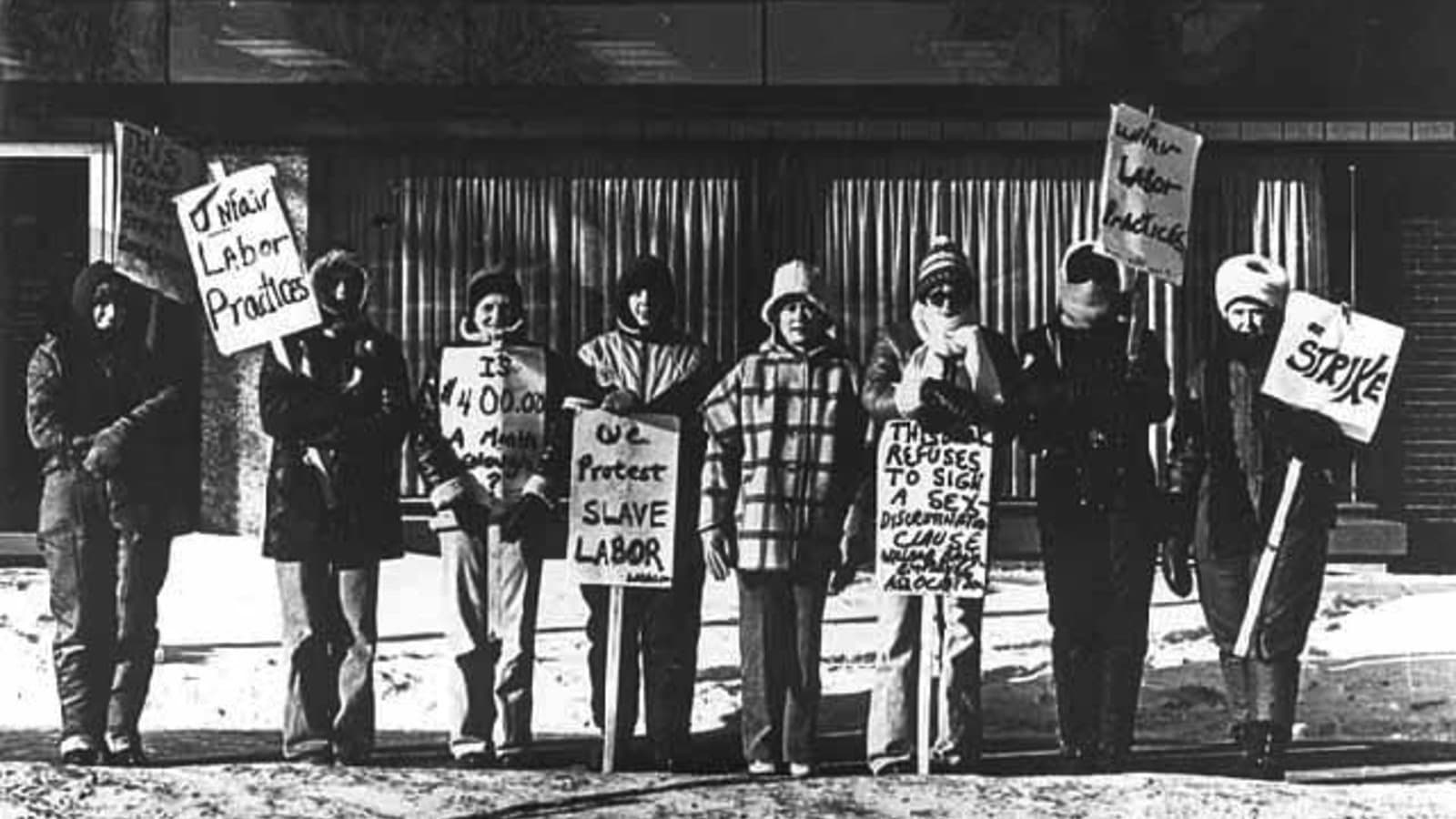
Risking jobs, friends, family and the opposition of church and community, eight unassuming women begin the longest bank strike in American history.
Narrator
Hajar is a 55-years-old Bahktiari woman from Iran who is betrayed by her family and forced to abandon her nomadic lifestyle. Climate change, urbanization and social issues have drastically diminished the traditional migratory activities of the Bakhtiari tribe from Southwestern Iran.
After surviving a violent assault by a serving soldier who was convicted but walked free with a suspended sentence, Natasha O'Brien refused to stay silent.
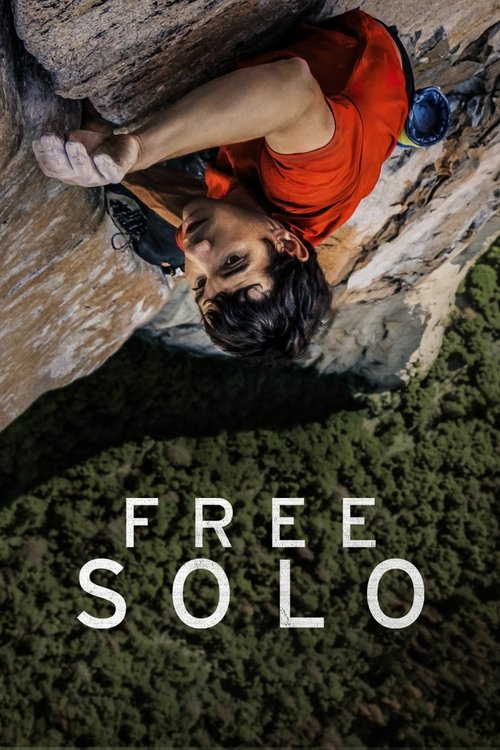
Follow Alex Honnold as he attempts to become the first person to ever free solo climb Yosemite's 3,000 foot high El Capitan wall. With no ropes or safety gear, this would arguably be the greatest feat in rock climbing history.
Running Out of Patience documents the Victorian nurses' strike of 1986, revealing various myths and stereotypes which have managed to pigeonhole women as saints first and unionists second.
Set in the Hasidic enclave of Borough Park, Brooklyn, "93Queen" follows a group of tenacious Hasidic women who are smashing the patriarchy in their community by creating the first all-female volunteer ambulance corps in New York City. With unprecedented-and insider-access, "93Queen" offers up a unique portrayal of a group of religious women who are taking matters into their own hands to change their own community from within.
The end of the Cold War did not bring about a definitive thaw in the former republics of the Soviet Union, so that today there are several frozen conflicts, unresolved for decades, in that vast territory. As in Transnistria, an unrecognized state, seceded from Moldova since 1990. Kolja is a silent witness of how borders and bureaucracy shape the lives of citizens, finally forced to lose their identity.
A Century of Struggle chronicles the hundred-year history of the NZ Seamen’s Union from its formation in 1879. Using original film and archive footage, it examines the working lives of seamen and the battles fought by their union from the sailing ships of colonial days to the modern turbine-powered container vessels. Because the Seamen’s Union was frequently at the forefront of working-class struggle in New Zealand, its story involves most of the crucial issues and events in the history of the union movement generally, including the great maritime strikes of 1890 and 1913 and the waterfront dispute of 1951.
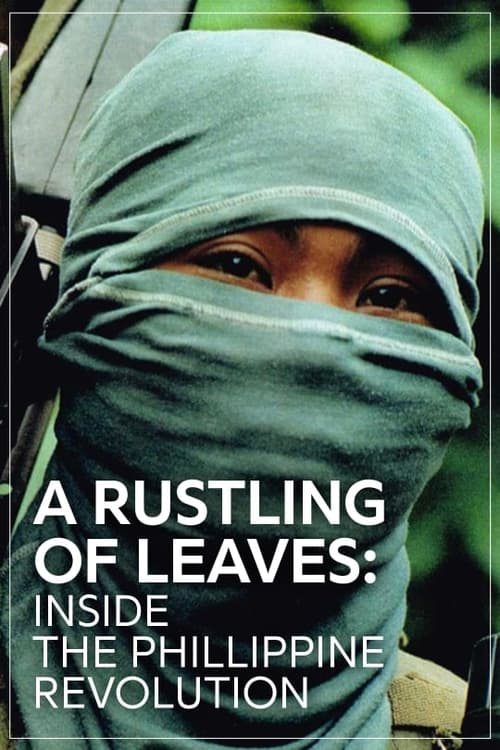
A chronicle of the three points of a political triangle — the legal left, the illegal (armed) revolution, and the enemy which threatens them both: the armed reactionary right. It is 1987. The dictatorship of Ferdinand Marcos has just been overthrown. Newly elected President Corazon Aquino struggles to wrench control of the country from her own military. A Rustling of Leaves poses the key question facing the revolutionaries and the Filipino Left: Should the People’s Movement continue the guerilla war, or do they dare enter legal politics and reveal the hidden face of the revolution?
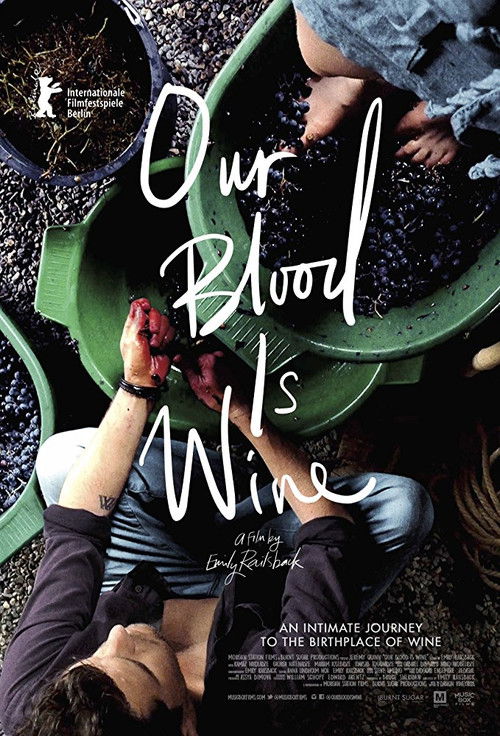
Filmmaker Emily Railsback and award-winning sommelier Jeremy Quinn provide intimate access to rural family life in the Republic of Georgia as they explore the rebirth of 8,000-year-old wine-making traditions almost lost during the period of Soviet rule.
The urge to relieve a winter valley of permanent shadow and find gold in alluvial gravel is part of a long history of desire and extraction in the far Canadian north. Cancan dancers, curlers, smelters, former city officials, and a curious cliff-side mirrored disc congregate to form a town portrait. Shot on location in Dawson City, Yukon Territory.
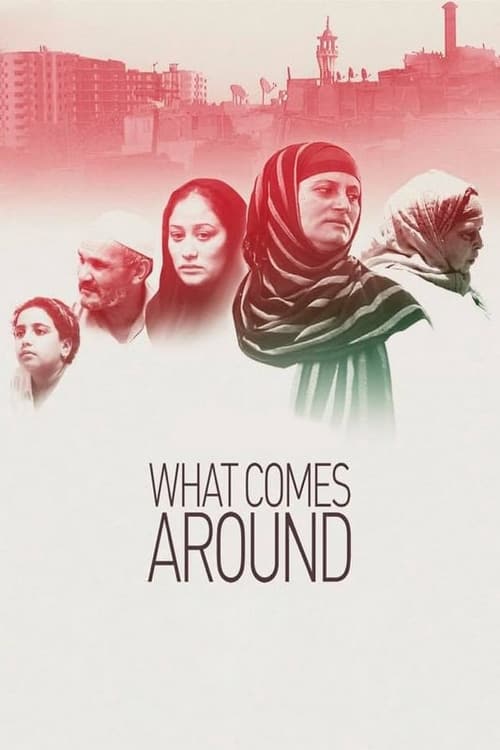
In Rod El Farag, one of the poorest residential areas in Cairo, obtaining meat, fruit and daily bread is a constant struggle. But the sense of community shared by the inhabitants there helps them to some extent overcome their hardships through a social practice known as ‘al Gami’ya’, or ‘the assembly’.
After twenty-five years spent in France, I return to Bulgaria, camera in hand, with a vertiginous suspicion: what if my family had collaborated with the political police of the communist regime? And what if they were part of the "red trash" that the demonstrators on the street want to see disappear? I decide to investigate and to film, constantly, ready for anything. My adventure transforms itself into a tragic comic odyssey; a film that combines espionage with family.
The impeachment and removal from office of Brazilian President Dilma Rousseff in 2016 was triggered by a corruption scandal involving, among others, her then vice-president Michel Temer. Director Maria Augusta Ramos follows the trial against Rousseff from the point of view of her defence team. This is a courtroom drama that unfolds slowly: the appearances of the various parties gradually turn the proceedings into something akin to theatre. Inside the courtroom, grand emotions are played to full effect whilst, on the other side of the doors, lobbyists and supporters pace the corridors. Meanwhile, outside, in front of Brasília’s modernist government buildings, demonstrators are chanting like a Greek chorus. Only the main character, Rousseff herself, remains professional and aloof.
Volksbühne am Rosa-Luxemburg-Platz 1992-2017. The end of the GDR gave rise to new artistic freedoms in reunited Berlin. Shortly after the fall of the Wall, rebel director Frank Castorf was appointed artistic director of the Volksbühne. His way of working altered the public’s perception of this theater. The chronological history of the Castorf era between 1992 and 2017 is told here in excerpts from the productions and in a series of conversations conducted on the long sofa in the theater's foyer.
The story of the tortuous struggle against the silence of the victims of the dictatorship imposed by General Franco after the victory of the rebel side in the Spanish Civil War (1936-1975). In a democratic country, but still ideologically divided, the survivors seek justice as they organize the so-called “Argentinian lawsuit” and denounce the legally sanctioned pact of oblivion that intends to hide the crimes they were subjects of.
One woman and her family trek the broken mental health system in an effort to save her brother as he descends into madness. Beginning as a testimony of his sanity, his iPhone video diary ultimately becomes an unfiltered look at the mind of an untreated schizophrenic.
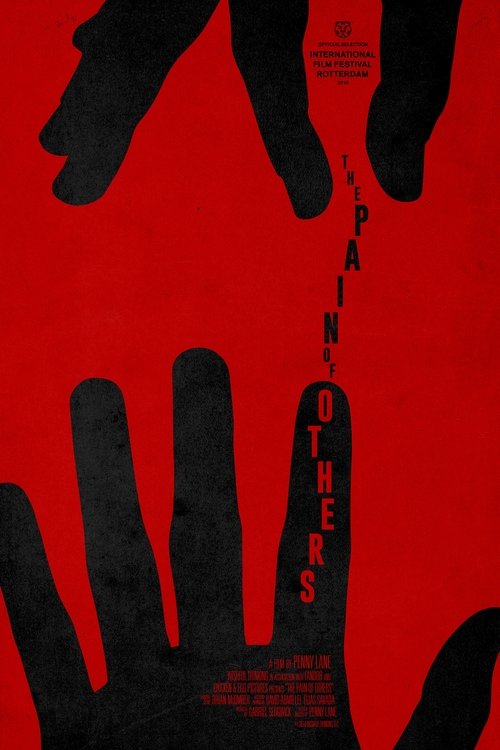
Tens of thousands, perhaps hundreds of thousands, say they have it. But the mainstream medical community says Morgellons is not a disease at all, but a delusion propagated and reinforced by social media. “It’s all in your head,” they say. The Pain of Others is a found footage documentary about Morgellons, a mysterious illness whose sufferers say they have parasites under the skin, long colored fibers emerging from lesions, and a host of other bizarre symptoms which could be borrowed from a horror film.
Filmmaker Jan Oxenberg narrates her own home videos, commenting on how her views towards lesbianism and femininity have evolved over time.
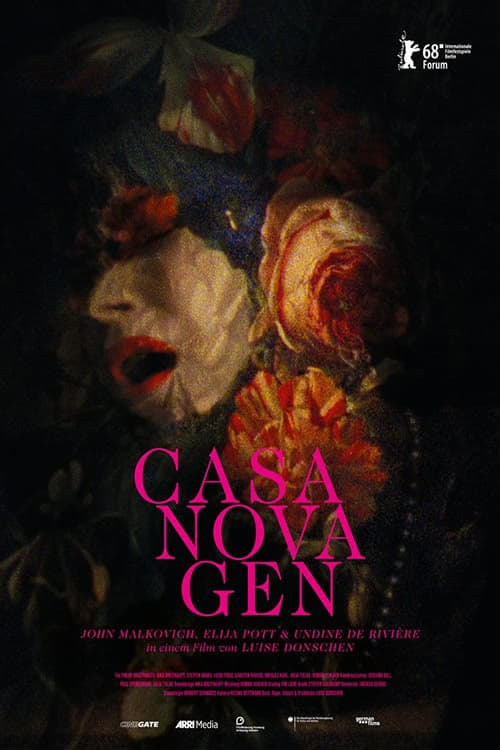
A person enters the frame dressed up as a bird. In a dressing room, John Malkovich sheds the costume of Casanova. A young woman's skirt is just as orange as the beak of a zebra finch singing in a cage. White lilies stand at the foot of a statue of the Virgin Mary, red roses in front of the window of an SM studio. There the quiet game of submission in exchange for money, in a museum an embrace, a poem whispered in the ear. Children playing in a forest in autumn. A forest in summer, framed by light. An orgasm and a dance.
A documentary about teachers' strikes in Iceland in the latter half of the 20th century with a special focus on 1995.
Trailer