In this RKO Sportscope short, a naturalist and his wife go to Louisiana bayou country to hunt a particular species of goose.
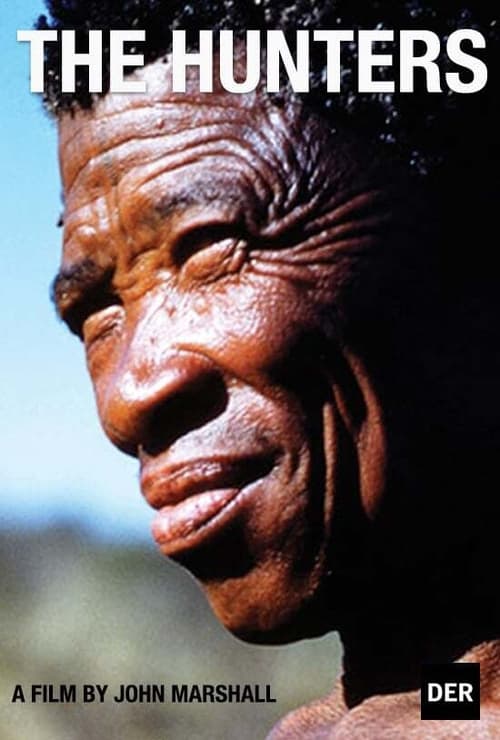
An ethnographic documentary following four Ju/’hoansi (!Kung) men during a multi-day giraffe hunt in the Kalahari Desert, filmed during the Smithsonian–Harvard Peabody expedition of 1952–53.
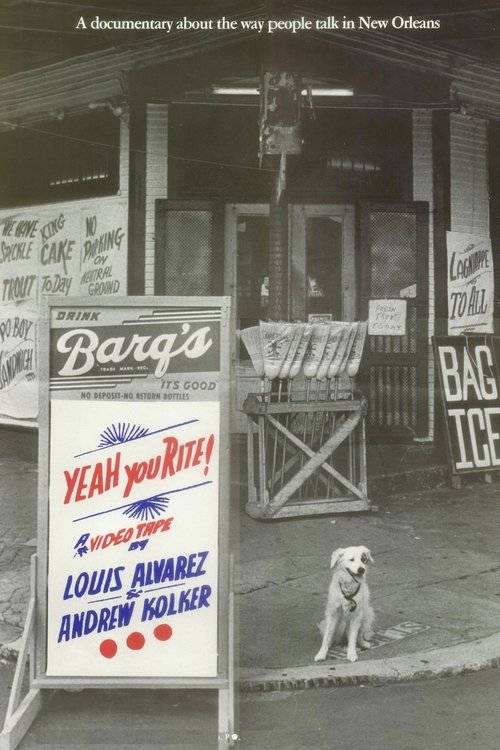
This award winning film is a fast paced, humorous look at the colorful way the residents of New Orleans express themselves - why they talk the way they do, where the words come from, and what it means to talk with a New Orleans accent.
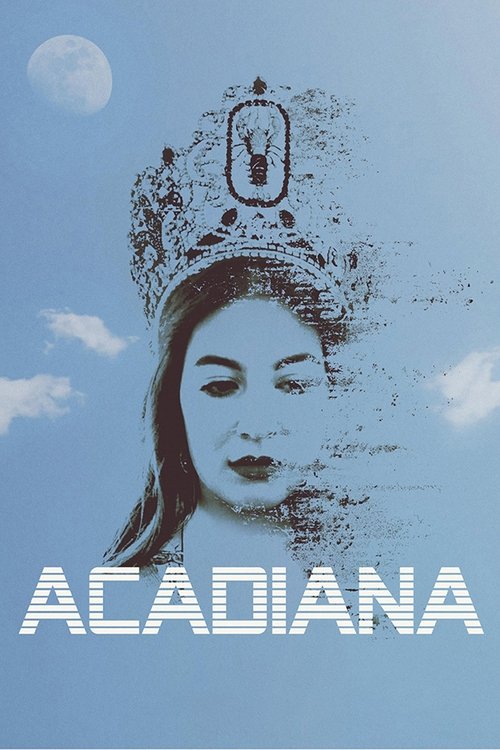
May 2017. As the new President of the United States takes his ease in the White House, the city of Breaux Bridge, Louisiana, is the theatre of the mythic Crawfish Festival. It's just another day, in America.
Born on Halloween, 1935, Dale Brown's fight for justice began the day his father walked out - two days before he was born. About how an overachiever from tiny Minot, North Dakota relentlessly fought his way to the top.
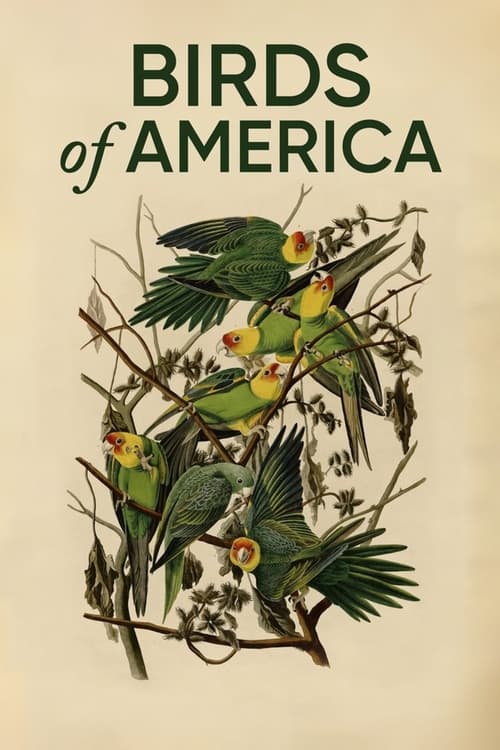
In the first half of the 19th century, the French ornithologist Jean-Jacques Audubon travelled to America to depict birdlife along the Mississippi River. Audubon was also a gifted painter. His life’s work in the form of the classic book ‘Birds of America’ is an invaluable documentation of both extinct species and an entire world of imagination. During the same period, early industrialisation and the expulsion of indigenous peoples was in full swing. The gorgeous film traces Audubon’s path around the South today. The displaced people’s descendants welcome us and retell history, while the deserted vistas of heavy industry stretch across the horizon. The magnificent, broad images in Jacques Loeuille’s atmospheric, modern adventure reminds us at the same time how little - and yet how much - is left of the nature that Audubon travelled around in. His paintings of the colourful birdlife of the South still belong to the most beautiful things you can imagine.
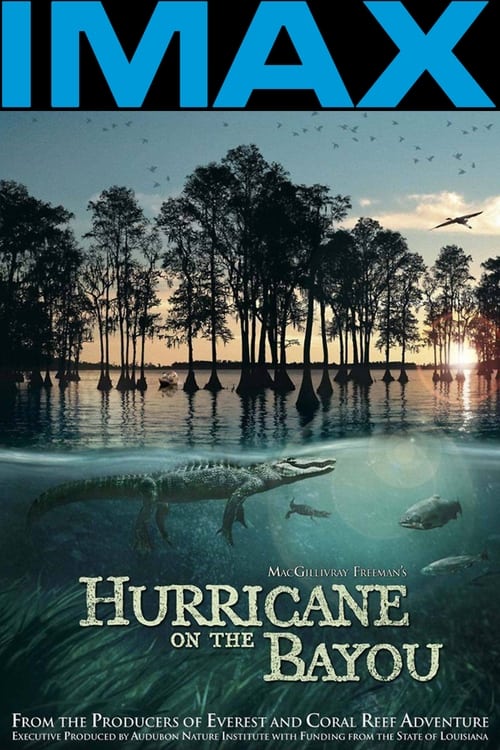
The film "Hurricane on the Bayou" is about the wetlands of Louisiana before and after Hurricane Katrina.
Argentinian short film which shows local fauna and hunting.
An NFB crew filmed a group of three families, Cree hunters from Mistassini. Since times predating agriculture, this First Nations people have gone to the bush of the James Bay and Ungava Bay area to hunt. We see the building of the winter camp, the hunting and the rhythms of Cree family life.
No overview available.
Amateur film of fishing and geese-shooting trips by a British party in India.
Mosha Michael made an assured directorial debut with this seven-minute short, a relaxed, narration-free depiction of an Inuk seal hunt. Having participated in a 1974 Super 8 workshop in Frobisher Bay, Michael shot and edited the film himself. His voice can be heard on the appealing guitar-based soundtrack…. Natsik Hunting is believed to be Canada’s first Inuk-directed film. – NFB
For 170 years, a Native American community has occupied Isle de Jean Charles, a tiny island deep in the bayous of Louisiana. They have fished, hunted, and lived off the land. Now the land that has sustained them for generations is vanishing before their eyes. Coastal erosion, sea level rise, and increasing storms are overwhelming the island. Over the last fifty years, Isle de Jean Charles has been gradually shrinking, and it is now almost gone. For these Biloxi-Chitimacha-Choctaw Indians, their land is more than simply a place to live. It is the epicenter of their people and traditions. They now must prepare to say goodbye to the place, where, for eight generations, their ancestors cultivated a unique part of Louisiana culture.
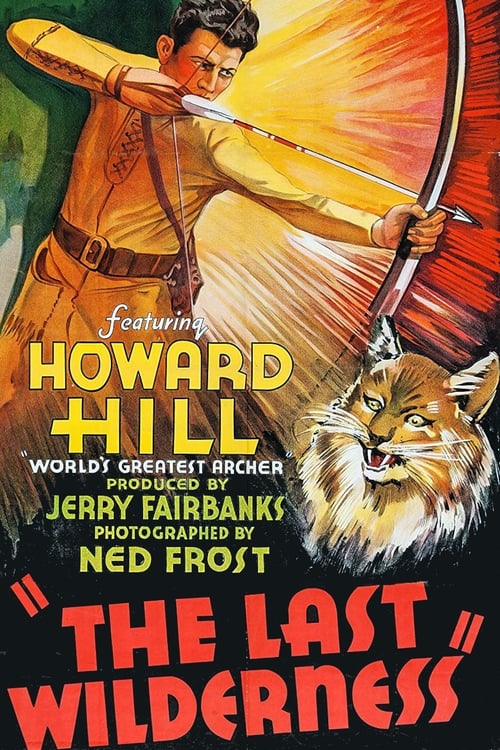
Archery expert Howard Hill and a cameraman go to Wyoming to film this wild-animal three-reel short. Besides the scenery, the scenes include a buffalo killed by an arrow shot by Hill (for food); a wildcat and a coyote in a battle, and a fight-to-the-death between a mother bear protecting her cubs against a killer male bear.
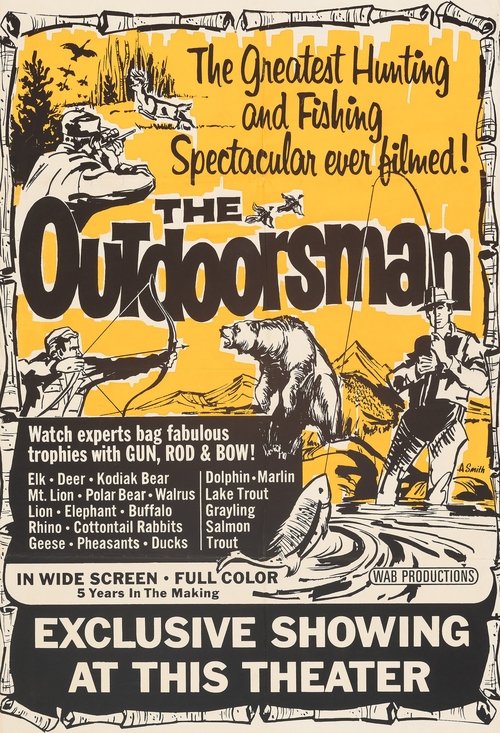
A group of outdoorsmen demonstrate duck hunting as a preliminary to traveling the various hunting and fishing centers of the world. They begin their journey with a trip to the Rocky Mountains to hunt elk and mountain lions and to fish in the freshwater lakes. They travel to Lac la Ronge in Saskatchewan and to Anchorage and the Katmai Peninsula in Alaska to fish for trout, salmon, and grayling and hunt moose and bear. In the Arctic, the hunters go with a group of Eskimos for their biggest catch, the polar bear. The hunters travel south by plane, to the Fishing Club of Panama to fish for marlin, tuna, shark, and dolphin in the Gulf of Panama. In South Africa and the Zambesi River basin, they often hunt with only a camera. Accompanied by native beaters, they hunt elephants, antelope, buffalo, crocodiles, and hippopotami. As conservationists they capture some almost extinct white rhinoceros and take them to a game preserve for protection.
Humorist Roy Blount Jr. takes viewers on a journey down the Mississippi River, showcasing everything from areas with spectacularly beautiful scenery to ugly and dangerously polluted stretches bordered by industrial development.
One day in the lives of an average Greenlandic family, which happens to be of great importance for 8-year old Kali - he's about to catch his first prey with the harpoon. The whole family is looking forward for the huge step in boy's maturation.
In the bitter winter of 1978, four desperate council members from a small Virginia town hatched a daring Bigfoot hoax to save it from the brink of bankruptcy. But as the money grew, so did the greed-triggering the town's first unsolved murder.
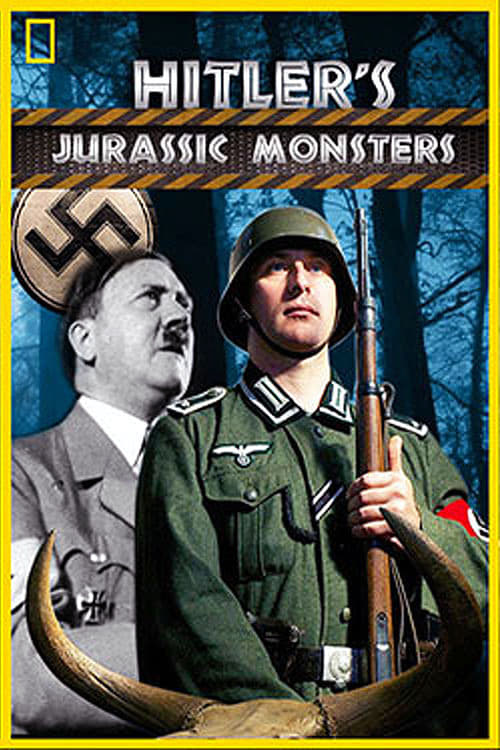
This is the untold story of a Nazi vision, that went far beyond the military conquest of European countries. As part of their crazed dream to create a thousand-year Reich they developed detailed blueprints for Aryan settlements and vast hunting parks for ‘Aryan’ animals. Goering and Himmler employed Germany’s best scientists to launch a hugely ambitious programme of genetic manipulation to change the course of nature itself, both in the wild and for domestic use. In a fascinating blend of politics and biology, Hitler's Jurassic Monsters is the true and asthonishing story of how the Nazis tried to take control of nature and change the course of evolution.
Etthén Heldeli: Caribou Eaters travels with Déné First Nations people in Canada’s north, as they search for the species so vital to every aspect of their lives – the barren-ground caribou. The documentary is a celebration of their rich ancient culture, and a visual document lamenting their traditions that could vanish, if the caribou disappear.
Narrator (voice)
No Trailers found.