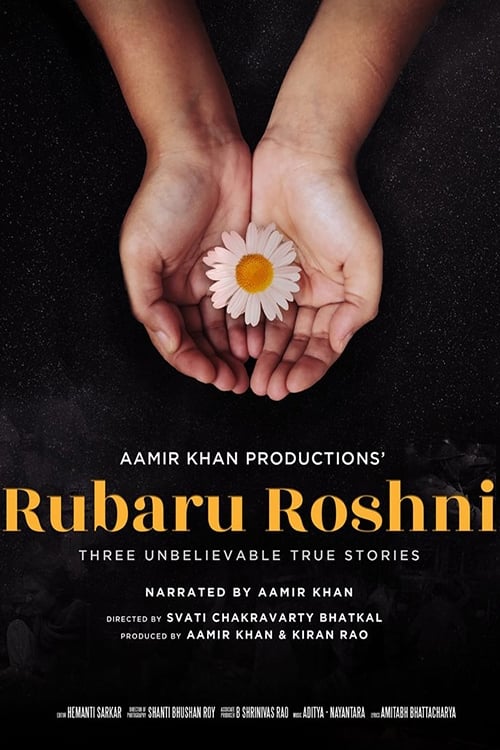
The movie traces three real-life incidents that took place in '80s, 90s and 2000s respectively through the stories titled 'Orphan and the Convict', 'The Farmer and the Nun' and 'The Terror and the Mom'.
Self
No Trailers found.
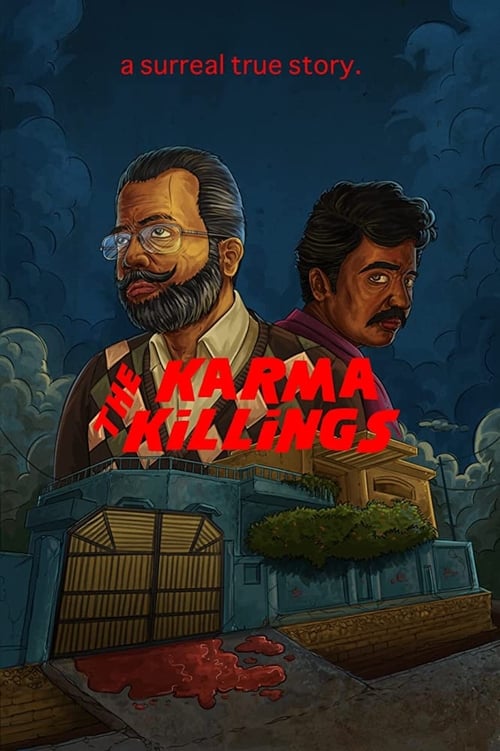
"The Karma Killings," is a modern-day crime thriller mixed in with Indian mythology and class warfare. The documentary delves into India's most infamous serial killings and its impact on a nation. Told through the people directly involved, the film unravels the complexities of the case and goes beyond the sensational headlines to present a suspenseful and scary mystery. And has a huge twist - one of the killers maybe innocent?
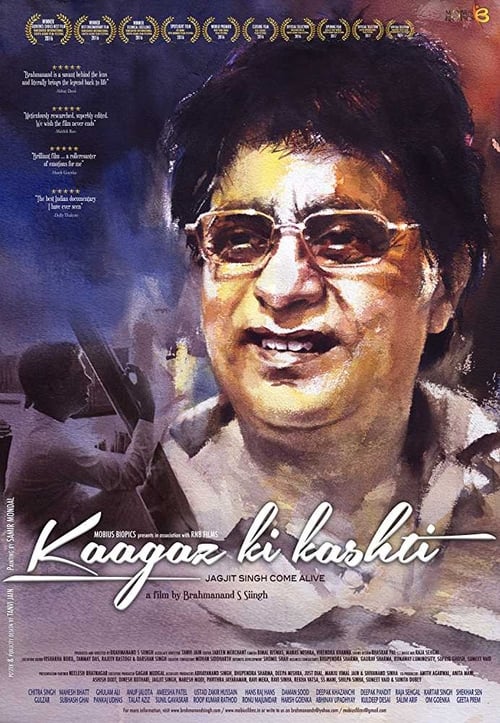
Documentary on the life of ghazal samrat Jagjit Singh, who changed the landscape of Indian Music.
An ascetic walks through the narrow streets of a village every morning while his family is still asleep. In his semi-somnolent state he dreams about the history of the village mixing up myths, folklore and facts.
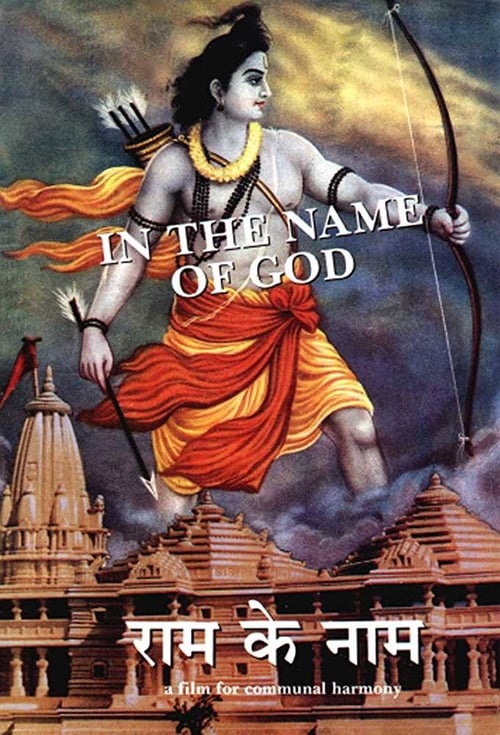
The film explores the campaign waged by the Hindu right-wing organisation Vishva Hindu Parishad to build a Ram temple at the site of the Babri Masjid in Ayodhya, as well as the communal violence that it triggered. A couple of months after Ram ke Naam was released, VHP activists demolished the Babri Masjid in 1992, provoking further violence.
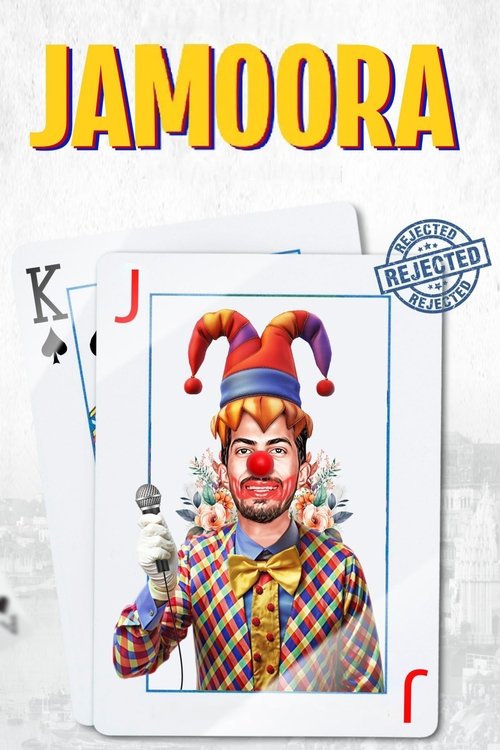
Follows Shyam Rangeela, a stand-up comedian infamous for his Narendra Modi impersonation, and his daring pursuit of filing the general election nomination from the same constituency as the incumbent prime minister of India.
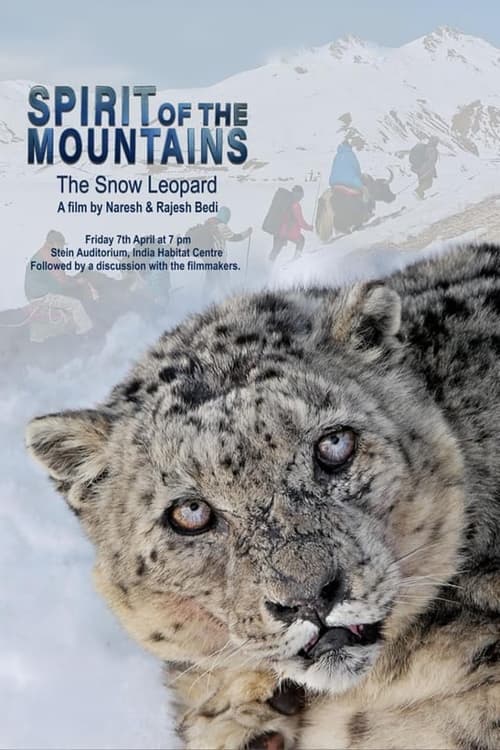
The charismatic Snow Leopard is the least understood of all the big cats and one of the most challenging to film. Over a period of five years, veteran Indian wildlife filmmakers, Naresh and Rajesh Bedi endured extreme cold and the thin air of the Himalayas in their daunting quest to reveal the secret lives of these elusive predators, ultimately with great success.
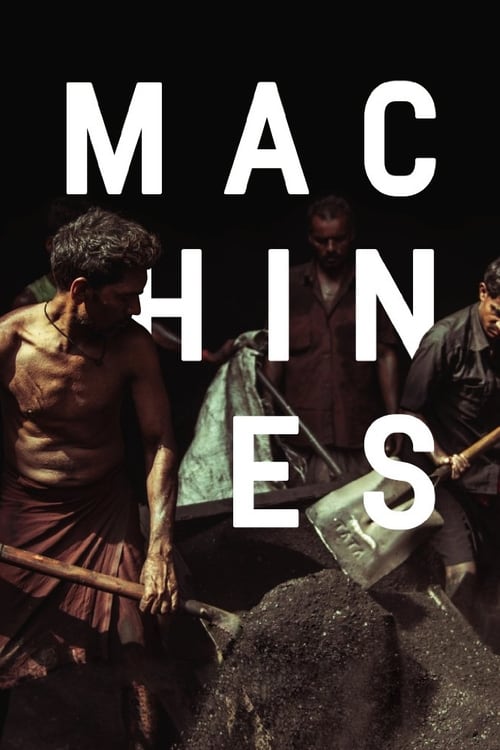
This portrayal of the rhythm of life and work in a gigantic textile factory in Gujarat, India, moves through the corridors and bowels of the enormously disorienting structure—taking the viewer on a journey of dehumanizing physical labor and intense hardship.
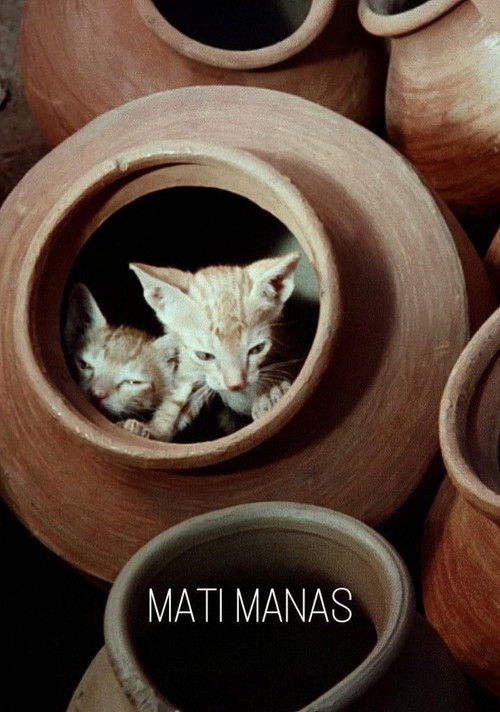
In a poetic hour and a half, director Mani Kaul looks at the ancient art of making pottery from a wide variety of perspectives.
Each night the only border crossing between India and Pakistan on a 1000km stretch becomes the sight of an extraordinary event. Thousands of people gather to witness the ritual closing of the border, after which the masses get as close as possible to the gate to greet their former neighbors. This "festival" is therefore on the one hand a celebration of the partition, but on the other hand also the only connecting element. What do the terms separation, home and proximity mean to the people on both sides?
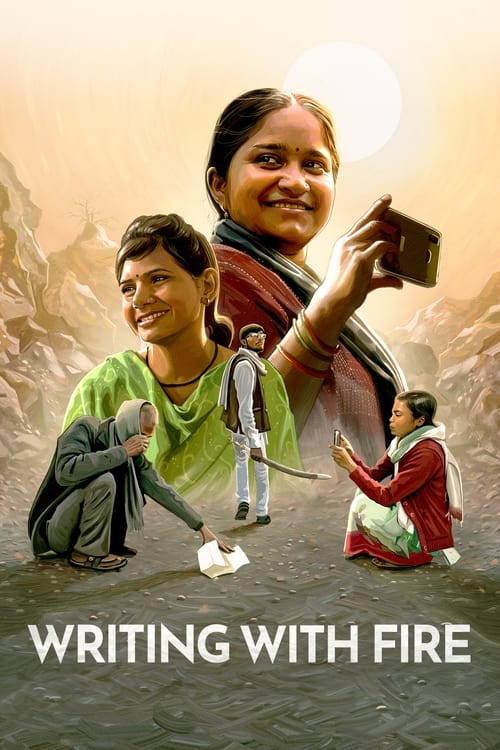
In a cluttered news landscape dominated by men, emerges India’s only newspaper run by Dalit women. Armed with smartphones, Chief Reporter Meera and her journalists break traditions on the frontlines of India’s biggest issues and within the confines of their own homes, redefining what it means to be powerful.
Filmmaker Anand Patwardhan looks to history and psychology as he delves into the possible reasons behind the demolition of the Babri Mosque.
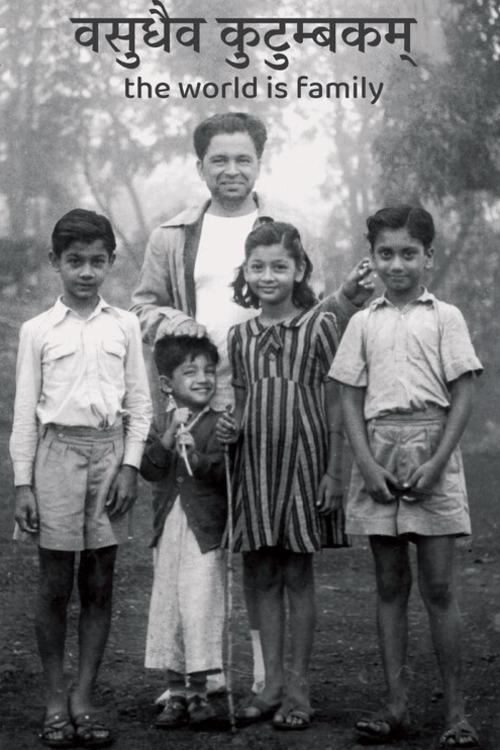
Esteemed documentarian Anand Patwardhan directs a portrait of his parents, whose families were intertwined with Gandhi and India’s independence movement. His view on history extolls unity between Hindus and Muslims, a value that needs reasserting in modern politics.
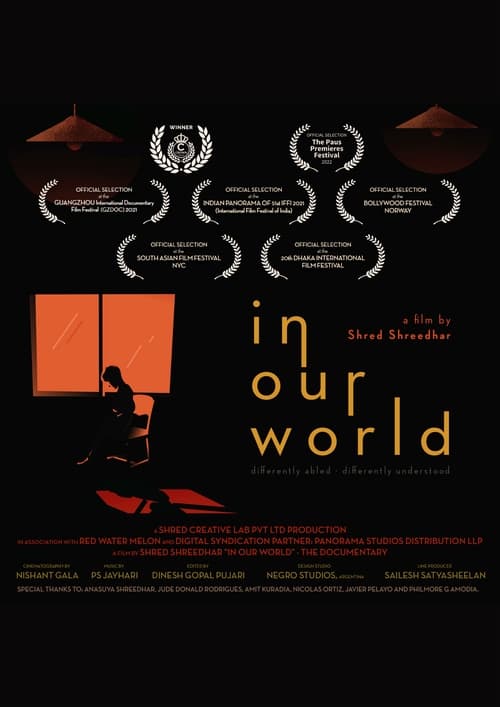
“Special,” “Gifted,” “Different,”… Despite the vast inventory of words to describe children who are on the Autism Spectrum, we still understand so little about their worlds outside of the medical lens. In Our World follows 3 children in their day-to-day lives – swimming classes, horse-riding, music lessons, special moments with their parents and therapists – and so much more, converging into a narrative that spells hope. The documentary aims to reveal the intricacies of their world and perhaps pave the way for OUR world, and for both to coexist with empathy and kindness.
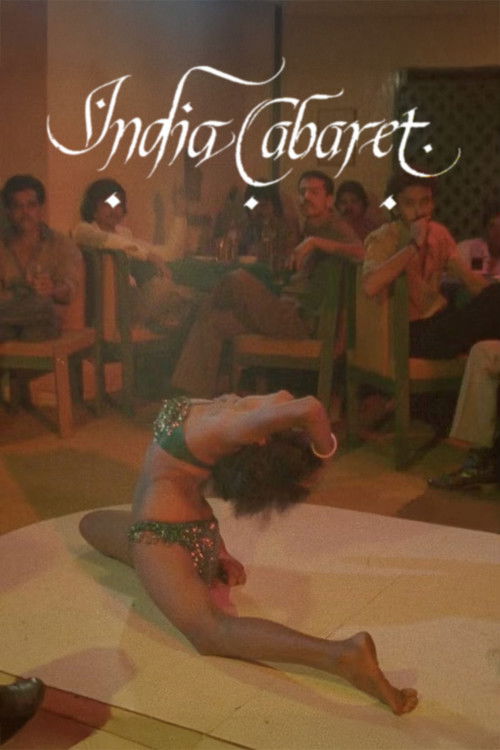
An exploration of the 'respectable' and 'immoral' stereotypes of women in Indian society told from the point of view of two striptease dancers in a Bombay cabaret.
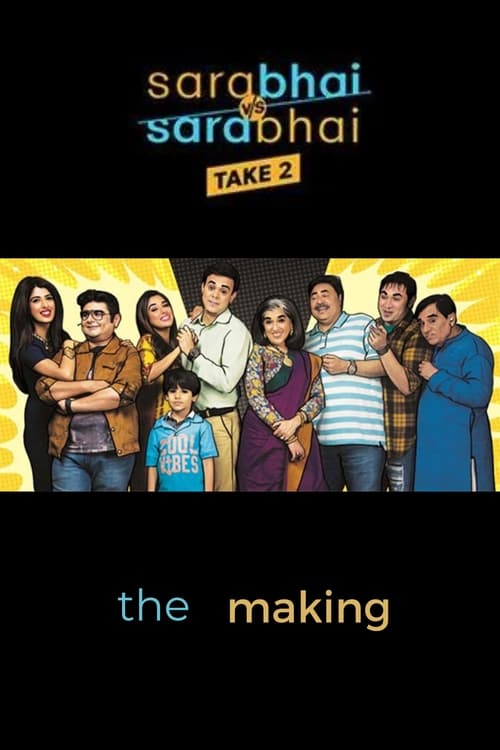
Takes the audience behind the artistry, intellectual spirits, and production of the second season of the holy grail of Indian sitcom.
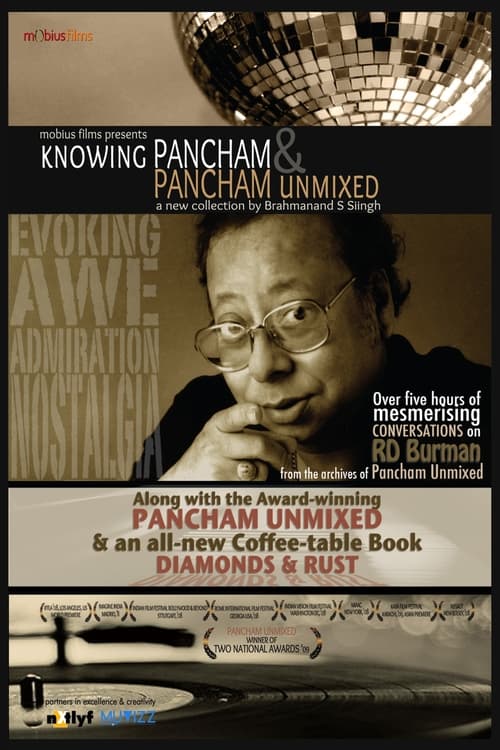
Winner of 2 National Awards, Pancham Unmixed: Mujhe Chalte Jaana Hai, takes an incisive look into the legendary composer, RD Burman's reflective artistry and buoyant-but-also-lonely inner being. Featuring a host of close friends, colleagues and admirers, the film evokes awe, admiration and nostalgia the way most of his music does, till date.
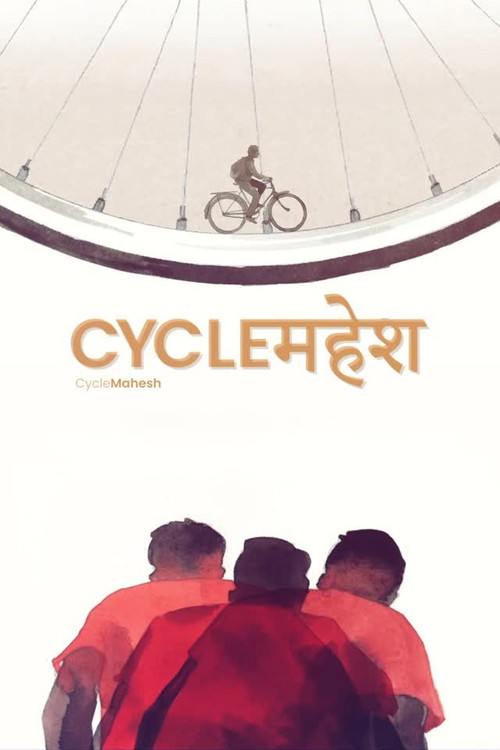
When a lockdown is announced in India, 22-year-old Mahesh finds himself stranded and decides to travel home on a rickety bicycle. He covers about 2,000 kilometers in seven days. It turns him into a national media hype.
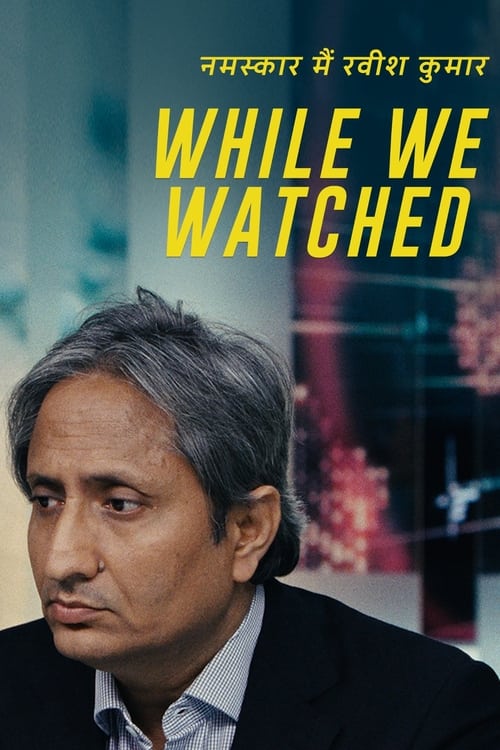
A turbulent newsroom drama that intimately chronicles the working days of broadcast journalist Ravish Kumar as he navigates a spiraling world of truth and disinformation.
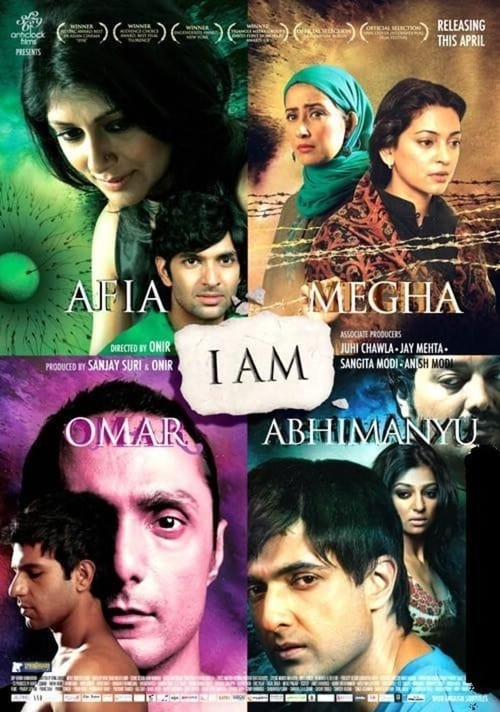
I Am is a 2011 Indian anthology film by Onir. It consists of four short films: "Omar", "Afia", "Abhimanyu", and "Megha". Each film shares the common theme of fear and each is also based on real life stories. The film was financed by donations from more than 400 different people around the world, many of whom donated through social networking sites like Facebook. There are four stories but the characters are interwoven with each story. "Abhimanyu" is based on child abuse, "Omar" on gay rights, "Megha" is about Kashmiri Pandits and "Afia" deals with sperm donation. I Am was released with subtitles in all regions as six different languages are spoken in the film: Hindi, English, Kannada, Marathi, Bengali and Kashmiri.
Follows the final days of Chika Kapadia, given four months to live, who has chosen to end his life through physician-assisted suicide at Dignitas in Switzerland. The filmmakers, tasked with documenting Kapadia’s countdown to death, capture both his journey and their own emotional response.