No Cast found.
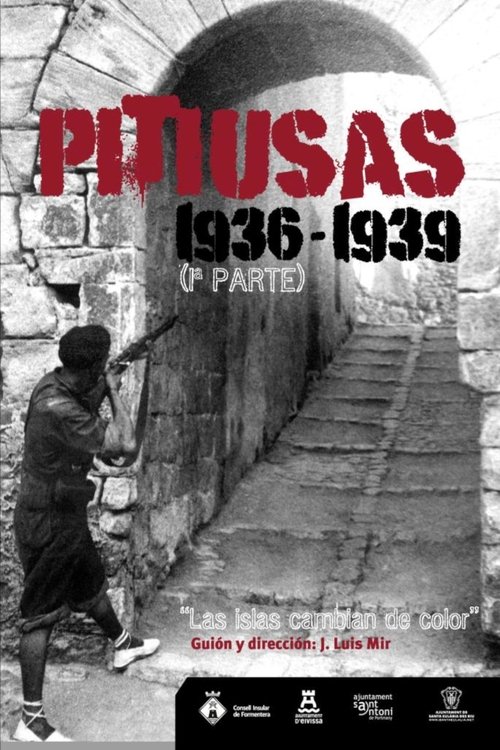
In 'Las islas cambian de color', the coup d'état and the beginning of the repression against the Republicans are narrated, highlighting figures such as Margalida Roig Colomar, to give way to the landing of Bayo, the role of the Anti-Fascist Militia Committee and its temporary dominance of the island.
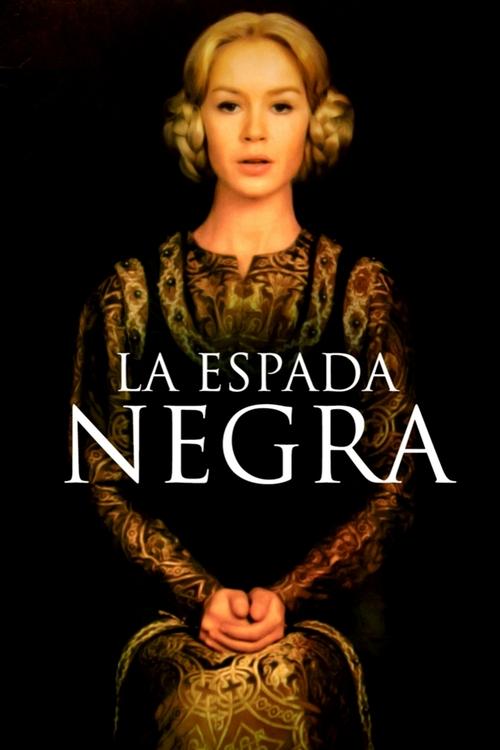
Kingdom of Castile, 15th century. A group of nobles, who question the dynastic legitimacy of Princess Juana, daughter of King Enrique IV, conspire with the purpose of overthrowing him.
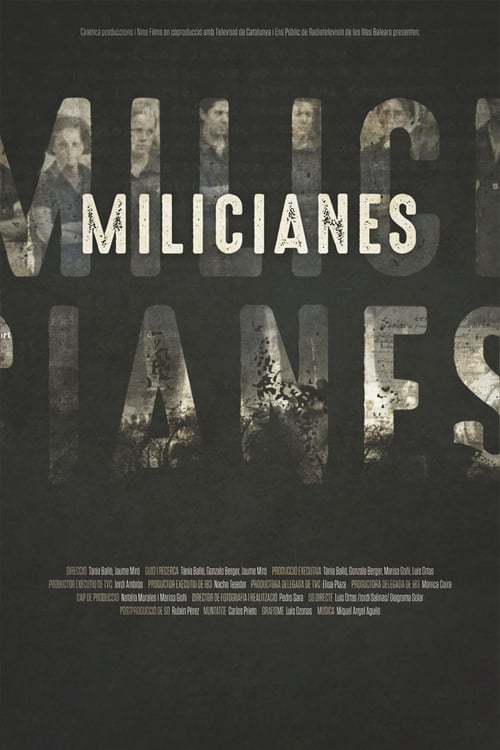
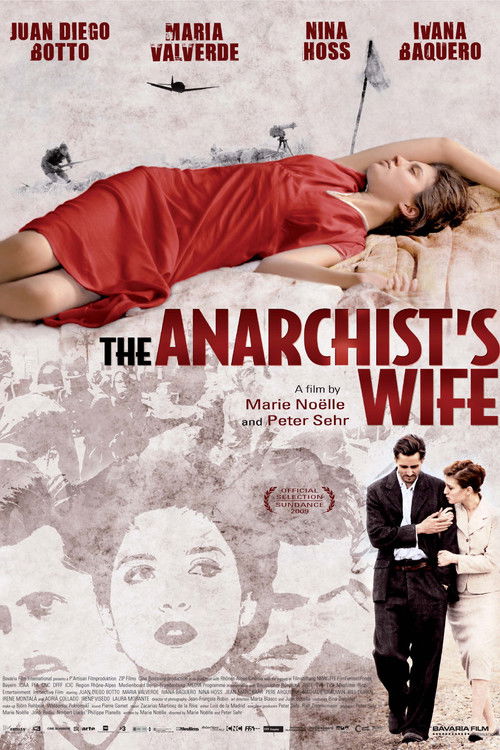
After fighting on the Republican side during the Spanish Civil War, a man goes into exile in France while his family waits for his return in a Catalan village.
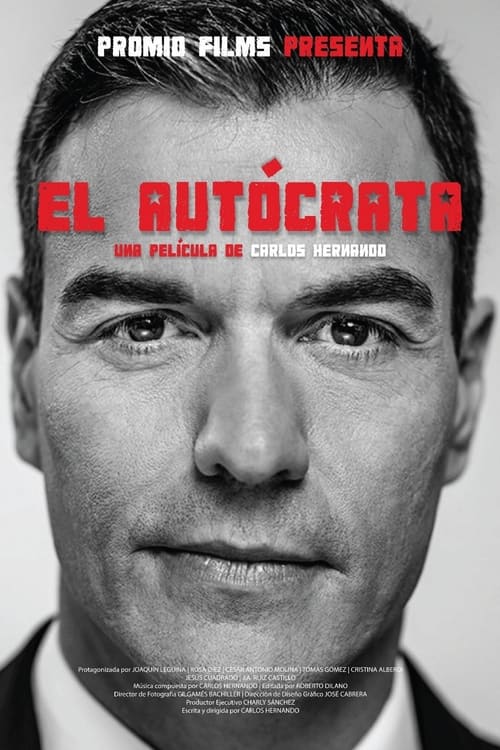
Historical leaders of the PSOE, among them several former ministers, lambast the political legacy of Pedro Sánchez, President of the Government of Spain.
No overview available.
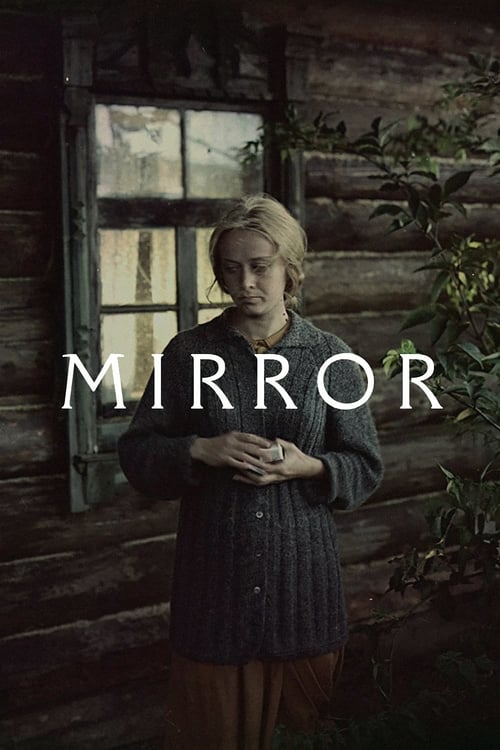
A dying man in his forties recalls his childhood, his mother, the war and personal moments that tell of and juxtapose pivotal moments in Soviet history with daily life.
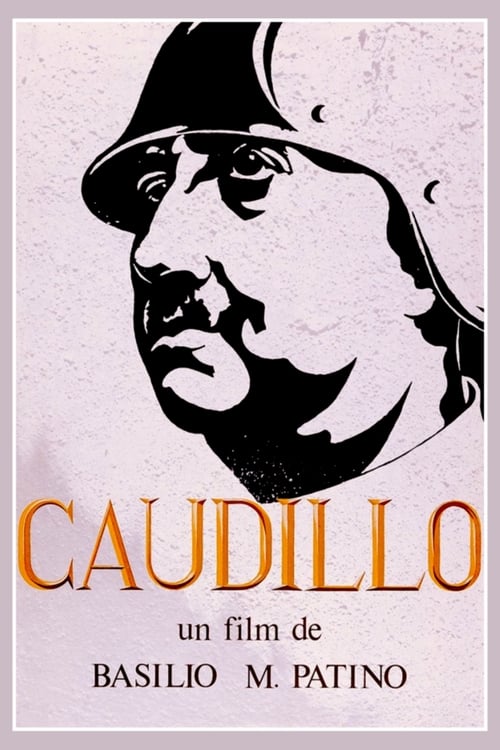
Caudillo is a documentary film by Spanish film director Basilio Martín Patino. It follows the military and political career of Francisco Franco and the most important moments of the Spanish Civil War. It uses footage from both sides of the war, music from the period and voice-over testimonies of various people.
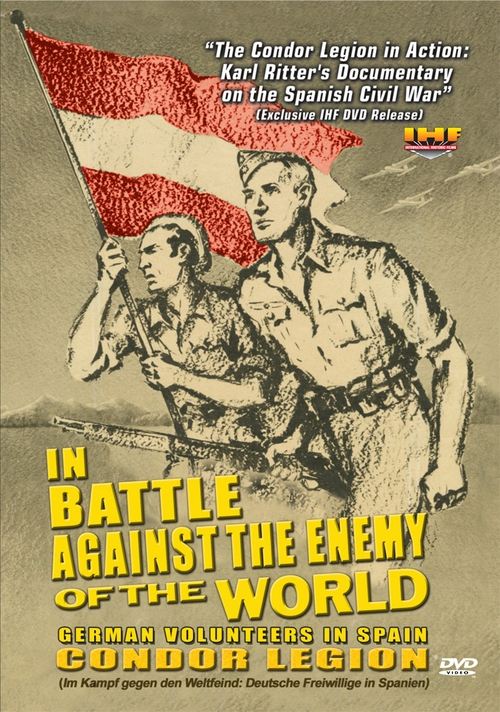
Nazi propaganda film about the Condor Legion, a unit of German "volunteers" who fought in the Spanish Civil War on the side of eventual dictator Francisco Franco against the elected government of Spain.
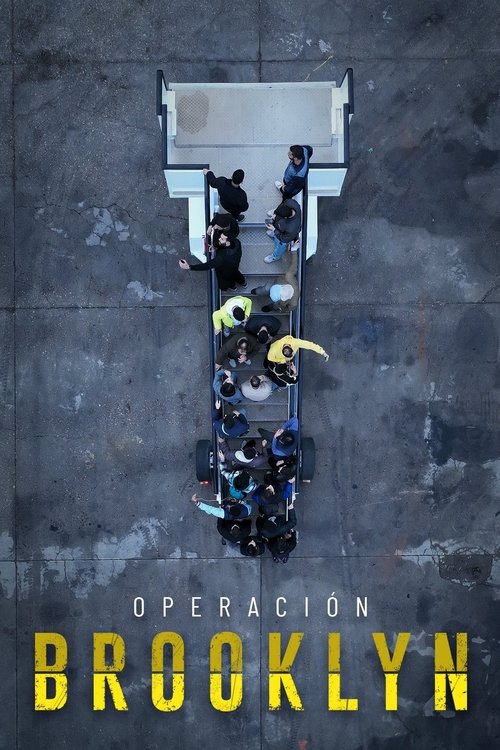
Spain, November 5, 2021. After an emergency landing, several people traveling from Casablanca (Morocco) to Istanbul (Turkey) escape from Palma de Mallorca airport.
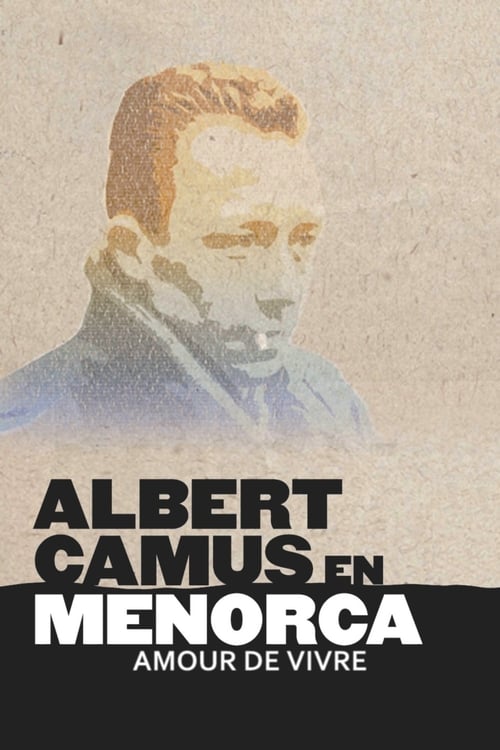
An account of the brief life of the writer Albert Camus (1913-1960), a Frenchman born in Algeria: his Spanish origin on the isle of Menorca, his childhood in Algiers, his literary career and his constant struggle against the pomposity of French bourgeois intellectuals, his communist commitment, his love for Spain and his opposition to the independence of Algeria, since it would cause the loss of his true home, his definitive estrangement.
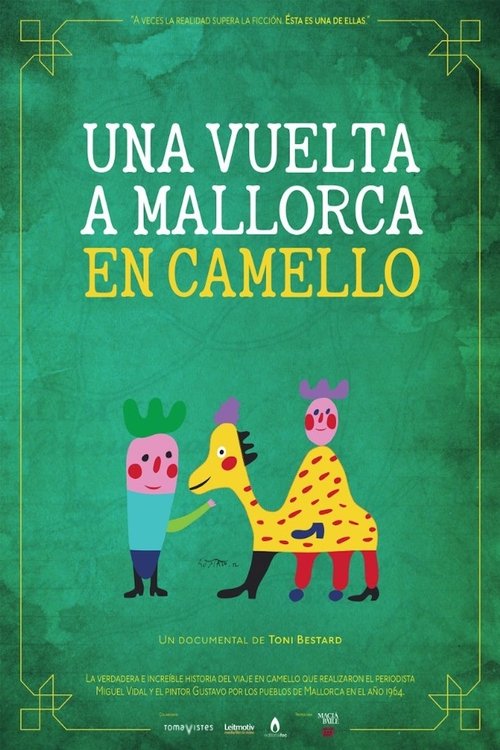
The real story about the camel ride around Mallorca, that journalist Miguel Vidal and painter Gustavo Peñalver did in 1964. Sometimes truth is stranger than fiction. This is one of them.
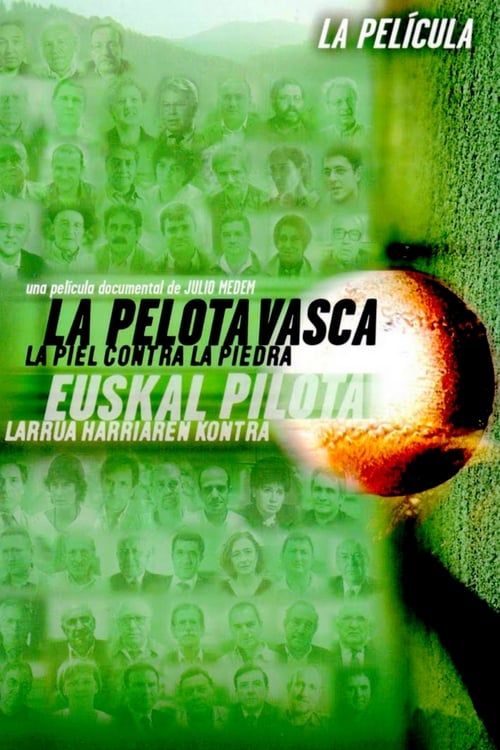
An attempt to create a bridge between the different political positions that coexist, sometimes violently, in the Basque Country, in northern Spain.
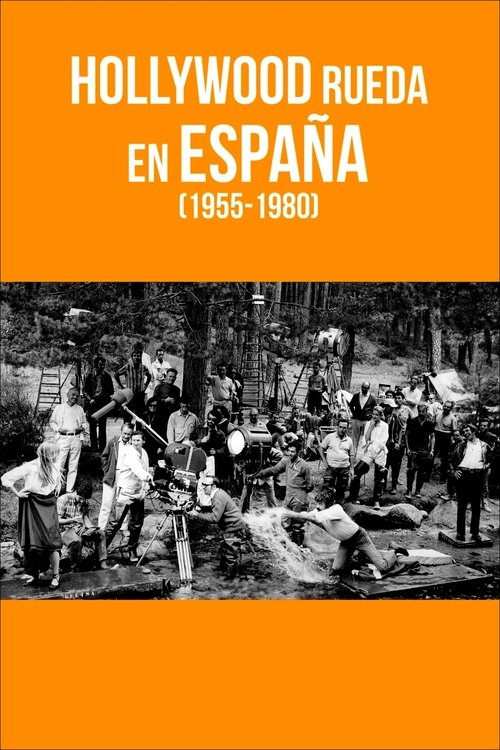
The turbulent history of the twenty-five years during which, in the midst of Franco's dictatorship, Spain was turned into an immense movie set on which many foreign production companies shot dozens of films, from westerns to historical epics.
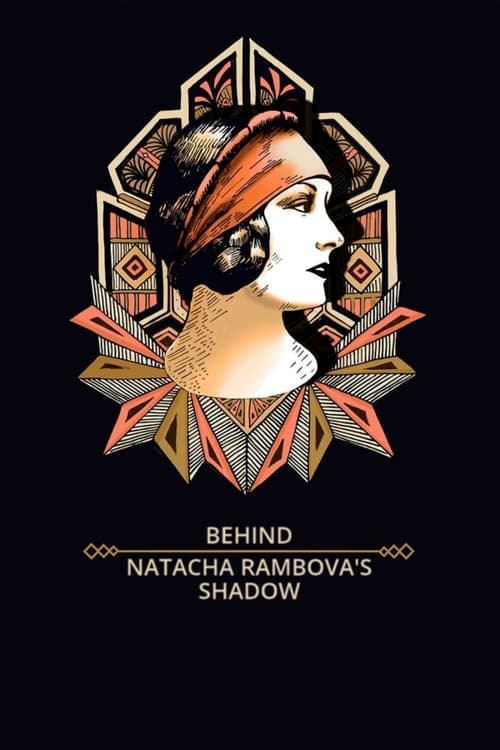
The adventurous life of Natacha Rambova (1897-1966), an American artist, born Winifred Kimball Shaughnessy, who reincarnated herself countless times: false Russian dancer, silent film actress, scenographer and costume designer, writer, spiritist, Egyptologist, indefatigable traveler, mysterious and curious; an amazing 20th century woman who created the myth of Rudolph Valentino.
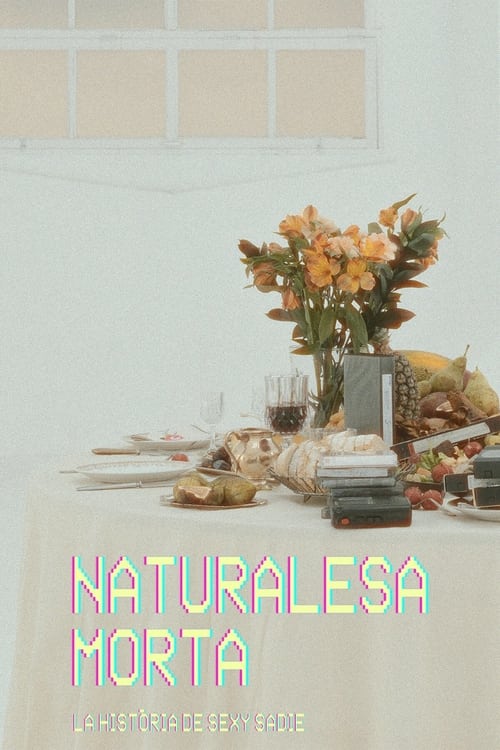
The surprising story of Sexy Sadie, a successful English-language Spanish pop-rock band formed in Mallorca in 1992 and disbanded in 2006.
An RTÉ documentary on Irish involvement in the Spanish Civil War, 1936-1939.
A particular reading of the hard years of famine, repression and censorship after the massacre of the Spanish Civil War (1936-39), through popular culture: songs, newspapers and magazines, movies and newsreels.
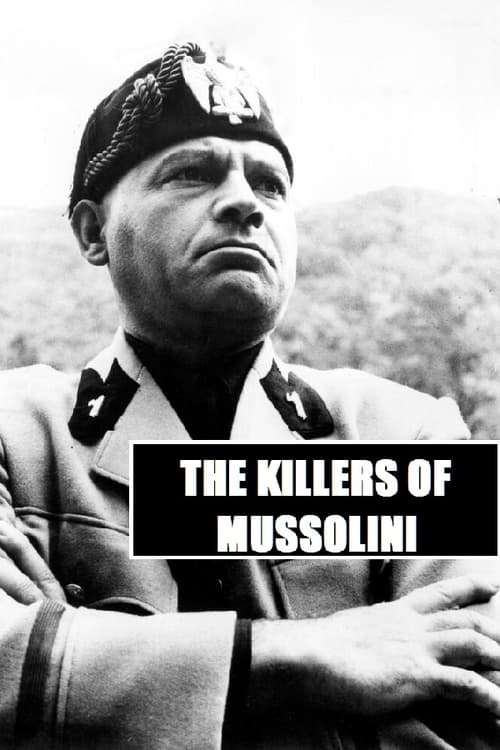
As the Salo Republic crumbles around him, Mussolini, along with his mistress and several of his ministers flee with retreating Nazi soldiers, but are caught at the town of Dongo by red partisans. All are brutally executed without trial.
The Colegio de Arquitectos de Catalunya commissioned Pere Portabella to make this film for the Joan Miró retrospective exhibit in 1969. There were heated discussions on whether it would be prudent to screen the film during the exhibit. Portabella took the following stance: "either both films are screened or they don't screen any" and, finally, both Miro l'Altre and Aidez l'Espagne were shown. The film was made by combining newsreels and film material from the Spanish Civil War with prints by Miró from the series "Barcelona" (1939-1944). The film ends with the painter's "pochoir" known as Aidez l'Espagne.
Manuela is left behind when her husband Justo fights for his ideals against Franco's Nationalists during the Spanish Civil War. He is deported to a concentration camp, and upon his release, continues the fight against nationalism in the French resistance. Years pass without a word from him, but his wife never gives up hope of seeing him again.
No Trailers found.