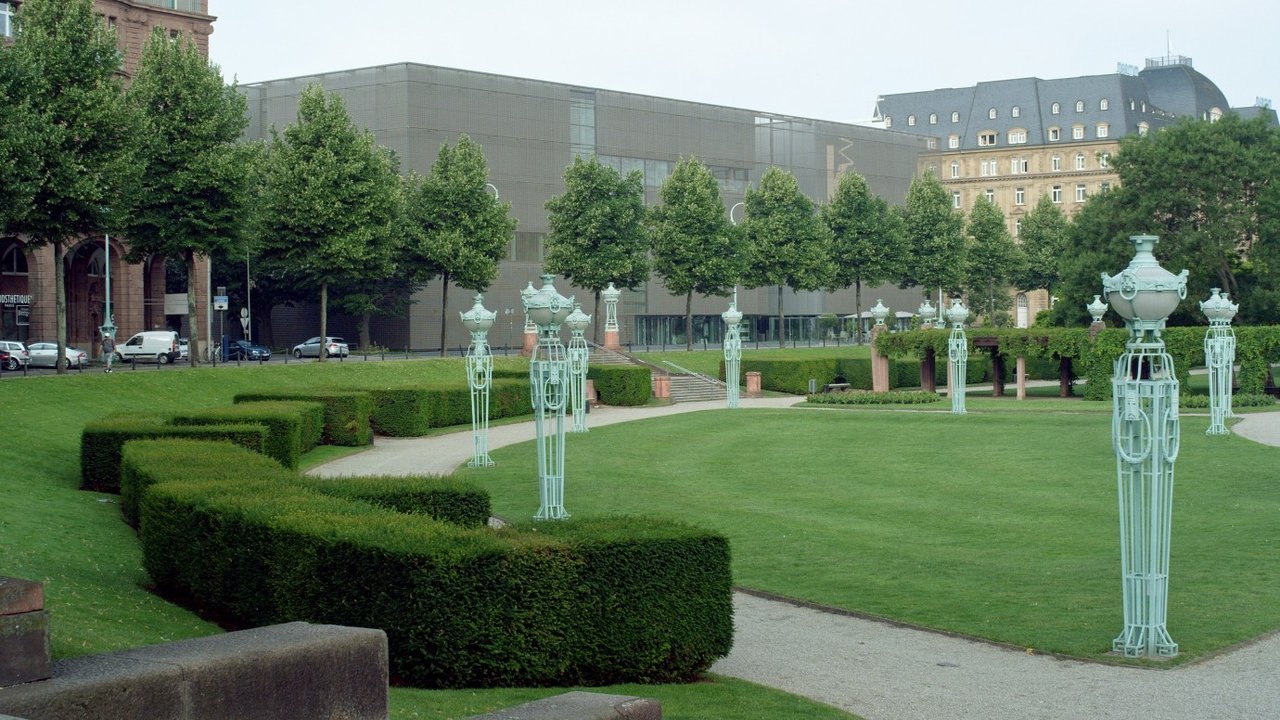
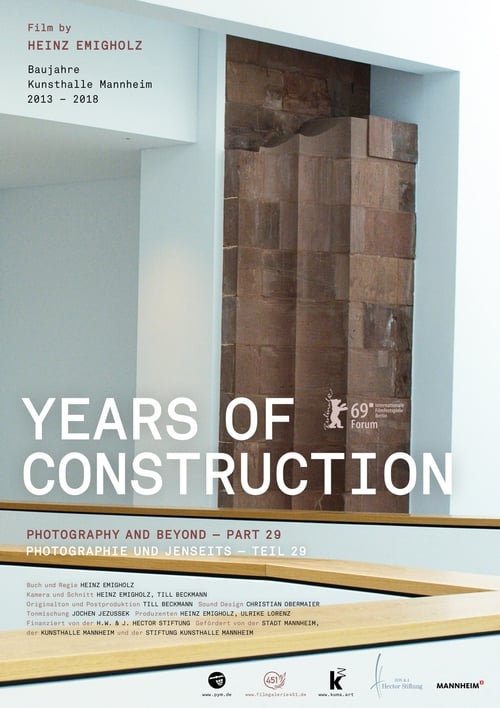
Demolition of the old and building of the new Kunsthalle in Mannheim in the years 2013 to 2018.
No Trailers found.
A short film about traditional crafts and culture that can still be found in the Wallachian mountains today.
A Berlin street corner is slowly changing: an aging supermarket turns into a construction site and finally a new building. People restock shelves, demolish walls, take breaks and count money. Those who work here participate in the making and unmaking of the place. How does it shape the conditions of their labor? Between supermarket aisles, construction scaffolding and exposed concrete, different versions begin to overlap. Repetitions appear like echoes between worlds, both playful and eerie.
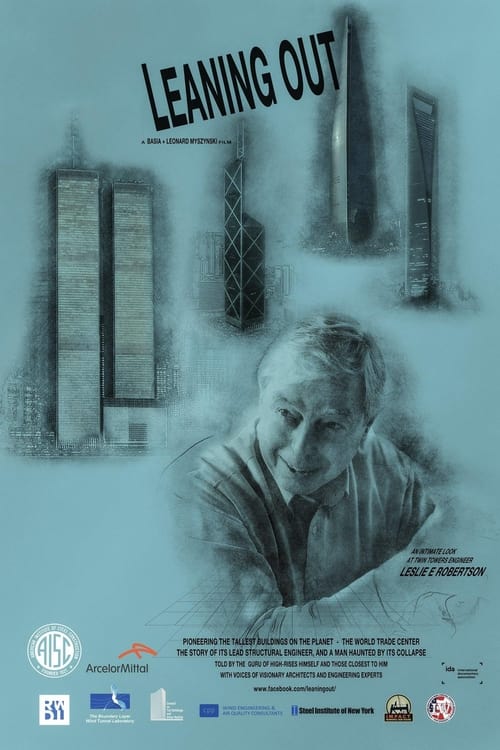
A man with a perspective like no other on the planet. The leading structural engineer of the World Trade Center oversees its construction, haunted by its fall ever since. A guru in high-rise design. Driven by his values as a pacifist and activist and the woman engineer who emboldened, expanded and ultimately saved the man she loved. About fulfillment, fragility, and a fighting spirit.
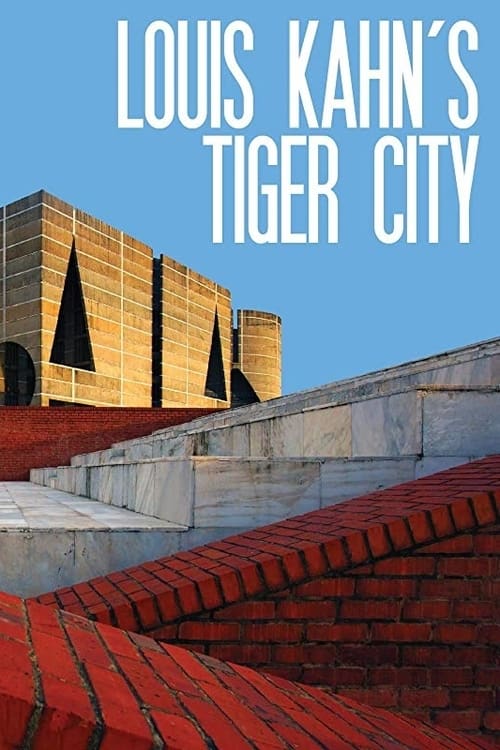
Art historian and filmmaker Sundaram Tagore travels in the footsteps of Louis Kahn to discover how the famed American architect built a daringly modern and monumental parliamentary complex in war-torn Bangladesh.
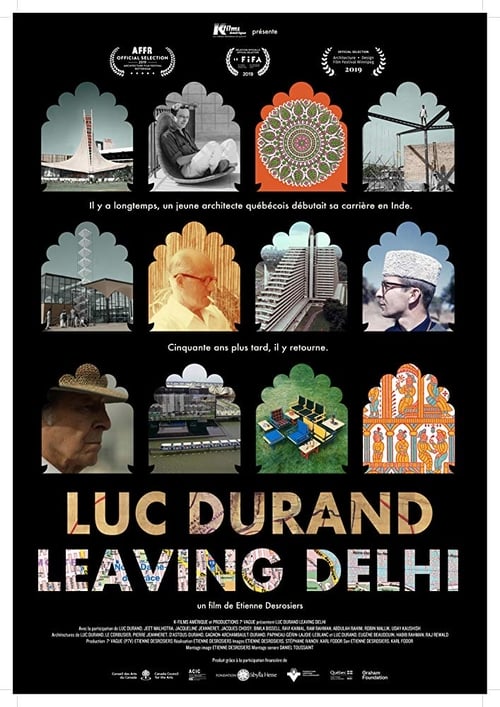
A portrait of the Canadian architect Luc Durand (1929 – 2018), who, after studying with Eugène Beaudoin in Switzerland, began his career in India. This period would be decisive for his career and would influence many of the projects he designed in Quebec, including the Quebec Pavilion at Expo 67, Place Dupuis, and the Olympic Village for the 1976 Olympic Games. Durand then decided to return to his roots in 2012, traveling from Montreal to Geneva, from New Delhi to Chandigarh. A portrait of an eminent figure in Quebec architecture.
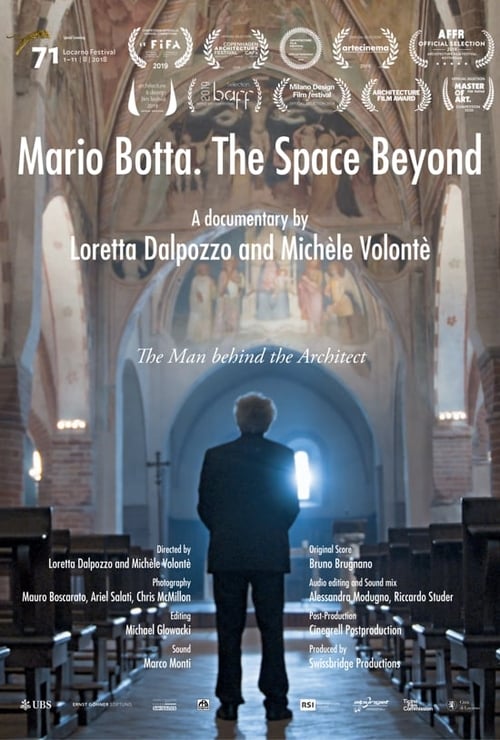
A rare, in-depth artistic journey into the work of internationally acclaimed Swiss architect Mario Botta. The film explores Botta's ever growing curiosity and reflections on the contractions of society through his sacred spaces, a subject very dear to him. Why does globalized society feel the urge to build such spaces? The directors traveled to China, South Korea, Israel, Italy, and Switzerland to discover a passionate and tireless artist, his buildings, and part of his creative process. Botta is one of the few architects who has built places of prayer for three main monotheistic religions. After building many churches, chapels, and synagogue, he is now working on a mosque in China. Through his thoughts and his interaction with artists, colleagues, clients, and family members, the viewers have a glimpse of the man behind the Architect.
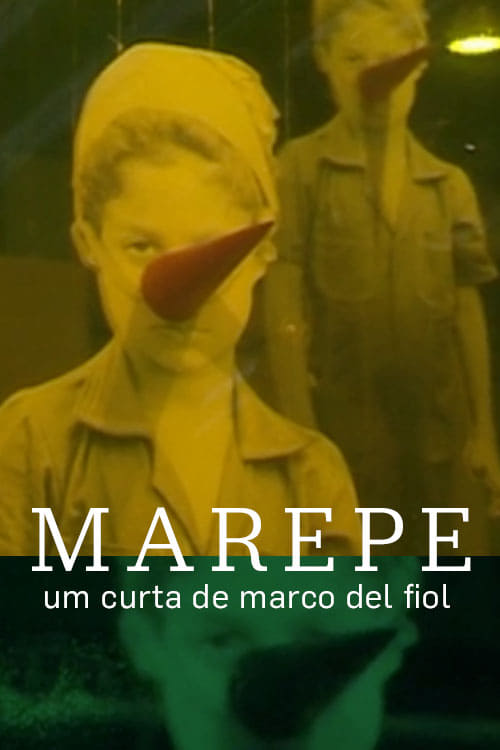
Marepe, an artist from Bahia, produces art with anything he comes across in the town he lives in, Santo Antônio de Jesus. Packs of cigarettes, coconut palms, walls, and memories taken from the streets, go into putting together a personal archeology for this young artist.
No overview available.
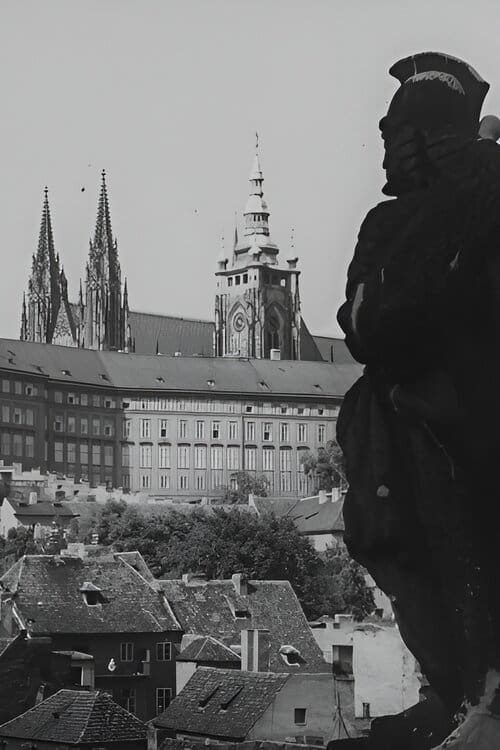
A documentary film comparing current / everyday and historical / noble aspects of Prague.
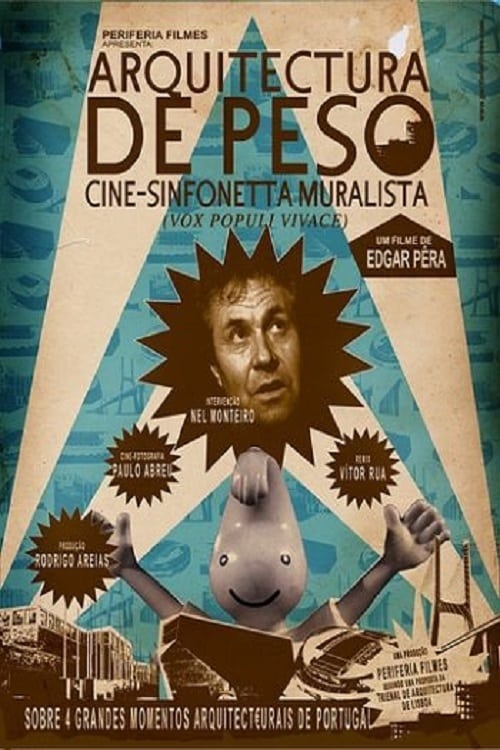
Documentary about 4 large architectural landmarks that projected Portugal abroad.
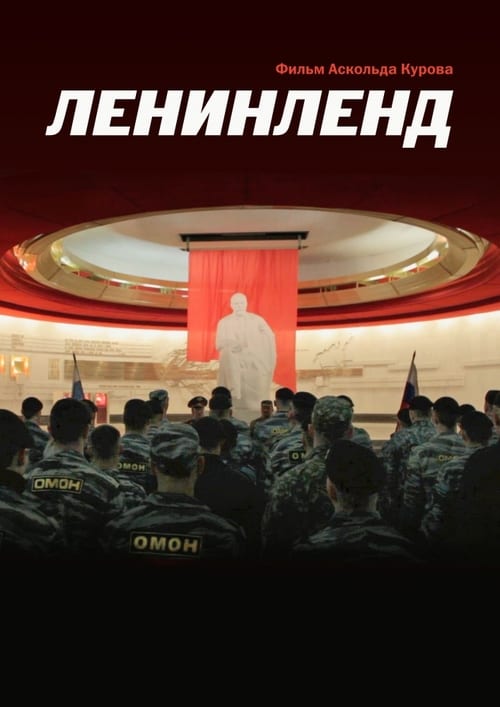
At the peak of Perestroika, in 1987, in the village of Gorki, where Lenin spent his last years, after a long construction, the last and most grandiose museum of the Leader was opened. Soon after the opening, the ideology changed, and the flow of pilgrims gradually dried up. Despite this, the museum still works and the management is looking for ways to attract visitors. Faithful to the Lenin keepers of the museum as they can resist the onset of commercialization. The film tells about the modern life of this amazing museum-reserve and its employees.
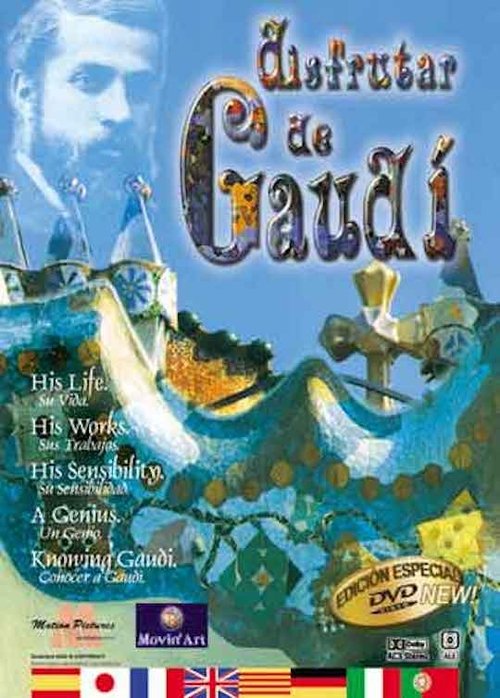
Presented in the guise of an autobiography, this program describes the life and work of Antoni Gaudí. It highlights his personality, his sensitivity and the images of his art.
After filming the construction site of the Berlitz Palace (2nd), Pierre Chenal shows us in contrast other contemporary architectural achievements which, using the same technical processes, do not sacrifice the structure of iron and concrete for decoration. A documentary to the glory of the modern designs of Mallet-Stevens and Le Corbusier.
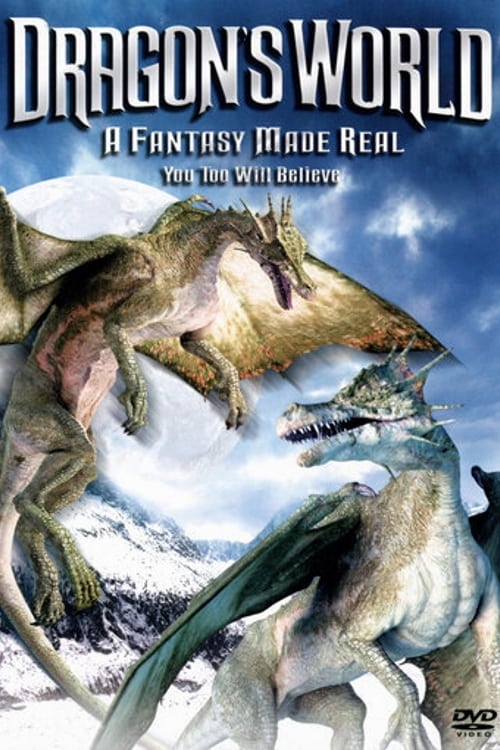
"The Last Dragon" is a nature mockumentary about a British scientific team that attempts to understand the unique incredible beasts that have fascinated people for ages. CGI is used to create the dragons.
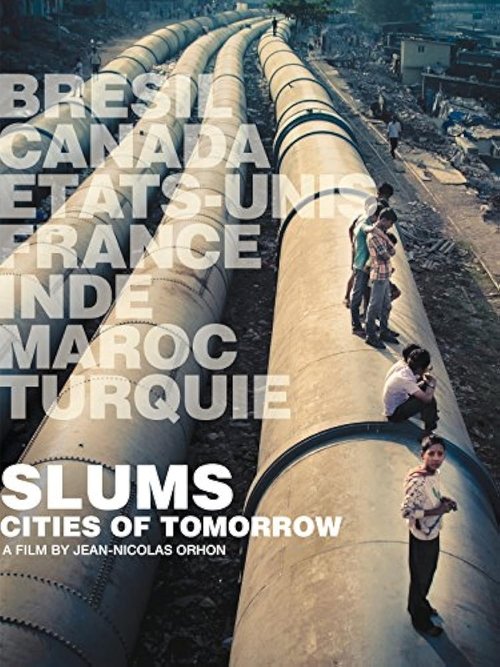
One billion people on our planet—one in six—live in shantytowns, slums or squats. Slums: Cities of Tomorrow challenges conventional thinking to propose that slums are in fact the solution, not the problem, to urban overcrowding caused by the massive migration of people to cities. (Lynne Fernie, HotDocs)
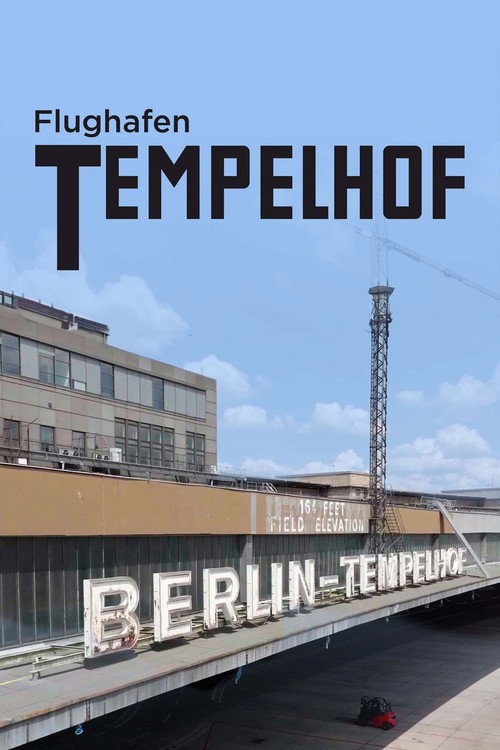
Located in former West Berlin, Tempelhof Airport reflects the dramatic history of the 20th century. Once a Nazi showpiece, it later became a symbol of freedom during the Berlin Airlift and the Cold War. In 1978, East German citizen Constanze Glien unexpectedly arrived here after her flight was hijacked, changing the course of her life.
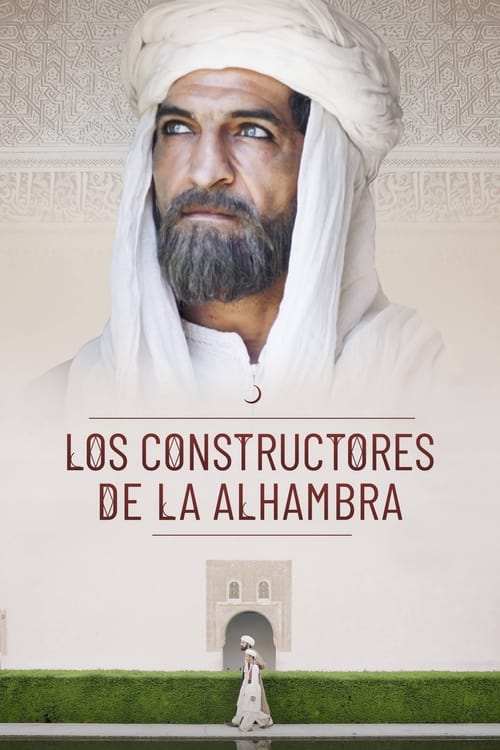
Kingdom of Granada, al-Andalus, 14th century. After recognizing that his land, always under siege, is hopelessly doomed to be conquered, Sultan Yusuf I undertakes the construction of a magnificent fortress with the purpose of turning it into the landmark of his civilization and his history, a glorious monument that will survive the oblivion of the coming centuries: the Alhambra.
No Cast found.