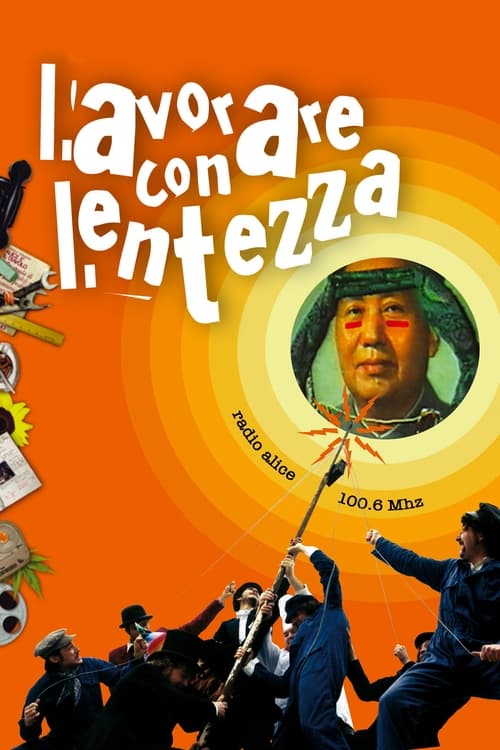
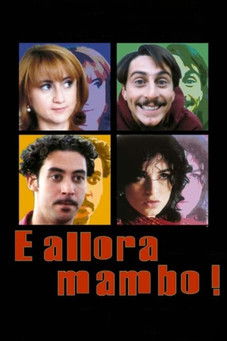
Bologna, 1976. The paths of two aimless young friends intertwine with those of Radio Alice, a pirate radio politically aligned with the leftist student movement.
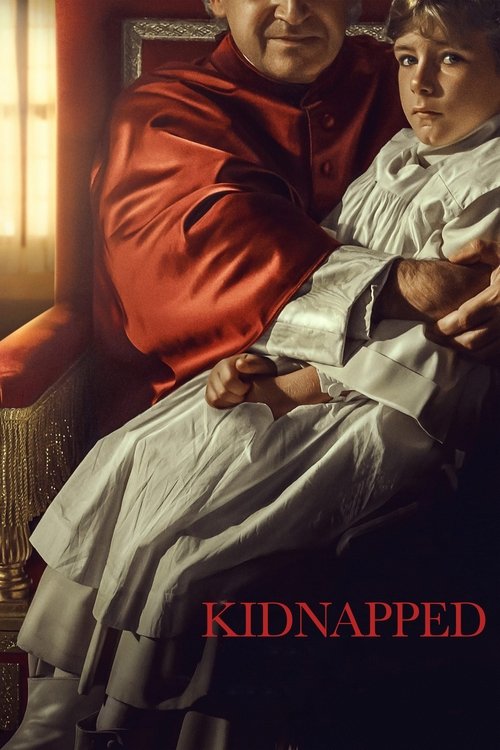
The story of Edgardo Mortara, a young Jewish boy living in Bologna, Italy, who in 1858, after being secretly baptized, was forcibly taken from his family to be raised as a Christian. His parents’ struggle to free their son became part of a larger political battle that pitted the papacy against forces of democracy and Italian unification.
No overview available.
After receiving a large sum of money on his bank account by mistake, a small-town thirtysomething dissatisfied with his life sees the opportunity of turning back the clock to when things were good, reliving the carefree life of an university student in a big city. Here, he falls in love with a girl and gets her pregnant. There's just one problem: he already has a wife and a daughter back home!
A detective suspects an unreported serial killer is preying on the population of a college town, luring in his victims through online video chats and assuming their identity after the murder.
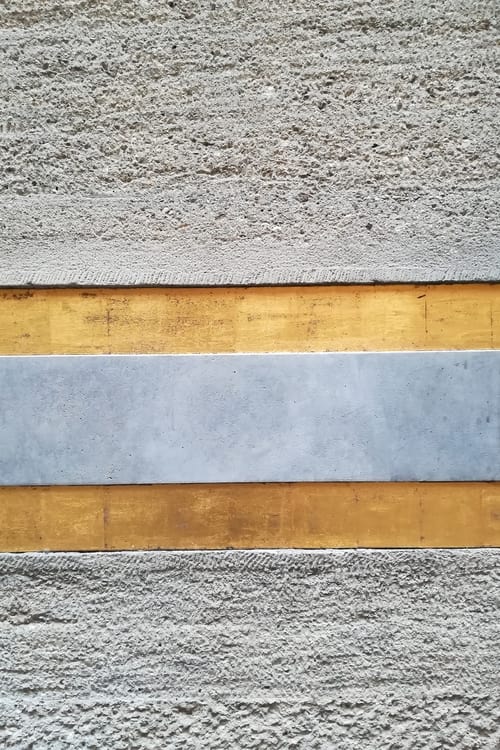
Confidential report on designer Dino Gavina's showroom created by Carlo Scarpa between 1961 and 1963. Restoration details and stills from a 1985 film by Ellis Donda.
Friendship and competition among a group of bank clerks in 1980s Italy.
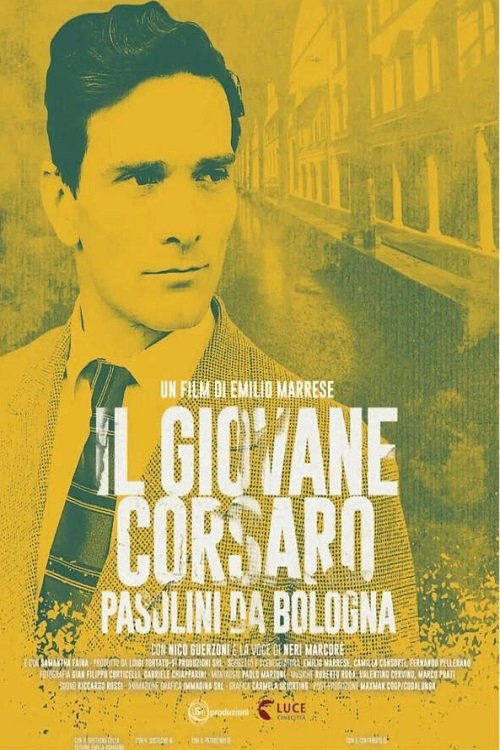
A young student prepares his degree thesis on Pasolini and Bologna by investigating the relationship of the great intellectual with the city of his childhood and his studies. Following in the footsteps left by Pasolini in Bologna, the protagonist will tell, for the first time in the form of a documentary and with a rock narrative rhythm, the emotional, visceral but also controversial bond of Pasolini with Bologna until his final days, also characterized by severe criticisms of the “consumerist and communist” city, a symbolic terrain of the adverse social and economic metamorphosis from paleoindustrial to neo-capitalist society.
A small town in Salento, some Soviet rock bands, CCCP and an 8-day trip between Moscow and Leningrad. The incredible story of a tour between two worlds that would never be the same again.
15-year-old Andrea lives in a world of his own, where an innocent friendship with a pretty girl becomes a full-blown romance. He invites her to a motor show in nearby Bologna, but she fails to show up at the bus station. Instead, Andrea is joined by his older sister Stefania–who's planning a runaway with her boyfriend Angelo.
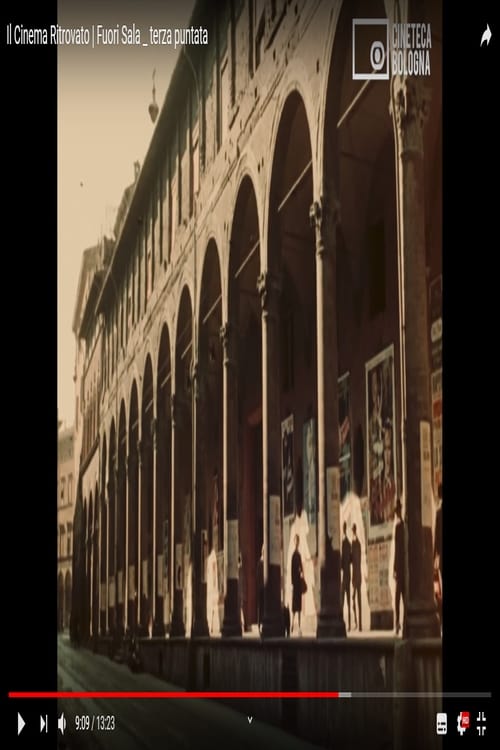
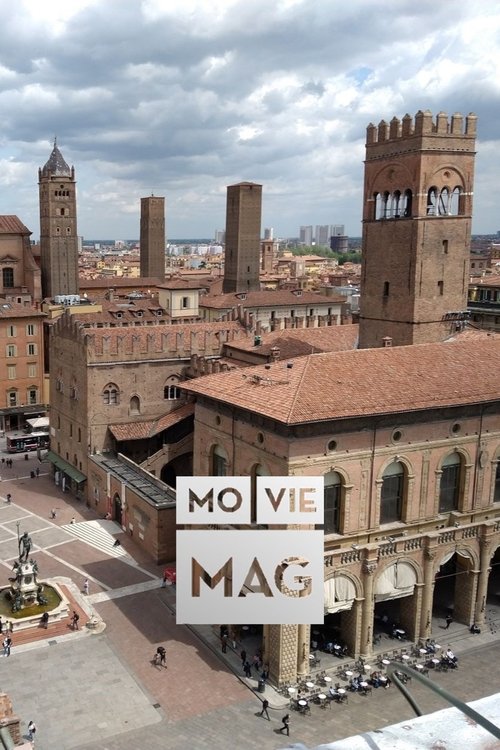
The documentary illustrates the history of the birth and development of the porticoes module in Bologna, starting from the Middle Ages. After a brief historical investigation on the origin of the arcades and on the revolution that affected urban architecture following their introduction, we analyze the social impact that these had, and still have, on the lives of Bolognese citizens. The porch, among other things, is presented as an architectural solution capable of facilitating meeting and communication.
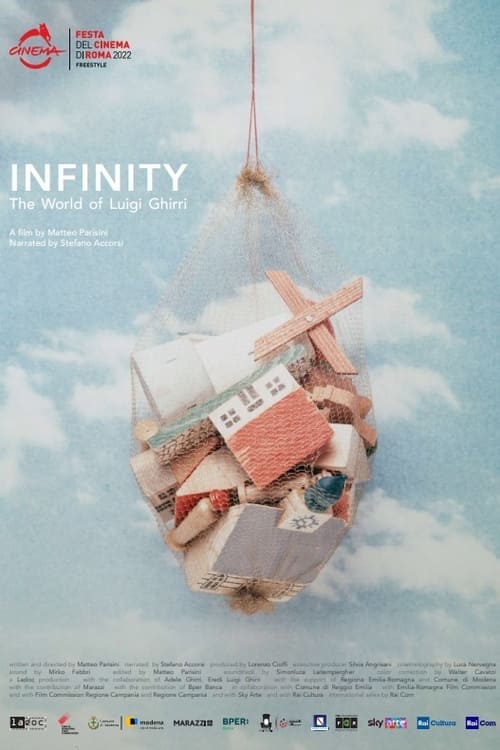
In this poetic portrayal of Luigi Ghirri (1943–1992), a master of contemporary photography, the director gives voice and, in particular the image, to the protagonist. The photographer takes the audience on a tour of the outskirts of daily life as seen from the corner of his eye, the area in between what is artificial and authentic or grand and small – the meso-scale.
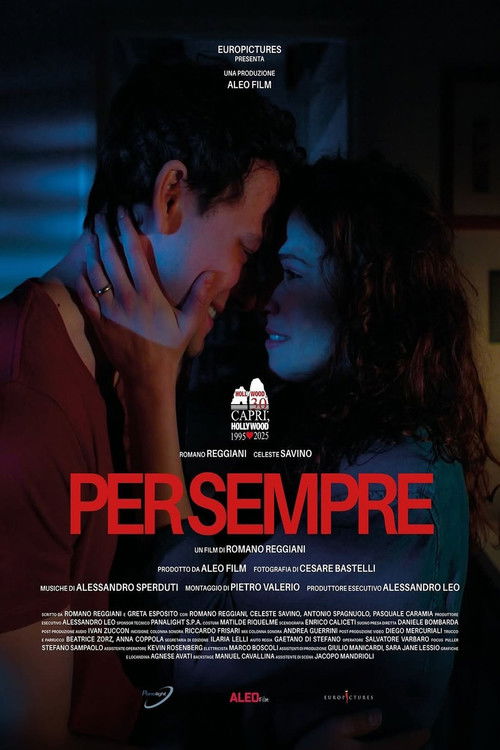
A young police inspector returns home late from work, troubled by a very difficult day. Upon his return, he will be forced to come to terms with his life and his marriage. He will be forced to reflect and hope for the “forever” he swore just a few weeks earlier at the altar.
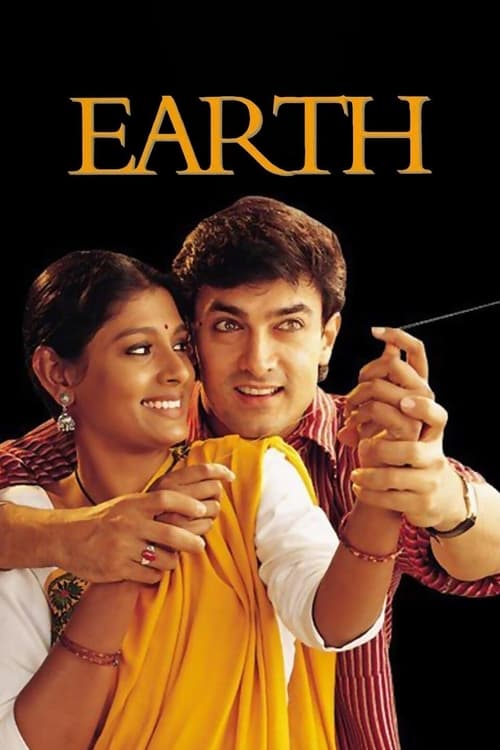
It's 1947 and the borderlines between India and Pakistan are being drawn. A young girl bears witnesses to tragedy as her ayah is caught between the love of two men and the rising tide of political and religious violence.
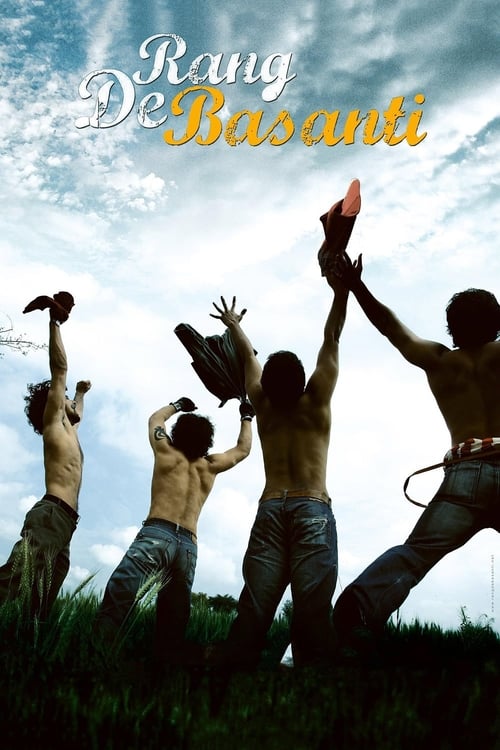
After a group of friends graduate from Delhi University, they listlessly haunt their old campus, until a British filmmaker casts them in a film she's making about freedom fighters under British rule. Although the group is largely apolitical, the tragic death of a friend owing to local government corruption awakens their patriotism. Inspired by the freedom fighters they represent in the film, the friends collectively decide to avenge the killing.
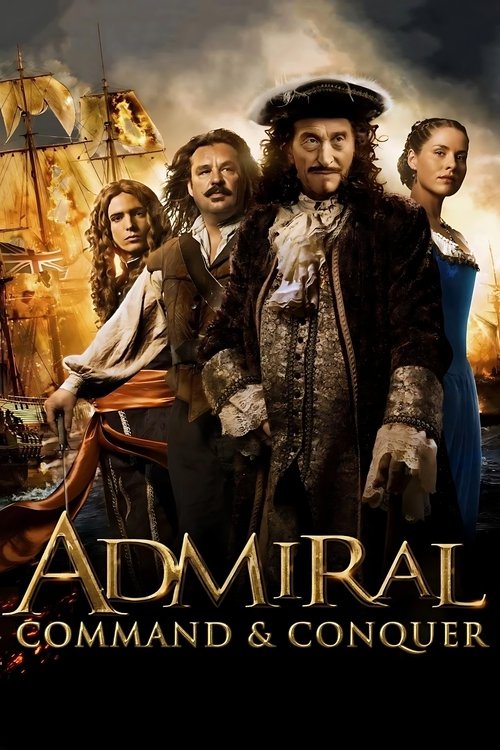
When the young republic of The Netherlands is attacked by England, France and Germany and faces its own civil war no less, only one man, Michael de Ruyter, can lead the county's strongest weapon, the Dutch fleet.
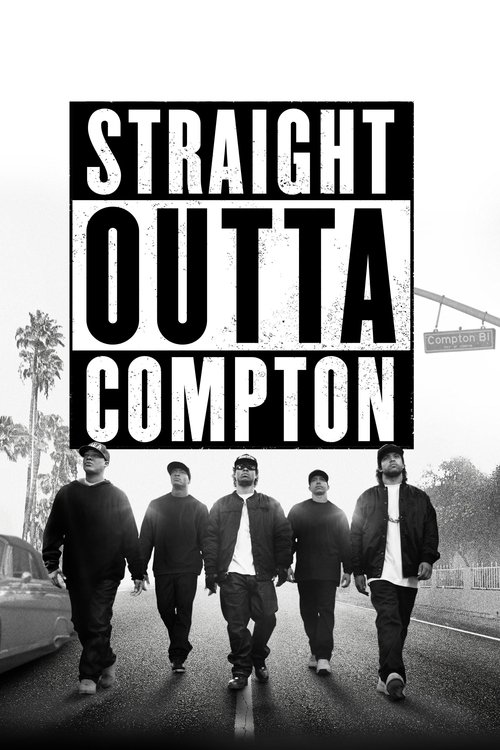
In 1987, five young men, using brutally honest rhymes and hardcore beats, put their frustration and anger about life in the most dangerous place in America into the most powerful weapon they had: their music. Taking us back to where it all began, Straight Outta Compton tells the true story of how these cultural rebels—armed only with their lyrics, swagger, bravado and raw talent—stood up to the authorities that meant to keep them down and formed the world’s most dangerous group, N.W.A. And as they spoke the truth that no one had before and exposed life in the hood, their voice ignited a social revolution that is still reverberating today.
No Trailers found.
Giulio Cesare Croce
Sei personaggi della famiglia Bentivoglio
Giuseppe Massarenti