Germans colonized the land of Namibia, in southern Africa, during a brief period of time, from 1840 to the end of the World War I. The story of the so-called German South West Africa (1884-1915) is hideous; a hidden and silenced account of looting and genocide.
In 1943, as Hitler continues to wage war across Europe, a group of college students mount an underground resistance movement in Munich. Dedicated expressly to the downfall of the monolithic Third Reich war machine, they call themselves the White Rose. One of its few female members, Sophie Scholl is captured during a dangerous mission to distribute pamphlets on campus with her brother Hans. Unwavering in her convictions and loyalty to the White Rose, her cross-examination by the Gestapo quickly escalates into a searing test of wills as Scholl delivers a passionate call to freedom and personal responsibility.
Two 17-year-olds, Werner Holt and Gilbert Wolzow, are pulled out of school and into Hitler's army. Gilbert becomes a fanatical soldier; but at the front, Werner begins to understand the senselessness of war.
This documentary-style short follows two impoverished teens performing on the streets of London in the days leading up to the London Blitz of 1940.
During World War II, millions of Jews from all over Europe are deported and killed in German concentration camps. When the German troops invade Norway, the Norwegian Jews feel safe and protected. But anti-Semitism knows no borders and as the war escalates in Europe, the situation changes drastically. Suddenly, their radios are taken away; their passports are stamped with a big J and one day, all the men men over the age of 15 are arrested and taken to prisons camps. Many of the women left behind are too frightened to escape and are desperately waiting for their husbands and sons to come back home. On November 26, 1942, hundreds of Jews are picked up by the police in the middle of the night and are transported to the dock in Oslo. Unknowing and frightened men, women, children, sick and old are forced on board the awaiting German cargo ship "SS DONAU". The ship leaves with 532 Norwegian Jews onboard; 302 men, 188 women and 42 children. The end station is Auschwitz.
Doomed attempt to get to California in 1846. More than just a riveting tale of death, endurance and survival. The Donner Party's nightmarish journey penetrated to the very heart of the American Dream at a crucial phase of the nation's "manifest destiny." Touching some of the most powerful social, economic and political currents of the time, this extraordinary narrative remains one of the most compelling and enduring episodes to come out of the West.
Different factions in WWII-era Holland race to find a stash of Nazi gold.
A couple sets up an African game preserve, only to have British and Italian armies fight over the waterholes.
A young Catholic priest from Boston confronts bigotry, Nazism, and his own personal conflicts as he rises to the office of cardinal.
No overview available.
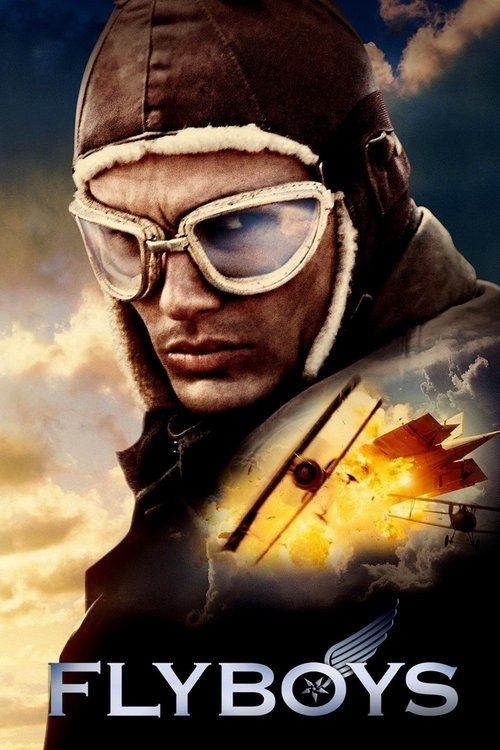
The adventures of the Lafayette Escadrille, young Americans who volunteered for the French military before the U.S. entered World War I, and became the country's first fighter pilots.
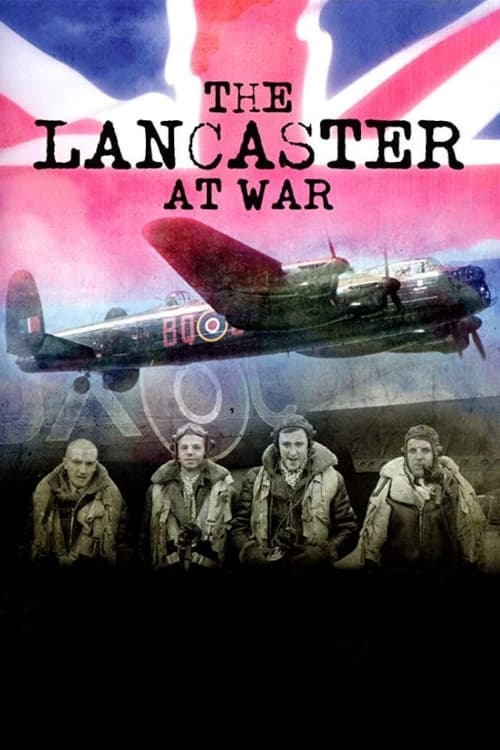
The incredible story of the Avro Lancaster, one of the finest bombers of the Second World War, which played a crucial role in the long and savage campaign to defeat Hitler's Third Reich. This documentary features interviews with surviving veterans of Bomber Command, who share frank personal accounts of their part in an aerial battle of attrition which claimed the lives of 55'000 aircrew.
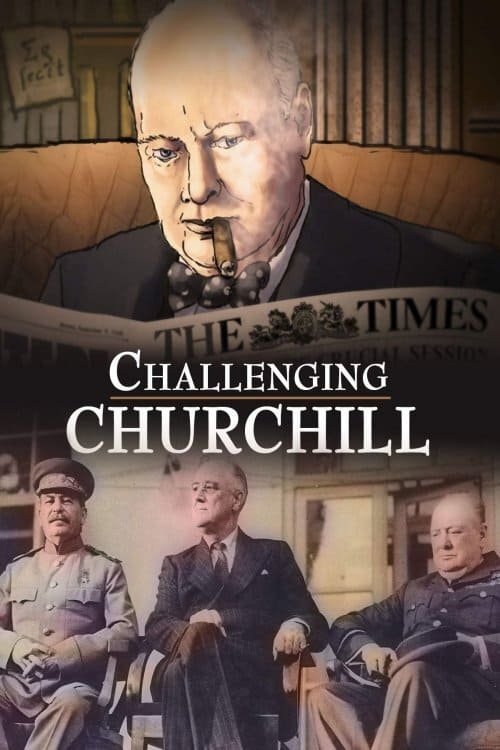
Churchill, a name typically associated with braveness and altruism. Recently found evidence from Soviet and British sources however brings up questions about Churchill's doings in the conferences of Tehran, Yalta and Potsdam. Why did he agree to give Stalin large parts of Poland? The story of two world leaders in times of war - it is also the story of Poland.
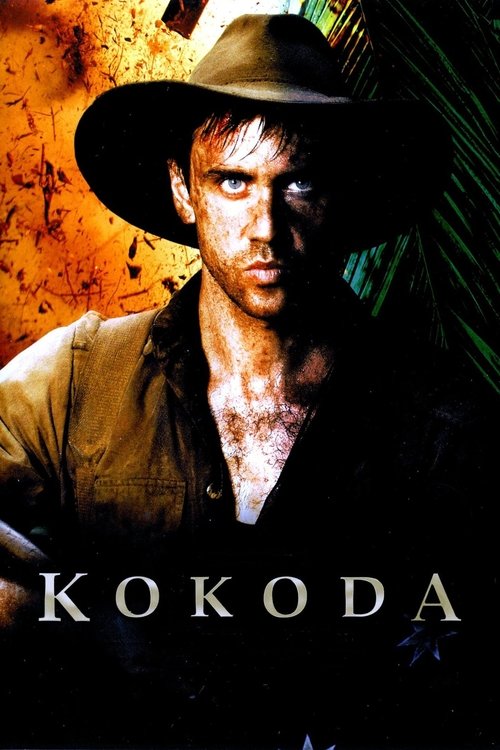
A bitter battle is fought between Australian and Japanese soldiers along the Kokoda trail in New Guinea during World War II.
Pulitzer Prize -- winning journalist John Hersey caused a sensation when he published "Hiroshima", the first account for American readers of the horror experienced by victims of the 1945 Hiroshima atomic bomb attack. "Hiroshima" stunned readers with its descriptions of the terrible aftermath of the bombing, yet Hersey never spoke about his experience in Hiroshima.
In 1935, German scientists dug for bones; in 1943, they murdered to get them. How the German scientific community supported Nazism, distorted history to legitimize a hideous system and was an accomplice to its unspeakable crimes. The story of the Ahnenerbe, a sinister organization created to rewrite the obscure origins of a nation.
In 208 A.D., in the final days of the Han Dynasty, shrewd Prime Minster Cao convinced the fickle Emperor Han the only way to unite all of China was to declare war on the kingdoms of Xu in the west and East Wu in the south. Thus began a military campaign of unprecedented scale. Left with no other hope for survival, the kingdoms of Xu and East Wu formed an unlikely alliance.
Three children evacuated from London during World War II are forced to stay with an eccentric spinster. The children's initial fears disappear when they find out she is in fact a trainee witch.
A historical overview of Sisak, the city on three rivers, from the Roman era to the post-WWII industrialization.
No Trailers found.